

Primary profile as the basis for surface roughness and waviness
The primary profile is a derived curve obtained from the values of the analysis methods for surfaces.
The primary profile is therefore very close to the actual waviness and roughness of a surface. Technically, the primary profile is required to determine further parameters, in particular the roughness and waviness.
Determination of the primary profile
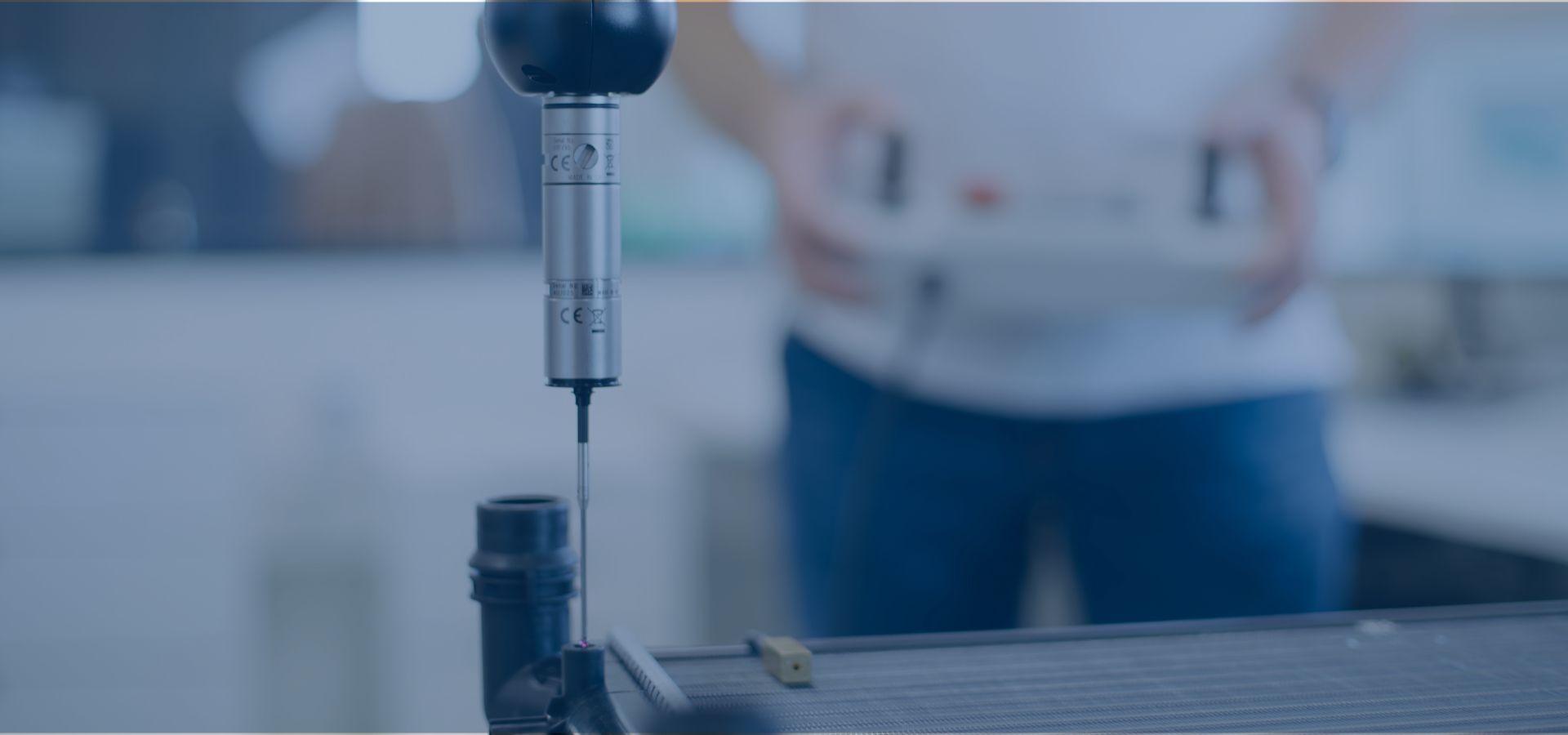
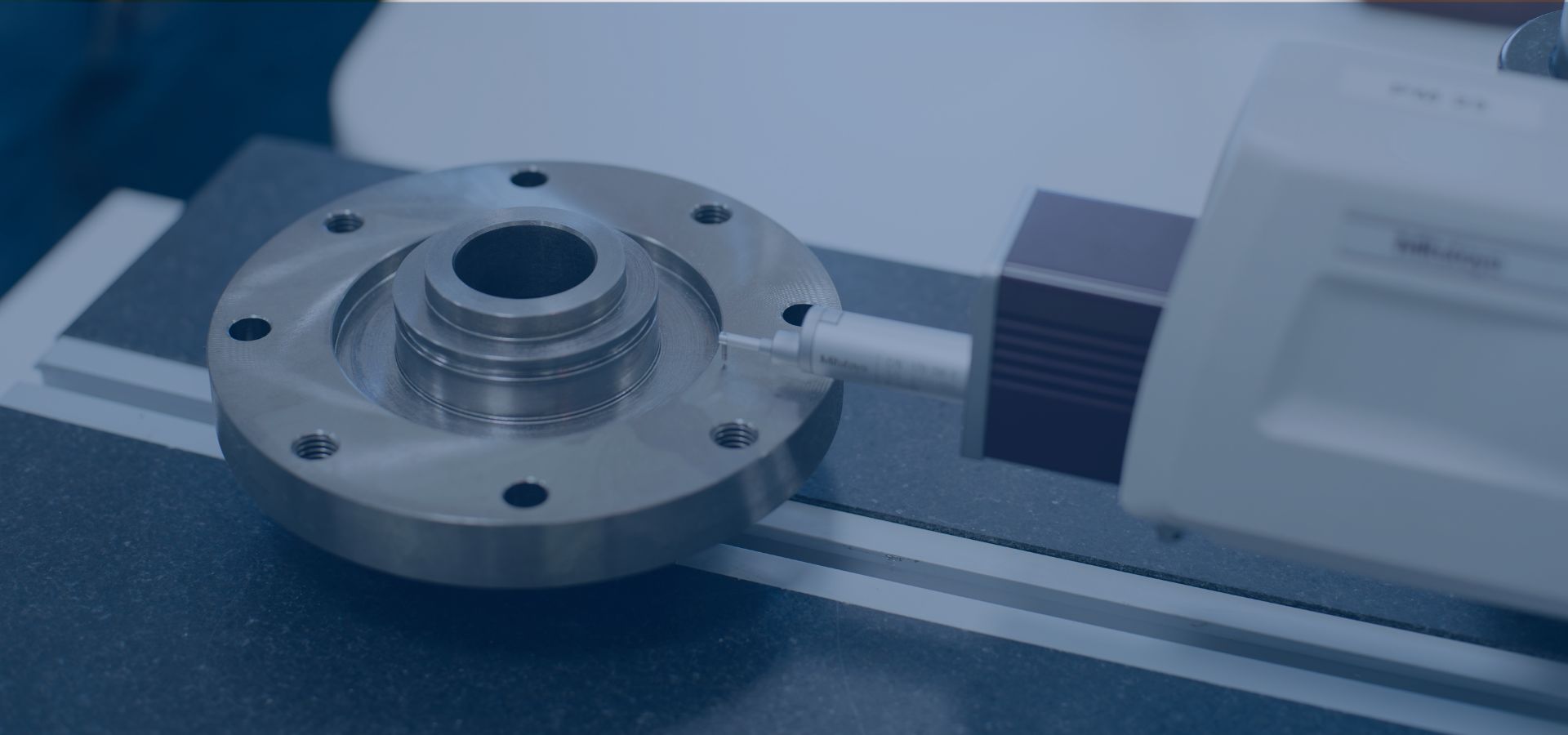
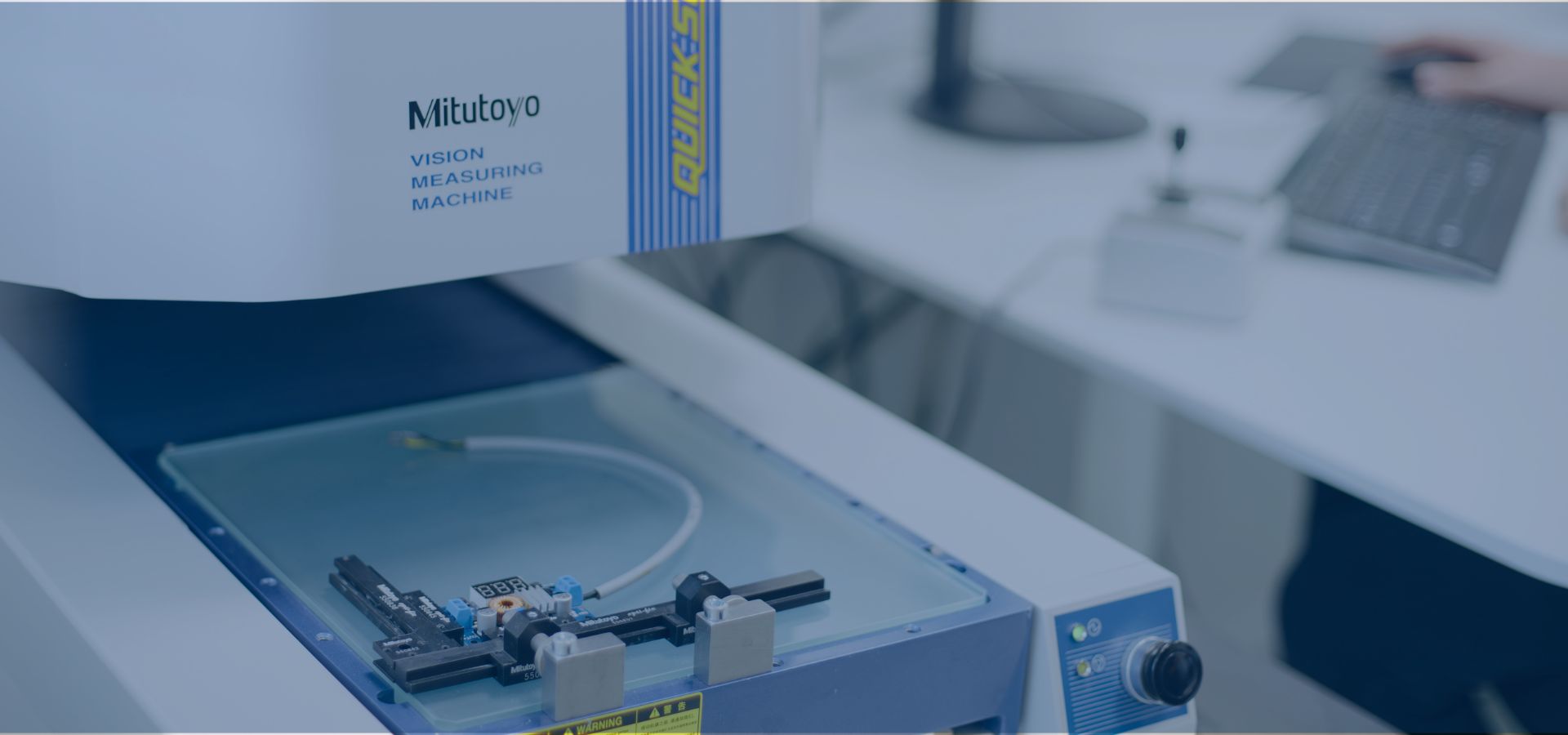
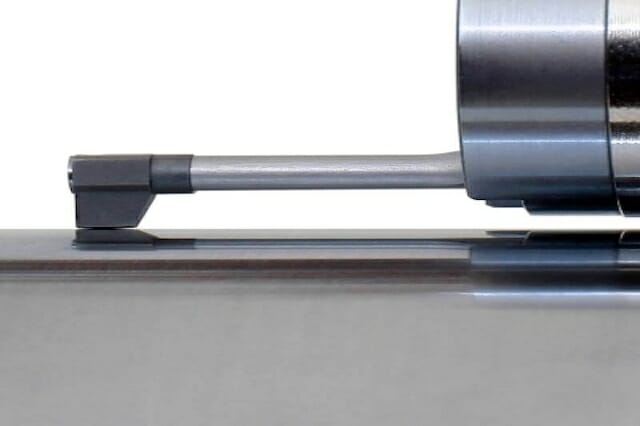
The primary profile is determined using optical or tactile methods. It forms a calculated mean value of the structure determined over an area.
Defining a specific curve provides the basis for further recording of a surface structure.
Characteristic values from the primary profile
The profile is a mixture of the roughness and the waviness of a surface. These two parameters can be separated from each other using mathematical methods.
Put simply, the roughness structure is a periodically recurring deviation from a center line.
The ripple, on the other hand, is this centerline itself. It can be very irregular, with high mountains, plains and deep valleys alternating non-periodically.
Roughness measurement using the primary profile
The determination of a roughness depth via the primary profile requires the prior separation of the characteristic roughness structure from the waviness.
The roughness curve is then precisely determined again using tactile or optical methods. The most important characteristic value when assessing the surface is the “average roughness depth”.
This is produced as a statistical mean value from the roughness valleys. The same procedure can also be used to determine roughness peaks.
Benefits of surface roughness
The roughness structure of a surface is initially a value-free parameter. Where a frictional connection is required, for example, a rough surface structure is definitely welcome. A surface measurement is carried out using tactile measurement technology.
Where the smoothest possible surface structures are required, the roughness analysis of the primary profile provides an outlook on the further processing steps required.
Grinding, polishing and lapping are possible methods for smoothing an undesirably rough surface structure. These machining processes belong to the group of “tool-free machining processes”.
Their use is always quite complex and expensive, which is why the desired surface structure should be achieved as early as possible during rolling or finishing.