

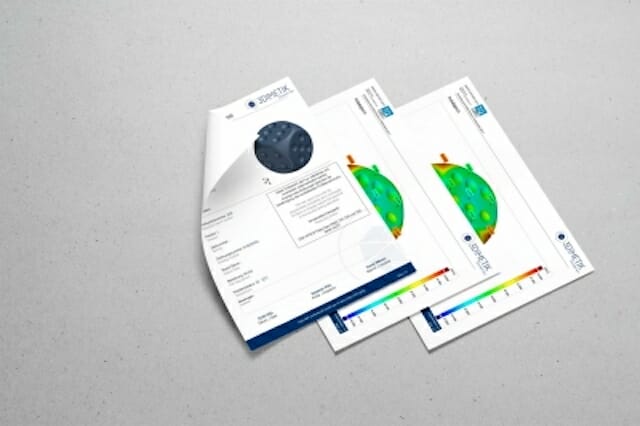
Initial sample test report for the start of the product series
The initial sample test report (EMPB) is used to check a series product manufactured under real conditions for compliance with all metric-technical properties.
The initial sampling determines whether the production conditions are suitable for serial production of the product.
Necessity for the initial sample test report
The suitability of a production process can only be proven under real conditions.
The smallest environmental factors can contribute to the production not functioning in the desired way as planned and simulated. The reasons for deviations from the desired tolerances too quickly can be manifold:
- Incorrect adjustment of the production machine
- Incorrectly designed production parameters
- Defects in the means of production
- Errors in the measuring equipment
- Errors in the specification of the primary material
- Environmental factors not taken into account
- Influencing factors not taken into account due to local conditions
Example:
A component is ready for serial production according to design and simulation. Once production planning has been completed, a test series for initial sampling is determined.
The manufactured products deviate from the dimensional specifications and the desired quality. A follow-up inspection now reveals that the clamping forces for the tools were not sufficient, excessive humidity is affecting the properties of the material, the test equipment is outdated and strong vibrations from an adjacent construction project in a processing machine have led to the parameters being adjusted.
The initial sample test report provides the basis for an analysis of the actual situation, which can be used to investigate the causes of the deviations.
Scope of an initial sample test report
In order to be able to make valid statements in an initial sample test report, the very first product as it comes out of production is generally not sufficient.
Only a statistically reliable quantity can provide a qualified statement about the suitability of the production conditions. For this reason, the initial sample test report is prepared on the basis of an agreed quantity at the start of series production.
The quantity of products tested for the initial sample test report is based on the experience gained with the production equipment. The wear limits of the processing machines are generally well known.
They are unavoidable in the production process, but can vary greatly depending on the type and extent of machining of a workpiece.
Typical wear patterns
The extent of wear on production tools mainly depends on the type of machining and the difference between the hardness of the workpiece and the tool.
However, continuous wear, which ultimately leads to the destruction of the tool, is unavoidable.
Just as carbide milling cutters and indexable inserts gradually wear away when machining any hard or soft material, the cavities in injection, casting, press and countersink molds lose their tolerances after a sufficient number of cycles.
Economic reasons for the initial sample inspection report
The initial sample test report is used to determine whether the planned series production is feasible in the desired manner with regard to the hoped-for profitability.
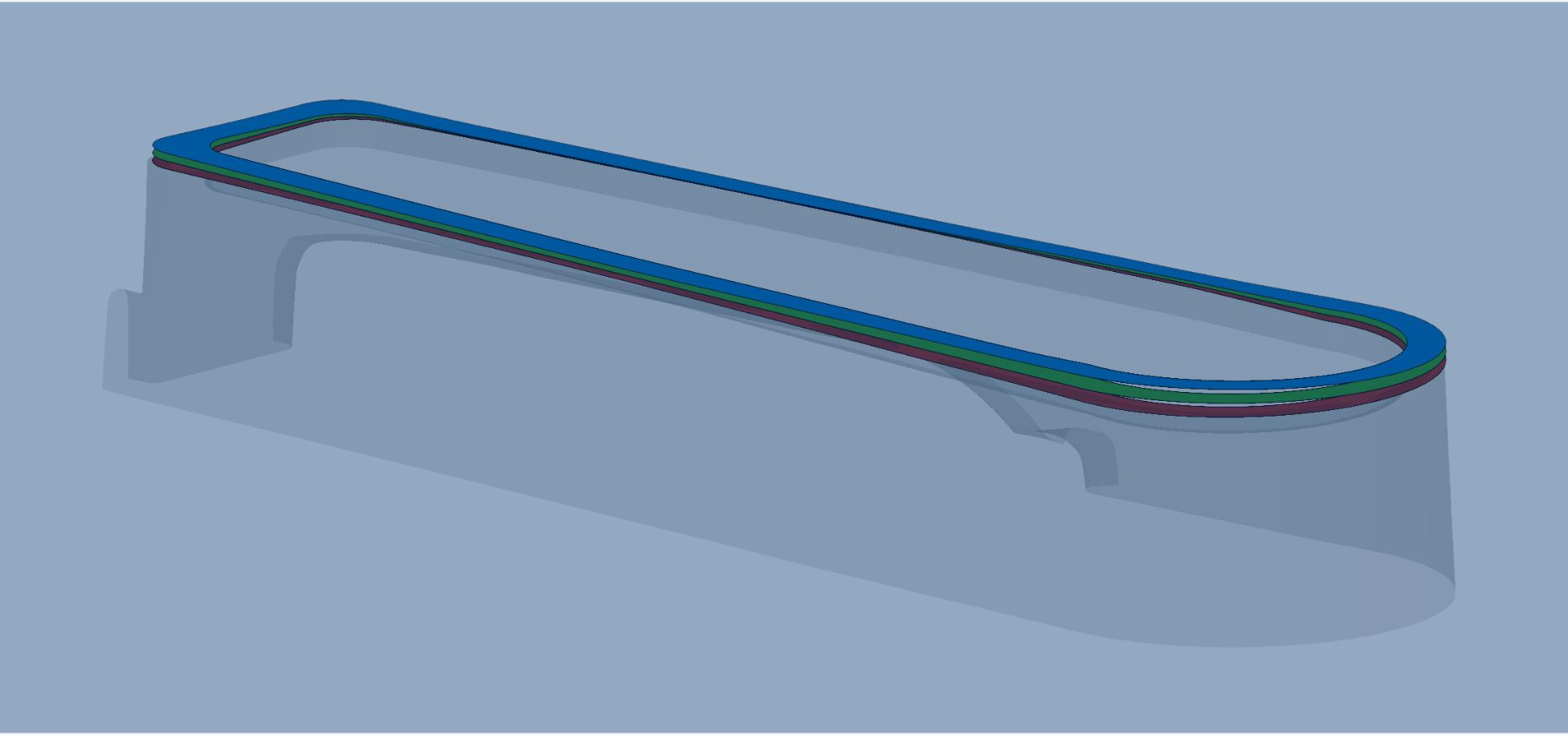
The initial sample test report provides a comparison between the target data of a finished product and the average properties from pre-series production.
Only when the planned production process proves to be viable and correct in reality can continuous production with consistent quality be assumed.
Proposals for the implementation of the necessary measures are generally not part of an initial sample test report. However, it serves as a basis for identifying the necessary measures and examining an adaptation.
Scope of testing during initial sampling
The scope of the inspection during initial sampling depends on the respective specifications and tolerances.
It is customary to check the optical, metric and technical properties of a manufactured product.
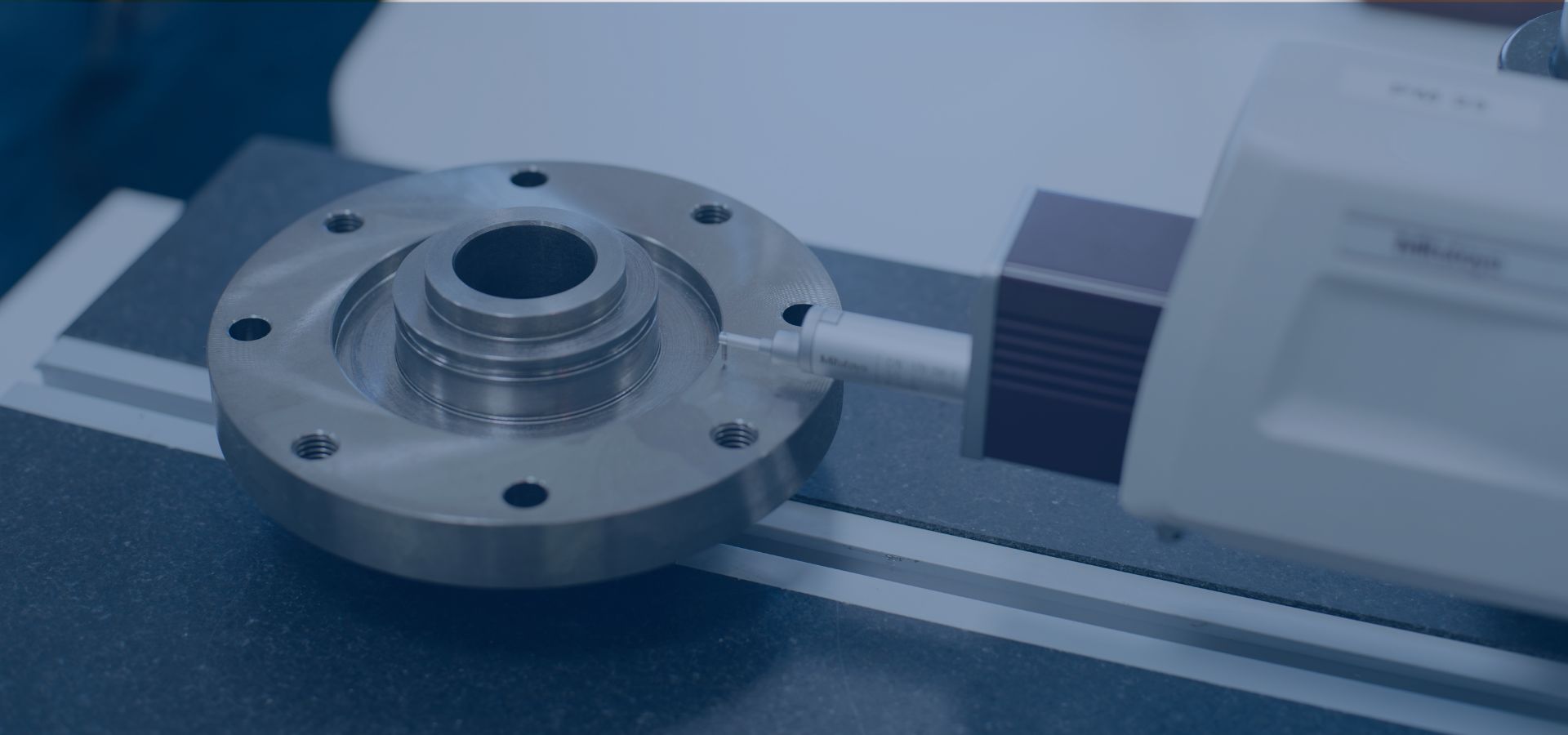
Optical properties include factors such as burr formation, roughness and porosity, scratches, clouding, dents, etc.
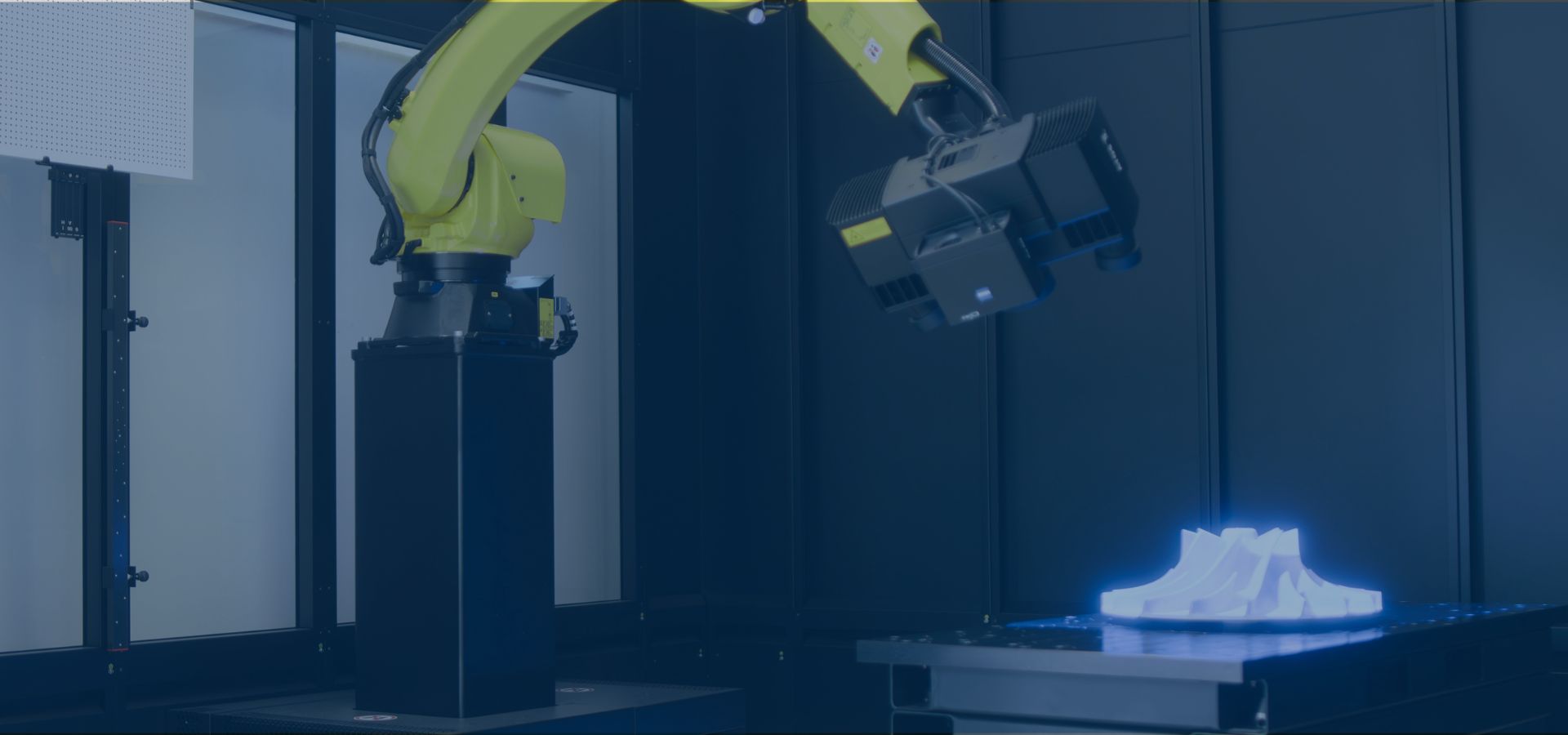
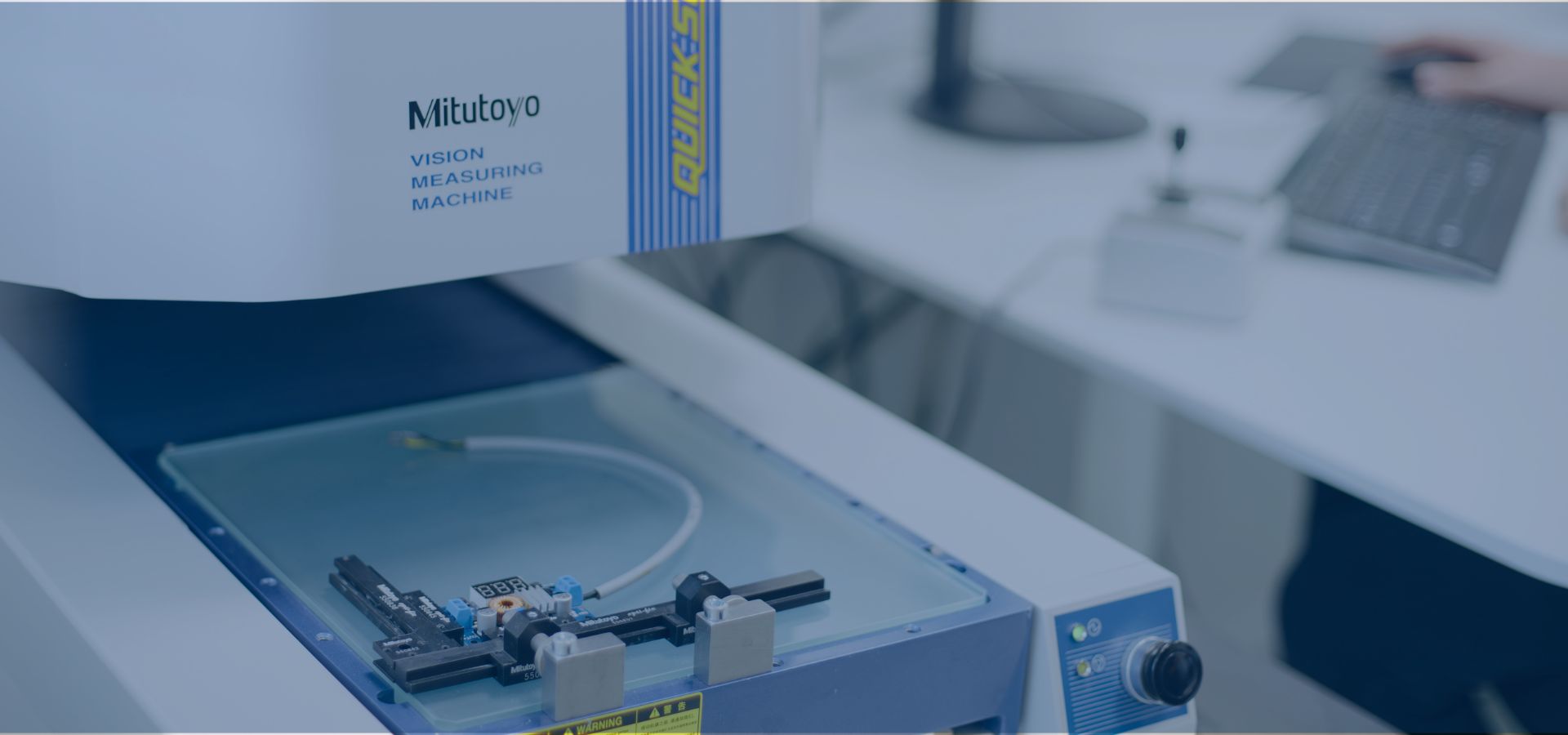
The metric properties are the core of a test for initial sampling. All dimensions and weights are checked. For this purpose, the products are checked for dimensional accuracy manually, by tactile or optical measurement.
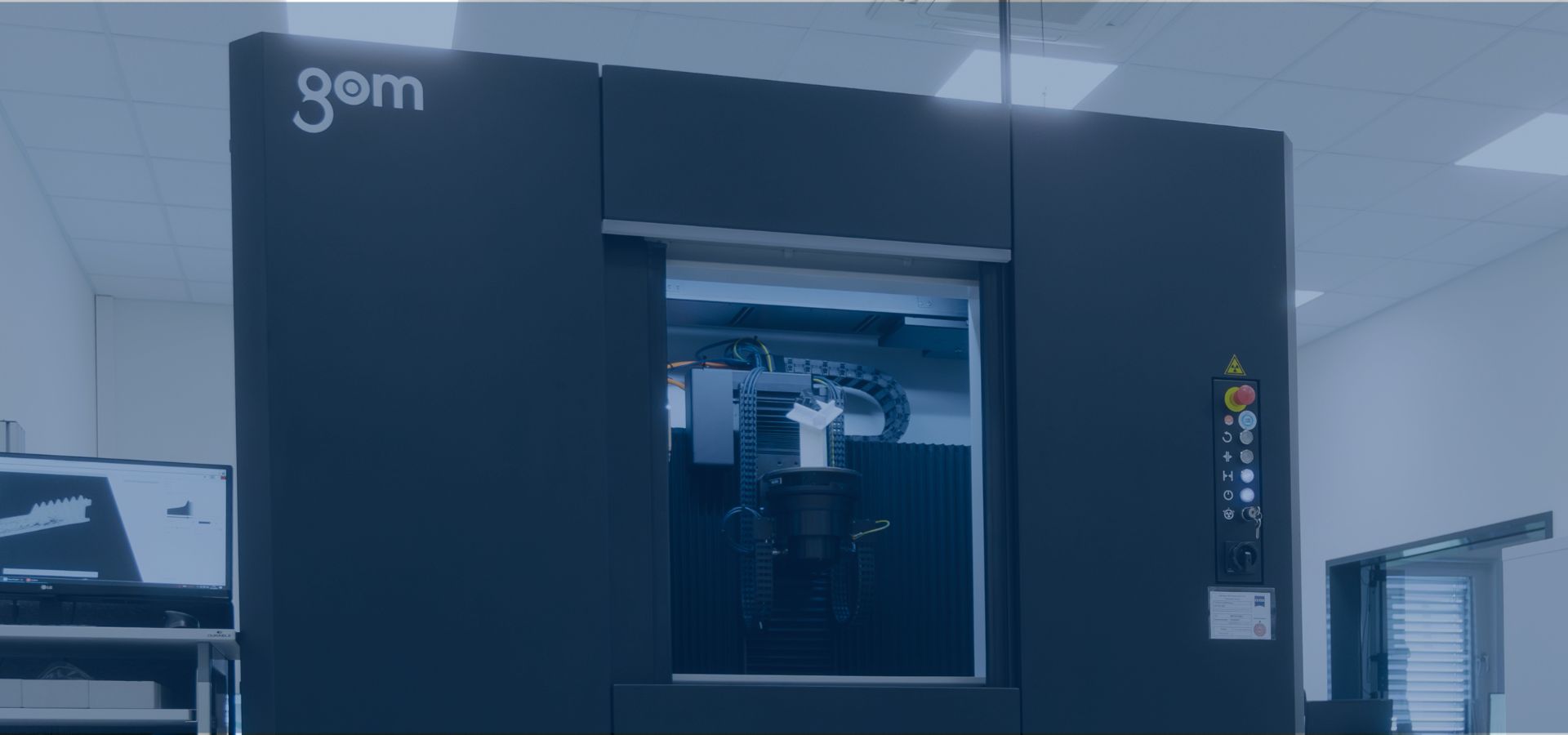
The technical properties test the load-bearing capacity of a product. This can be carried out using destructive tests such as tensile, fracture and bending tests. X-ray and ultrasound tests are used for non-destructive testing.
Technical testing also includes the material composition of the starting material. This is done with the help of a spectrometer.
However, the scope of the tests must always be tailored to the respective product. This is agreed in advance with the manufacturer and the testing service provider.
Basics for the initial sample test report
The initial sample test report is part of the quality control of a production. As a result, the general standards and specifications that apply to the respective industries apply to the creation of the initial sample test report.
General requirements for valid quality assurance can be found in ISO 9001, for example.
Reasons for an initial sample inspection report
Reasons for the creation of an initial sample inspection report can be
New development of a product Correction of a production error Adjustments in the metric-technical specifications Change in the production conditions (new machine, new tools, etc.) Change in the environmental conditions (relocation of a production line to another company)
Repetition of the initial sampling
The ideal situation is when the initial sampling is repeated until the production process has proven its suitability. Each adjustment interval requires a complete new initial sample test report when test production is restarted.
This must be well documented in order to be able to track progress in improving dimensional accuracy. The initial sample test report can therefore also be consulted for legal questions.