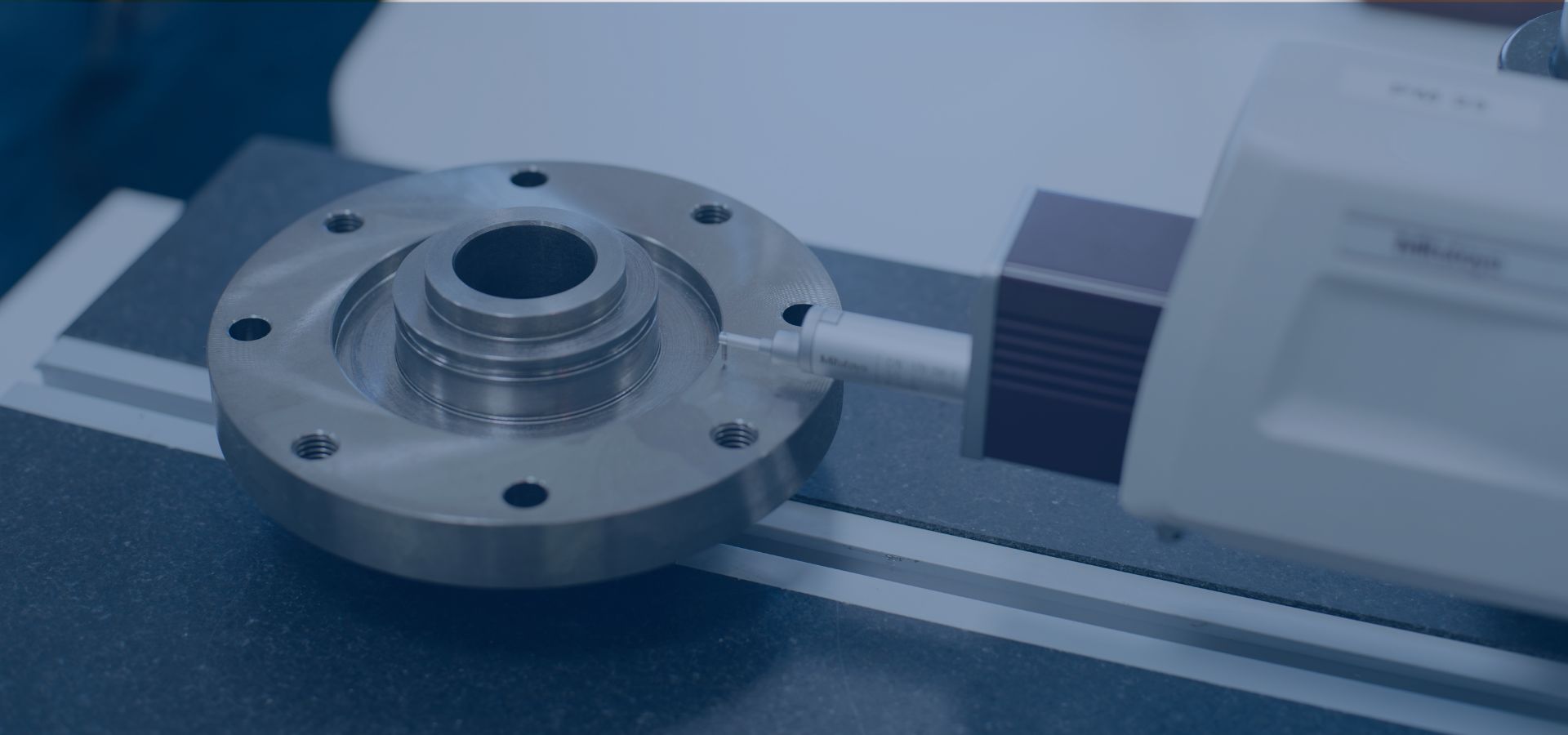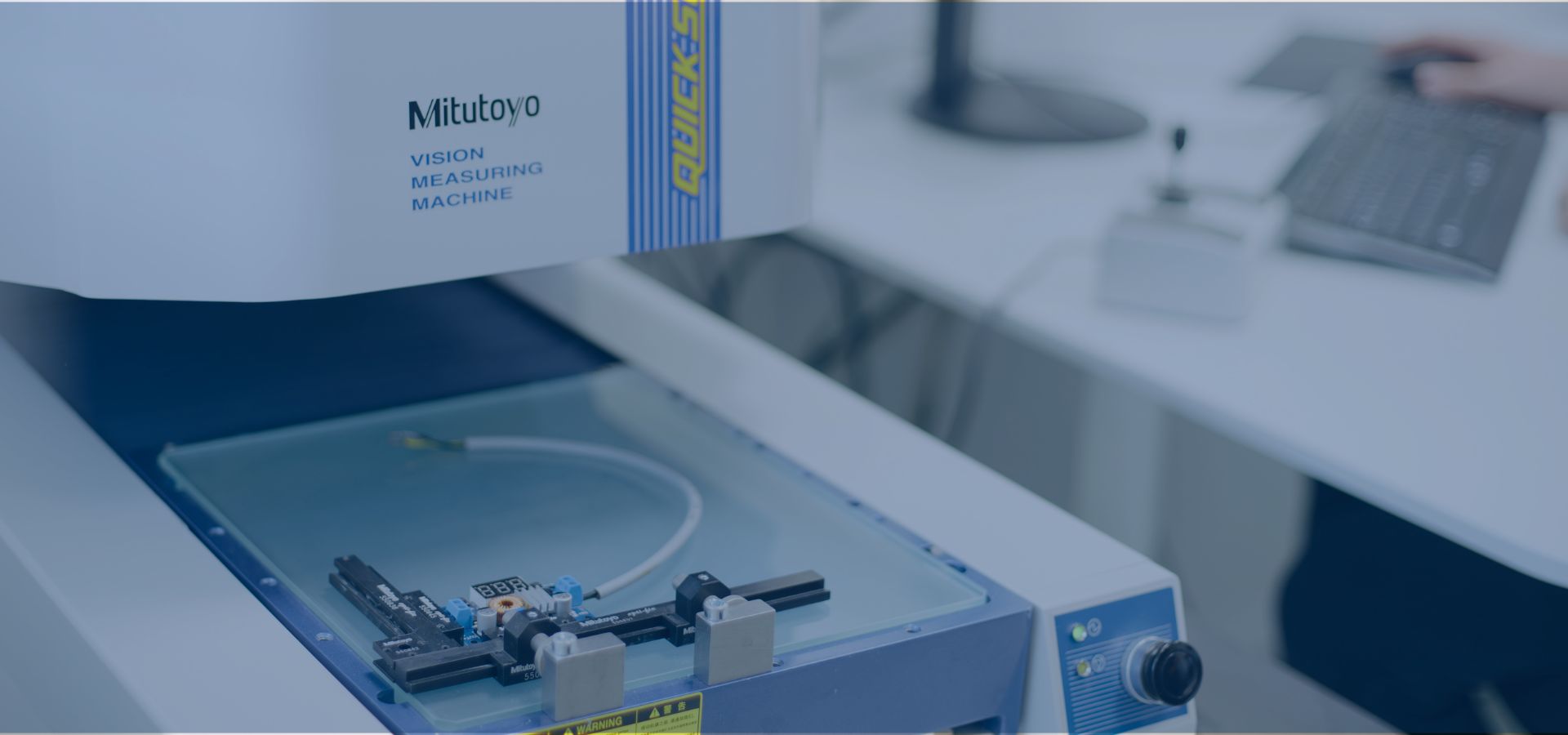


From a mathematical point of view, concentricity is a property of rotationally symmetrical elements whose axes of symmetry coincide.
Manufacturing technology sees it the other way around. For them, concentricity is a positional deviation that is characterized by an undesirable distance between the axes.
Another word for this relationship is coaxiality. Concentricity requirements mainly occur with stepped or grooved shafts and bores.
What does concentricity mean in production metrology?
Concentricity belongs to the position tolerances and there to the group of location tolerances that define the ideal location of an element in relation to specified reference elements.
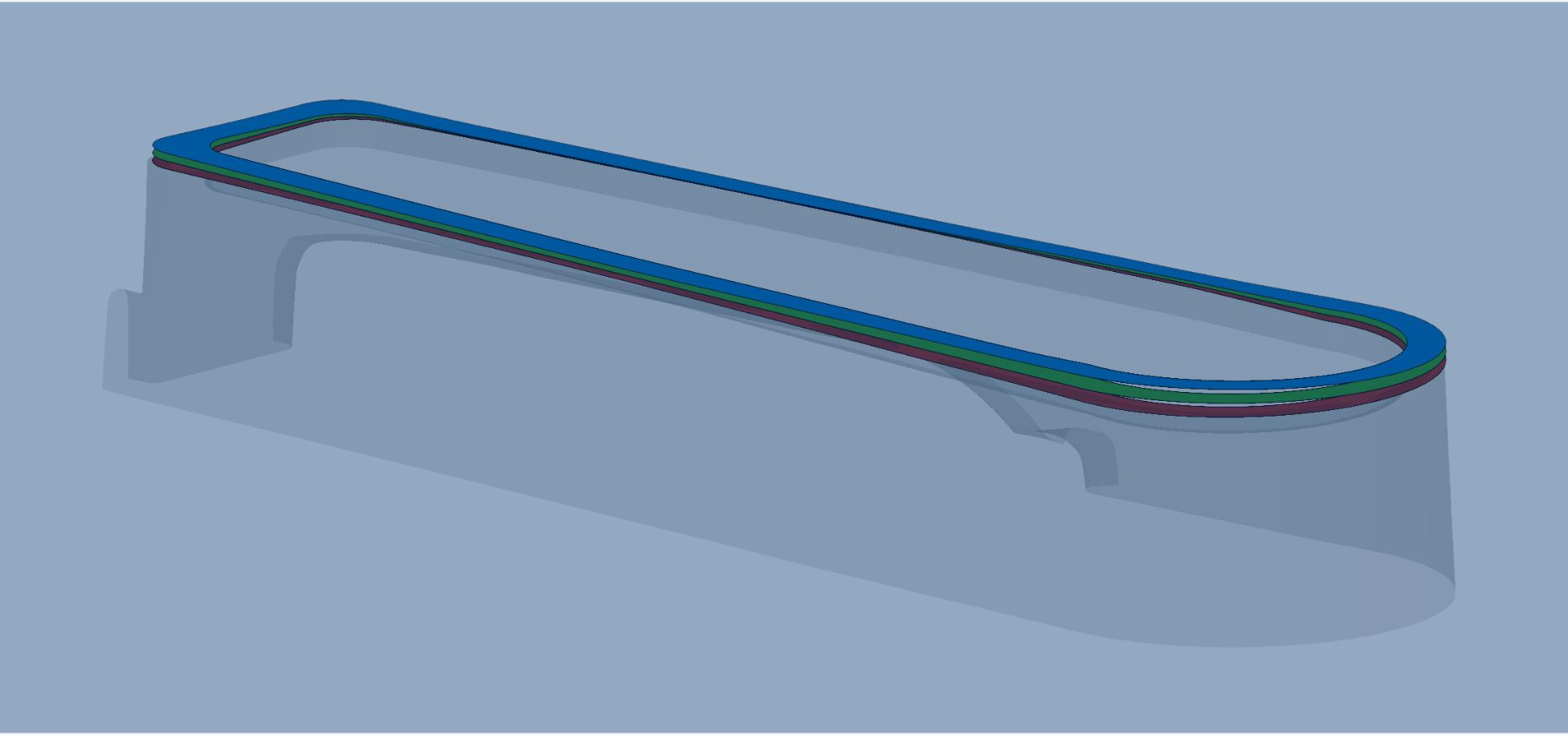
Specifically, a concentricity tolerance describes a cylinder with a specified diameter that is placed around the axis of rotation of a shaft or bore.
Its reference element is therefore always the axis of a rotationally symmetrical element. The tolerance of coaxiality is therefore a special case of a location tolerance of the type position, which can also have other reference elements, for example plane surfaces.
The relationship of concentricity to other tolerances
The concentricity tolerance is a component of the concentricity tolerance and itself includes the deviations of the toleranced element, or its axis of rotation, from straightness and parallelism relative to the reference axis.
A lack of tolerance specifications for concentricity or an explicit specification of general tolerances for shape and position, together with the third type of location tolerance, symmetry, is partly responsible for the fact that around four-fifths of technical drawings must be regarded as incomplete in practice, because properties essential for the function do not emerge from the dimensional tolerances alone.
How are tolerances for concentricity specified?
As they can only tolerate concentricity for rotationally symmetrical parts and in relation to the axes of rotationally symmetrical elements, the tolerance specification must always be connected to the corresponding diameter arrow.
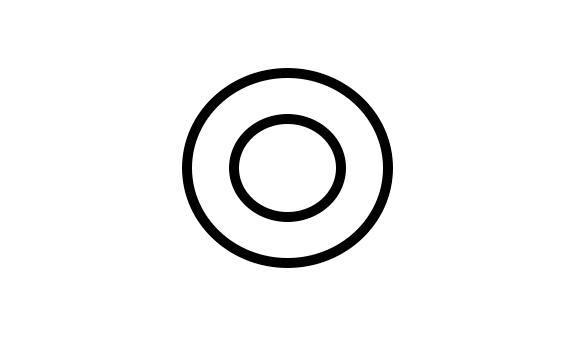
The tolerance symbol for concentricity consists of two concentric circles and the tolerance value is marked with a diameter symbol, as is also possible with the related position tolerance if you want to specify the position within a cylinder.
Another option is the specification as a general tolerance in accordance with DIN ISO 2768 by specifying general position tolerances for your drawing by adding a lowercase letter to the designation of the general tolerance standard used.
Testing concentricity
Compliance with the specified limit values for concentricity is not possible via direct measurement.
Suitable testing devices generally determine the coaxiality via a concentricity measurement, which also determines the relevant shape tolerances at the same time as the position tolerances. Instead of explicit tolerance specifications for concentricity, you can therefore also tolerate concentricity.
This is particularly recommended if you do not have any measuring tools for determining the coaxiality deviation. Deviations can be easily identified in a visually designed measurement report so that optimizations can be made quickly.
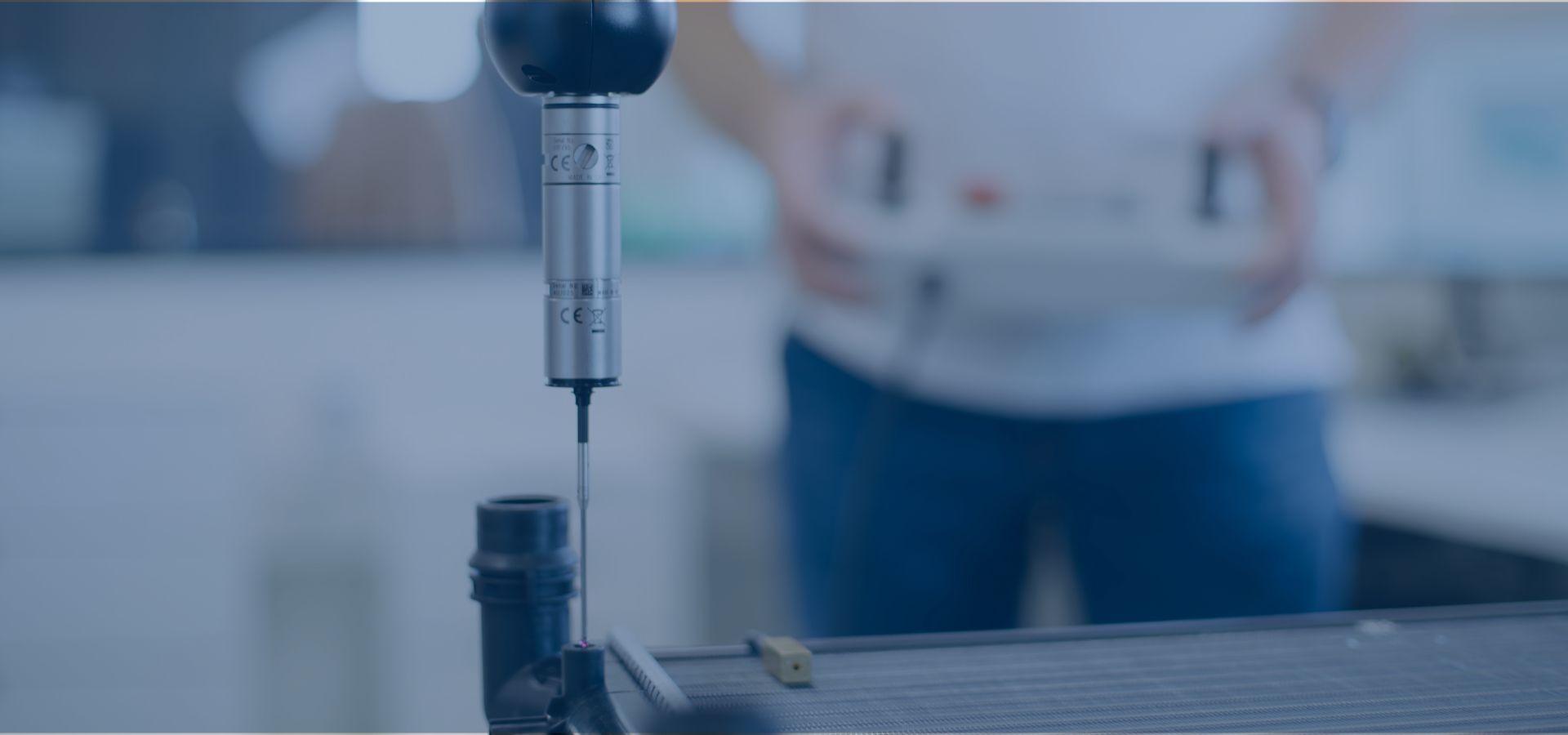
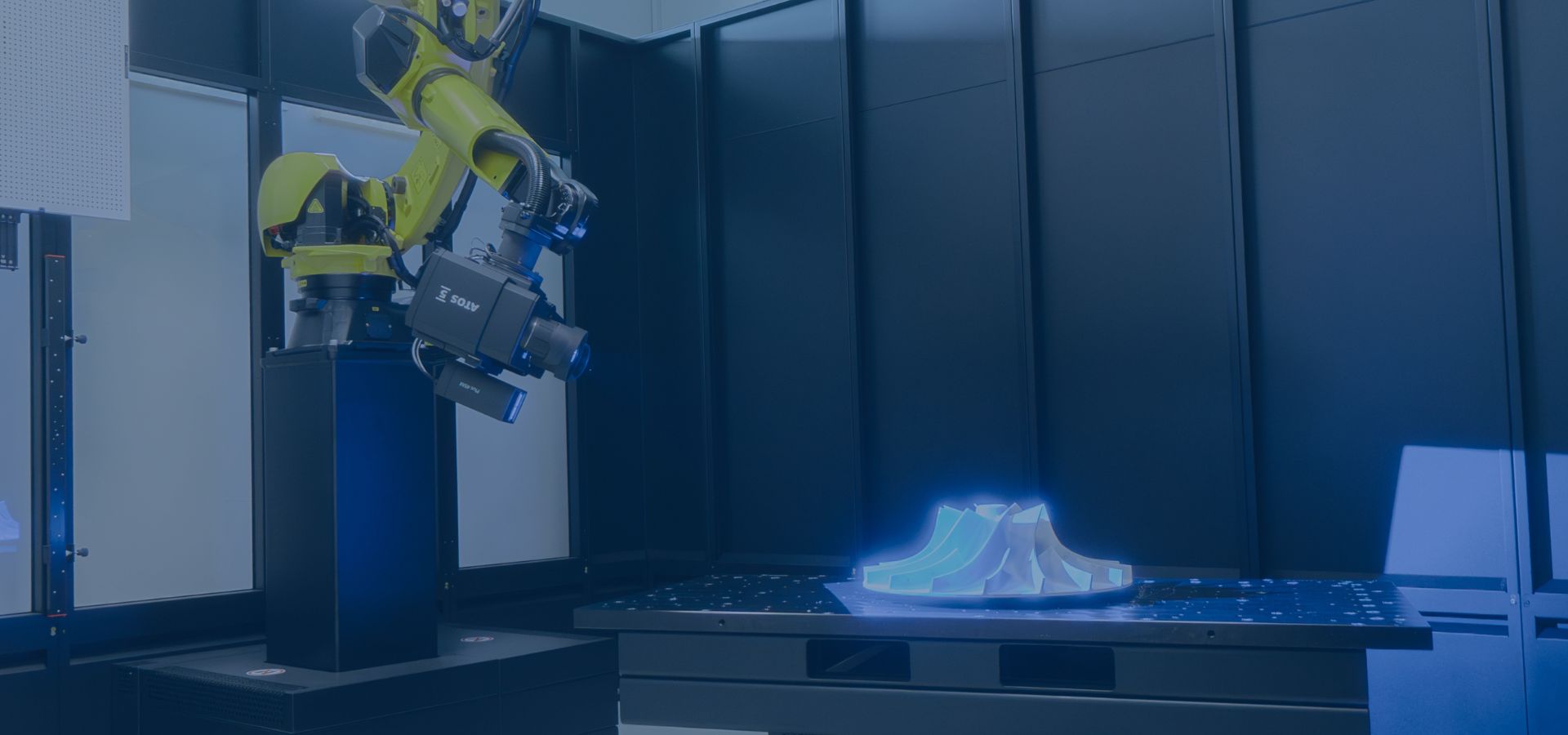
3D measurement technology offers suitable measuring systems. You can check concentricity with optical 3D measurement technology without contact and therefore also inline during the production process. If you also want a complete view of the component in order to be able to check internal structures, we recommend industrial computed tomography.