

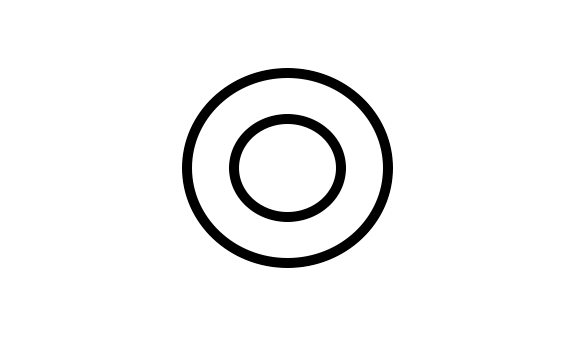
Definition of coaxiality
Coaxiality is one of the positional tolerances. It defines how different bodies
behave in relation to each other along a certain line. Coaxiality therefore differs from shape tolerances. These always only refer to a specific shape.
If several shapes, for example cylinders along a shaft, are set in relation to each other, this is referred to as the position tolerance along the axis, the coaxiality.
Another position tolerance would be parallelism, for example, which examines the behavior of two components arranged next to each other.
Shafts with multiple cylinders
Technical drive shafts transmit forces along an axis. Depending on how the shafts are shaped, the power transmission can be applied in different ways. Common profile shapes are worm and gear drives, cams, offset cranks or journals and grooves.
With all contours along an axis that can be shaped at will, it is essential for the stability of the component that maximum coaxiality is always maintained.
Even if the shaft has been weakened by grooves or widened by journals, the axis of rotation of each segment must lie as precisely as possible on the overall axis of rotation of the component.
The higher the centrifugal masses and the speed of rotation, the more important the coaxiality along the axis of rotation.
Deviations always result in early destruction of the bearings or breakage of the shaft.
Areas of application for measuring coaxiality
In engine construction in particular, there are numerous shafts that have an irregular contour. This can hardly be realized otherwise due to the attachment of various components or the multifunctional tasks of the component.
A turbocharger, for example, consists of a continuous shaft that must have mounting points on both sides for the drive and delivery wheels.
In view of the enormously high rotational speed that prevails in a turbocharger, high-precision coaxiality is extremely important.
Another component for which the coaxiality must be 100% correct is the camshaft. It also consists of a monolithic turned part, but this is extended by elliptically shaped bulges.
The pivot point of these cylinders with an elliptical cross-section, the so-called cams, must always lie exactly on the imaginary center line of the axis of rotation, otherwise the component is likely to fail soon.
Producing coaxiality on components
In order to be able to produce a coaxiality with minimum tolerance, there is actually only one manufacturing process that can be considered: Rotary turning on a classic lathe cannot only machine purely radial or stepped radial products.
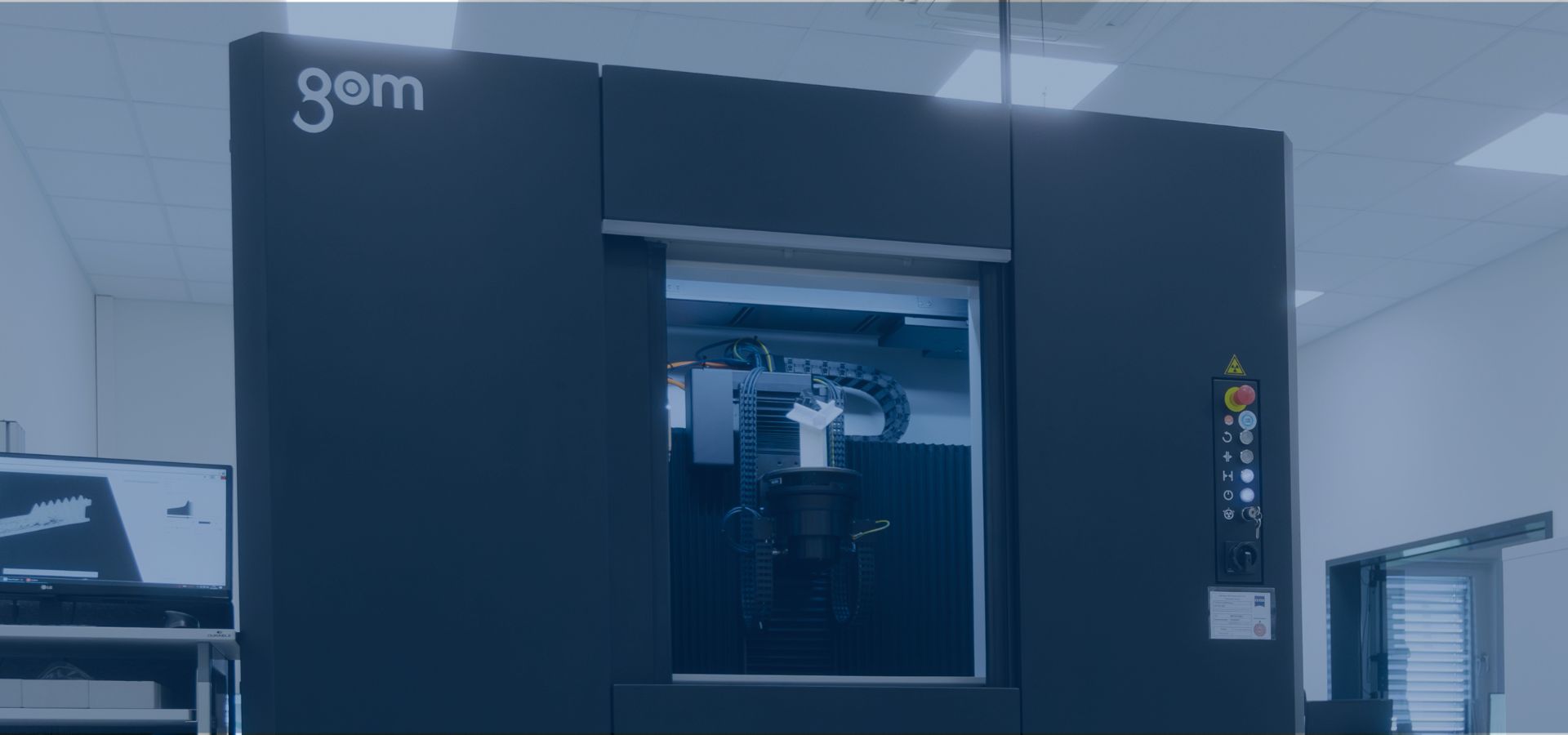
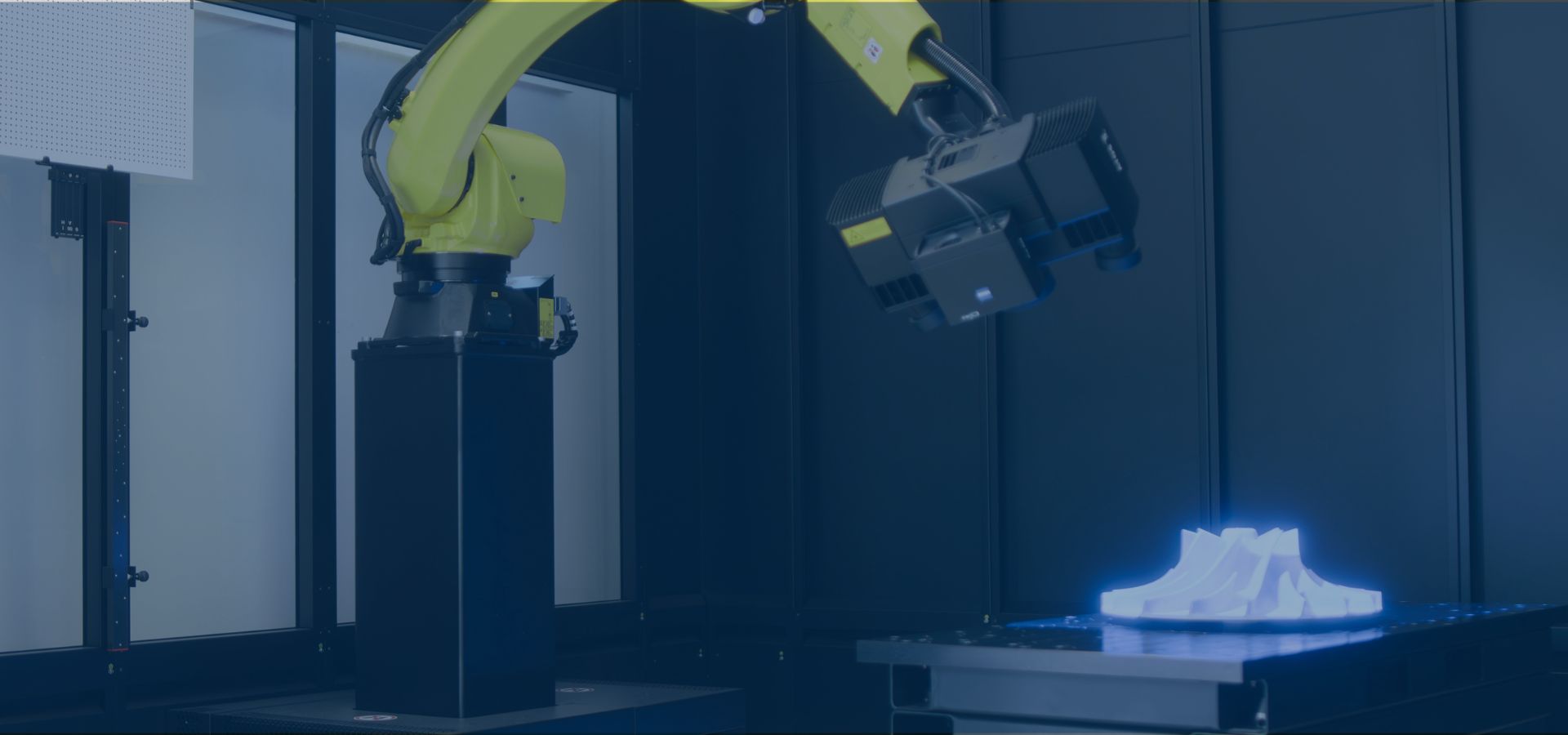
With the necessary skill and the right equipment, even irregularly shaped shafts, such as the camshafts mentioned above, can be produced on lathes while maintaining coaxiality. However, the manufactured shafts should be checked regularly to ensure that the dimensions are correct. This can be done using optical 3D measurements, for example. Industrial computer tomography is suitable for additional control of the internal view.
However, these particularly irregularly shaped shafts are not usually made from solid material, but from die-cast and post-rolled pre-product.
Gear wheels are a particularly critical challenge when it comes to maintaining coaxiality. These are milled at right angles to the axis. Even the smallest deviations in the milling depth can severely impair the coaxiality and therefore the smooth running of the shaft.
Coaxiality can also become important in negative forms. Blind and through holes, for example, are often drilled in steps. The narrower hole serves as a location point for a pin or a stub axle.
Lathes can also be used to produce a stepped blind or through hole. This can also be achieved with a bench or pillar drill, provided it is stable and reliably fixed.
A high-quality milling machine is also suitable for this purpose. Nevertheless, it is essential to check the coaxiality for these applications.
A high-precision machined thru axle is of little use if the coaxiality of the blind hole intended for it is imprecise. It would undoubtedly jam and cause abrasion damage during rotation.
Check coaxiality
Various approaches are available to check the congruence of the longitudinal axes of several components.
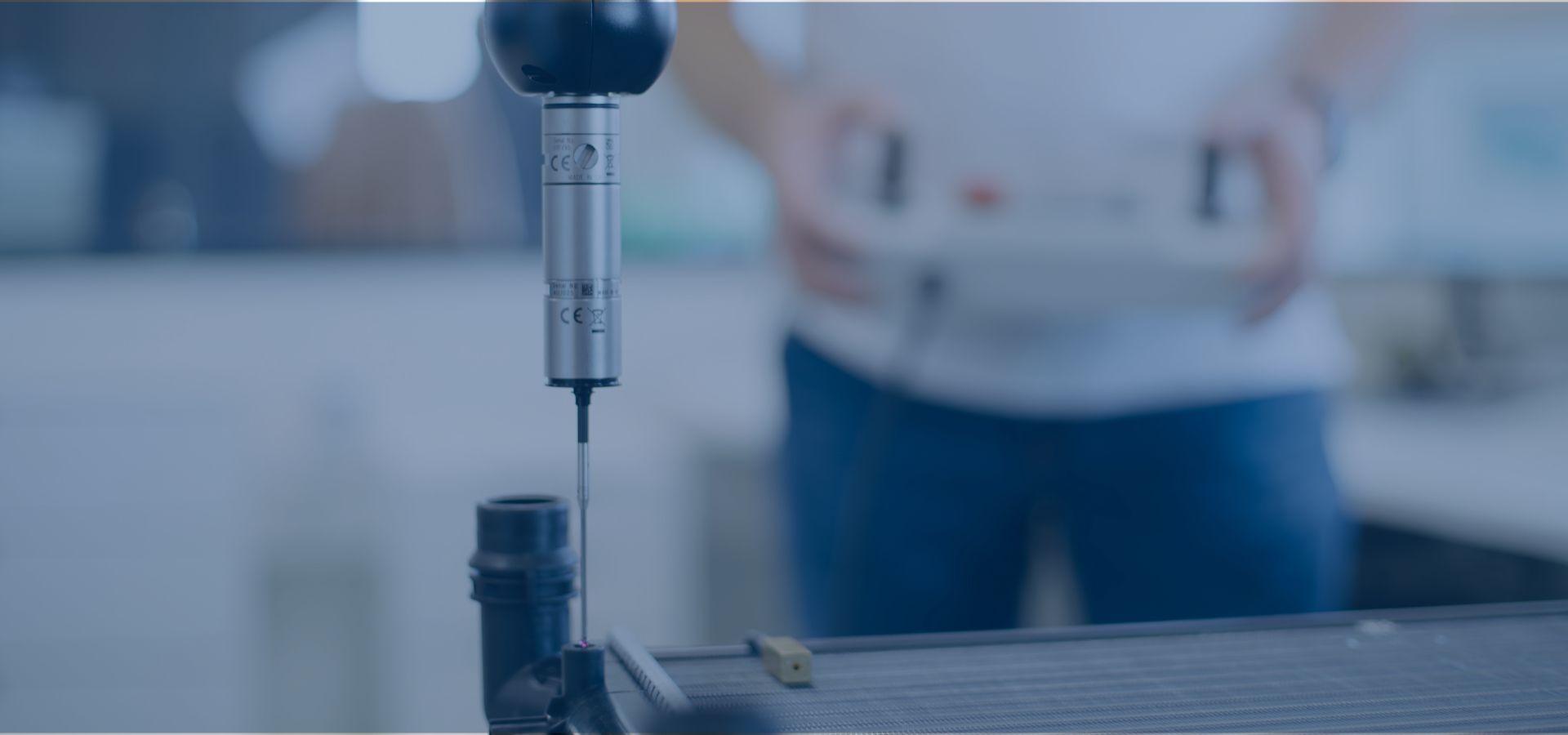
This test task is particularly suitable for manual-tactile testing using a template. The measurement result is only digital and without an actual value. However, it can be implemented very quickly and can reliably indicate the need for precise testing and, if necessary, reworking.
However, these templates must be made individually for each product to be measured. They are therefore particularly suitable for series products and for testing by the operator on the machine.
Manual test equipment for determining coaxiality is manufactured by SPREITZER, AUKOM, MAHR and BENZING. They are called“concentricity testers“, but can also be used to measure coaxiality.
MAHR also offers digital-tactile measuring devices. These make it particularly easy to measure the coaxiality of series products. Overall, however, the range of electronically supported measuring equipment for checking the congruence of longitudinal axes is very limited.
One reason for this is that the CNC lathes available today already have such a high production quality that they can manufacture the products very reliably to the desired tolerance.
Thanks to the imaging process, the laser scanning inspection machines are also ideal for checking coaxiality.
The companies VICISVISION and TESA SCAN have a whole range of very interesting machines that can process a whole series of inspection approaches with a single scanning process.