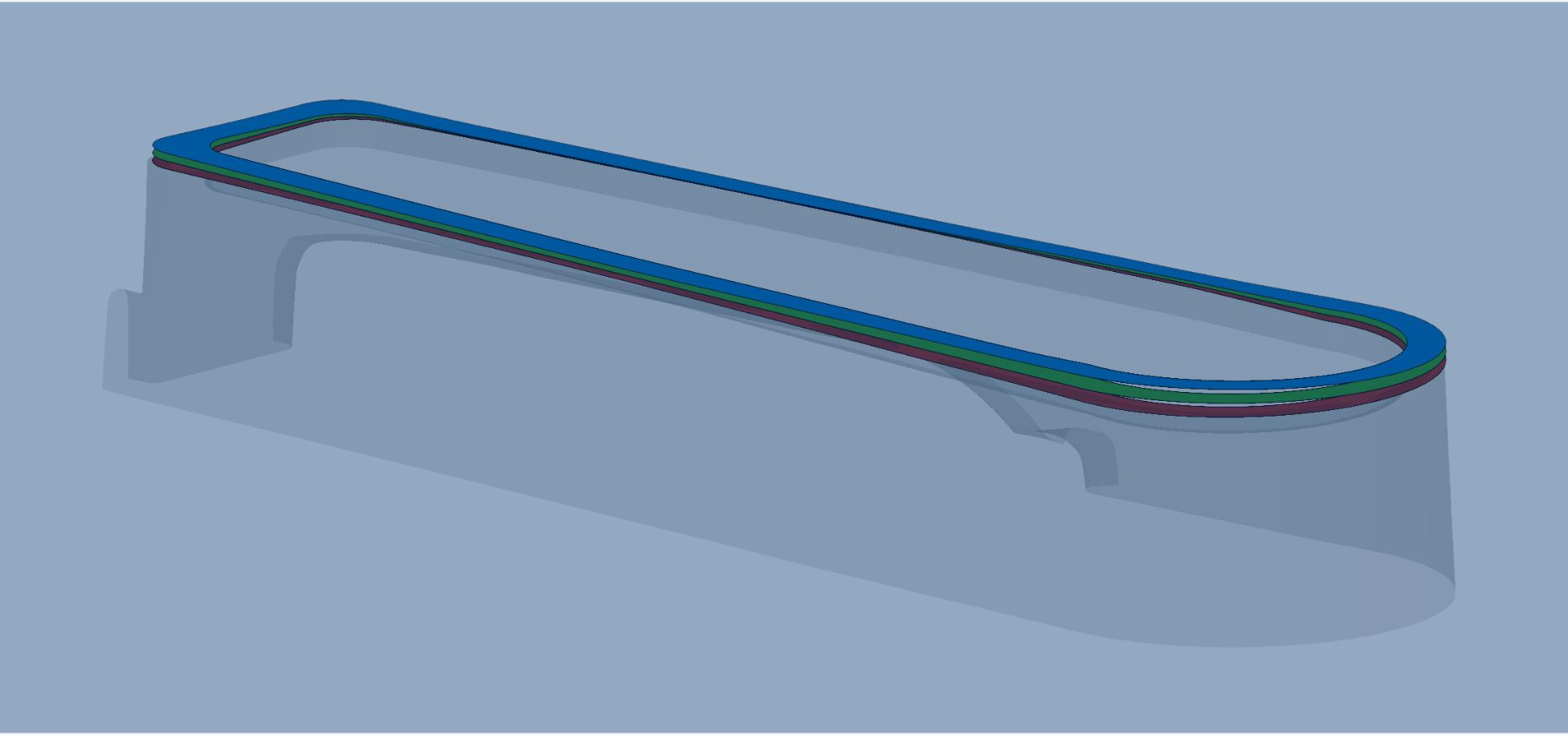



Parallelism in geometry means that two parallel straight lines do not intersect. The angle between the two straight lines is exactly 0° and does not change even at maximum extension.
Parallelism plays a major role in production technology. Components aligned parallel to each other are guaranteed to have the same properties over their entire length.
This can be important for the following technical issues:
Statics, seat, volume capacity, interaction with other modules and much more.
Creation of parallelism
In many manufacturing processes, parallel contours are created automatically on certain straight lines. In the machining sector, these are all through-boring and countersinking processes.
When countersinking into the workpiece, the rotating drill head creates parallel contours along its maximum diameter. Blind holes and chamfers, on the other hand, can be drilled conically.
All continuous casting techniques and extrusion processes that produce a parallel strand are primary forming processes. Although there is no rotating balancing process here, the extrusion through the relatively narrow groove or die makes the strand itself sufficiently parallel again.
However, this also depends on the quality of the production process: The strand, which is still soft, must be cooled as quickly as possible and not be influenced by transverse forces in order to retain its parallelism. For this reason, processes in which gravity can be used are ideal.
Parallel contours are also produced automatically in some forming processes: All linear rolling processes first form the block into a parallel strand.
In pipe production, the casting and swaging processes have proven to be particularly effective in producing a consistent parallel contour for smaller formats. In the case of large welded pipes, it is the spiral seam process that can automatically produce an ideal parallel shape.
The production of parallel contours is a particular challenge in all processes, where no natural processes can be used to produce them.
This includes milling in particular. The parallelism of individual milling sections to each other is essentially dependent on the skill of the user and the quality and condition of the milling machine.
Even the smallest deviations in the bearings or guides can no longer guarantee the parallelism of two straight lines. As these free-forming processes cannot guarantee absolutely parallel contours under any circumstances, valid tolerances are required in the planning stage, at the latest when designing the workpieces manufactured in this way.
Measuring parallel contours
Where necessary, parallelism must be controlled directly or indirectly. For simple applications, for example in pipe production, simple procedures are often sufficient: If the diameters at both ends of the pipe are sufficiently equal, it can be assumed that the pipe will run parallel at all times.
For free-formed parts, however, the parallel contours must be checked by other means. Here, manual measuring equipment such as micrometers, calipers or specially produced pattern templates can still provide sufficient information about the parallelism of a workpiece.
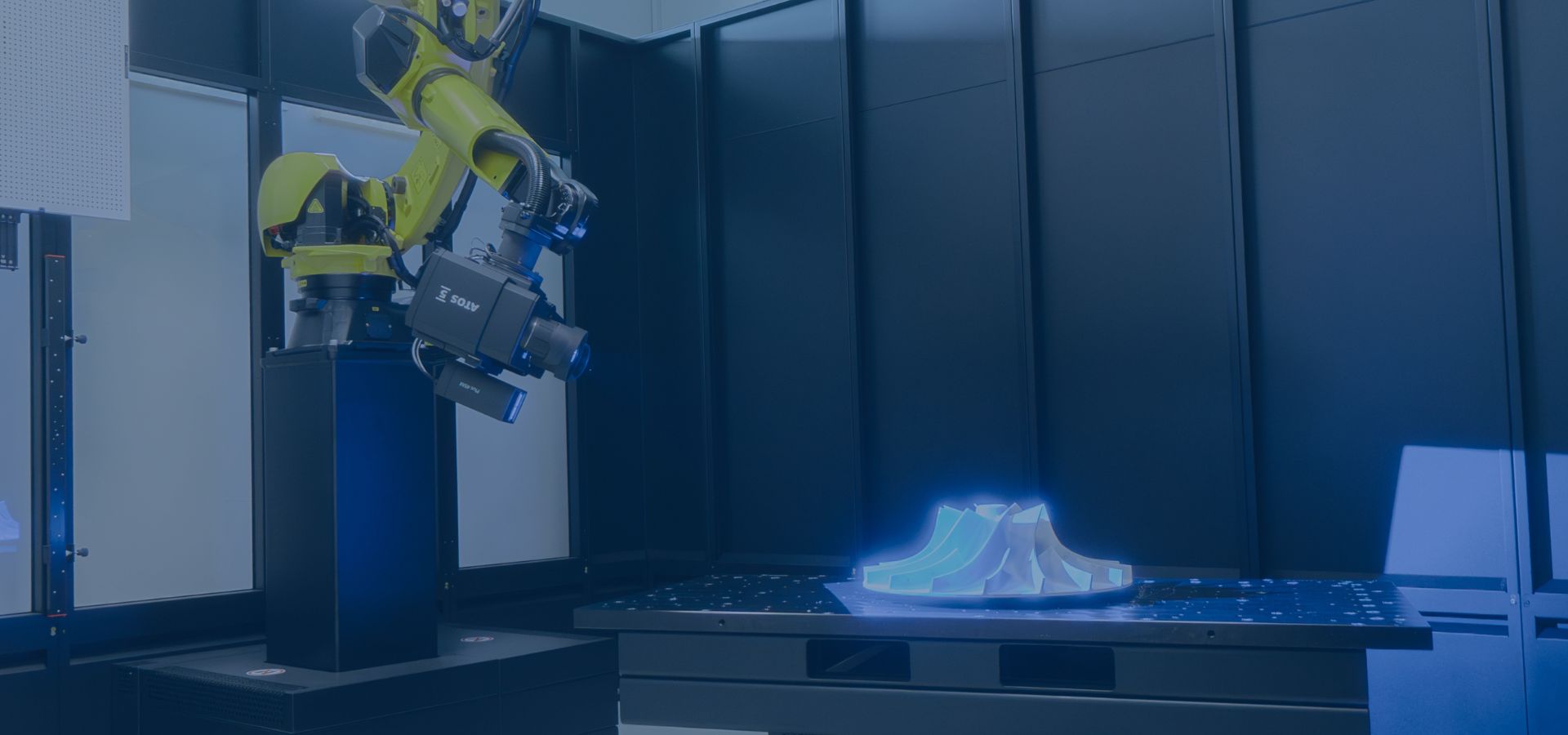
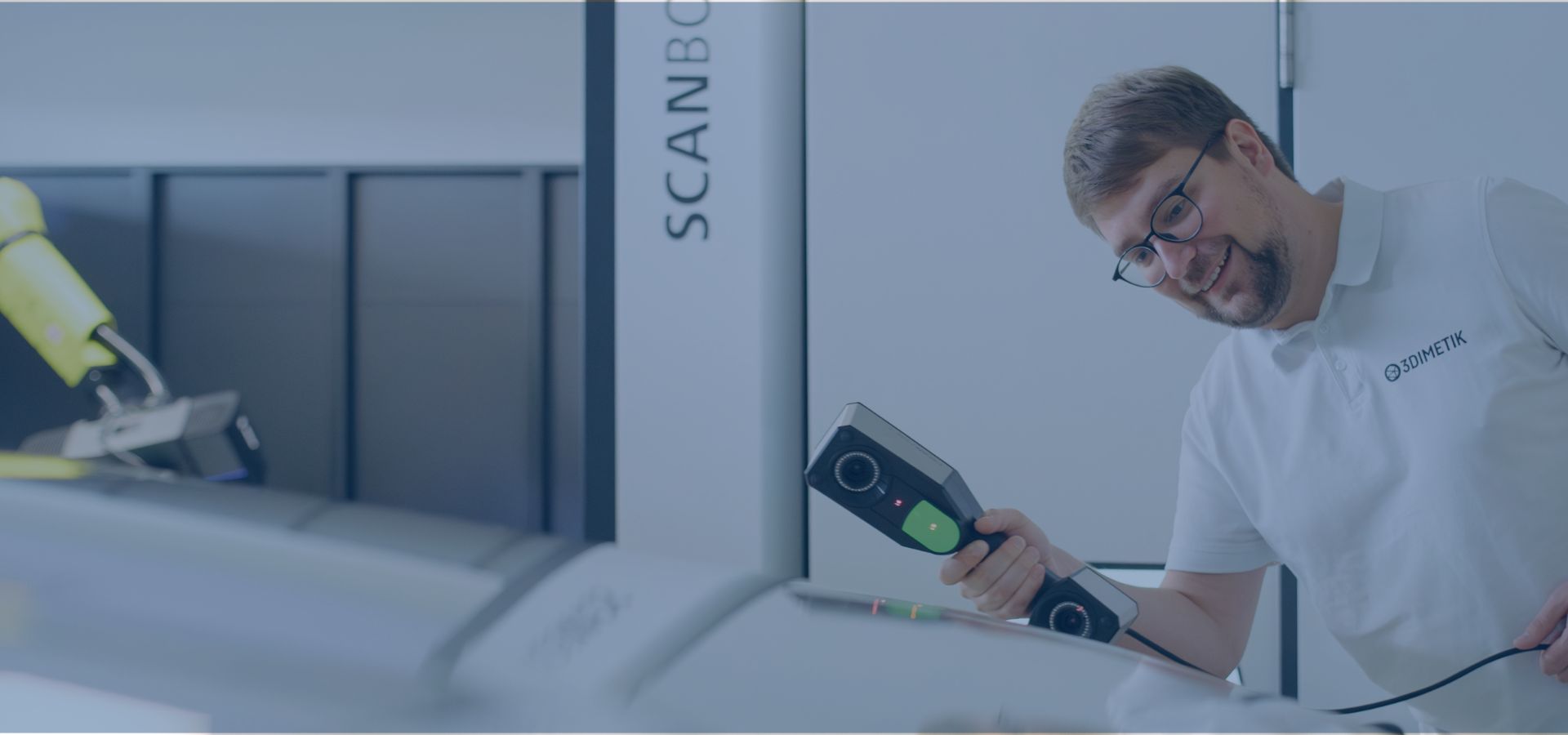
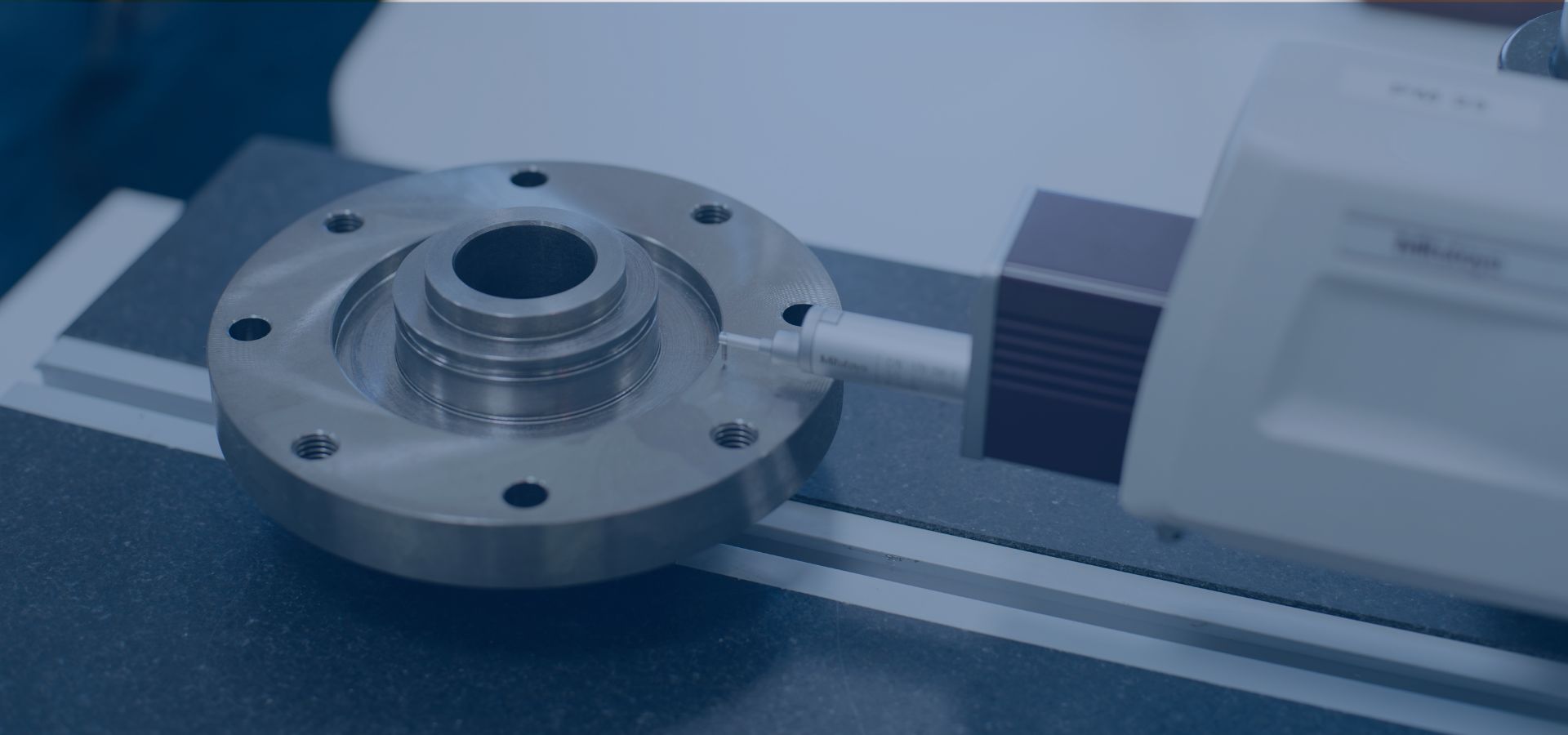
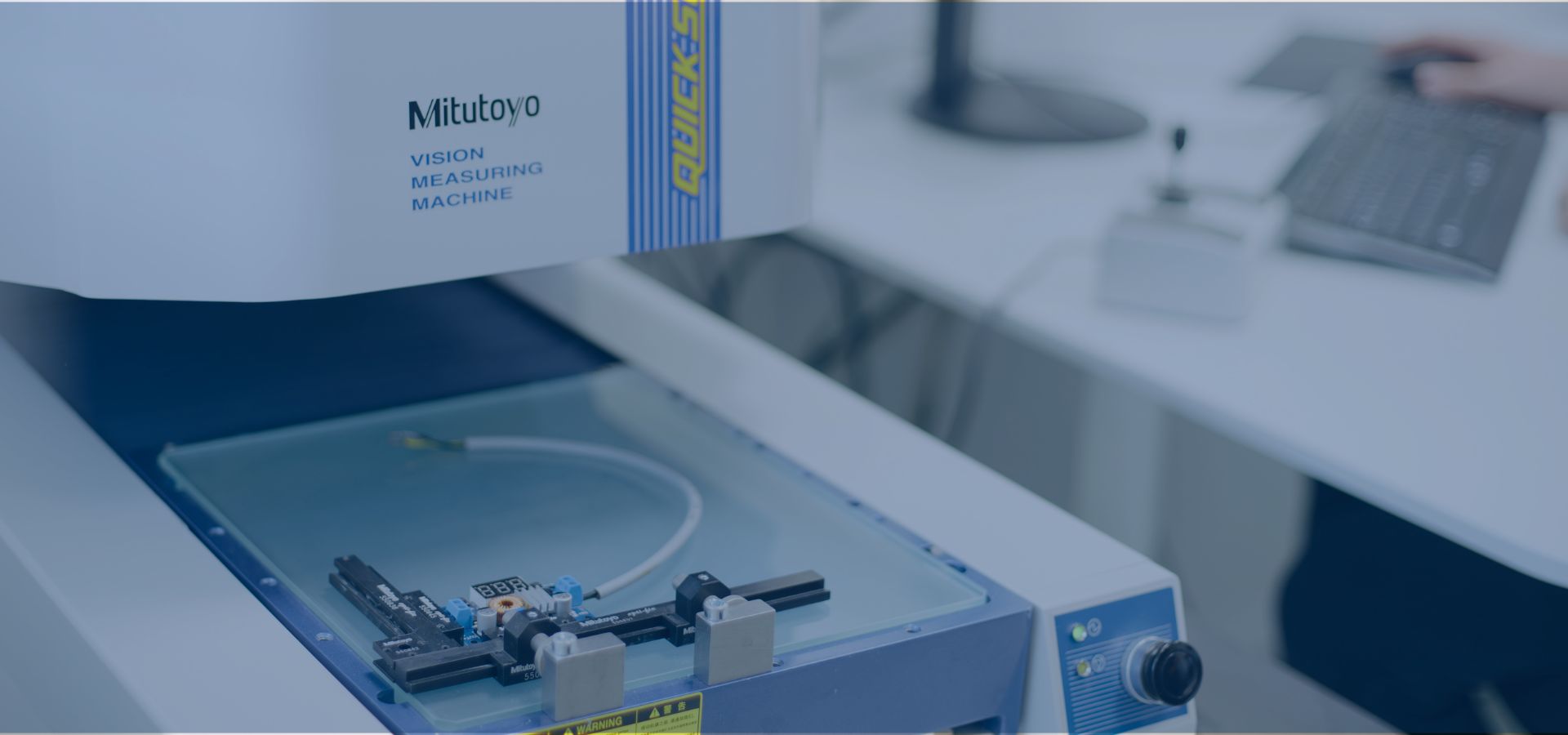
However, modern electronic methods for measuring parallelism are more reliable, faster and more efficient. Depending on the required tolerance, tactile or optical methods are used.
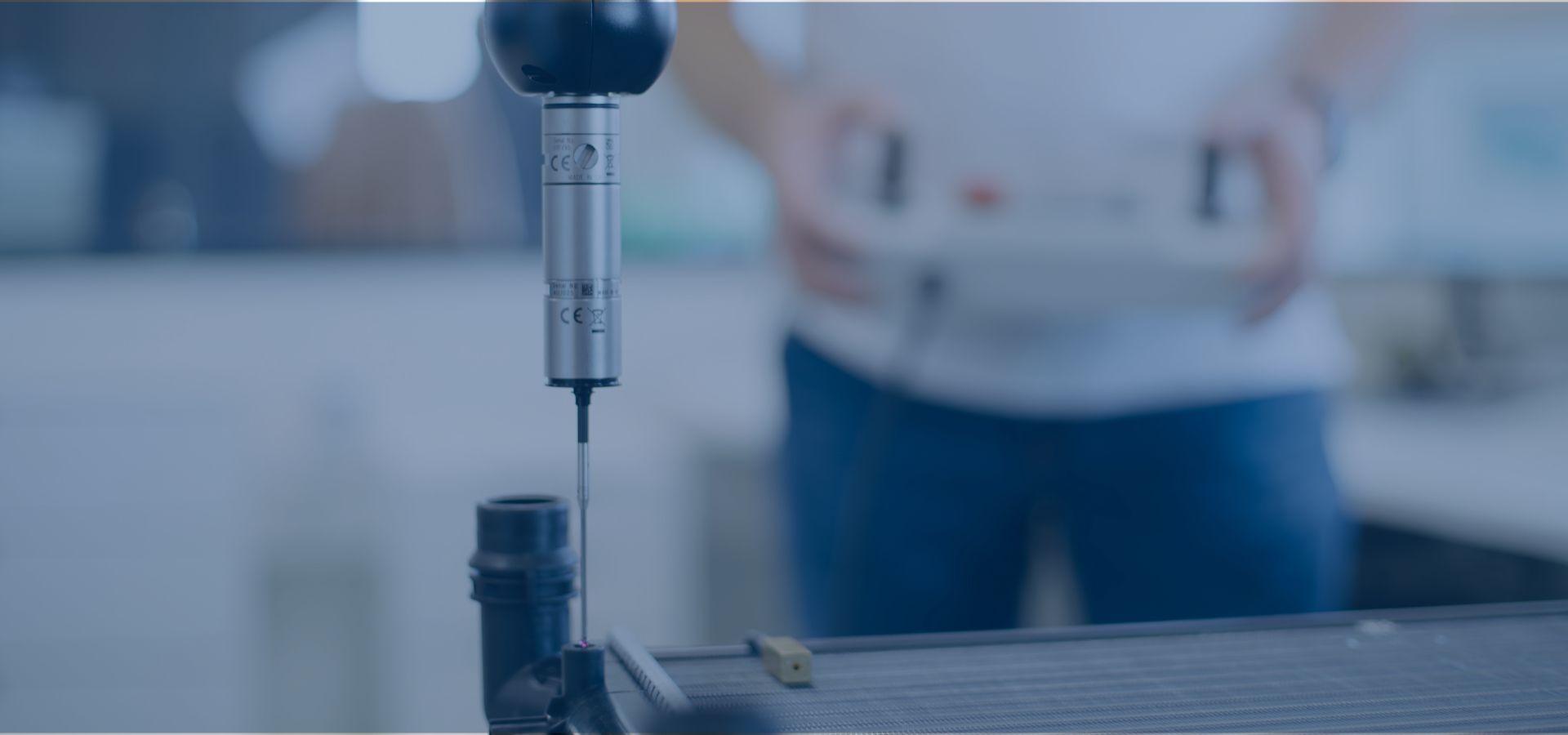
In the tactile methods, a 3D coordinate measuring system with a highly sensitive measuring head measures all previously set points on a construction and evaluates the data in relation to all required tolerances.
In optical processes, technical photography and laser technology can deliver the desired results. Laser processes in particular are used today for continuous quality control.