


Although measuring cylindricity is technically simple, it is very important in practice. Tactile and optical methods have been established for this task, which can cover various tolerance ranges.
Maximum, manageable volume with minimum surface area
The sphere is the perfect shape. It encloses the maximum volume with the minimum surface area. Unfortunately, the sphere is technically difficult to produce and also quite unwieldy. Spherical containers cannot be stacked without aids and generate large losses during transportation due to empty spaces.
The cylinder is therefore the second best form in engineering. A cylinder is a body with a round base and straight, vertical sides. It is particularly easy to produce. Shaped as a product, the cylinder is easy to stack and produces considerably less loss during packing than the sphere.
In the plane, the cylinder is almost as space-efficient as a cuboid. For this reason, containers for liquid or pasty contents (e.g. paints, adhesives or food) are always shaped as cylinders.
They require the least amount of packaging material for a defined content. However, the cylinder’s greatest strength lies in the interaction between the hollow mold and the piston.
Ideal sliding seat
Internal combustion engines, linear hydraulic motors, pneumatic cylinders, lifting rods: They all consist of cylindrically shaped pistons that retract into matching cylindrical hollow molds.
Provided that the cylindricity is perfectly matched, these constructions provide the same reliable sliding fit over thousands of work steps. Any angular shape inevitably results in uneven edge loading. Uneven loading also means uneven expansion under the influence of heat.
This in turn almost automatically leads to unwanted tilting and jamming. Piston-cylinder systems with a perfectly round cross-section always have absolutely uniform thermal expansion. As long as the system runs within the set parameters, it is protected from failure thanks to this ideal geometry.
Efficient production
Cylinders are the easiest of all products to manufacture. As a positive form, turning or lathing are the usual methods for producing an even cylinder from an irregularly shaped solid.
To do this, the primary material is simply clamped in a clamping device, set in rotation and removed with a suitable tool. The cylindricity adjusts itself during this work.
Producing a cylindrical shape is even easier when implemented as a negative mold: A negative mold with perfect cylindricity can be produced in any solid material using drilling or rotary drilling/milling processes.
Metalworking has now produced a whole range of special tools that can take the precision of cylindricity to the extreme. The usual procedure for producing a hole with maximum cylindricity is as follows: First, the hole is drilled into the solid material (usually metal materials) using a drill or a drill/milling crown (from approx. 150 mm diameter).
The hole is then reamed using a reamer. This reamer is shaped according to a series of standards and thus produces a cylindrical hole with a defined tolerance.
This can be achieved even more precisely with tool correction, in which tool shapes are specifically adapted to real measured deviations.
If this is not possible or not sufficient due to the cross-section or the desired tolerance, the so-called roller burnishing tool is used. This special tool, designed for large-format bores, consists of a crown whose tips are not fitted with inserts but with carbide rollers. These are pressed against the inner walls of the cylindrical bore with high pressure and rapid rotation. The end result is a bore with maximum precision and perfect cylindricity.
Primary molding processes also benefit from the good manufacturability of negative molds with defined cylindricity. Extruded pellets, extruder matrices and even double/triple plate injection molds can be produced quickly and precisely using the aforementioned manufacturing processes. The well-known Mannesmann mandrel drawing process can also only be implemented with cylindrical products. The cylindricity is set automatically in these manufacturing processes for seamless tubes.
When it comes to joining processes, the continuous spiral seam processes are ideal for consistent cylindricity. This is very important in pipeline construction, for example. Only constant cylindricity guarantees that the individual pipes can be welded easily and efficiently.
This is very important, for example, if the inner seam is to be set with a welding robot. Deviations in the cylindricity can cause serious faults and considerable delays.
Welding, gluing or riveting a pipe with a spiral seam also enables particularly efficient production processes. Vent pipes made of galvanized thin sheet metal, for example, are manufactured using the endless process. This enables particularly cost-effective products with perfect cylindricity. The constant diameter of the cross-section is automatically ensured in the spiral process.
The alternative process for pipe production, the longitudinal seam welding process, cannot keep up with the spiral process in terms of cylindricity. In order to achieve maximum cylindricity here, complex post-processing, usually machining and turning, is necessary.
Measure cylindricity
Measuring cylindricity is very similar to measuring roundness. In fact, the testing machines used are also identical. The main difference between measuring roundness and cylindricity lies in the frequency of measurement.
A roundness measurement is only carried out selectively and randomly. However, measuring cylindricity is a continuous process that always checks the entire length of a component.
Cylindricity can be checked using tactile or optical methods. The test approach to be used depends on the cross-section and the required tolerance. Particularly small cross-sections, such as wires or cannulas, can only be reliably tested for cylindricity using optical methods.
Tactile methods are generally much cheaper. This is why high-quality products are often measured in two steps: Tactile in the coarse measurement, optical in the fine measurement.
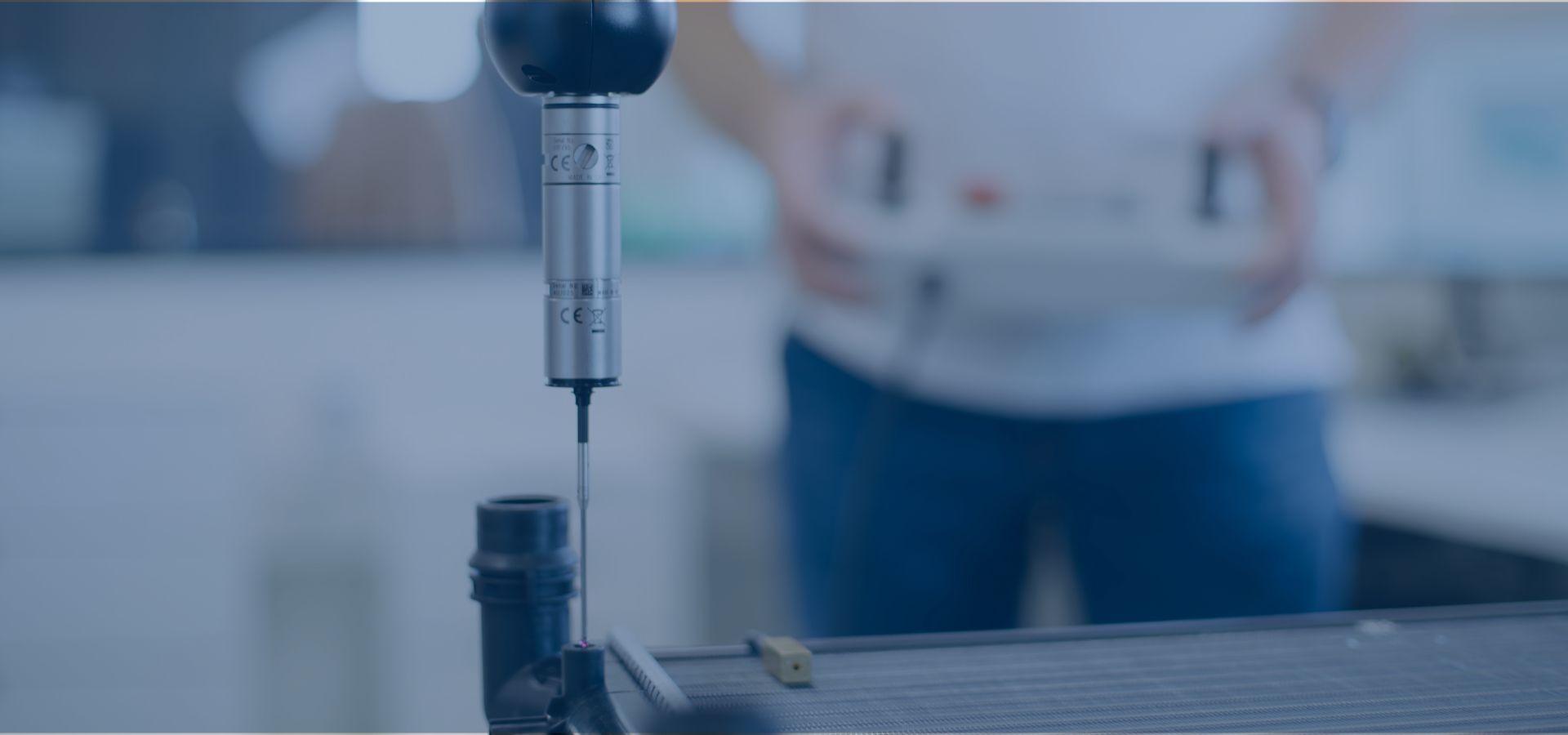
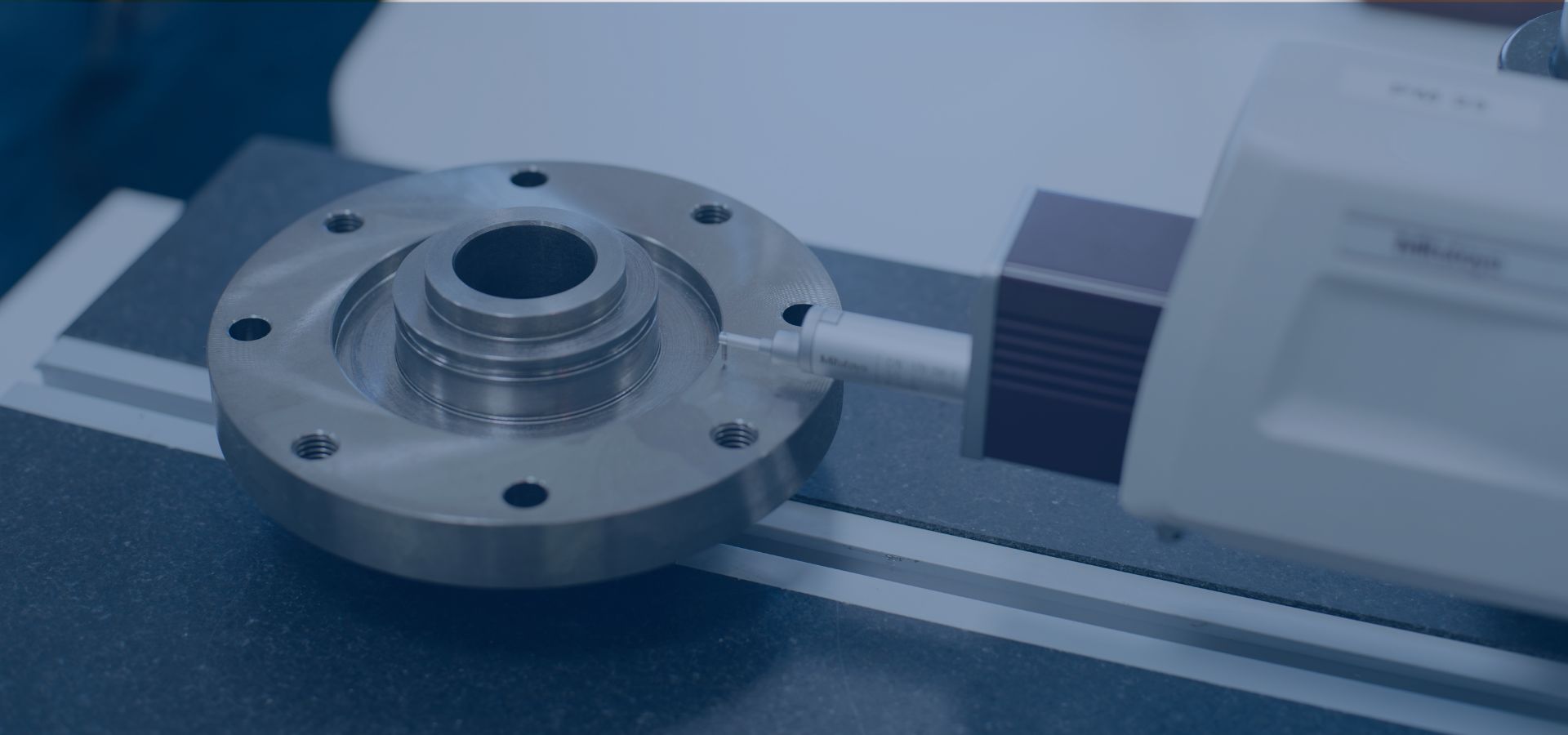
The tactile measuring methods for cylindricity are generally limited to simple templates, gauges or dial gauges. The measurement of cylindricity with templates is particularly efficient for a preliminary measurement. Whether a manufactured round cross-section is actually within the desired tolerance can be determined using a simple, manual insertion process.
However, the significance of this measurement of cylindricity is digital: more than “fits/not fits” cannot be determined with templates. For a more precise measurement of cylindricity, it is necessary to use a dial gauge. No workshop should be without this inexpensive, manual test equipment. However, they must be calibrated regularly.
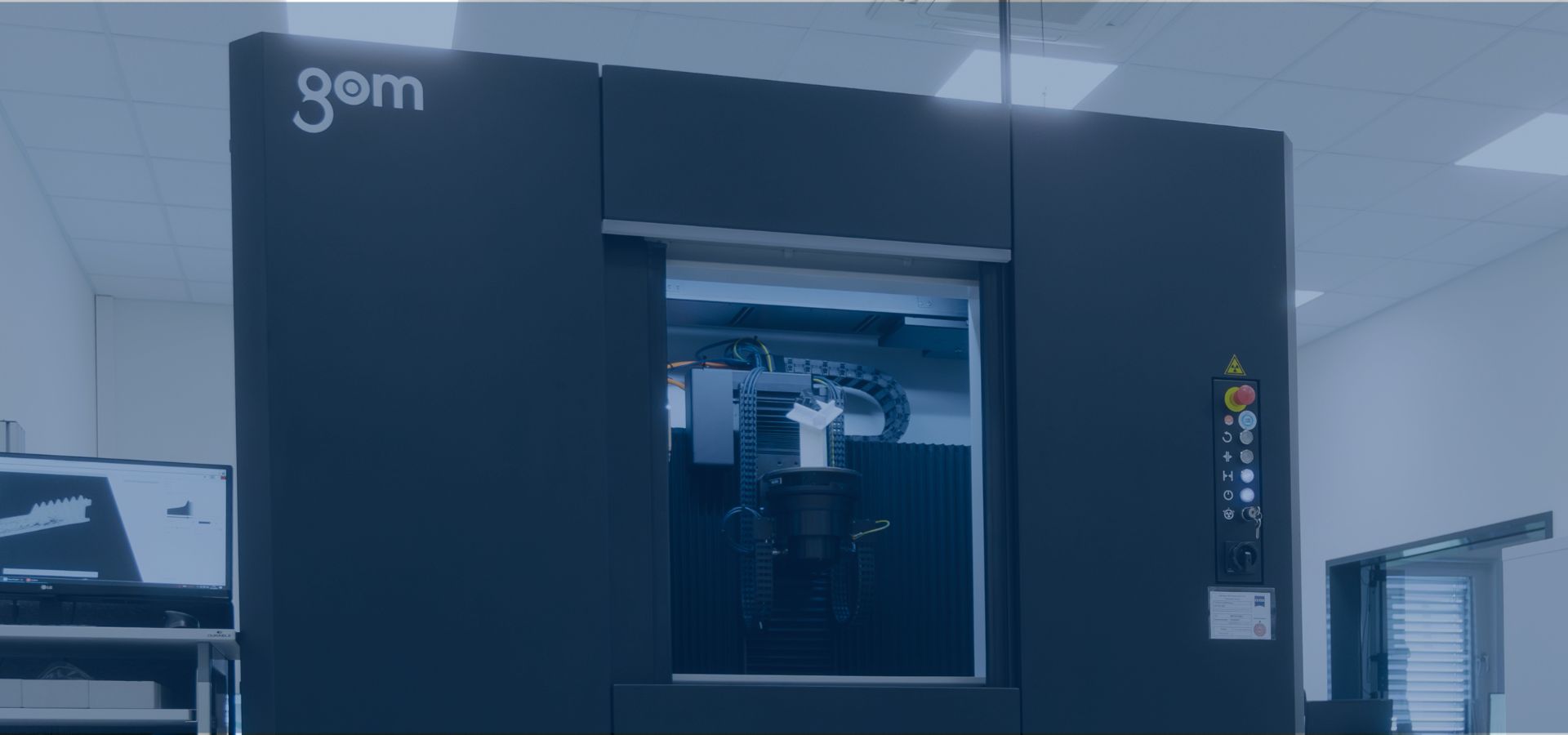
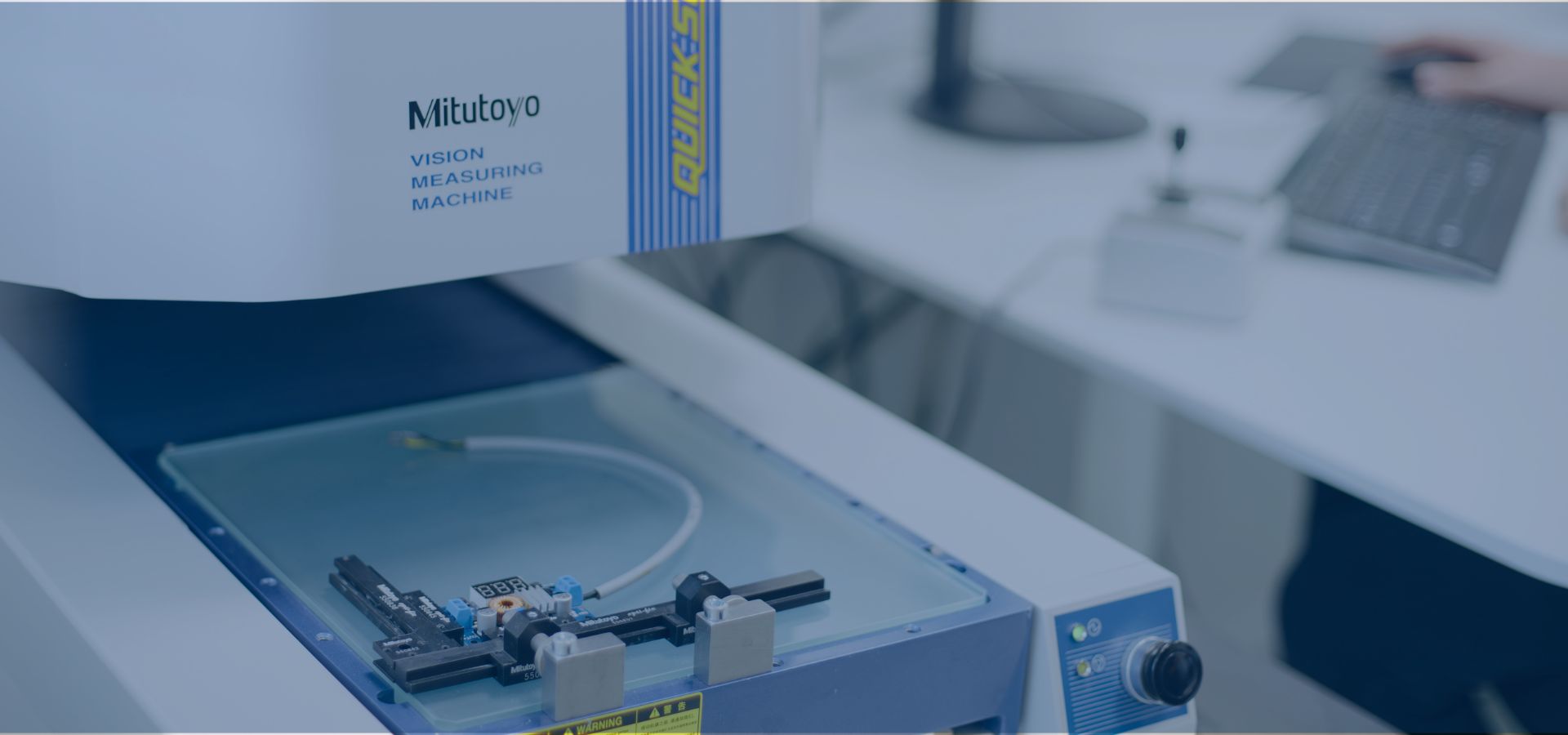
Electronic optical testing methods are a much more precise and convenient method of measuring cylindricity. Two approaches are used for this: The most widespread is the measurement of cylindricity via laser. Here, the product is clamped in a testing device. It is then scanned on both sides with a laser.
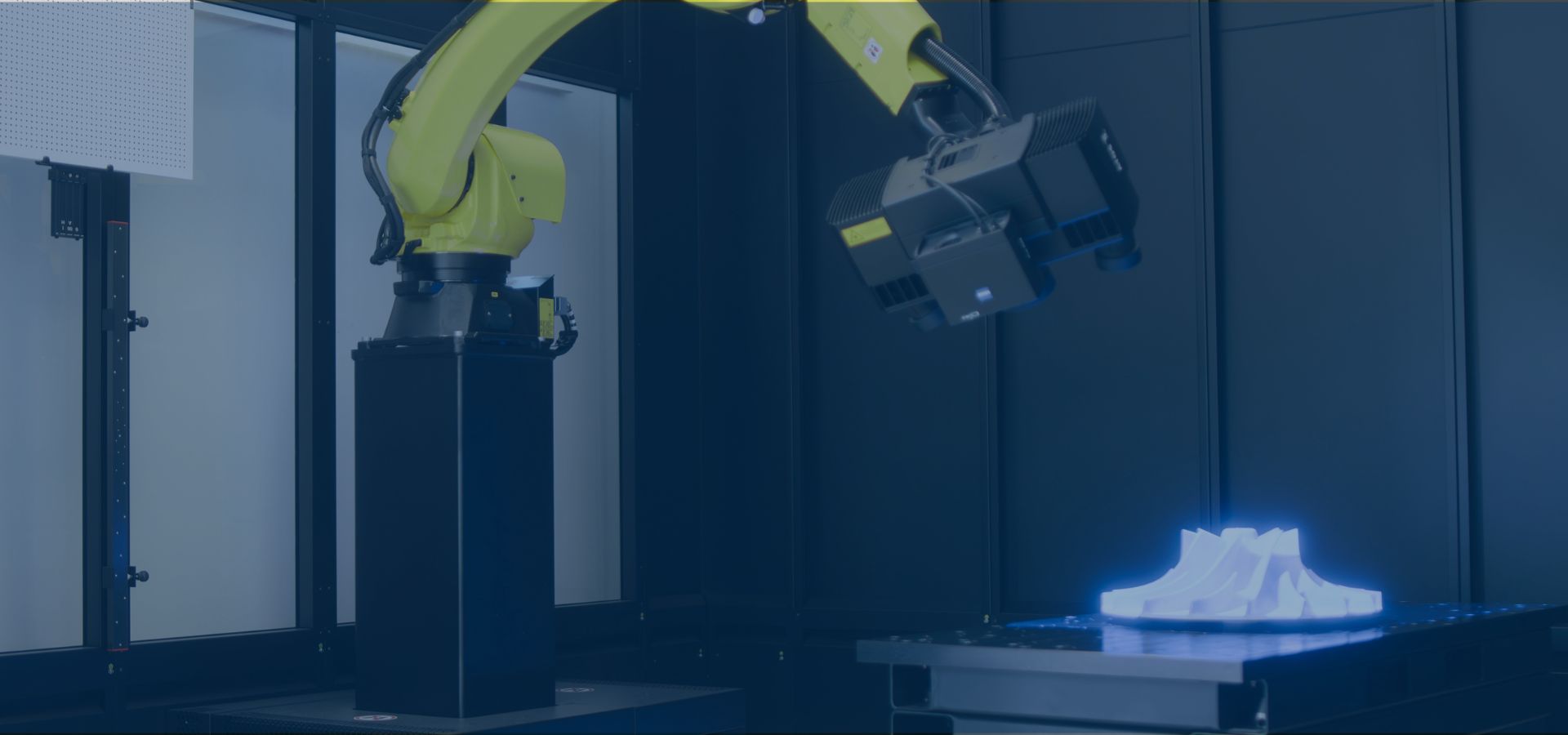
The particular advantage of this process is that it not only measures values, but also converts the scan into an imaging process. The scanned product is displayed on the screen together with the deviations in its cylindricity and can be archived for QA purposes. Another approach to the electronic-optical measurement of cylindricity is optical 3D fringe projection.
Manufacturer Test equipment for cylindricity
The companies ATRON and Würth’s own brand ORION have very interesting products for the tactile measurement of cylindricity. They are particularly impressive due to their simple, manual handling, high measuring precision and attractive price.
A device for tactile measurement of cylindricity with electronic evaluation is offered by MITUTOYO.
The approach of RICHTER MESSELEKTRONIK goes one step further. This company offers solutions that ensure compliance with cylindricity tolerances during the production process. With the steady rest measuring electronics process, tolerance control becomes part of the production process and thus guarantees maximum production reliability.
Optical inspection devices are available from the company VICIVISION Optical Measuring Machines. VICIVISION is primarily geared towards large-format products. The devices from VICIVISION also allow segmented measurement of cylindricity. This means that even particularly complex products, such as crankshafts for petrol engines, can be checked for the precision of the individual cylindrical segments.
VICIVISION solutions are compact enough to be installed directly on the production machine. This means that the inspection process can be integrated directly into the production process. The inspection process, including clamping and unclamping, is generally much shorter than the machining process.
With this solution, a 100% inspection of the manufactured products can be implemented without any additional loss of time. The company TESA SCAN offers a similar approach.