

Optical measuring methods
Optical measurement methods are as old as photography. What began with topographical measurements now enables measurements in the micrometer range.
Optical measurement technology for industrial applications
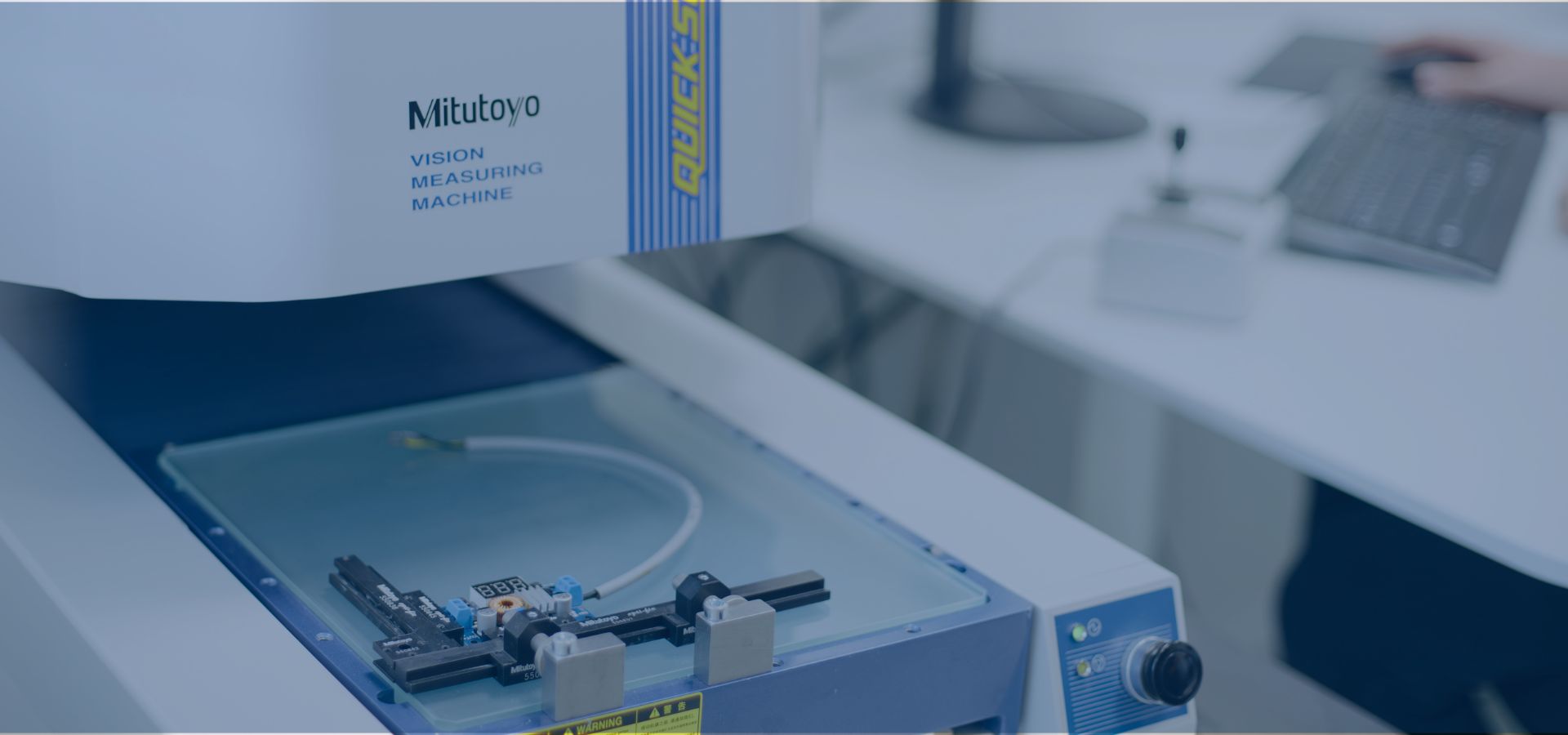
Optical measurement technology is now so advanced that it can replace tactile measurement technology in many areas. This results in major advantages in terms of measuring speed.
Optical measurement of components in seconds enables 100% inspection of series products. This brings reliable zero-defect delivery at minimum cost within reach.
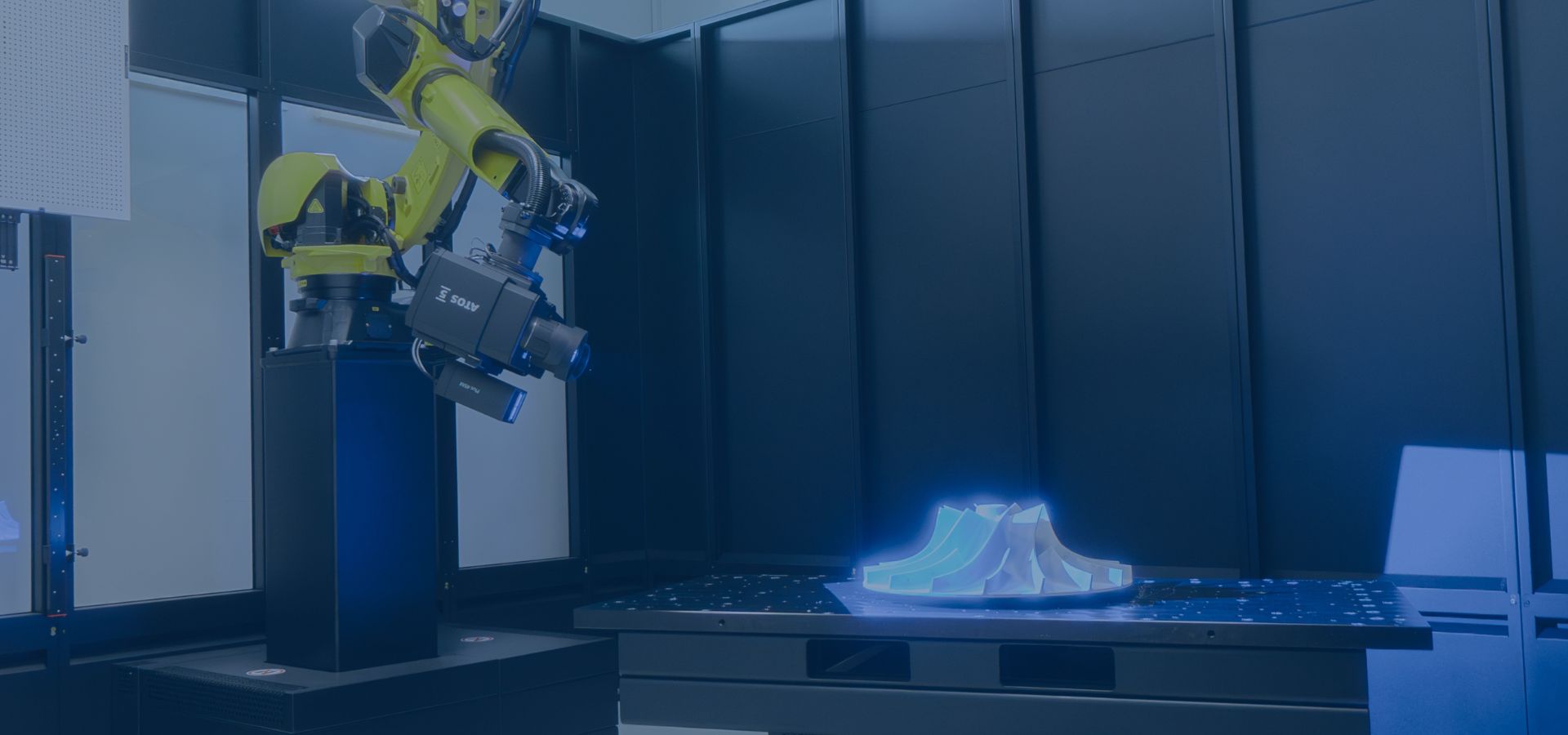
The spatial detection and measurement of serially produced components is particularly powerful in this context. With automated 3D measurement technology using optical processes, tolerance deviations are detected immediately and sorted out accordingly.
History of optical measurement
Modern optical measurement technology has its origins in chemical photography. With its help, valid measurements could be carried out on buildings and landscape reliefs from the very beginning.
All that was required was a reference distance, which was photographed at the same time for practical reasons. In most cases, high-contrast, calibrated measuring rods of a suitable length were held in the immediate vicinity of the component to be measured.
Once the photographs had been subtracted, practically any distance could be determined by comparing them with the photographed measuring rods and their triangulation. This considerably simplified the surveying of large buildings. With the use of cameras on airplanes, the exact measurement of topographies also became possible.
In an industrial context, optical measurement has always been a practical method for validating components. However, as long as automated and electronic measuring methods were not available, serial optical measurement was only possible to a limited extent.
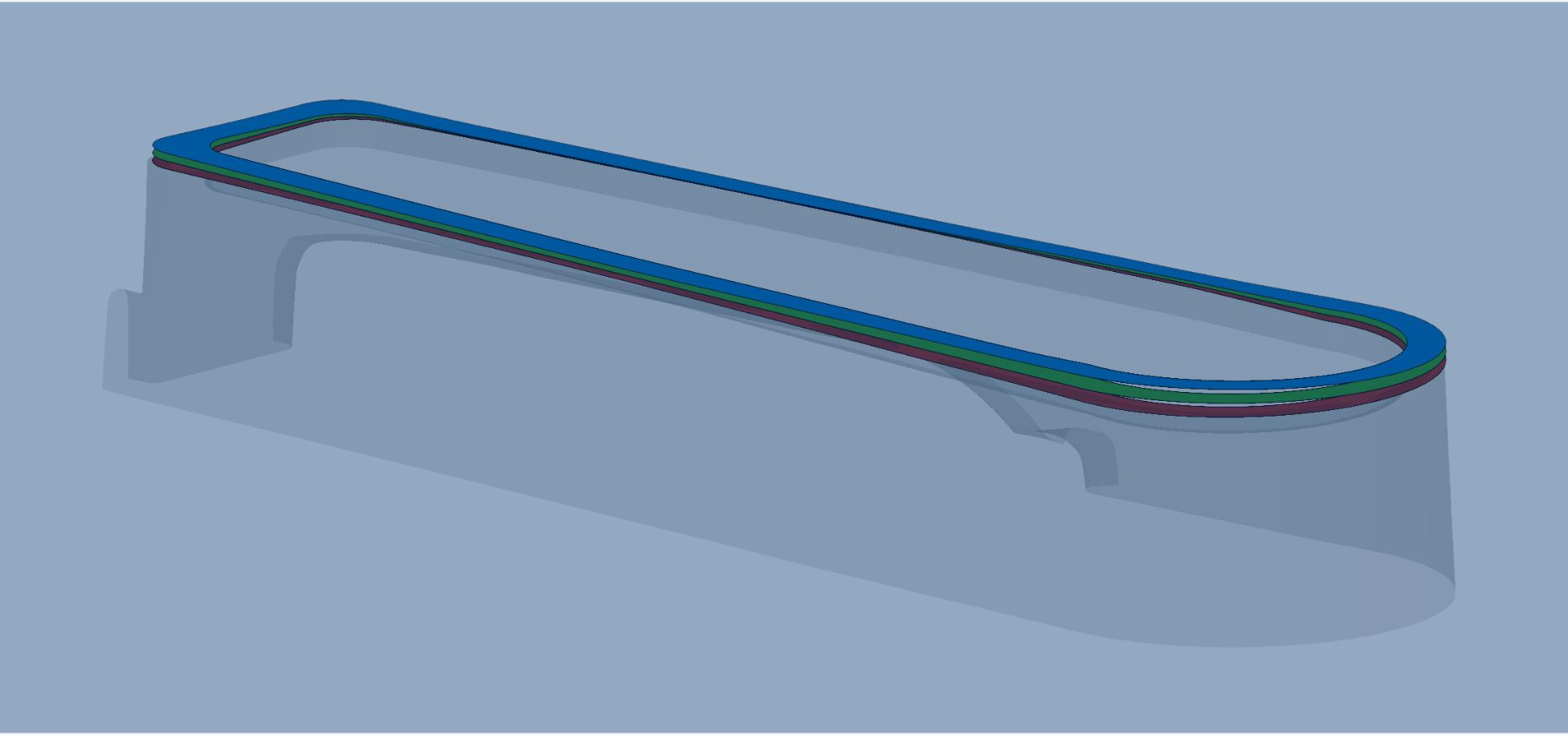
Essentially, it was limited to the use of templates that allowed dimensional deviations to be detected by a telltale incidence of light. Although the template inspection was very effective, it was limited to particularly flat components such as seals or unformed thin sheets.
Until now, tactile measurement technology has therefore been the standard for validating complex geometries. A technological change is currently taking place at this point, which is opening up the measurement technology of serial quality control to optical measurement methods. The comparatively inexpensive method of optical 2D measurement technology is particularly advantageous here.
Basic principle of 3D measurement technology using optical measurement methods
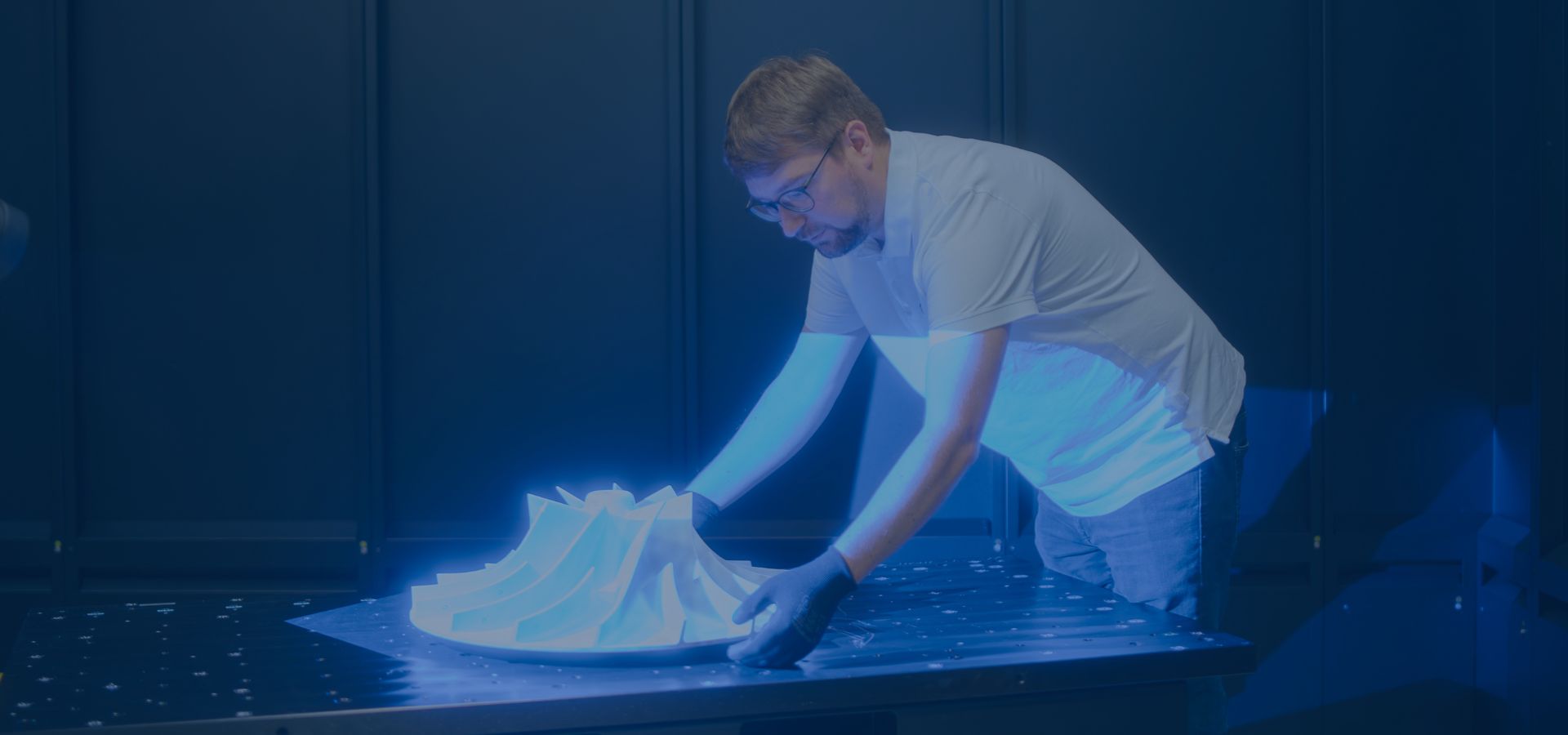
In 3D measurement, a component is captured in its entirety and generated as an electronic image. The component is measured during generation.
This involves a comparison between the actual values determined and the stored target values. In contrast to the detection of a few measuring points using traditional tactile measurement technology, the complete detection of the component using optical measurement technology therefore offers a considerable advantage: shape deviations are also detected if they occur in unexpected places.
Optical measuring methods
When it comes to optical 3D measurement technology, many people only think of laser scanning systems. However, these only represent a small part of the selection of optical measuring devices. In fact, they are by no means always the best choice.
The scanning laser beam always requires a certain amount of time until it has fully detected the object. Other optical measuring devices are therefore more advantageous for the serial 3D measurement of products.
Today, there is a whole range of proven methods available for optical measurement technology:
- Stripe and pattern projection
- Confocal measurement technology
- White light interferometry
- Laser scanning
- Light travel time
- Focus variation
- Stereo photography
And a few more.
Stripe and pattern projection
Strip and pattern projection is well known in the trade, especially in bodywork construction and in the repair of minor sheet metal damage. In this process, a pattern is projected onto a plane.
The strips or squares applied in this way warp significantly even with the smallest surface defects. This makes dents and dings easy to detect and treat accordingly. The tolerance deviations can be recognized by surface measurements.
The dent removal tools are then used in the manual sector. In an industrial context, a component tested in this way is rejected and handed over for reworking.
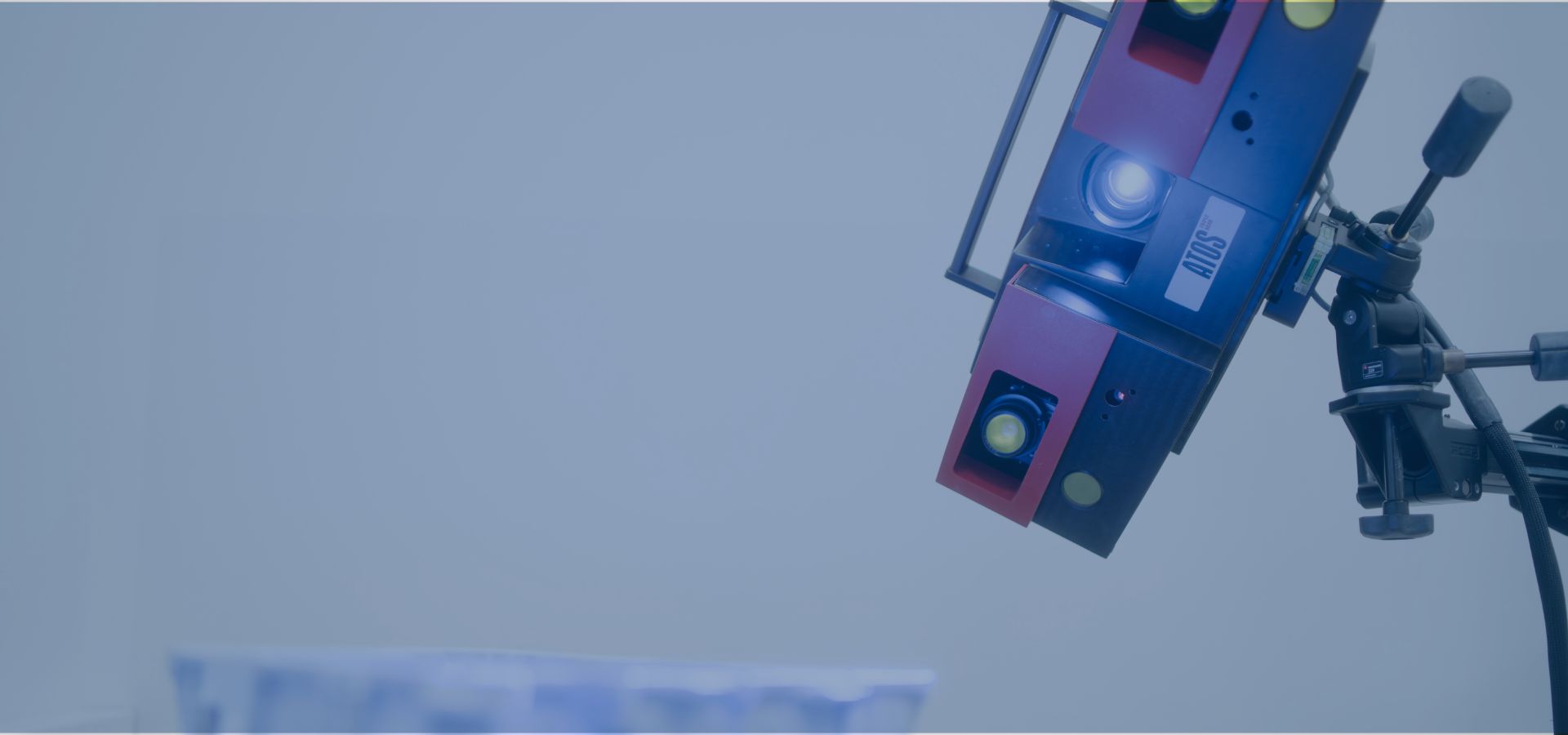
The following elements are required for striping and pattern projection:
- Sample projector
- Detection camera
- Evaluation program
- Calibration surface
To start this 3D measurement technology, the capture camera is set up with a reference sample on the calibration surface. This calibration triangulates the evaluation program and makes it ready for 3D measurement.
Once calibration is complete, the calibration surface is replaced by the object to be measured. The curvature of the projected pattern is detected by the camera via edge detection and converted into a 3D graphic by the evaluation program.
The object is captured by rotating it from several perspectives. The resulting point clouds are then combined by the evaluation program into a freely rotatable and fully dimensioned animation. With industrial computed tomography, internal geometries and structures can also be recognized, which can be reconstructed as a CAD model using surface feedback, for example.
The advantages of strip and pattern projection are its simple design, its complete coverage of the product and its high speed. It is well suited for checking shape and position tolerances.
Confocal measurement technology and white light interferometry
In confocal measurement technology, an object is illuminated via a very small aperture. The aperture is located on an angled mirror. The reflected light is redirected via the mirror and passed through another straight aperture.
Behind this is a sensitive light sensor. When the object is guided through the beam path of the light source, the highest light intensity occurs when the focal point of the light hits the surface.
If the focal point is above or below this, the intensity of the reflection decreases. These light fluctuations are detected by the sensor and converted into a measured value. Confocal 3D measurement technology and similar white light interferometry are particularly suitable for detecting tolerances in the micrometer range.
Laser scanning
Laser scanning is well known due to its frequent use in fictional film and television productions. In reality, it only plays a minor role in the field of 3D measurement technology.
In laser scanning, a surface is scanned with a laser beam and its reflection is picked up again by a photo sensor. Therefore, either the object or the scanner must be moved for a complete capture.
For calibration reasons, moving the object is the preferred procedure. However, this makes the measurement process slow. Laser scanning is therefore a preferred measurement technique where time is not a critical factor.
One of its main areas of application is the scanning of objects for reverse engineering or model printing using additive processes.
An optical measuring device with laser scanning is already available for the consumer market. In some cases, optical measurement methods using laser scanning are already built directly into 3D printers.
Light travel time
Optical measurement using the time of flight has its origins in astronomy. Optical measuring devices that can validate the time of flight of light beams are used to measure the distance of celestial bodies.
However, this measurement technology is gradually penetrating the much smaller scales of industrial applications. However, an optical measuring device that works with the time of flight is not yet available for component inspection.
Optical measurement methods through focus variation
Focus variation is primarily known from camera technology. It uses “autofocus” to ensure that the lenses focus automatically and make the photographer’s work easier.
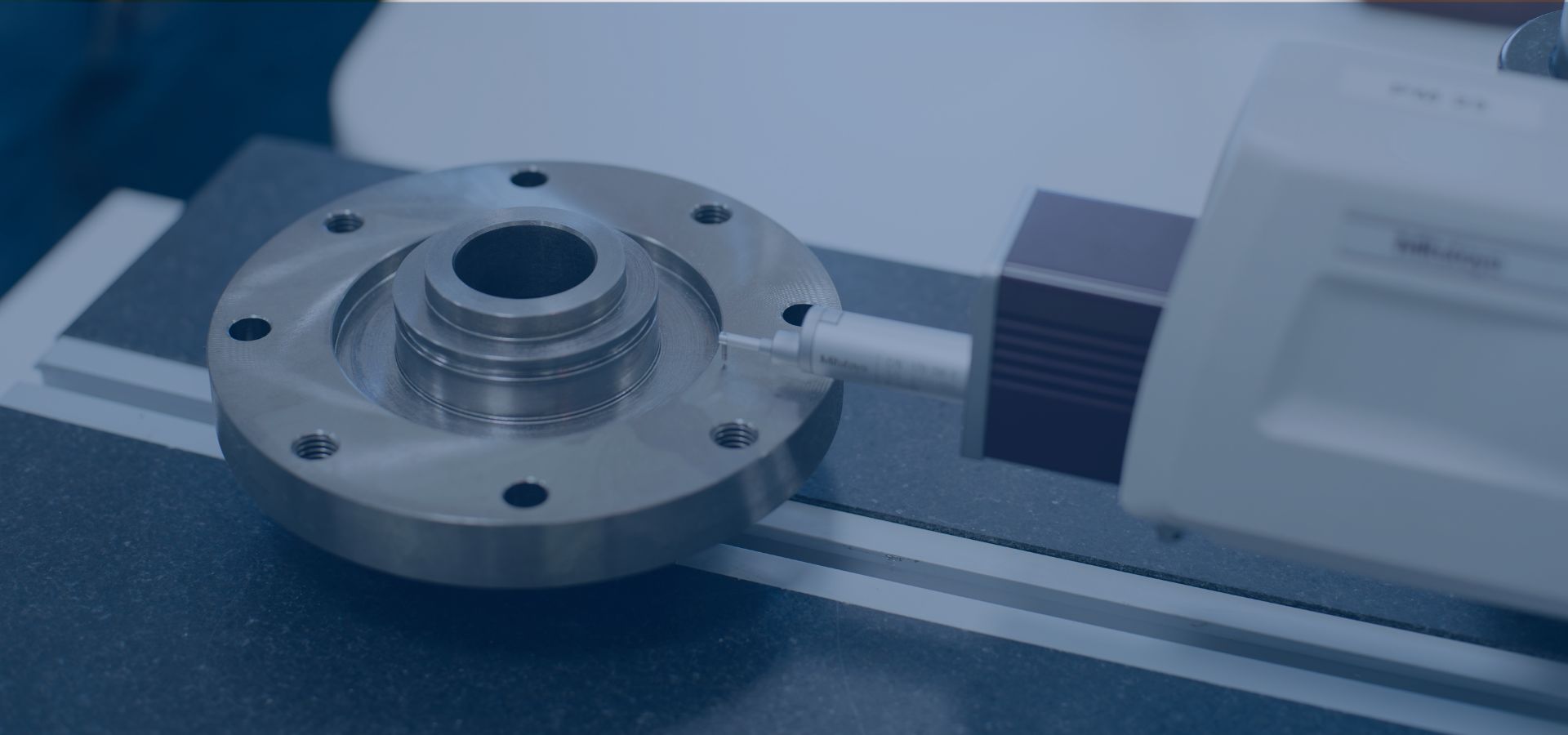
In 3D measurement, focus variation is primarily used in surface analysis. Optical measurement of roughness and profiles is particularly quick and easy using this measurement technology.
The advantage of focus variation is that it can capture a measuring area at once and does not have to scan it. This makes it faster than tactile measurement technology, which still plays a major role in surface analysis. Optical measuring devices with focus variation can already replace tactile measuring technology to a large extent.
Stereo photography
Simultaneously photographing a workpiece from two closely spaced cameras is a particularly simple 3D measuring technique. The connected computer converts the captured digital photos into rendered objects.
By taking a sufficient number of images, a complete virtual object can be created very quickly. Stereo photography is therefore very similar to fringe projection. It does not yet achieve the precision of this measurement technique.
However, optical measurement methods based on stereo photography are already widely used in the consumer market. Optical measuring devices that work according to this principle are used, for example, to measure faces or bodies. These are used for facial recognition or for fitting tailored clothing.
Optical measurement methods: Advantages
Optical measurement methods have the following advantages:
- Measurement technology at high speed
- Comprehensive 3D measurement possible
- Non-contact measurement technology
- Simple, automation-capable measurement technology
The fast, sometimes lightning-fast detection of geometries makes optical measuring methods ideal for serial inspection in a production line. You can validate the tolerances of a workpiece without any time delay and sort out faulty parts using automated removal systems. This significantly reduces the risk of delivering faulty products to the customer.
Tactile measurement technology only ever measures selected points or areas on a product. Optical measurement methods, however, always view a component as a whole.
With a target/actual comparison of the surface profile, all deviations within the tolerance can be identified. This includes, in particular, those areas where a deviation would not have been expected.
Non-contact reduces wear and reduces disturbance variables during measurement. Optical measuring methods also reduce the risk of operating errors.
Optical measurement technology, especially fast fringe projections or stereo photographic methods, are therefore particularly suitable for integrated quality control.
With their help, production machines can be enhanced with optical measuring processes. They then carry out incoming and outgoing inspections independently, thus reducing the risk of producing faulty parts.
Optical measurement methods: Disadvantages
Optical measurement methods also have disadvantages. This measurement technology is still subject to high innovation pressure, so that these will gradually disappear.
At present, however, optical measurement methods have not yet been fully developed to the point where they can replace tactile measurement technology in all areas. The disadvantages that optical measurement methods still have to contend with today include the following:
- High technical effort
- High calibration requirement
- High demands on the ambient conditions
- Rapid disturbance of the measurement recording
- High reject rate possible quickly in the event of incorrect measurements
The technical complexity of optical measurement methods is still considerable. The devices are becoming cheaper. However, the computing effort for serial optical measurement is very high.
This ultimately makes this measurement technology expensive. This is especially true if optical measurement technology is to be used to check ever finer tolerances.
The faster and at the same time more precise optical measuring methods are required to work, the more demanding their calibration is. The smallest deviations and inaccuracies during calibration inevitably lead to incorrect measurements.
This can quickly lead to a large number of faulty parts, especially when checking series production.
Optical measurement technology reacts very sensitively to certain environmental parameters. Excessive humidity, for example, can affect the beam path of light rays and their reflection. Above a certain sensitivity, this measurement technology will no longer be able to function without controlled environmental conditions.
Faults can also occur during measurement recording, even if the calibration was previously carried out perfectly.
Vibrations, temperature fluctuations or other influencing factors can have a negative effect on optical measuring devices. This also results in a high number of incorrect measurements before the fault in the measurement technology is noticed and corrected.
The future is optical measurement
Despite the risks associated with 3D measurement using optical measurement methods, the advantages clearly outweigh the disadvantages.
3D measurement technology using optical measuring devices is the answer to the efficient production of flawless batches.