

Dimensional tolerances as a basis for production
The technical drawing shows the component in its ideal state. However, the dimensions entered on the drawing are always theoretical. It is impossible to transfer the drawing dimensions to the final dimensions of the component with absolute precision. Even if this were possible, different temperatures will cause the component to shrink or expand again. Then the dimensions are no longer correct. It is therefore important to enter the dimensional tolerances comprehensively.
Tolerance as an envelope curve
The term “dimensional tolerance” is defined in DIN 18202.
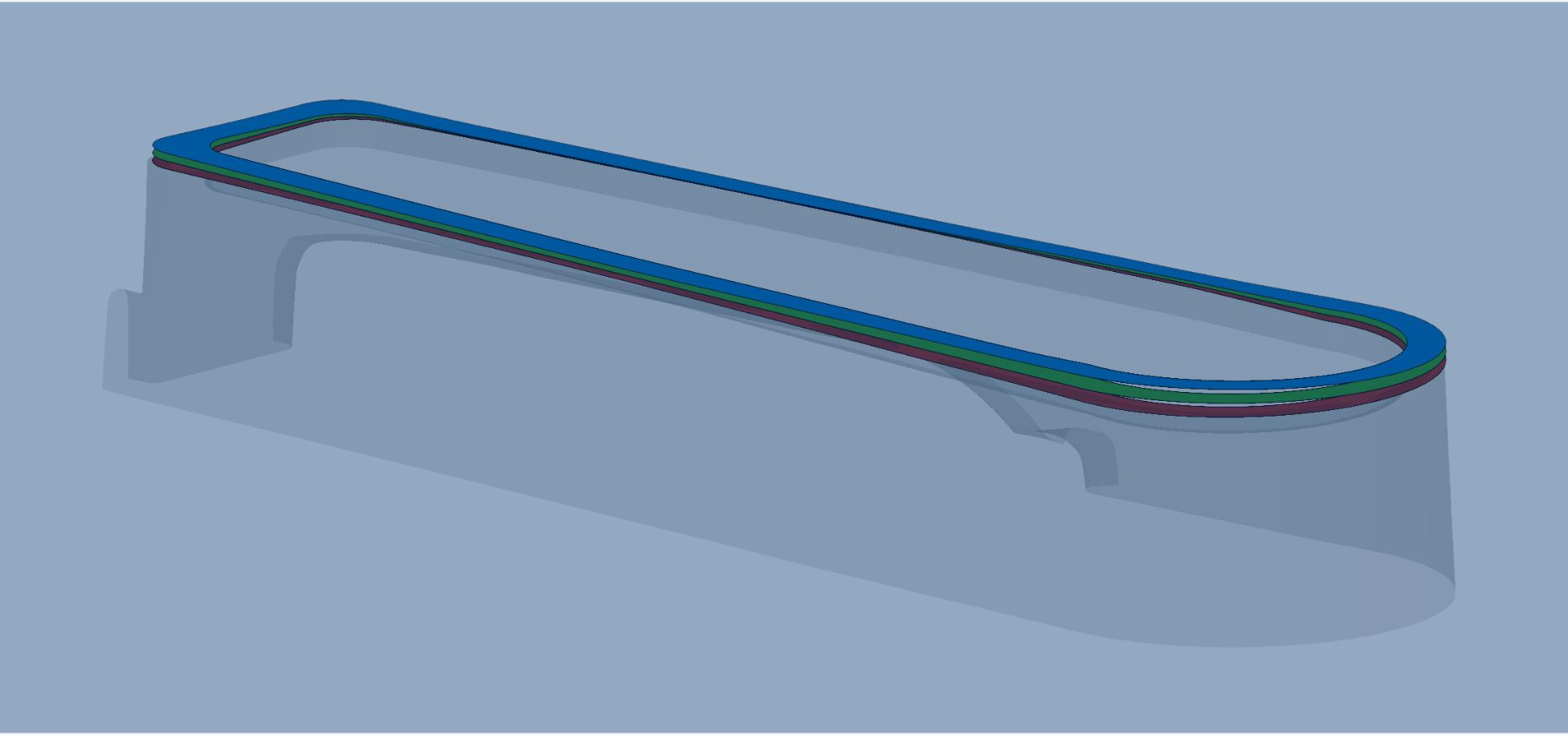
If you look at the dimensioned edges of a workpiece on the drawing, you can imagine the upper and lower tolerances as enveloping curves. The actual dimensions of the workpiece must be within this envelope at every point. This is also referred to as the “tolerance range”. Tolerance ranges can be applied in specified dimensions in accordance with standards such as ISO 286, DIN 7154 or DIN 7155. Alternatively, dimensional tolerances can also be freely selected. This is particularly practical if the upper and lower tolerances have different distances from the nominal dimension. Viewing the tolerance as an envelope curve is now somewhat outdated. It must therefore be explicitly designated as such in drawings.
Types of dimensional tolerances
DIN 18202 distinguishes between the following types of dimensional tolerance:
- Length tolerance
- Shape tolerance
- Angle tolerance
- Position tolerance
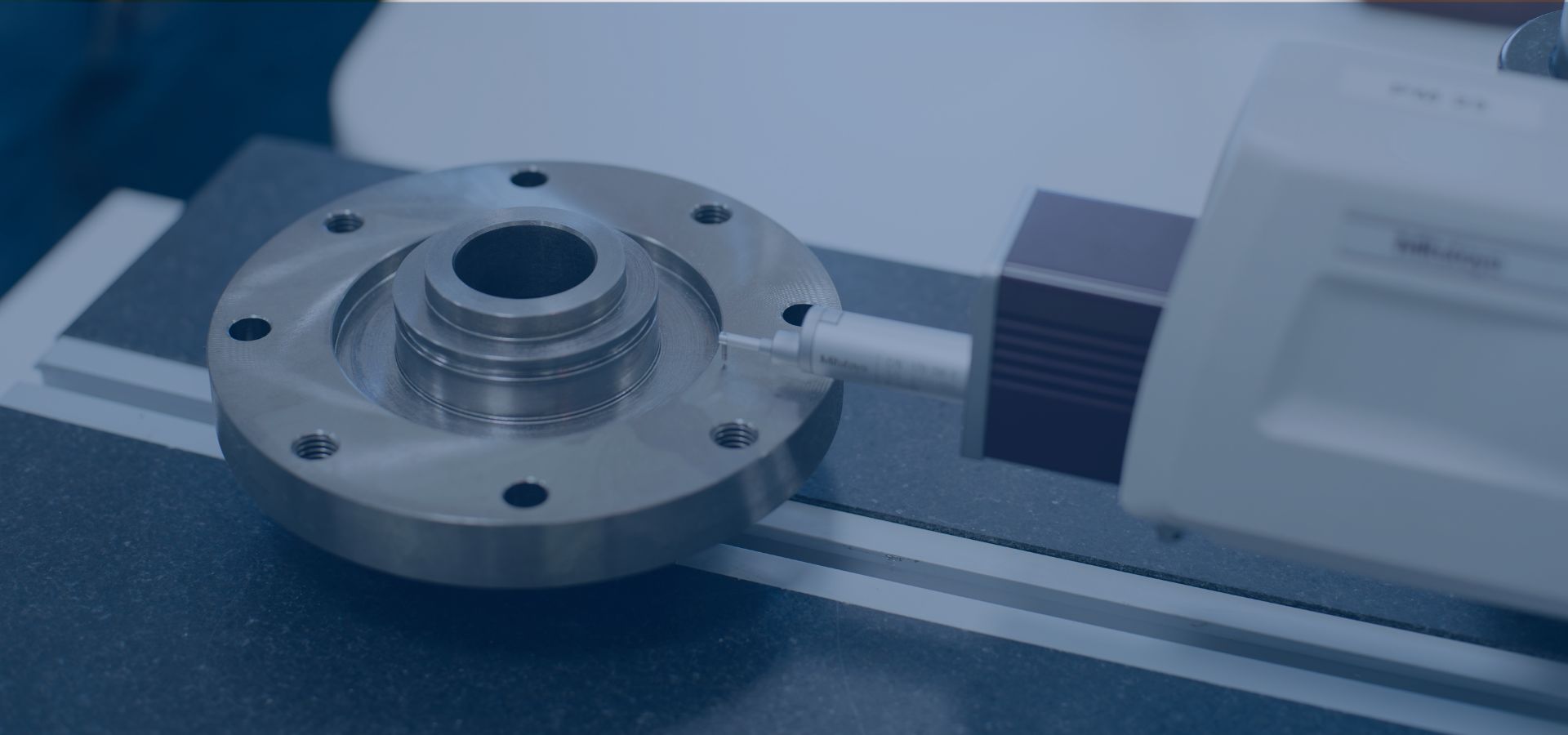
The length tolerance defines how long an edge may be. The shape tolerance refers, for example, to the roundness of bolts or drill holes. The angle tolerance considers the transitions between two straight edges. The position tolerance defines how individual elements of a component relate to each other. This covers all elements of a component. Other tolerances relate to surface roughness, hardness, tensile strength or other material-specific properties.
Tolerance classes
The tolerances are divided into the following classes:
- (f) fine – e.g. mechanical movements, keys
- (m) medium – e.g. general mechanical engineering
- (g) coarse – e.g. castings
- (sg) very coarse – cut or sawn semi-finished products for further processing.
The ISO tolerance system was developed for fits. It specifies the tolerances that workpieces must have in order to fit together in a certain way. This applies, for example, to pivots and slotted holes or internal and external threads.
As a CT measurement laboratory, we offer non-destructive testing of cast parts.
Principle of independence
EN ISO 8015 specifies that all tolerance types are independent of each other. In order to override the principle of independence, it must be explicitly stated in the drawing header (or title block). In practice, the standard is referred to as the tolerancing principle. Dimensions excluded from this are supplemented by an “E”. The traditional view of tolerance as an envelope curve applies to these dimensions.