

Position tolerances
Specifying positional tolerances is a way of defining the positional deviations of design elements on a workpiece in relation to one another.
It has some advantages over normal dimensional tolerances, so it depends on the application which method is used. Both methods can also be combined with the maximum material condition.
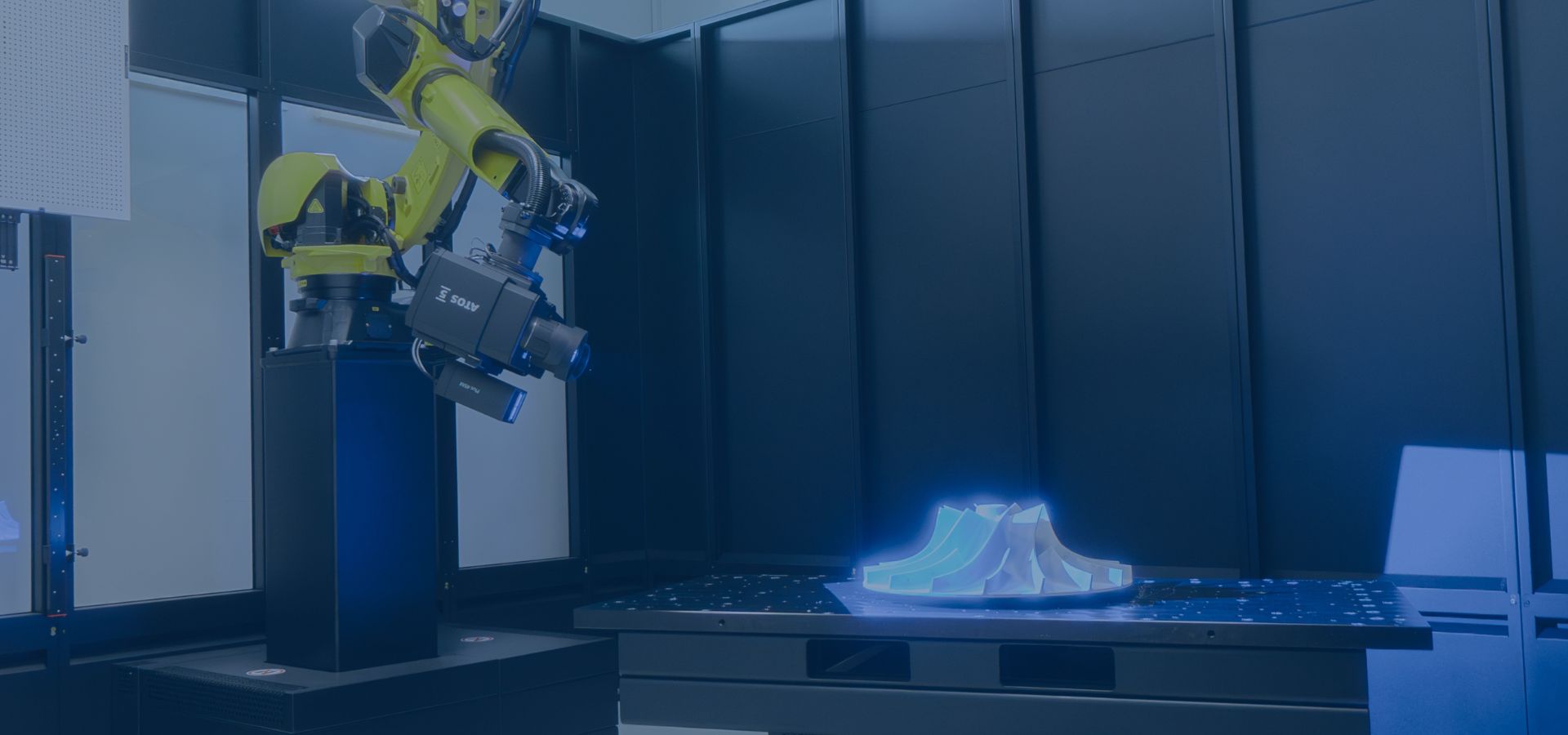
Examples of optical measurement methods are 3D measurement technology and 2D measurement technology.
General information on position tolerance
The position tolerance is one of the form and position tolerances.
The tolerance type of the position tolerance is a location tolerance. It tolerates the elements “point”, “straight line”, “axis” and “plane”.
It also refers to these elements. The position tolerance ensures that connecting elements “meet” when two components are assembled.
It is therefore the preferred type of tolerance when setting blind holes, axis holders and, above all, threaded holes. There is usually no alternative to position tolerance, especially when using hole patterns.
When do you prefer positional tolerances to normal dimensional tolerances?
A position tolerance is used, for example, when drilling holes in a workpiece.
If it is possible to specify position tolerances for an application, they have a number of advantages:
- The alignment is defined by specifying a reference system.
- Comparability of the measurement results for the user and the manufacturer
- Increase the tolerance zone by up to 57% without compromising on production quality
- Avoidance of missing parts
- The tolerances do not add up
- Tolerance calculation becomes simplerSpecification of the reference system: Each position tolerance has its own reference system, so to speak. With standardized manufacturing and testing methods, production becomes functional.
Comparability of the measurement results
Components that are planned and manufactured in position tolerance are less dependent on dimensional tolerance. Even with deviations in shape, the desired design elements remain in the intended position.
Enlargement of the tolerance zone with consistent production quality: Dimensional tolerances result in a rectangular tolerance zone. For positional tolerances, it is circular. This has considerable advantages, especially for cylindrical design elements such as drill holes.
Avoidance of missing parts
An enlarged tolerance zone reduces the probability of deviations in production outside the desired tolerance.
Avoidance of tolerance addition
As each position tolerance stands alone, it cannot add up with other tolerances.
Simplification of the tolerance calculation
Once defined, each tolerance zone can be precisely defined using simple algebra.
Disadvantages of using position tolerance
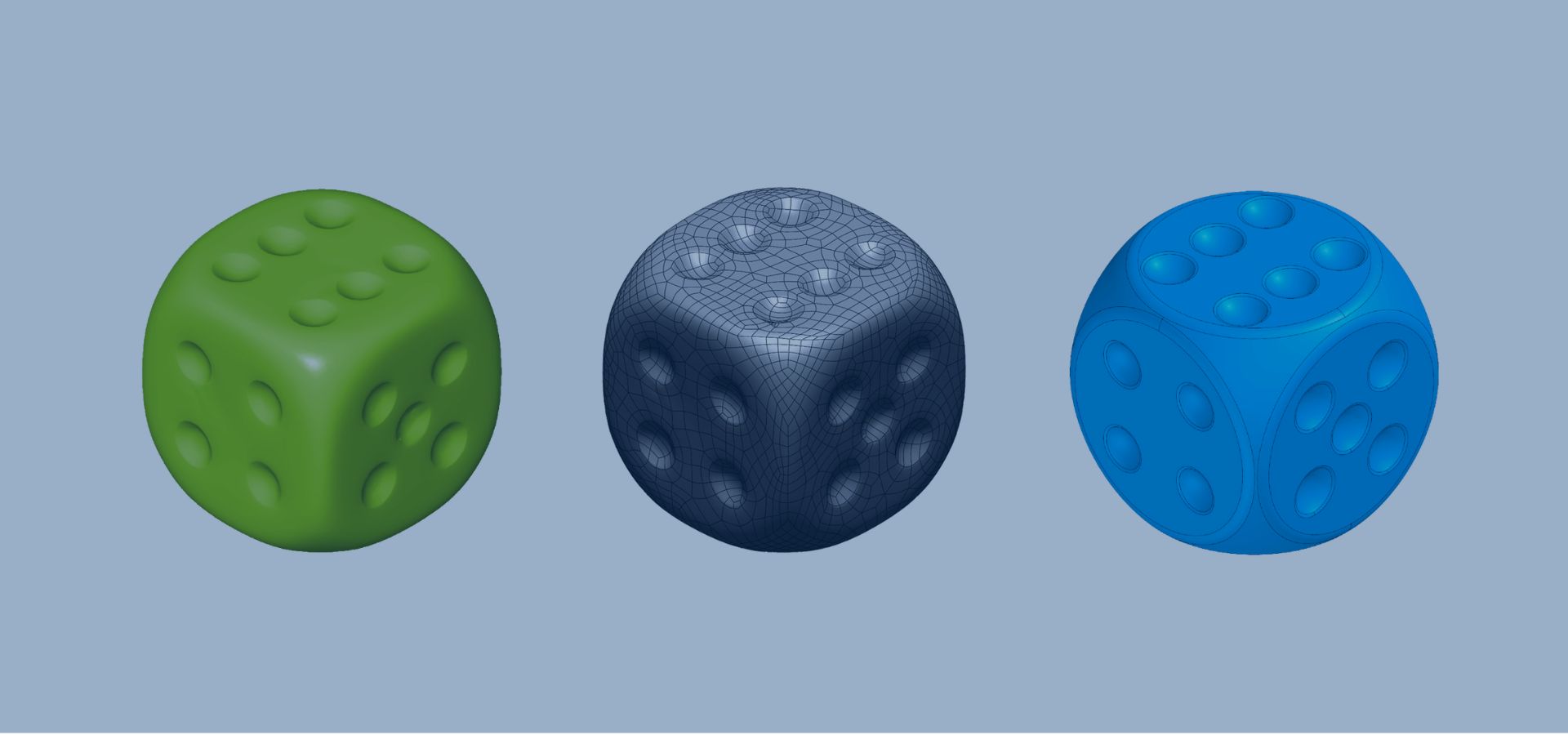
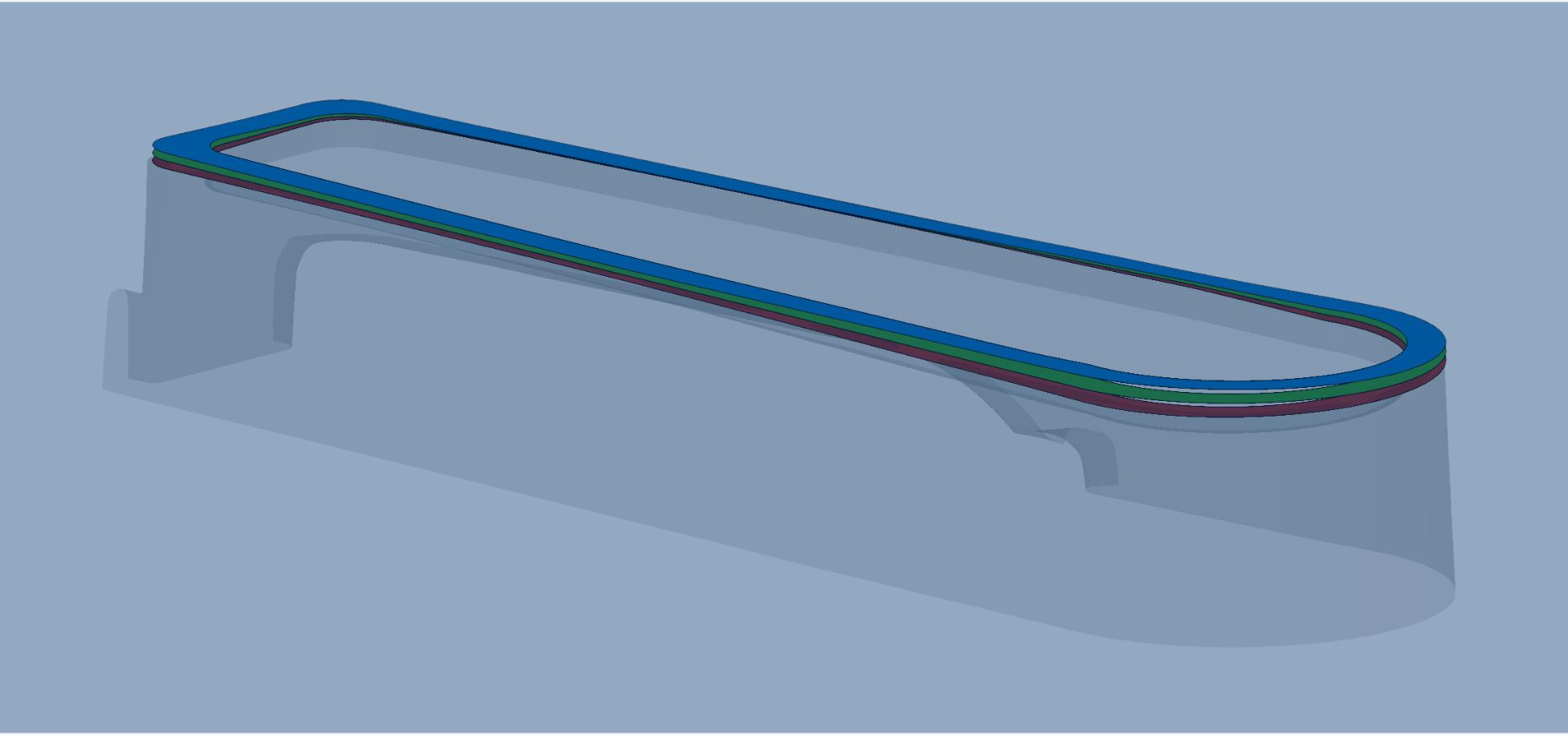
For complex contours with many radii, a meaningful check of the position tolerances is only possible with a high-quality 3D coordinate measuring machine or a comparably precise process. The processes must be capable of measuring against CAD data. Reverse engineering can be used to reconstruct non-destructive CAD models of existing components.
However, this only applies to prototyping or pre-series production. In normal quality control for series production, the critical position tolerances can be monitored using gauges.
Position tolerance in the application
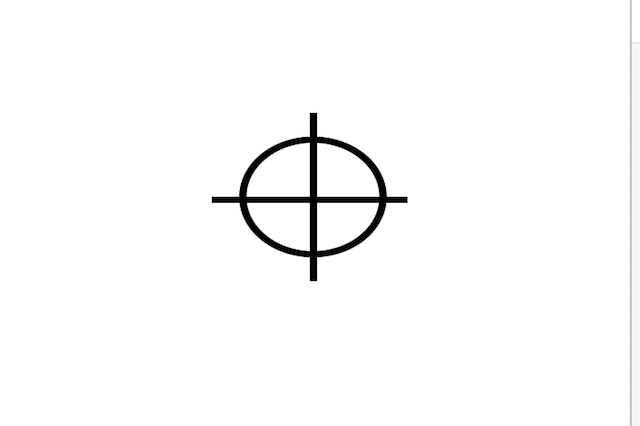
The symbol for the position tolerance is a circle with a perpendicular cross in it, supplemented with the dimension of the tolerance and the reference points. It means that the center of a hole may fluctuate within an imaginary circular ring around the dimension.
The reference points are specified with letters, for example B and D.
The tolerance specification always means the maximum deviation of the outer points of a fluctuation.
The actual deviation from the specified dimension is therefore only half. Depending on whether the tolerance is permissible in one or both directions (X and Y in one plane), the tolerance is further reduced by 30%.
This is because the deviation in one direction is never completely linear, but always involves a deviation in the other dimension. In order to remain guaranteed within the imaginary tolerance, the value is reduced accordingly in the case of a two-sided tolerance.
If you now apply the traditional dimensional tolerances, you get a rectangle or square within which the hole may move. However, this automatically implies that the corners of the rectangle cannot technically be covered by the hole.
The tolerance zone located there is only specified theoretically, without being able to be used in practice. However, a position tolerance with its cylindrical tolerance zone allows full utilization of the specified range.
Mathematical basics
Difference deviation from X (Xdiff) = target position of X (Xtarget) – tolerance specification of X (Xactual)
Difference deviation of Y (Ydiff) = target position of Y (Ytarget) – tolerance specification of Y (Yactual)
Derived from pi × r² = circular area, this results in
rx = root of Xdiff²
ry = root of Ydiff²
Position tolerance: 2×rx and 2×ry. The position tolerance is always a diameter, so the determined radius must be doubled.
The formula can also be summarized as PT = 2×(Xdiff² + Ydiff²)-2
High accuracy for reliable results
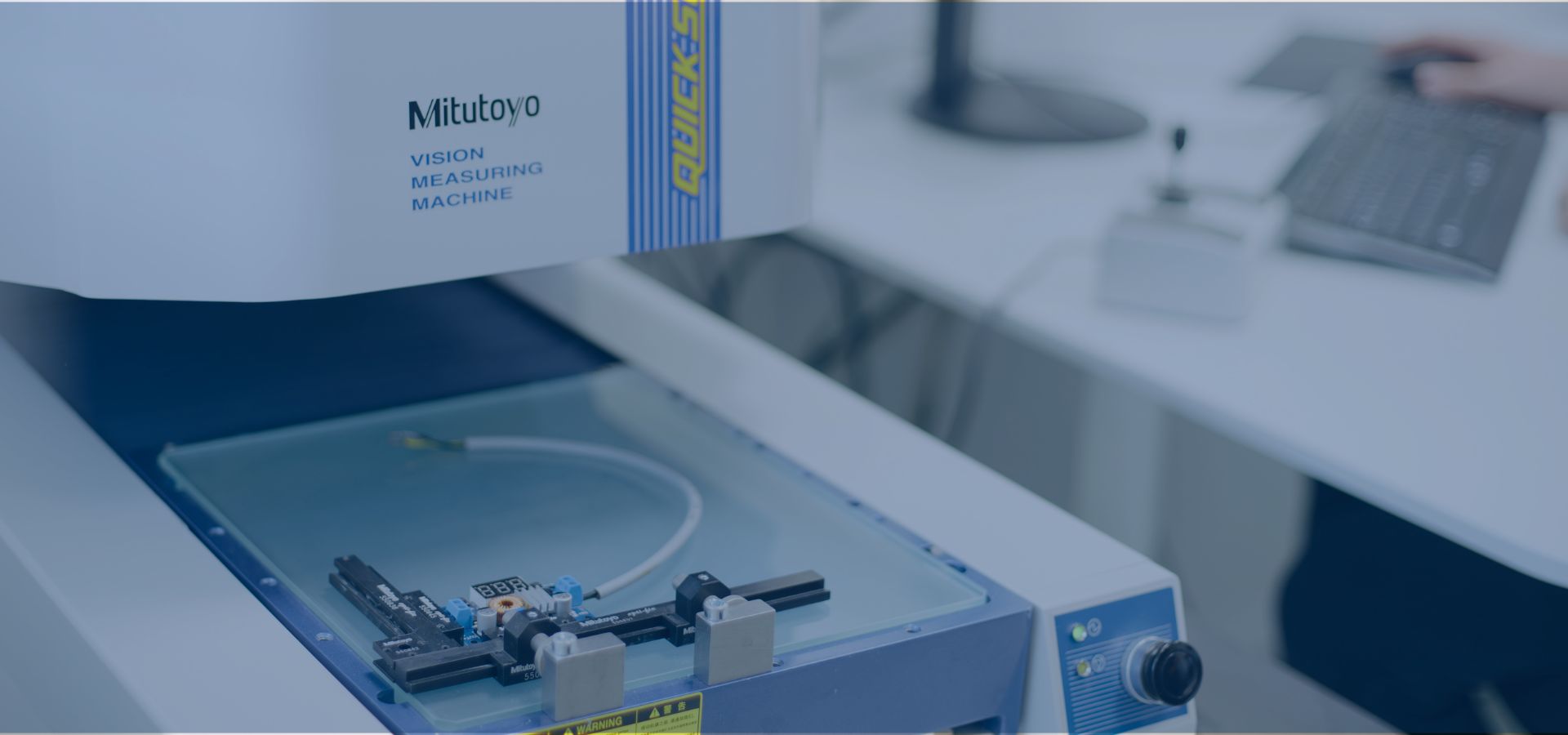
In order to achieve maximum repeatability in production and quality control, the workpiece must always be aligned using the same method. The alignment elements, for example the clamping table of a CNC milling machine, have a direct influence on the specified tolerances. With a camera equipped with autofocus and zoom, repeatable results can be achieved in optical 2D metrology.
All form and position tolerances and especially the position tolerances therefore come with an alignment specification. This is indicated by the reference letters.
The order of the letters indicates the order in which the workpiece is aligned. Any deviation from this sequence usually results in the tolerance being exceeded.
The best of both worlds: The maximum material condition
With the help of the maximum material condition, the position tolerance can be linked to the classic dimensional tolerance. Instead of checking the empirical dimensions of an element, the maximum material condition is based on the function of a component.
The dimensional tolerance can be fully utilized with the maximum material condition. However, the sum of the tolerances determined must always be adhered to. In this case, gauges are particularly suitable for quality control.
The maximum material condition can only be applied to symmetrical form elements with a defined central axis. Its main area of application is clearance fits, such as those found in bores for plug-in systems and screw connections.
The applicability of the maximum material condition is indicated in the tolerance field by an M between the dimension and the position information. In the application, the maximum material condition means:
1. the specified tolerance (e.g. the position tolerance) is assumed on the initiative
2. However, the specified tolerance only applies if there is a maximum amount of material: The “minimum dimension” applies for bores, the “maximum dimension” for bolts)
3. The specified tolerance is increased by the amount that is missing to reach the maximum material dimension
Checking the position tolerance
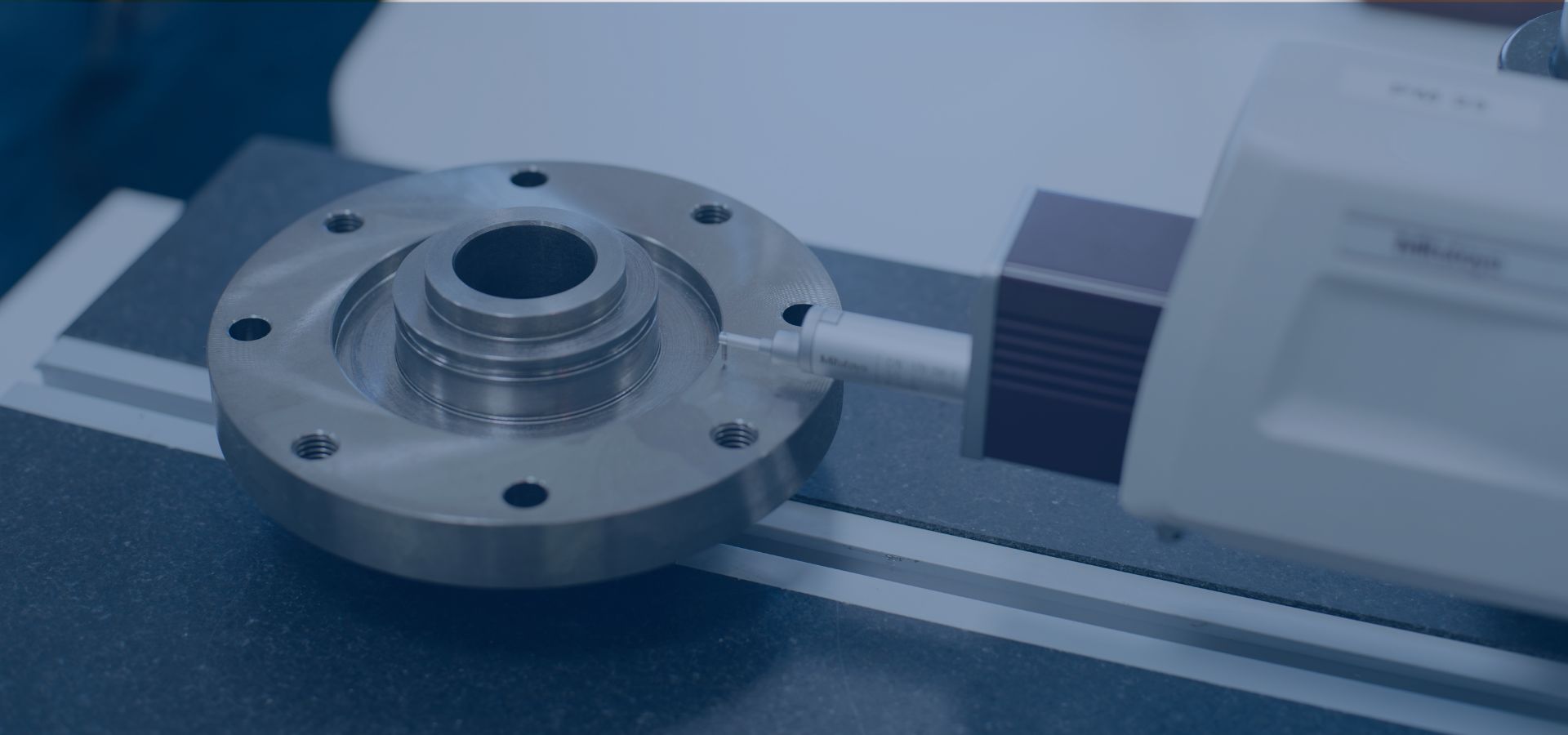
The position tolerance can be easily checked in production by using precisely shaped gauges. Especially when using hole patterns, a high-precision manufactured gauge can quickly provide a statement on “fits” or “does not fit”.
Single piece testing, for which the production of a gauge is not worthwhile, can be carried out using a 3D coordinate measuring system. Alternatively, scanning and photogrammetric methods can also be used.
A finished workpiece is photographed from all sides and a 3D model is generated from this. This reproduced 3D model can now be ideally compared with the 3D model from the CAD program. Dimensional deviations are detected immediately.
The complex 3D measuring processes are too expensive for series production. However, they are well suited for checking gauges, which can be used to check the position tolerance of holes on a workpiece. Particularly tight tolerances should always apply here.
Errors when checking the position tolerance
The position tolerance is a very important specification for the connectivity of two components. It is therefore not sufficient to only check the position of the holes, blind holes and internal threads superficially.
Only a check in depth provides information as to whether the planned suitability for installation is actually given. It is therefore essential to use three-dimensionally shaped gauges.
Simple templates ignore the third dimension and imply a creeping production error. It is a massive malfunction when a CNC machine makes a crooked hole in a workpiece.
In the age of 5-7 axis milling machines, however, a deviation along a drilling axis is much more likely than it was in the days of traditional milling machines. Although these were limited in their mobility, they were generally able to offer much greater rigidity.
Re-drilling holes that deviate in depth usually leads to rejects. Therefore: Always check the position tolerance in full!