

3D coordinate measuring technology
3D coordinate measuring technology provides precise data about tolerances on a workpiece. It is based on DIN EN ISO 10360 and the VDI/VDE 2617 series
Maximum precision with 3D coordinate measuring technology
3D coordinate measuring technology is the most precise method for capturing and measuring a product. It is used to capture an object in its entirety. Due to its demanding and time-consuming operation, it is mainly used for checking prototypes, individual items and random samples in 3D metrology.
Measuring in the 3D coordinate system
The 3D coordinate system considers a body in its length, width and height simultaneously. The individual axes are defined as x, y and z. X and Y are the plan axes, the letter Z always defines the height axis.
Each 3D coordinate measuring machine therefore comes with its own coordinate system. However, as this spatial view may deviate from the dimensions given in the technical drawing, the values determined may have to be converted.
One way of doing this is to define a zero point that applies to the component. A modern 3D coordinate measuring machine performs this conversion automatically after the zero point definition.
Coordinate measuring machine technology
There are two technical approaches for the measurement system in three-dimensional space:
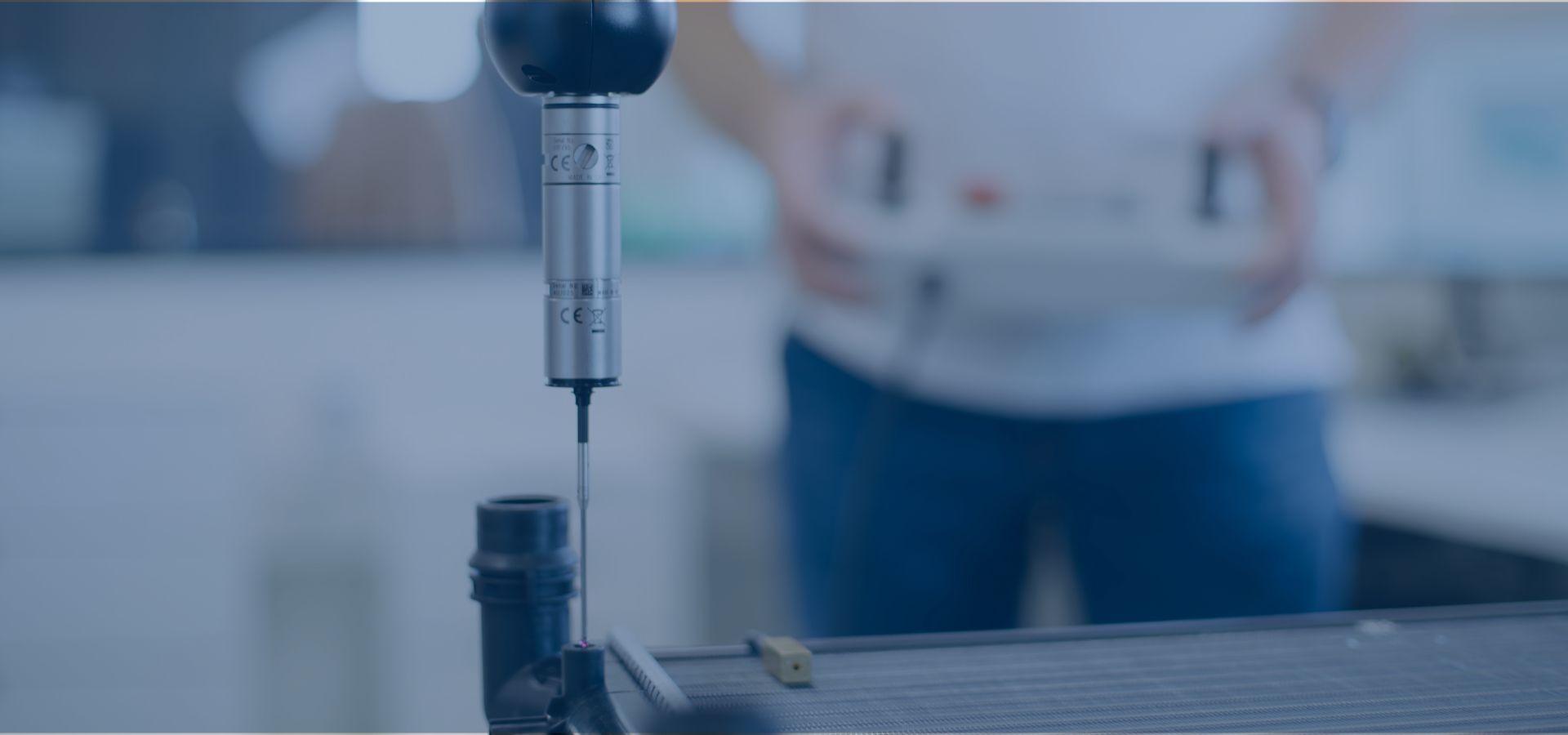
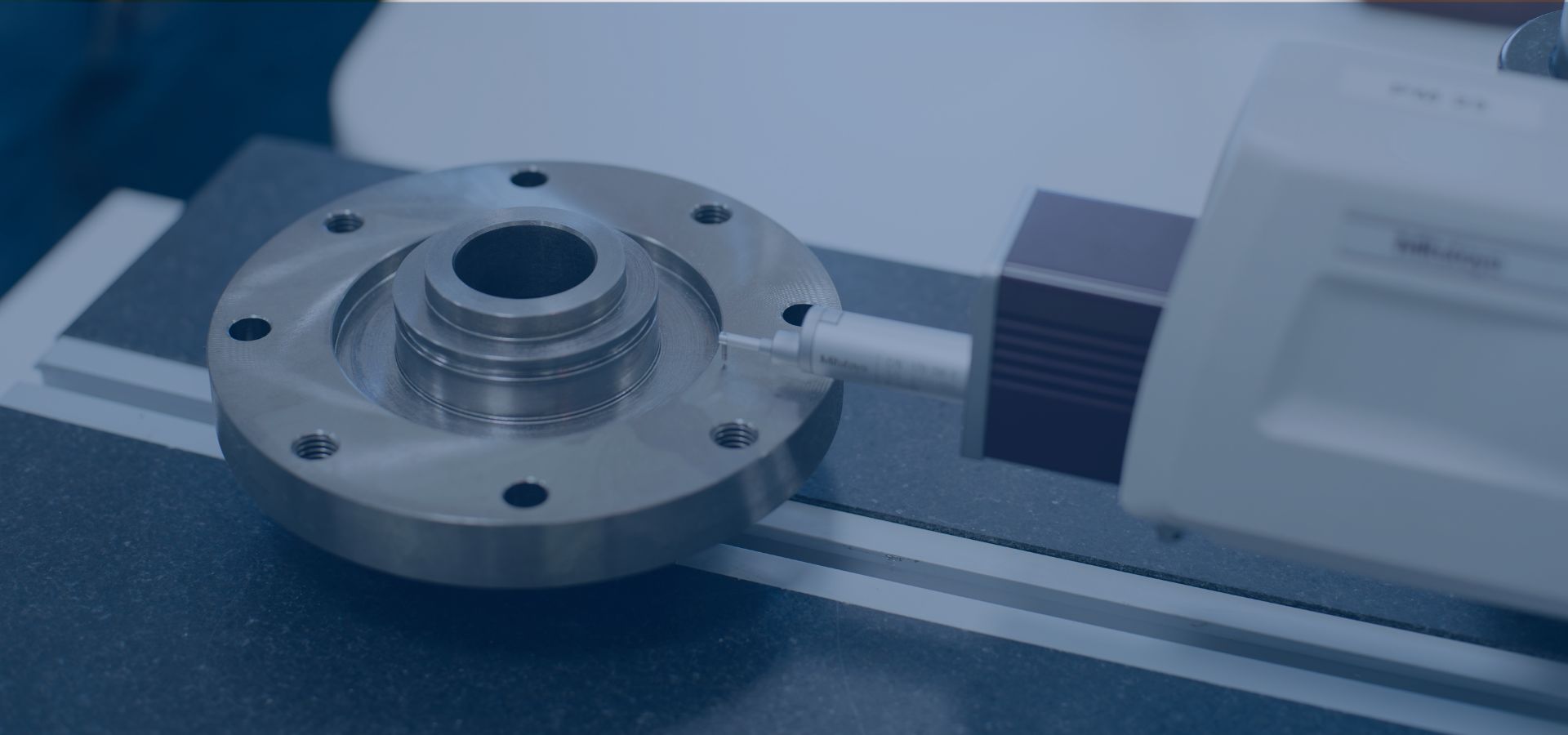
With the tactile measuring system, a test head moves up to the point of contact with the component. The probe stops and the connected computer converts the distance traveled into a measured value. In most devices, the probe consists of a small ball made of hardened steel or an industrial ruby.
With tactile measuring devices, a distinction must also be made between the “switching” and “measuring” methods. With the “switching measuring method”, the sensing ball moves to the surface and records the value.
It then moves back again and moves to the next defined measuring point. This method is well suited for components that only have a few shape deviations and require a correspondingly low measurement effort. A typical example of this are constructions made of welded, straight profiles. The switching test with 3D coordinate measuring technology is very time-consuming, but the devices are quite inexpensive.
During the measuring test in the 3D coordinate system, the test sphere maintains contact with the surface of the workpiece during a scanning distance. Measurement data is recorded continuously.
A 3D coordinate measuring machine with a measuring ball is considerably more expensive than conventional point-switching devices. However, it works faster and is suitable for scanning the entire component.
This form of 3D coordinate measuring technology is ideal for components with many details such as radii, curves, blind holes and bevels. In addition, such a coordinate measuring machine can already provide information about the surface roughness.
For further and more in-depth investigations, it makes sense to use a touch-step device afterwards. These devices are specially designed for analyzing surface reliefs. However, they work in a very similar way to a coordinate measuring machine.
For a long time, coordinate measuring machines were the domain of tactile test methods. Even today, devices with a contact measuring head are still widely used. It is still the standard for determining maximum precision data.
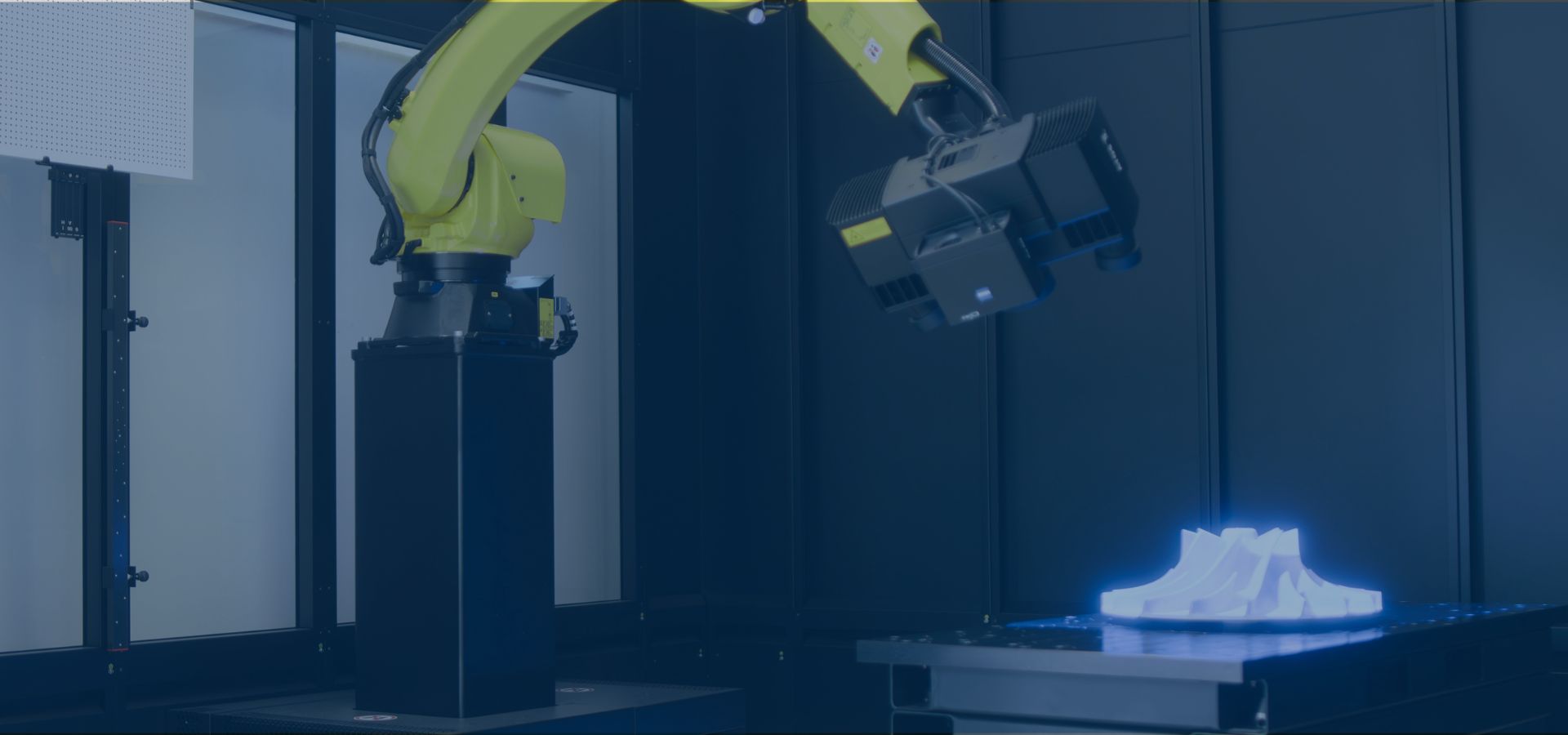
However, modern optical processes can also offer very high precision. Their advantage is the higher speed and the non-contact mode of operation.
Optical probes in 3D coordinate measuring technology can be based on the following methods:
- Photogrammetry
- Line sensors
- Strip projection
- Laser scanning
- Stereoscopic digital photography
- Gray value evaluation
- Contrast method
- Confocal and interferometric sensors
In addition, electrical distance sensors are another alternative to the tactile measuring system. These methods work with radar sensors or electromagnetic proximity sensors.
Despite the many advantages offered by optical methods, tactile 3D coordinate measuring technology currently remains the standard method.
Use of the 3D coordinate measuring machine
Measurement in the 3D coordinate system is not suitable for serial testing of components due to its lengthy operation.
They can be used universally due to their point or linear measuring method. If the product is of a suitable size, it is possible to approach the defined measuring points with the 3D coordinate measuring machine.
The following component parameters are checked in these test procedures:
- Dimensions
- Angle
- Shape
- Location
Measurement is possible on standard geometries such as spheres, cuboids, pyramids or cylinders as well as on free-form surfaces. However, the latter require a correspondingly large number of measuring points for validation due to their individual surface profile.
With standard geometries, on the other hand, only a few points are sufficient to check the exact design of the respective component. The measurement of workpieces pursues the following three objectives:
- Shape check (conformity check)
- Zero series control
- Spot check
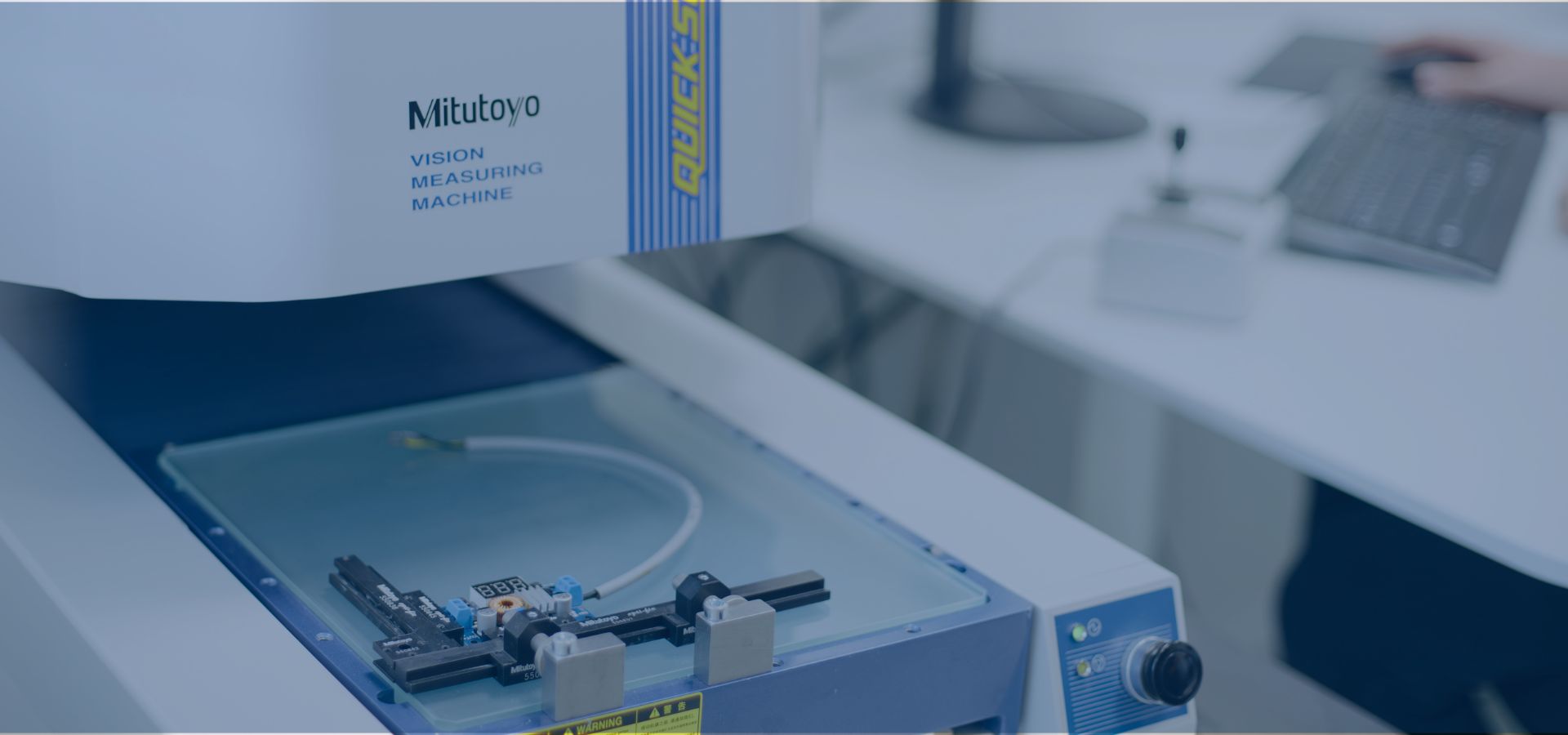
Shape testing is used for prototypes and individual items. They are comparatively uncritical in terms of time, which is why they can be designed to be particularly complex. During the pilot series inspection, the first products in series production are checked for dimensional accuracy. For large quantities, an optical 2D measurement with a camera equipped with auto-zoom and auto-focus, which generates repeatable images, is also suitable.
This ensures that the production machines are set correctly for series production. Random checks during production are used for normal quality assurance.
In addition to checking workpieces, the tools used are also regularly tested for their tolerances in a 3D coordinate measuring system. A typical example of this are injection and die-casting tools for the production of molded parts made of plastic, zinc or aluminum.
Checking the cavities of the tools ensures that no series errors can occur. For critical components, 3D coordinate measurement is also an important tool for validating products after production.
In addition to the aforementioned tools, turbine blades of aircraft engines or ship propellers are worth mentioning here. These are checked for dimensional accuracy at intervals using precise measurement in the 3D coordinate system.
This measurement is used to validate the continued suitability of the component for use and to draw conclusions about wear behavior. In the event of an atypical wear pattern, the causes can be investigated and potential weak points eliminated.
Preparation
To carry out a measurement in the 3D coordinate system, the device requires preparation. As extremely small distances are determined using 3D coordinate measuring technology, external factors play a major role. These include the following parameters:
- Ambient temperature
- Workpiece temperature
- Humidity, if applicable
- Features of the measuring head
- Effective probing forces
Materials, especially metals, expand under the influence of heat and contract again when cold. The larger a component is, the more serious the resulting forces and shape deviations become.
It is therefore important to specify the ambient and workpiece temperature before the measuring process. With this information, the connected computer can calculate the shape deviations and take them into account in the evaluation.
The ideal complement for measuring in a 3D coordinate system is therefore an air-conditioned laboratory and an annealing cabinet. The component is brought to the ideal temperature in this. This eliminates any form deviations due to the influence of heat.
3D coordinate measuring technology is therefore only really useful for monolithic components. Complex components made of different materials have a deformation behavior that is difficult to calculate under the influence of temperature.
This applies in particular to hydraulic or pneumatic components. Linear motors are therefore broken down into their components before measurement. The behavior of the individual components can then be extrapolated from the values obtained or checked using other methods.
Humidity can falsify the results, especially with measuring test methods. In particular, measuring probes with integrated potentiometers can lose precision if the humidity is too high. Here too, a temperature chamber and air conditioning system can help to eliminate these disturbance variables.
The probes of a measuring system can differ in shape, diameter and size. Depending on the product being tested, the use of one or the other probe makes sense. The choice of probe head must be entered in the 3D coordinate system before starting the measurement. This is the only way to ensure that the values output are really valid.
Limits of 3D coordinate measuring technology
3D coordinate measuring technology is a suitable method for measuring the exact dimensions of a workpiece and the relationships between the individual components. This measuring system can only make limited statements about the surface of a product.
The relevant measured values recorded in the surface analysis are too small for this. Touch-step or optical methods that have been specially developed for testing surfaces are suitable for this purpose.
Furthermore, 3D coordinate measuring technology cannot make any statements about the load-bearing capacity or chemical composition of a component. This requires mechanical-technical procedures that are specially designed for testing these parameters.
Universal testing machines, impact hammers and hardness testers are available for mechanical testing. Spectral analysis is the established method for testing chemical composition.
However, both test procedures do not fall under component inspection, but under materials testing. This is also a measuring system for quality assurance. However, it does not test the component itself, but the material from which it was manufactured.
After all, 3D coordinate measuring technology can only inspect a component from the outside. Internal defects remain undetected by the measurement or can only be detected indirectly. Ultrasonic measurement and X-ray inspection are the most common approaches for a detailed inspection of the internal structure of a workpiece.
Ultrasonic testing using industrial computer tomography is impressive due to its speed and particularly safe mode of operation. However, it only has a limited measuring range. However, classic ultrasonic testing should not be confused with modern ultrasonic probes, which have recently been used in 3D coordinate measuring technology.
These are alternatives to probes and only measure the surface of the component in the 3D coordinate system. Conventional ultrasonic testing, on the other hand, looks deep into the material and detects faults such as cracks, cavities, inclusions or pores.
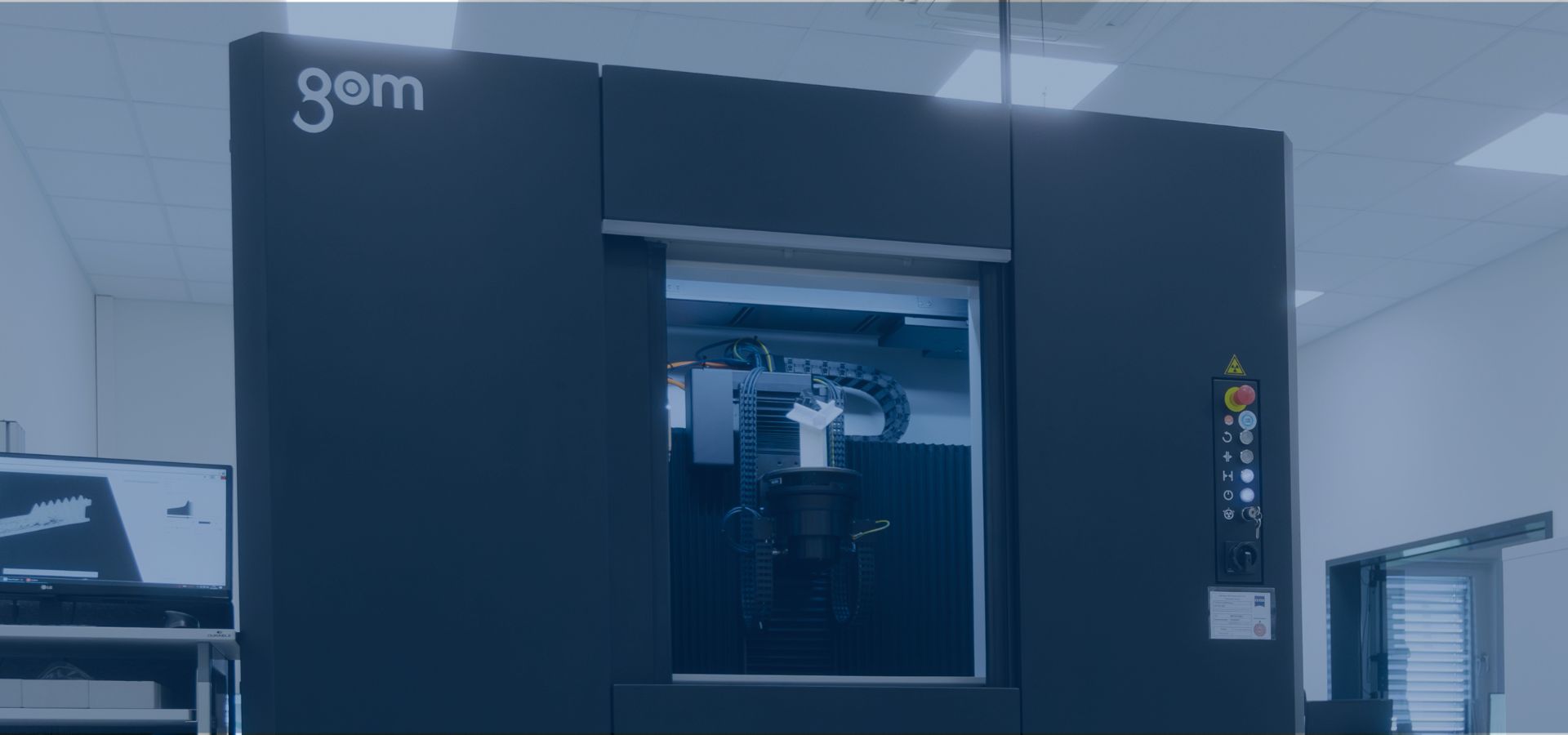
X-ray inspection devices are available to examine a component as a whole. These have already been developed to such an extent that they can generate spatial images of internal structures. They can therefore be used as coordinate measuring machines for cavities that are invisible from the outside. However, they do not (yet) count as 3D coordinate measuring technology in the classic sense.
Outlook on 3D coordinate measuring technology
Measurement in the 3D coordinate system is subject to high innovation pressure. The classic tactile methods in particular are no longer up to date due to their slow approach.
At present, the classic tactile coordinate measuring machine is still the measure of all things. No other measuring system has yet been able to establish itself on the market. However, there is a lot to be said for non-contact methods.
Easier calibration, wear-free 3D coordinate measuring technology, faster recording of measured values are strong arguments for considering alternatives. Stereophotographs are particularly interesting.
With this method, two digital cameras are used instead of a 3D coordinate measuring machine. These photograph the component from a different angle. The computer generates a digital image from this, which can be freely rotated and measured in the 3D coordinate system.
Inspection in space with 3D coordinate measuring technology
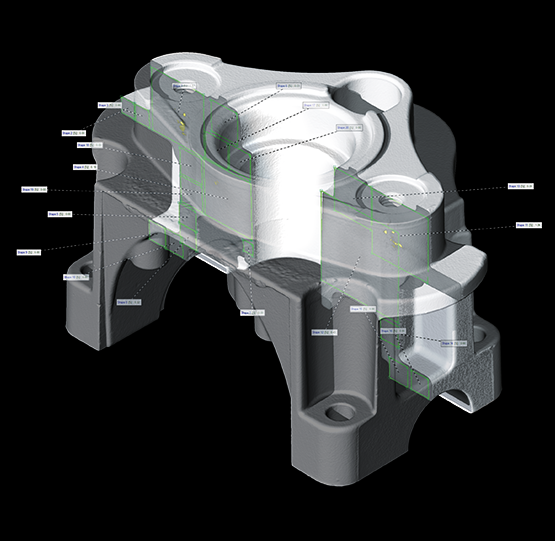
The measurement in the 3D coordinate system records specific geometries of a component. A connected computer interprets these values and provides corresponding information on dimensional accuracy and tolerance deviations.
Measurements in the 3D coordinate system are very time-consuming and complex using tactile methods. So far, however, there has been no alternative for the required precision. However, measurement in the 3D coordinate system will soon be increasingly extended to photometric methods.
In addition, combined testing methods are also conceivable that increase the size of the measuring system. For example, a combination of photometric and ultrasonic testing could not only check the geometry of a component, but also the thickness of a coating. The results are presented in comprehensively visualized measurement reports from 3DIMETIK to enable rapid analyses.
The manufacturers of test equipment for measuring in the 3D coordinate system are working hard to replace the established methods with more efficient approaches.
In the future, a 3D coordinate measuring machine is conceivable that can check a whole range of different quality criteria in a matter of seconds. The innovative 3D coordinate measuring technology is therefore on the way to automated 100% inspection in series production of any quantity.