

Detect new tolerance ranges with 3D measurement technology
Standard for tolerances: ISO 8015
ISO 8015 is the standard that deals with the recording and definition of tolerances. It describes in detail which tolerances occur in production technology and how they can be recorded by a quality system.
What is a tolerance according to ISO 8015?
When a component is drawn, the designer determines its ideal dimensions. However, it is never possible to produce these completely in consistent quality in individual and series production.
This is due to permanent wear and tear on the production equipment or external influences during production.
This can be the removal of material from the tools. Likewise, the bearings and guides in the production machines themselves are often enough the cause of series components being manufactured with varying dimensional accuracy. The quality control of components is shown in our visual measurement reports. We obtain the results using various measurement methods, such as
- 3D measurement technology
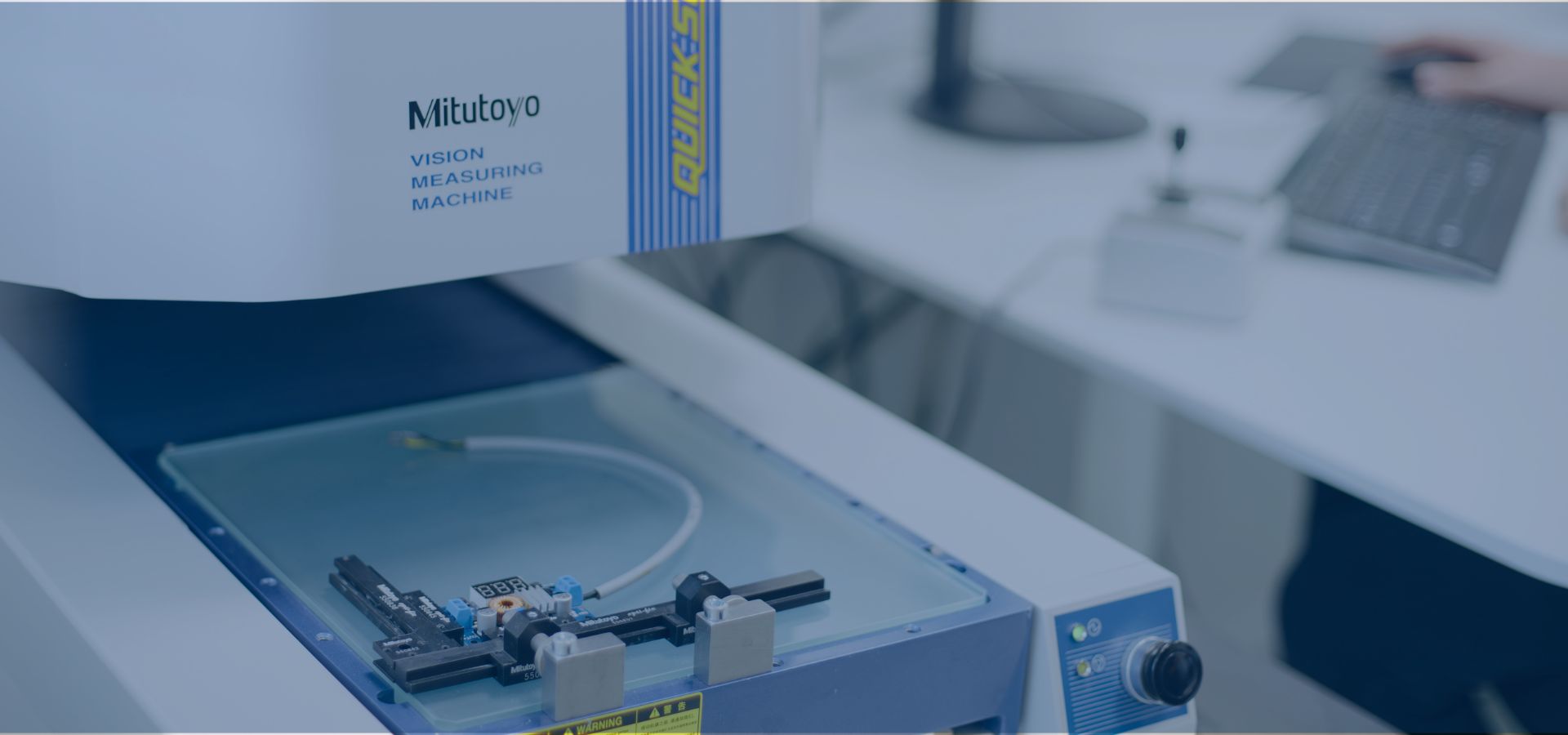
- optical 2D measurements
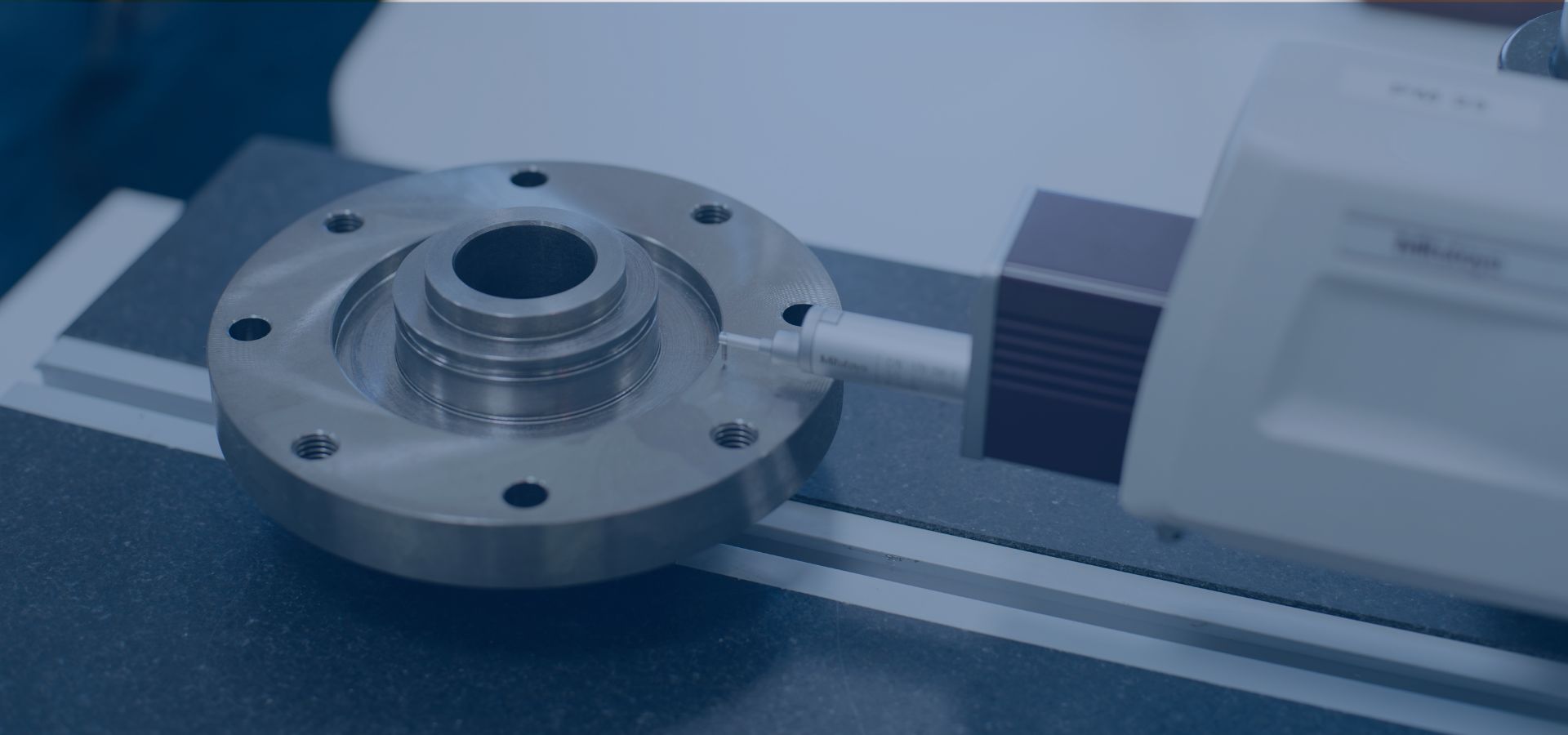
- Tactile measurement technology
- Surface measurements
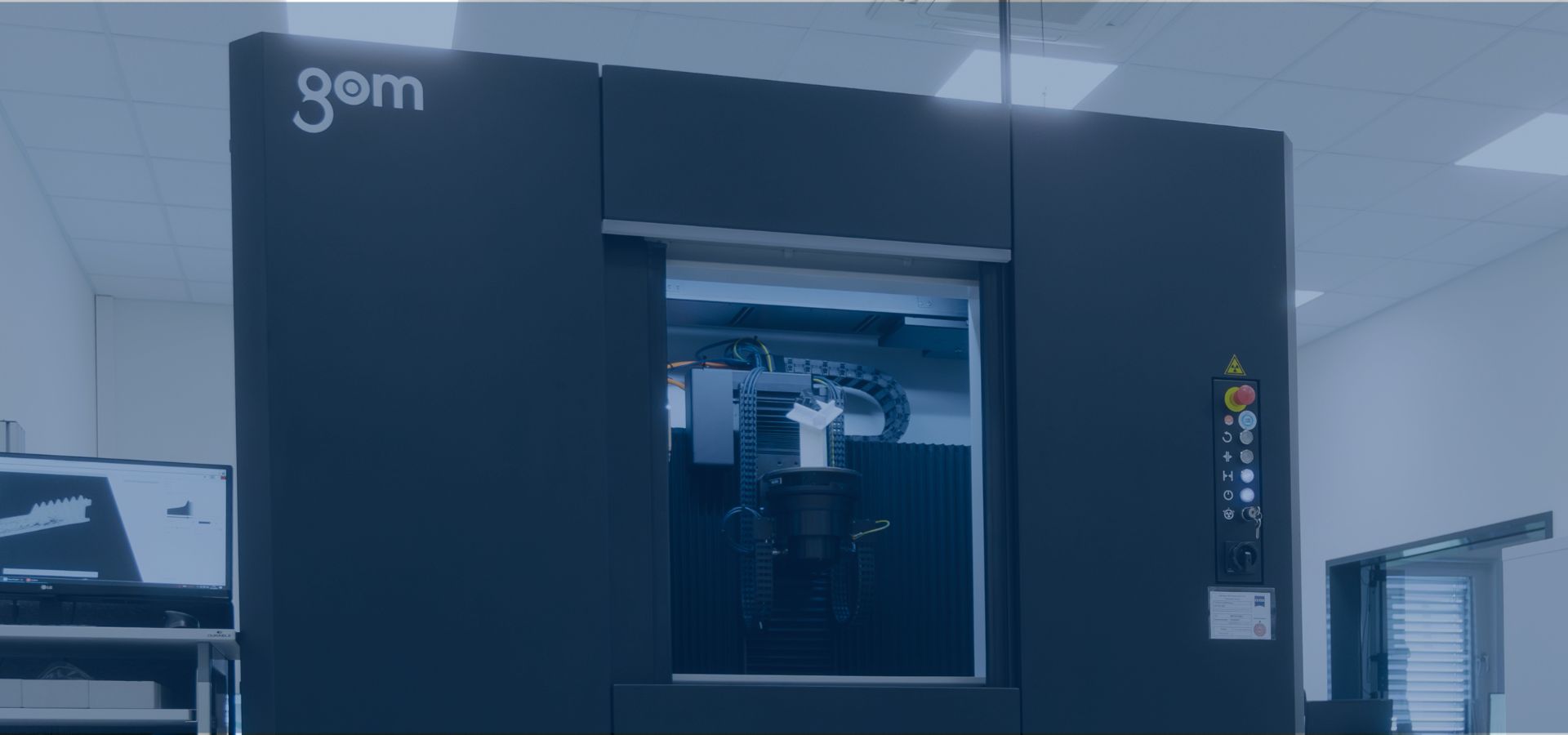
- Industrial computed tomography
Most of these components then no longer correspond to the original specification from the drawing. However, they can still be used for their intended purpose.
However, when a component is no longer usable must be defined in the specifications for the tolerance. ISO 8015 specifies how this is done and how it must be formulated.
Measuring tolerance with ISO 8015
ISO 8015 differentiates between dimensional, form, surface and position tolerances. The previously valid “envelope principle” has been replaced by ISO 8015 with the “independence principle”.
The“envelope principle” considered a component in such a way that it was “enveloped” by the various tolerances. As long as it moved within this “envelope”, it was “within tolerance”. The envelope principle according to DIN 7167 is considered withdrawn.
ISO 8015 takes exactly the opposite approach with the “independence principle”: this states that each tolerance should be considered individually and independently of the other tolerances. In this way, ISO 8015 achieves greater reliability and precision.
Dimensional tolerances
What a designer draws is referred to as the “nominal dimension” or “zero line”. The dimensional tolerance now specifies how far the actual dimensions of a component may deviate from this zero line.
Ideally, a dimensional tolerance always specifies a positive and a negative value. This does not necessarily have to be identical in terms of amount.
The extent to which an oversize or undersize of a component dimension is permissible always depends on the individual case.
In the drawing, the lower dimension is noted next to the nominal dimension with a minus sign. The upper dimension is written above the lower dimension with a plus sign. This clearly indicates the tolerances of this dimension in accordance with ISO 8015.
Instead of specifying concrete dimensions for a tolerance, the designer can also specify a general tolerance framework.
ISO 8015 offers the categories H, K and L for this purpose. However, the tolerance classes “Fine”, “Medium”, “Coarse” and “Very coarse” from DIN ISO 2768-1 are also in use and valid today.
Shape tolerances
A shape tolerance specifies which geometric properties a workpiece must have. A distinction is made between shape, orientation and profile.
Properties such as parallelism, surface flatness, roundness and angles are checked.
Position tolerances
The position tolerance checks how the component may behave when installed. Typical characteristics are the symmetry, position or concentricity of a radial component.
Checking tolerances in accordance with ISO 8015 using 3D measurement technology
A tolerance range must always be defined and checked. Even if only a single component is manufactured, it must be checked whether the specified dimensions in accordance with ISO 8015 have been adhered to.
For small and medium-sized milled parts, manual checking of the dimensions using traditional measuring equipment can be sufficient.
However, this can be very time-consuming for complex geometries. This is particularly time-consuming and error-prone when it comes to series parts.
For large series, a 100% inspection is not usually carried out, but the dimensional accuracy of the components is checked using random samples.
It is often no longer practical to check the tolerances of large components by hand.
Depending on how tight the tolerance according to ISO 8015 was designed, external factors alone can overtax a traditional measuring device. In this case, other methods must be used to reliably check the dimensional accuracy in accordance with ISO 8015.
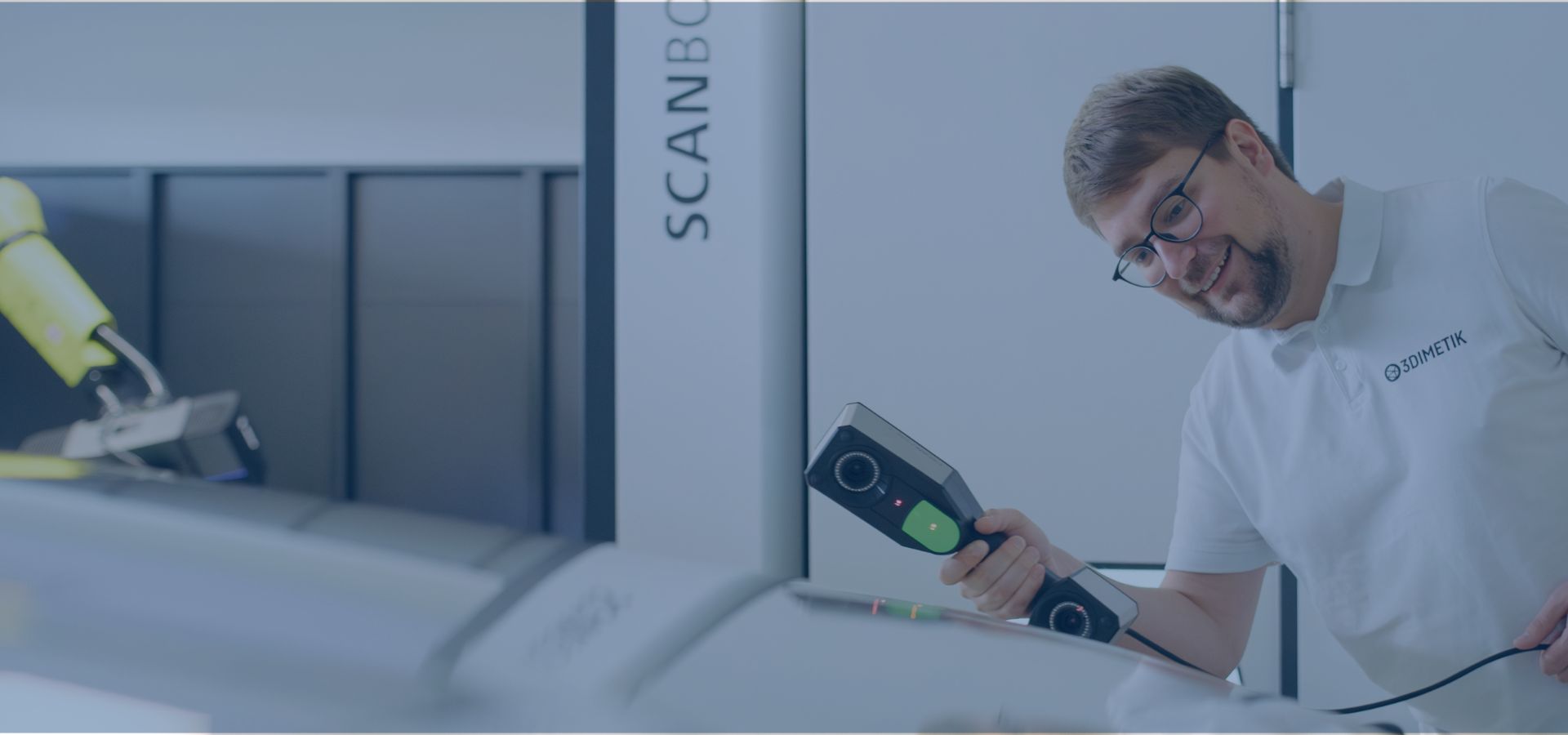
Here, 3D measurement technology can help to check the tolerances in accordance with ISO 8015. Tactile and optical methods are used for 3D measurement technology.
3D measurement technology with tactile methods is often used for large components, such as welded constructions.
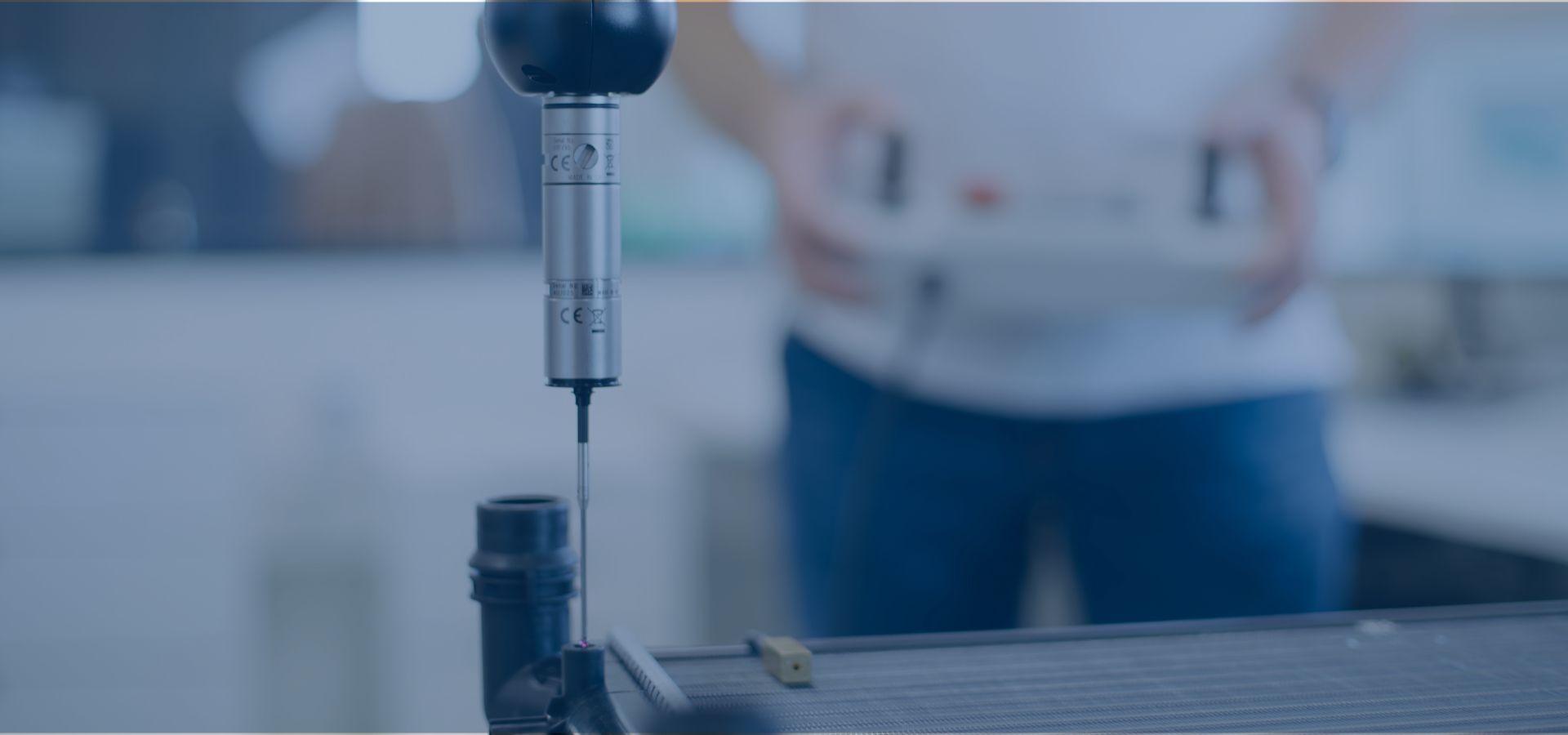
The product is clamped in a defined location. A highly sensitive measuring head then moves to predetermined points and checks their exact position.
From this, a program calculates all the tolerances that need to be checked. The disadvantage of this 3D measuring technology is that it is very expensive and very slow. It also requires a high level of qualification in terms of operation and maintenance.
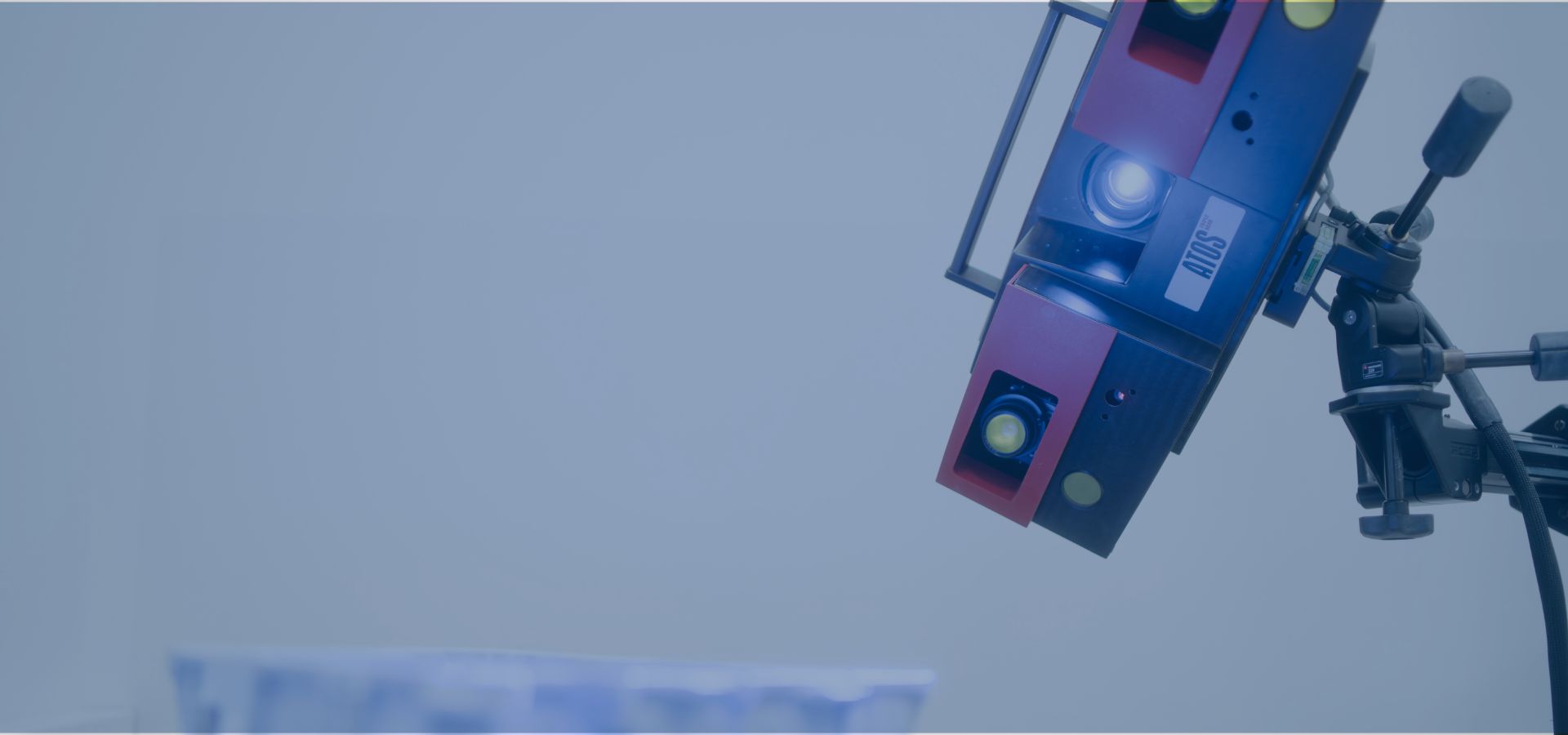
To check tolerances in accordance with ISO 8015, two methods have become established in 3D measurement technology that use optical processes. These are laser scanning and photogrammetry
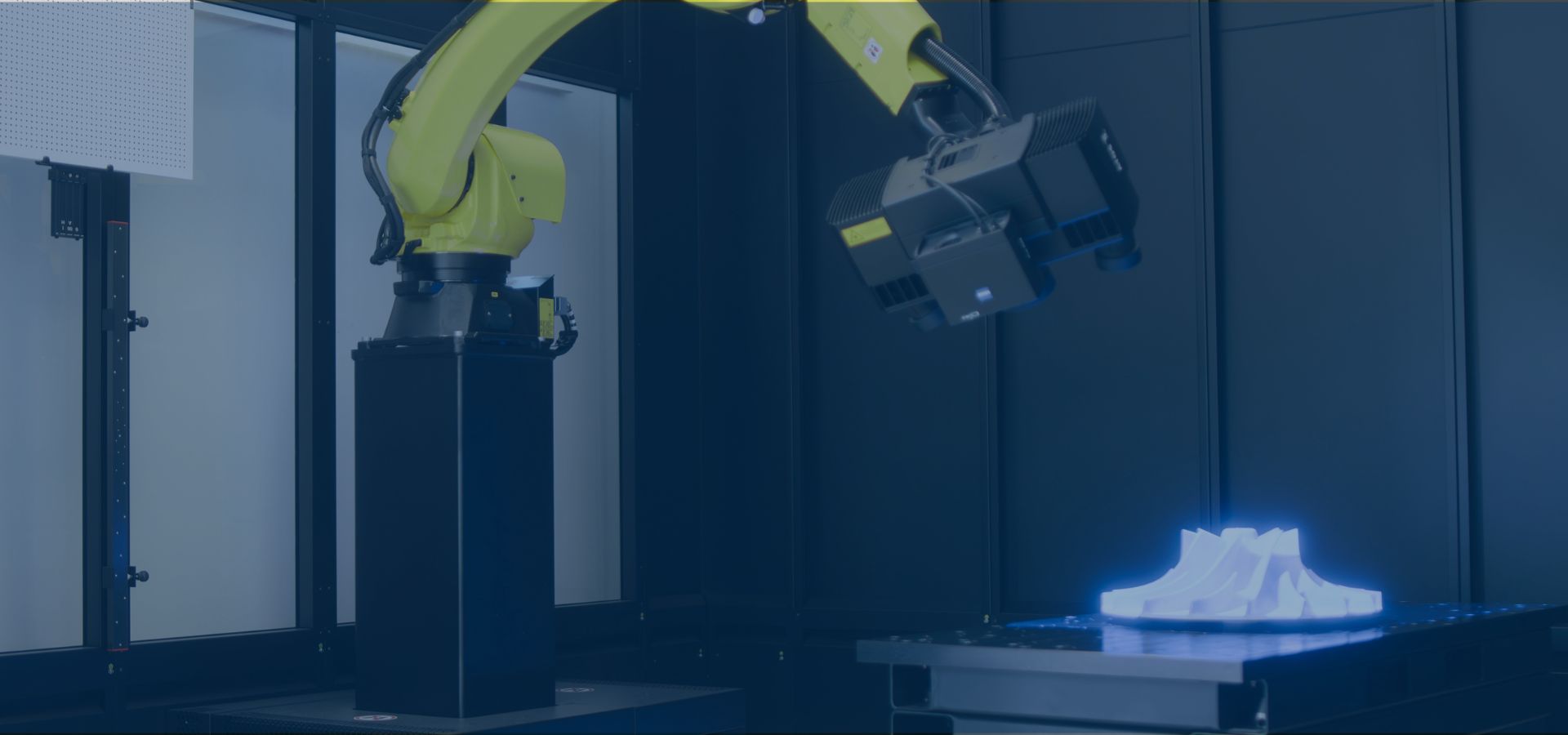
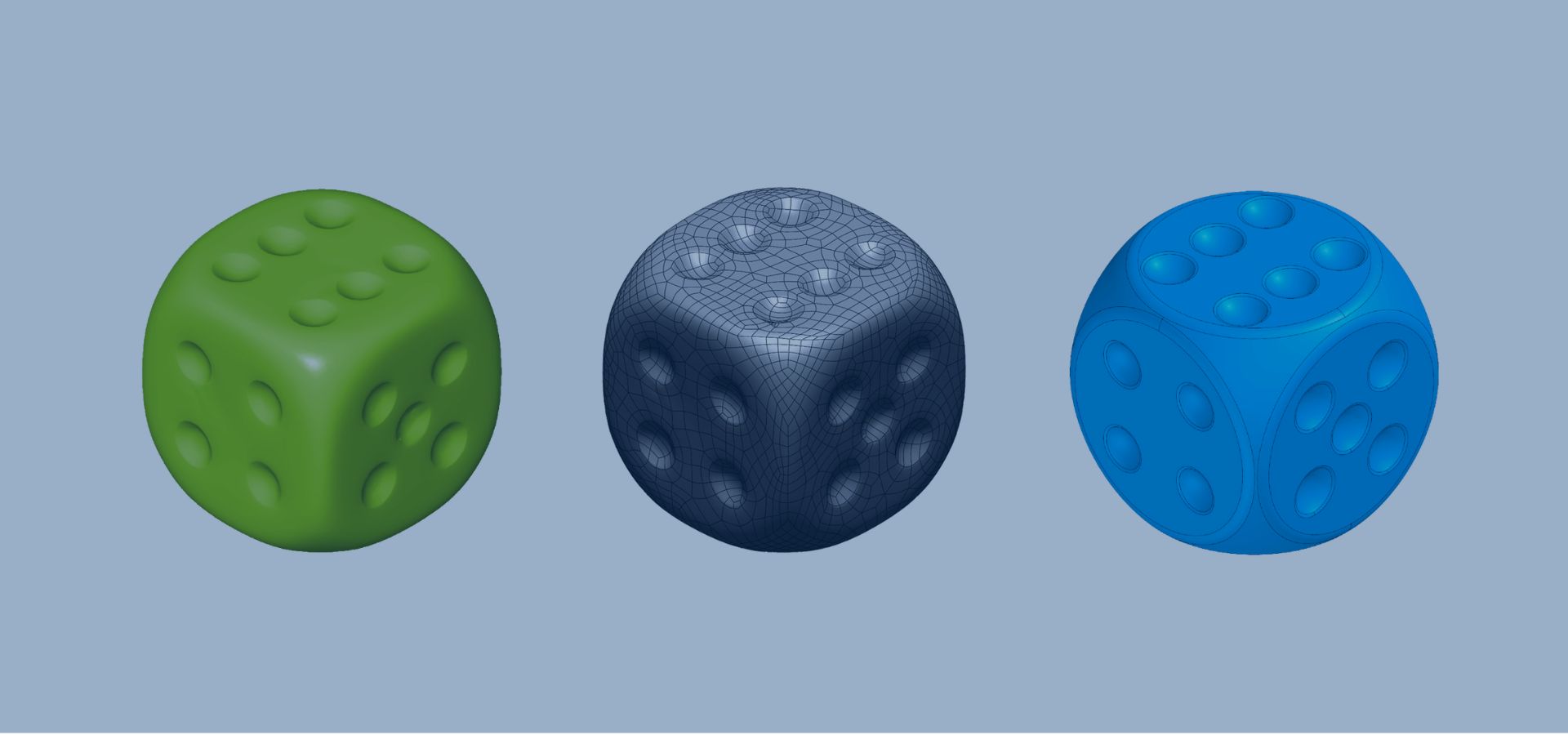
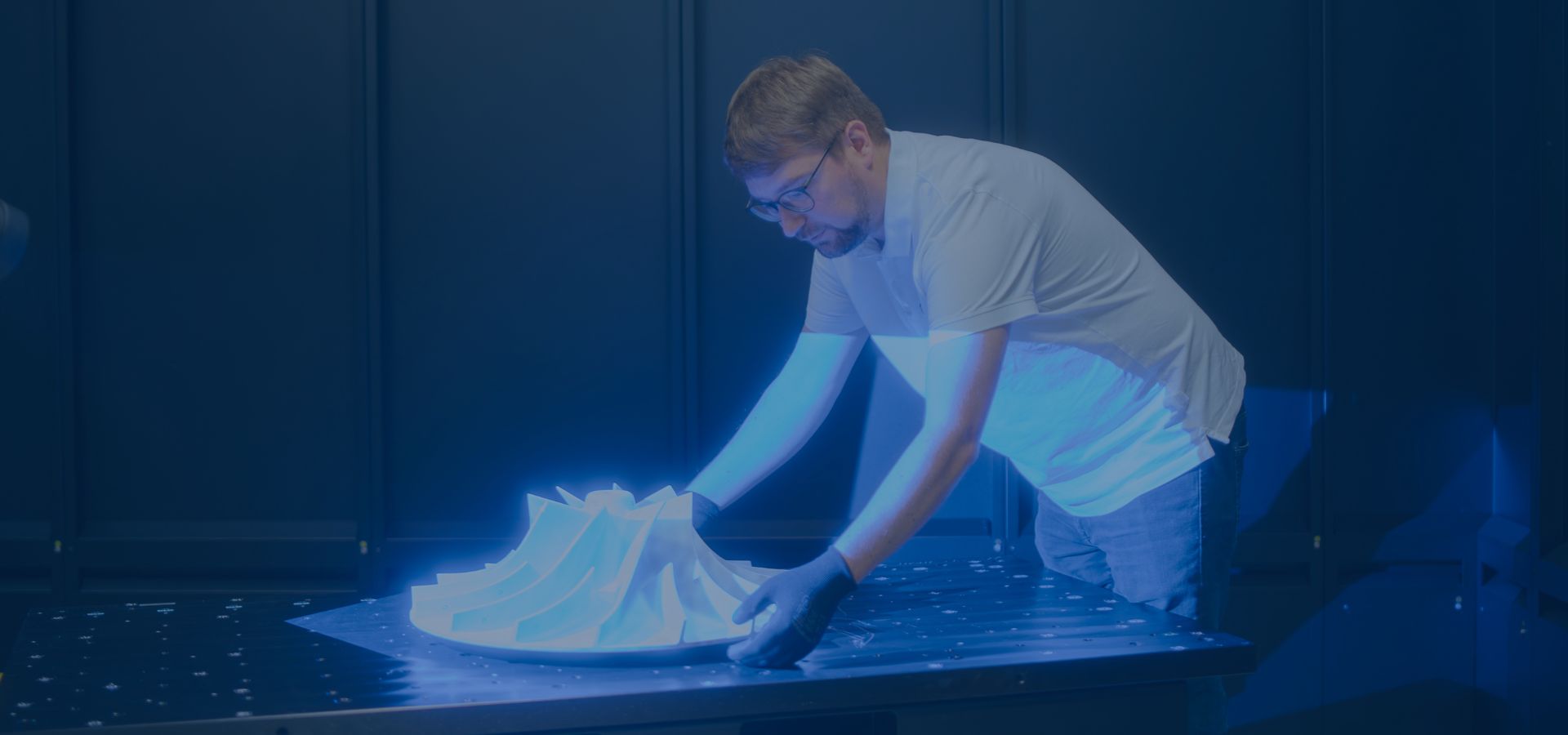
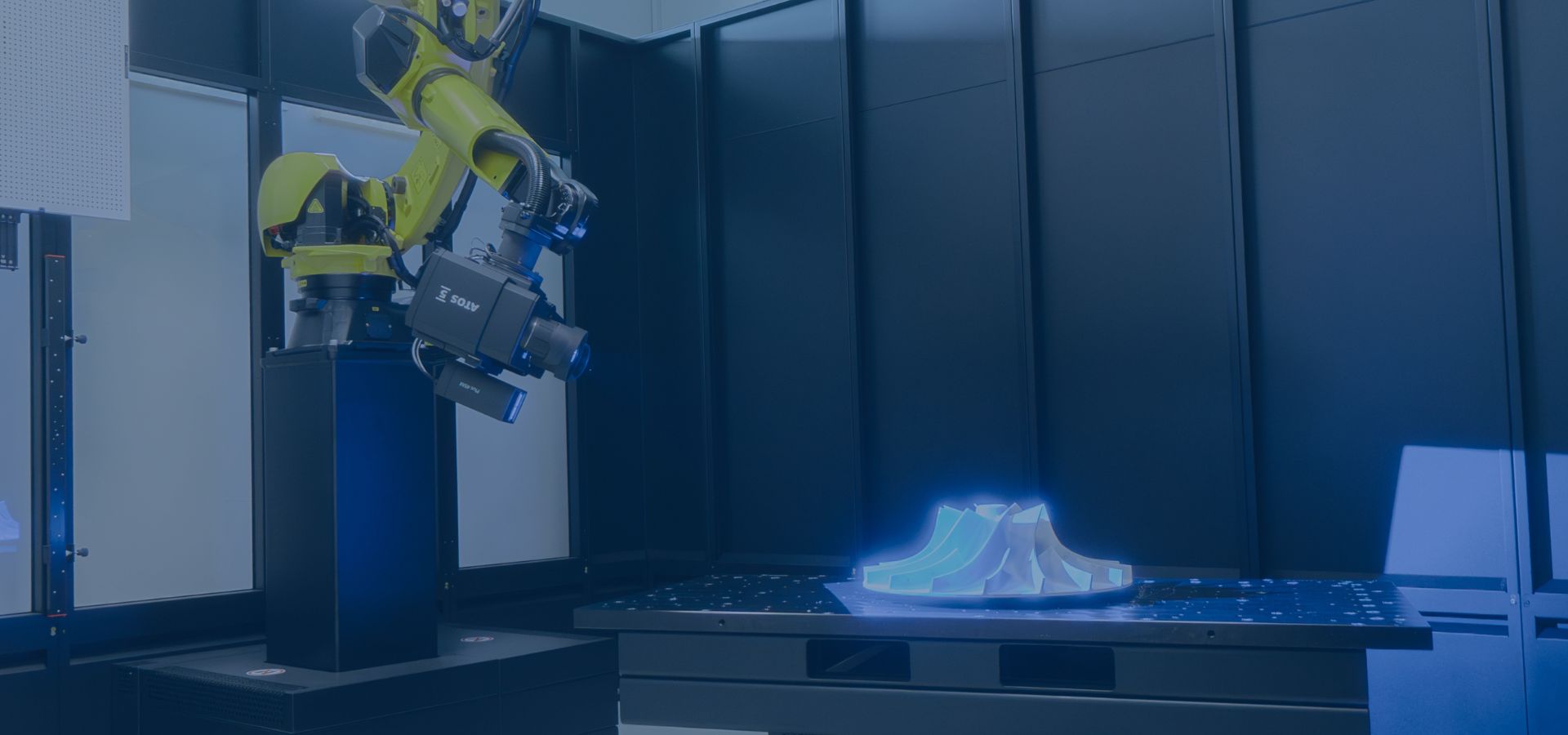
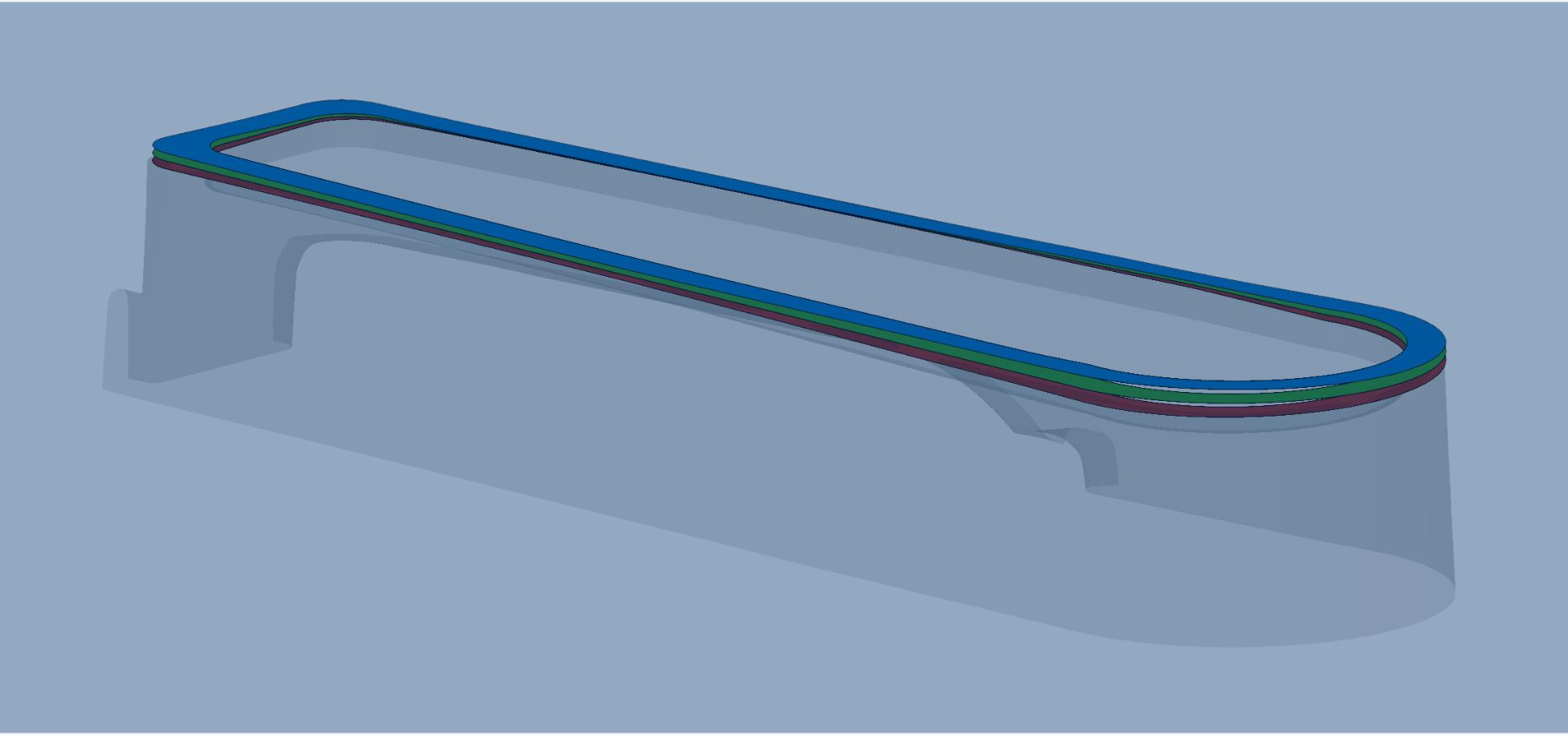
In the 3D measurement technology of laser scanning, a laser moves around the workpiece and captures its entirety with high precision. The result of this 3D measurement technology is an image of the product in a program.
The product is shown on a display using imaging techniques. The tolerances specified in accordance with ISO 8015 can thus be automatically recorded and evaluated.
Depending on the size of the product, the product itself is rotated or the laser scanner moves around the product independently using 3D laser scanning measurement technology.
This 3D measurement technology is particularly useful for irregularly shaped contours and surfaces. Common applications for determining tolerances in accordance with ISO 8015 are mold and tool making. Here they are mainly used for injection and die-casting molds.
Photogrammetry is still a relatively new method in 3D measurement technology. The object to be measured is photographed from the outside. With the help of reference dimensions, an imaging program also calculates a true-to-scale image of the object.
All tolerances in accordance with ISO 8015 can be read from this. The 3D measurement technology of photogrammetry is well suited for particularly large objects.
This 3D measurement technology is also quite inexpensive and very fast. Due to its speed, it can also be used for smaller series products.
Photogrammetry is being developed at full speed and is poised to become a suitable 3D measuring technique for 100% tolerance testing in accordance with ISO 8015 for every batch size