

Measurement technician
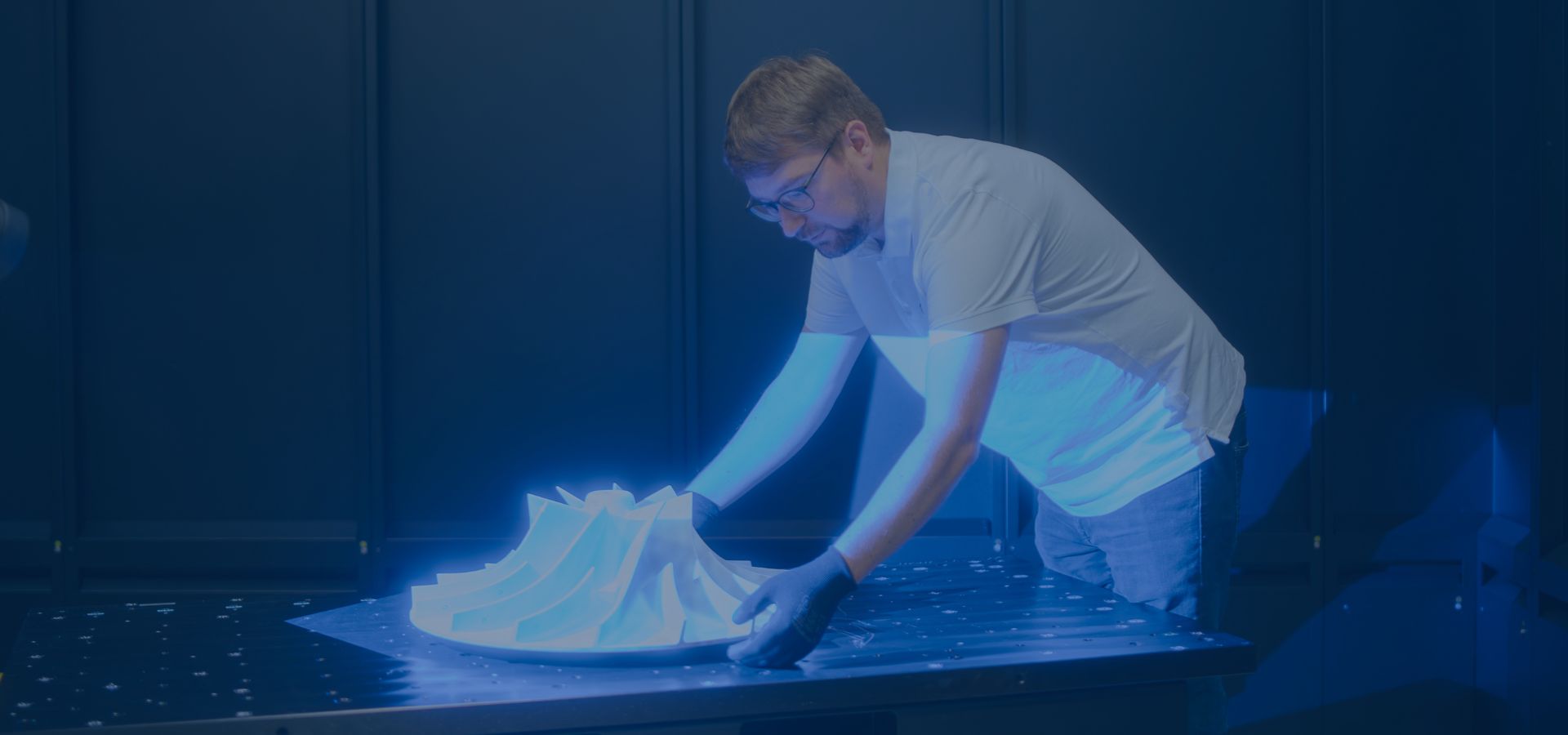
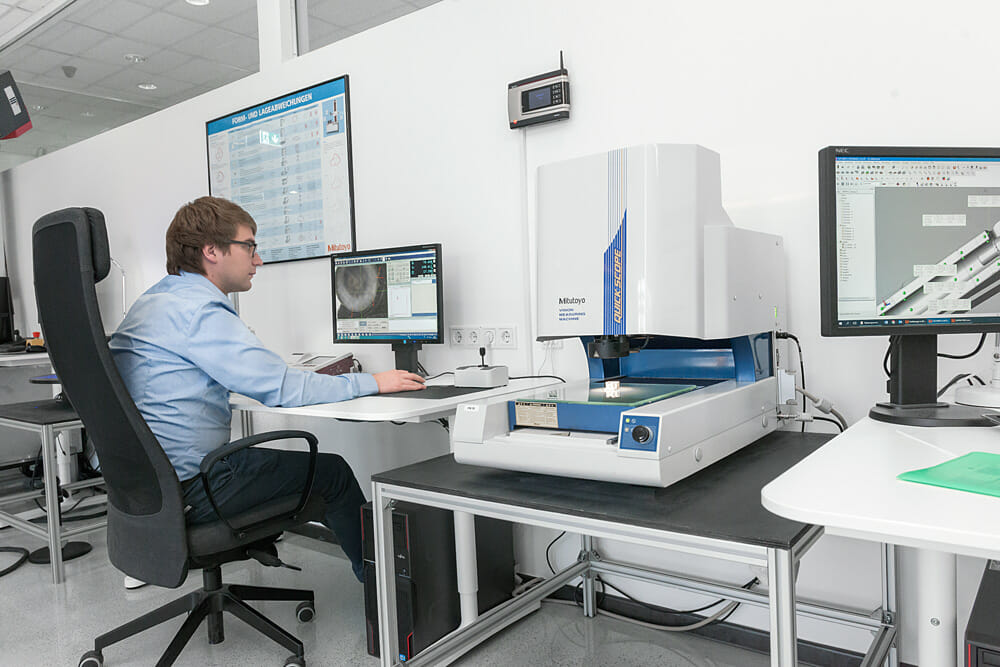
The measurement technician for quality assurance sets up the devices for component and process testing. The products are checked on these.
Furthermore, a measurement technician uses various measurement methods to create visualized measurement reports that help with the optimization and analysis of components.
What does a measurement technician do?
A measurement technician is a quality assurance employee in production and development. Their task is to monitor the testing and control devices that check the products for their tolerance specifications.
Depending on the type of tolerance specification, different inspection devices are used. This specialist for tolerance control and quality assurance differs from the materials tester in that he concentrates on the dimensions of the finished product.
Materials testing therefore precedes metrology. It tests the quality of a base material independently of its shape. However, both disciplines work together and support each other if undesirable tolerances are exceeded.
Tasks of the measurement technician
The tolerance control specialist has the task of designing the performance of production machines so that they manufacture products of consistent quality.
The quality specifications always come from the customer. They specify in their specifications what the products to be manufactured should look like and how many units are to be delivered within a certain period of time.
Ensuring the economic efficiency of production is a secondary objective for measurement technology, but it should not be ignored.
The tolerances of a product are within certain limits:
A product is subjected to defined physical conditions in order to comply with customer specifications. The processes available for manufacturing a product are primary forming, forming, machining, finishing and coating.
Primary molding is the casting, die casting or injection molding of a product in a defined mold. After cooling, the product is finished. This process is used for plastic products, for example.
Forming includes bending, pressing and deep drawing. Machining includes the processing methods of turning, milling, sawing, grinding, polishing and lapping. The material properties of a product can be changed by etching and hardening.
Finally, the coating methods are painting, powder coating and electroplating. Finally, the products must also be manufactured at an economically viable speed.
Compliance with time specifications is therefore also one of the monitoring tasks of the measurement technician.
The metrology and quality assurance specialist therefore monitors the physical variables that affect a product during production. These are as follows:
- Dimensions
- Mass
- Active forces
- Electrical current, if applicable (e.g. during electroplating)
- Heat
- Time
The specialist for measurement technology and quality assurance does not so much set up the production machines themselves. Even with modern machines, this is the job of the machine setters.
The tolerance control specialist is primarily responsible for calibrating the control devices that check the tolerances of a finished product. With modern production machines, however, there is now a great deal of overlap here.
Tolerance control is included in the functional scope of many processing machines. For example, modern CNC milling machines have an optional integrated coordinate measuring function.
The tolerance control specialist can therefore be comprehensively responsible for the readiness of the production machines.
The person responsible for measurement technology and quality assurance carries out some of the checks themselves. This applies in particular to random samples in which a product is checked for all parameters.
However, its task is also to keep the automatic or manual control systems of a production machine in working order. Manual control systems enable the machine operator to check the products independently.
The quality officer supplies the tools and maintains them. Automatic control systems detect rejects and reject them. However, this does not relieve the tolerance control specialist of his duties, on the contrary: the scrap itself may only be quantitatively within a defined tolerance.
If this figure is exceeded or undercut, either the manufacturing processes or the control processes are not in order.
Areas of application for measurement technology
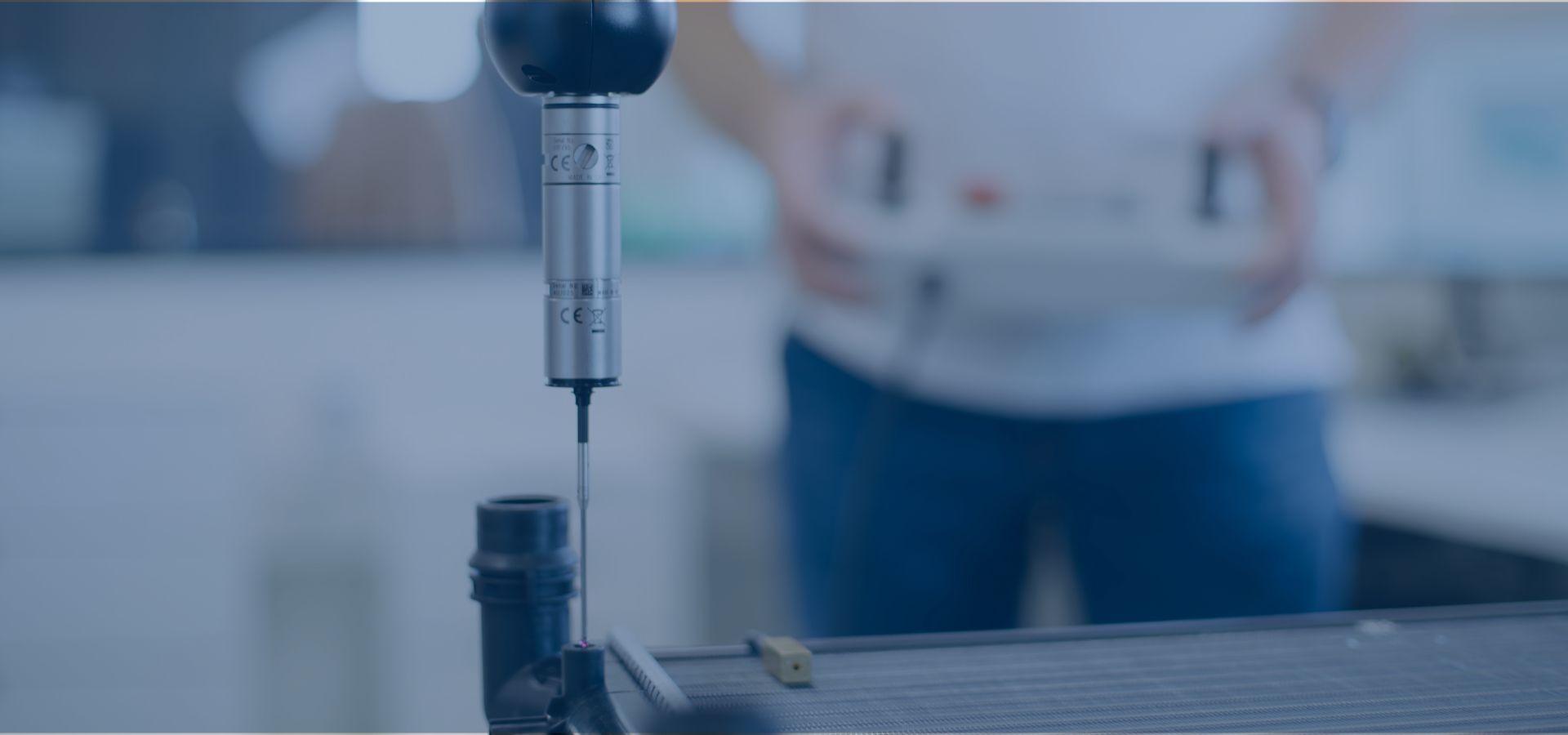
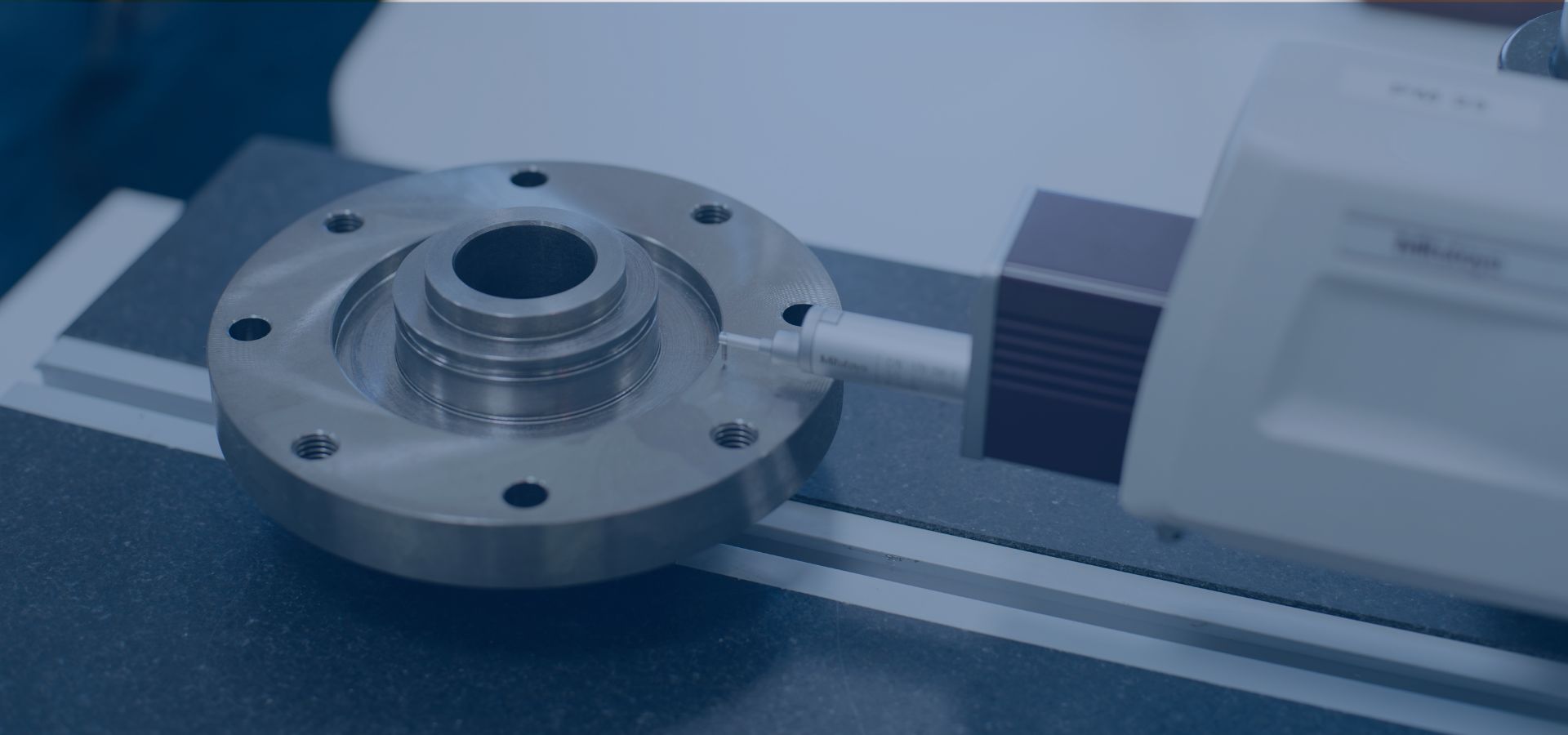
An innovative and extensive range of measuring equipment is essential for a measurement technician to meet the requirements of different components. This is the only way to maintain the most precise tolerances, measure all sizes and even create internal views of components. High-precision measurements are achieved using tactile measuring methods, in which sensitive probes examine the component for deviations from the tolerance of surfaces, for example, also known as surface measurement.
Tools for the tolerance control specialist
Compliance with tolerance specifications is a decisive factor for productivity and cost-effectiveness. This is especially true for large series. The more precisely the tolerances are adhered to, the less material is wasted and the better the product fits into its assembly.
When it comes to the methods, machines and tools used, metrology specialists and materials testers have the greatest overlap. Typical tools used in metrology are as follows:
- 3D coordinate measuring machine
- Microscope
- Universal tractor
- Notched-peen hammer
- Spectrometer
- Scales
- Ultrasonic devices
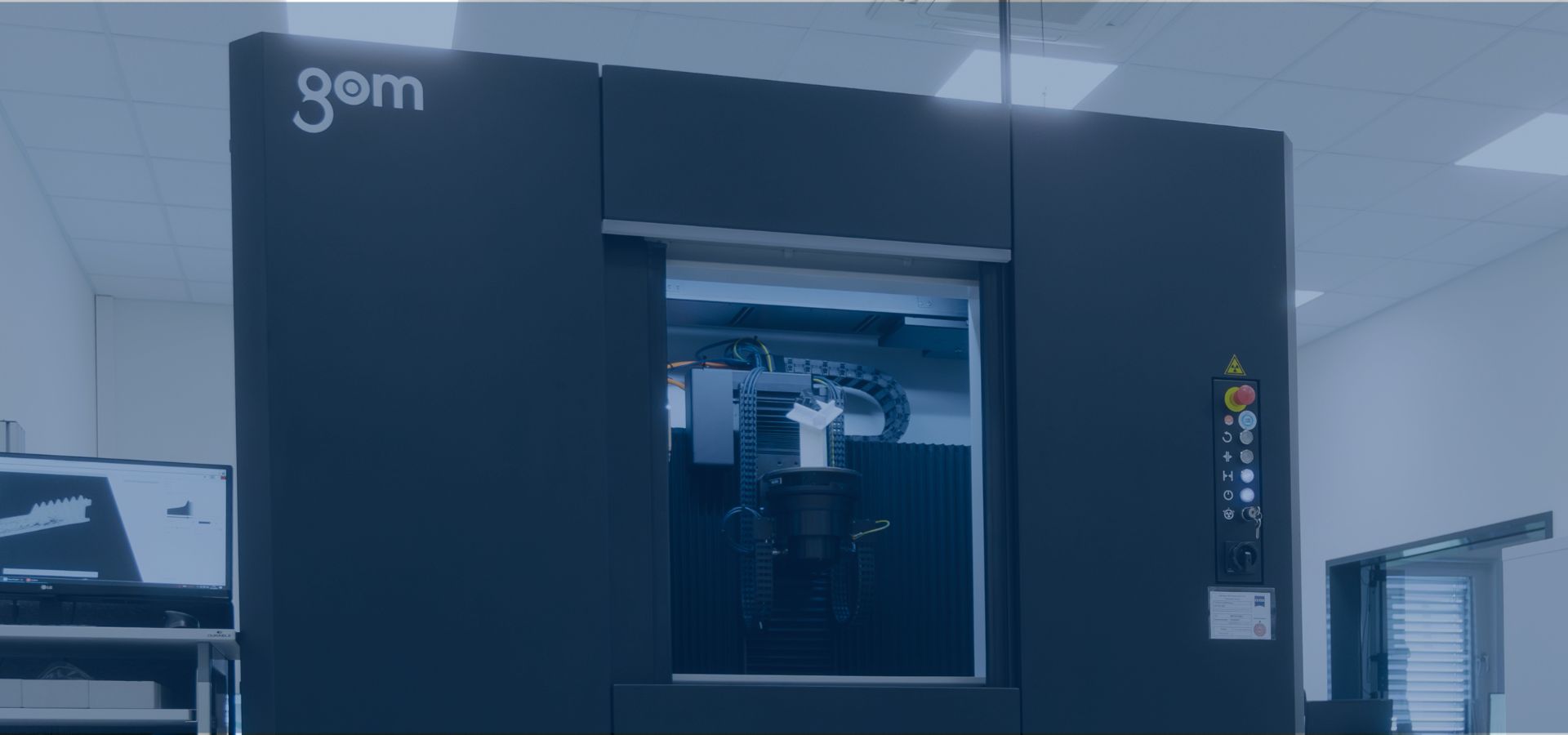
- X-ray inspection devices
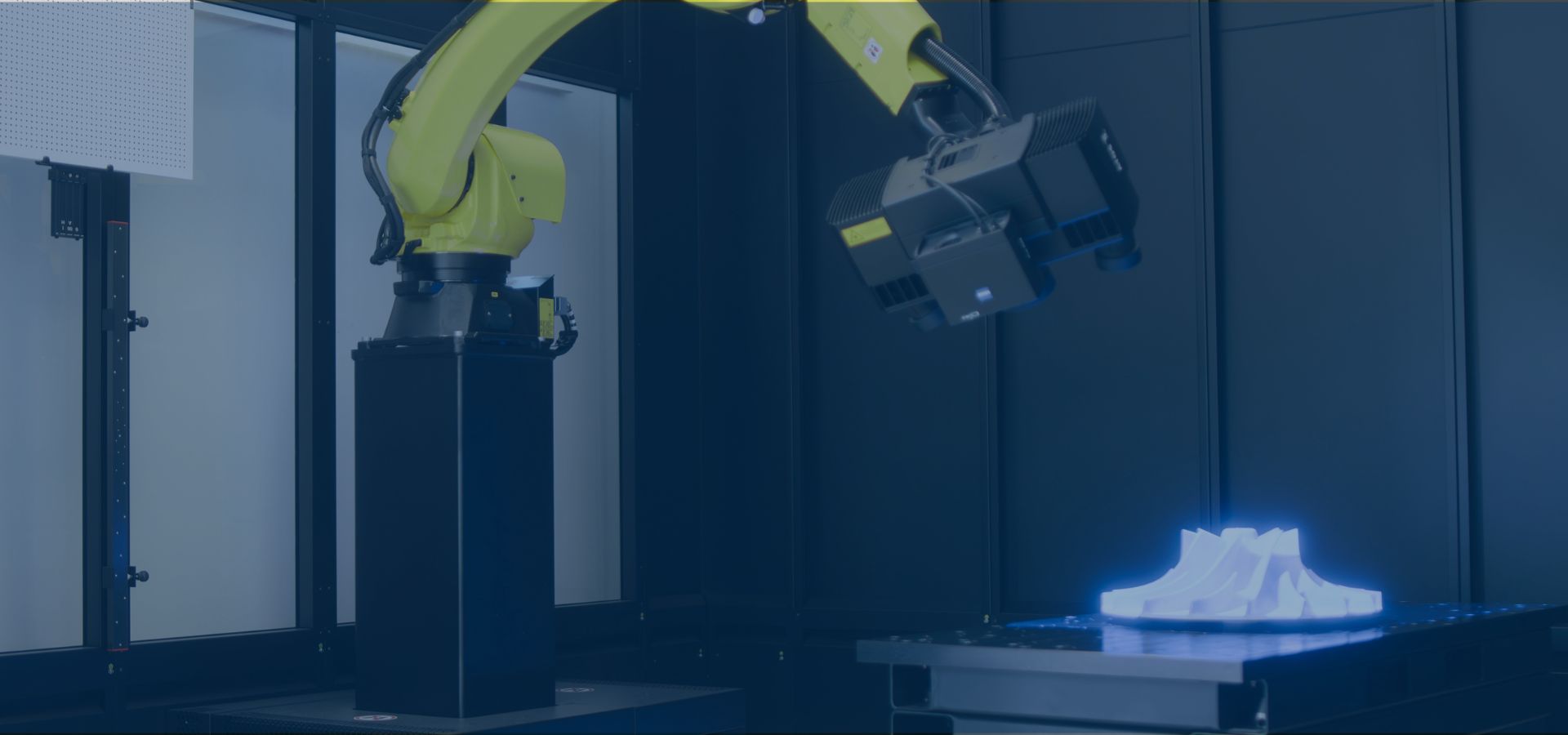
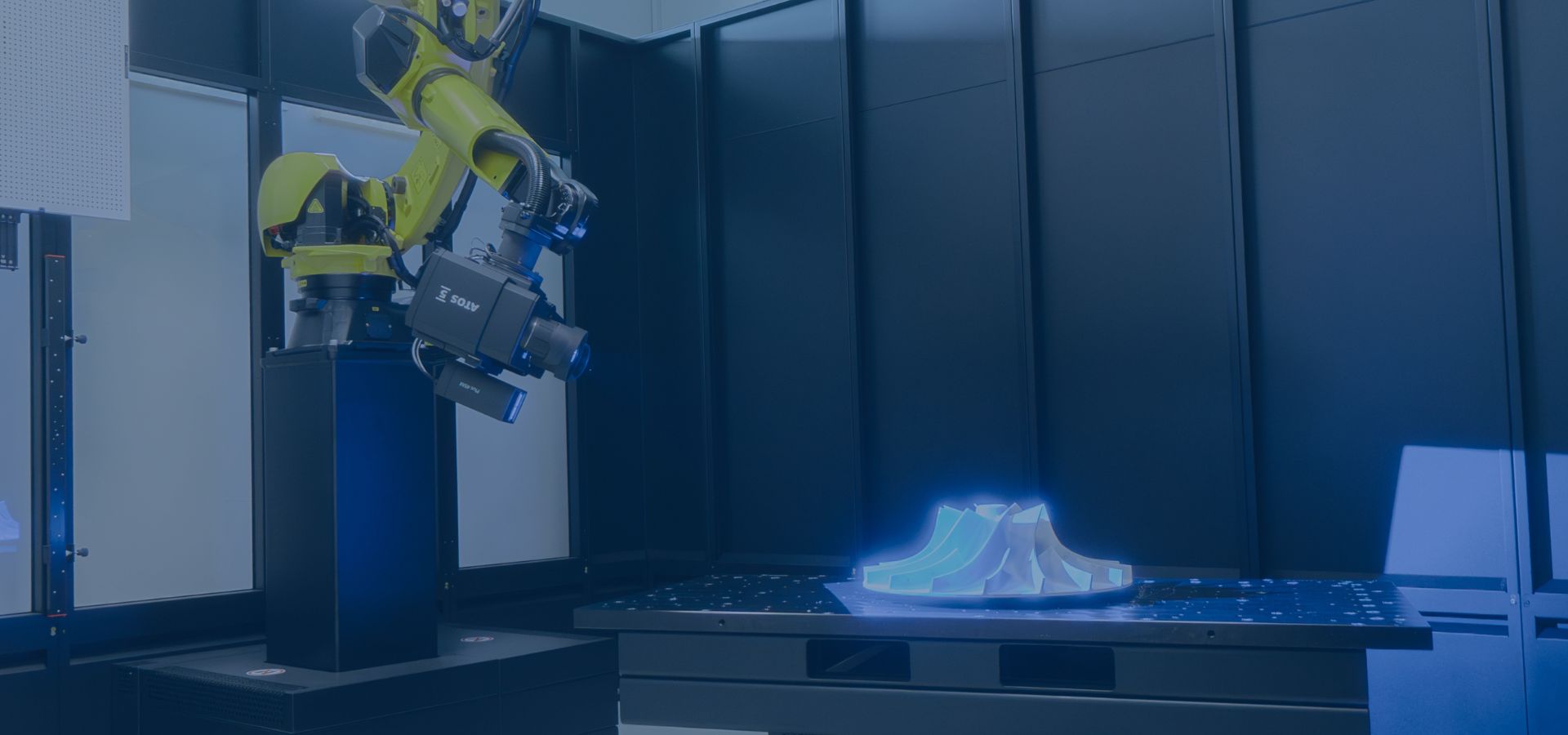
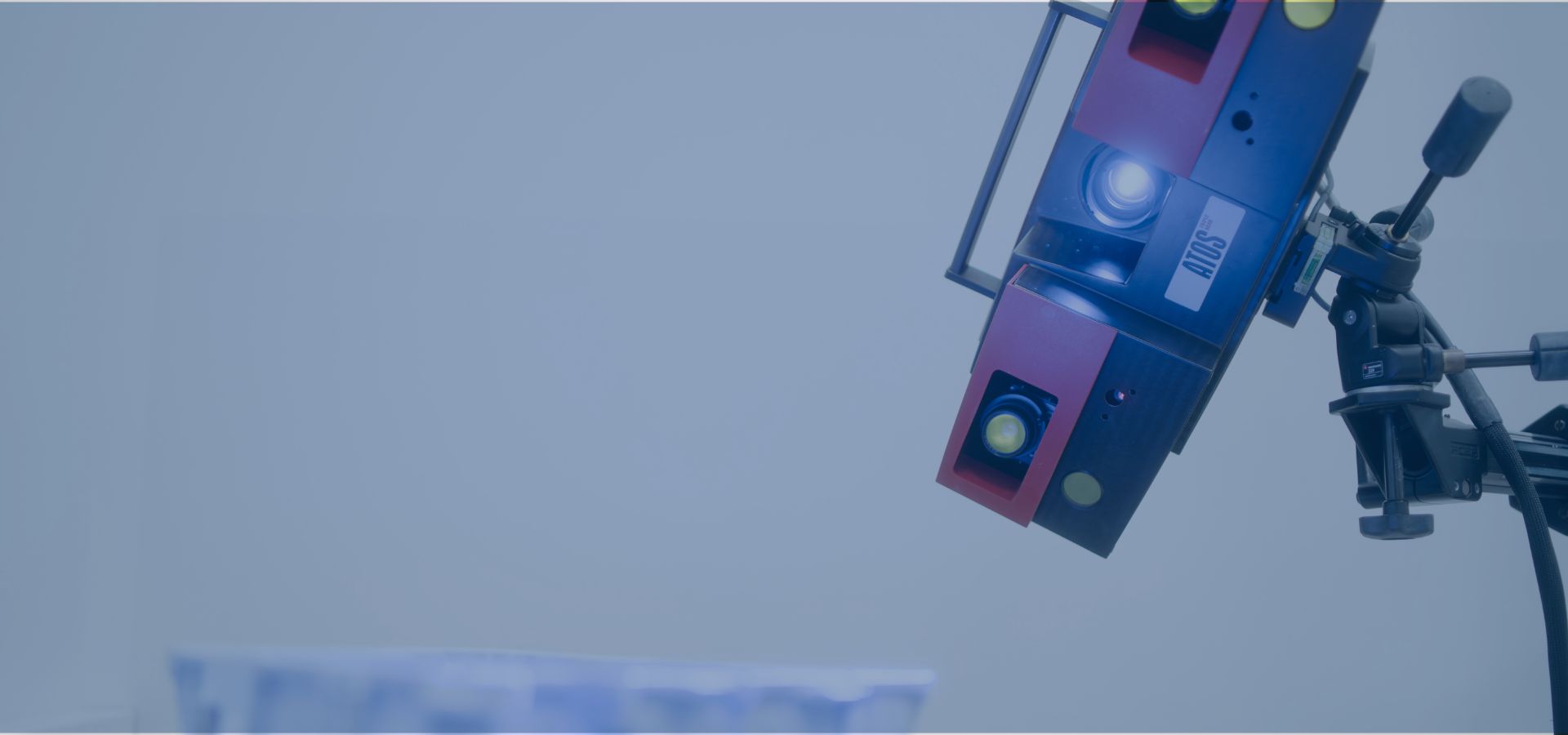
- Laser scanning devices
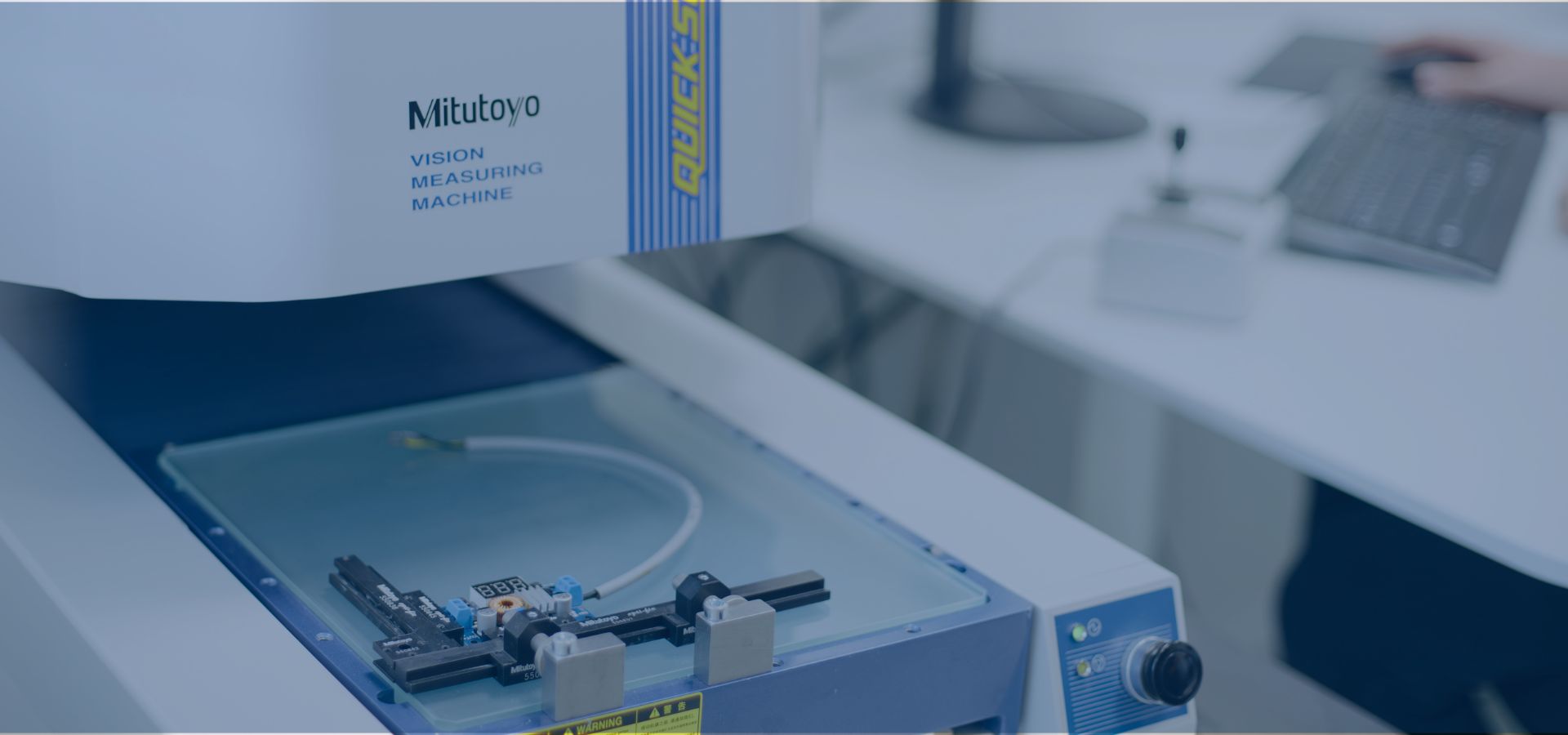
The tactile 3D coordinate measuring machine is still widely used in industry, especially in metal construction. As it is still superior to optical systems in terms of precision, it is very popular.
The 3D measurement technician’s job here is not just to carry out the measurements. He also sets up the machine and calibrates it for the best possible results.
Optical 3D coordinate measuring machines are mainly used for very large areas. The 3D measurement technician works with a rotating laser and a rod to which a detector is attached.
With a sufficiently close-meshed grid, the 3D measurement technician obtains a valid inspection of parking lots, leveled areas or concreted floor slabs or intermediate ceilings.
However, the job title “3D measurement technician” is not established in the construction industry. There, the corresponding employees are still simply called “surveying technicians”.
A tolerance control specialist works closely with the materials testers. It may therefore fall within the remit of the quality assurance measurement technician to check and calibrate the laboratory equipment.
The universal tensile testing machine provides information about the load-bearing capacity of a material. The notched impact hammer measures the toughness of a sample. The chemical composition of a material can be analyzed using a spectrometer.
X-ray and ultrasonic devices inspect the internal structures of a workpiece and measure the thickness of coatings. Adjusting these and keeping them ready for operation is one of the tasks of the quality assurance measurement technician.
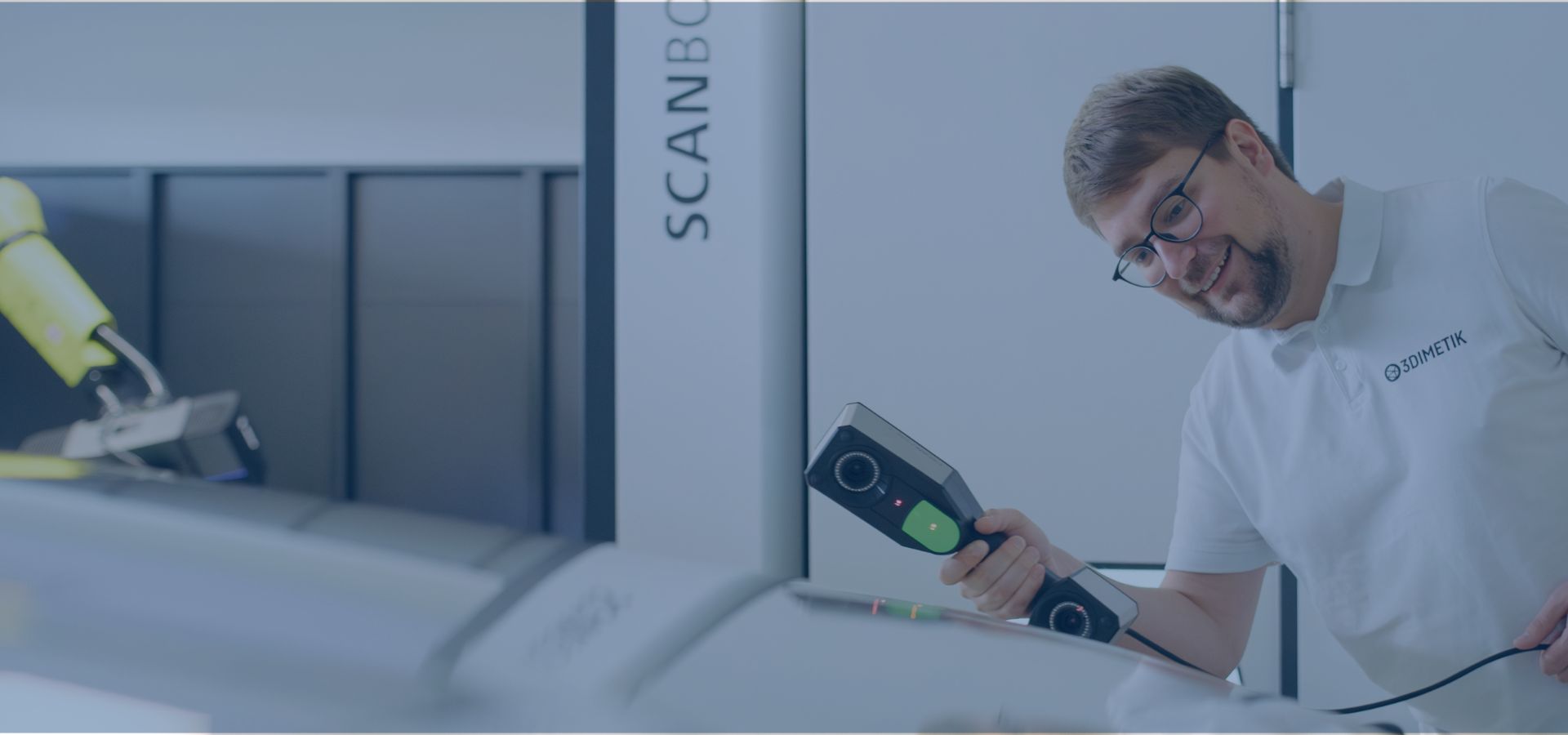
After all, modern laser scanners can very efficiently determine the dimensions as well as the shape and position tolerances of a workpiece. These optical systems are therefore becoming increasingly important for metrologists.
Some of these testing devices are already integrated into the processing machines. However, it does not always have to be the ultra-modern devices that a measurement technician works with. The traditional micrometer in all its variations still plays a major role in technology.
With their help, the quality assurance measurement technician can carry out the necessary tests directly on the workpiece without the use of electricity. Whether dimensional accuracy, form and position tolerance, roundness or distances, traditional gauges and micrometers are often the most efficient way to obtain the desired information.
Verification and calibration under the responsibility of the tolerance control specialist
The quality specialist must keep an eye on the dimensional accuracy of the electrical and manual aids.
As a rule, a quality assurance technician employed by the company is not authorized to calibrate these devices.
However, the tolerance control specialist is responsible for ensuring that the test devices are checked at regular intervals. After all, faulty test equipment can have serious consequences:
- Delays in delivery
- Customer complaint
- Rejection of raw material
- Faulty quality assurance
In the worst-case scenario, this can lead to customer losses that jeopardize a company’s liquidity in the long term.
Inspection and testing equipment that works perfectly at all times is therefore of vital interest to the company and the quality assurance employee.
Alternative to in-house testing: 3D measurement technology as a service provider
For many companies, employing their own measurement technician is only possible to a limited extent. Every production employee should always be able to check the quality of their products.
However, these tests are usually limited to just a few parameters. A correspondingly high level of expertise is required for a comprehensive inspection and determination of a loss of quality.
If this is not available internally, external service providers are the best alternative. These service providers have another advantage over in-house staff: they are more impartial and independent of desirable results.
As service providers, measurement technicians do not have a conflict of loyalty if they discover poor quality.
They are outside of collegial alliances and can report on discovered deficiencies more freely than an employee can. This makes the statements of external quality officers somewhat more valid.