

Industrial measurement technology
Industrial measurement technology for development and production
Metrology is an important discipline for manufacturing and maintaining the quality of components. The measuring techniques are used to check the shape and position tolerances as well as the structure of surfaces.
Numerous methods with different approaches have been established for measurement technology. Optical and tactile methods are essential for analyzing geometries and surface structures.
To check the roughness of a surface, an additional test method is available that works with air flows.
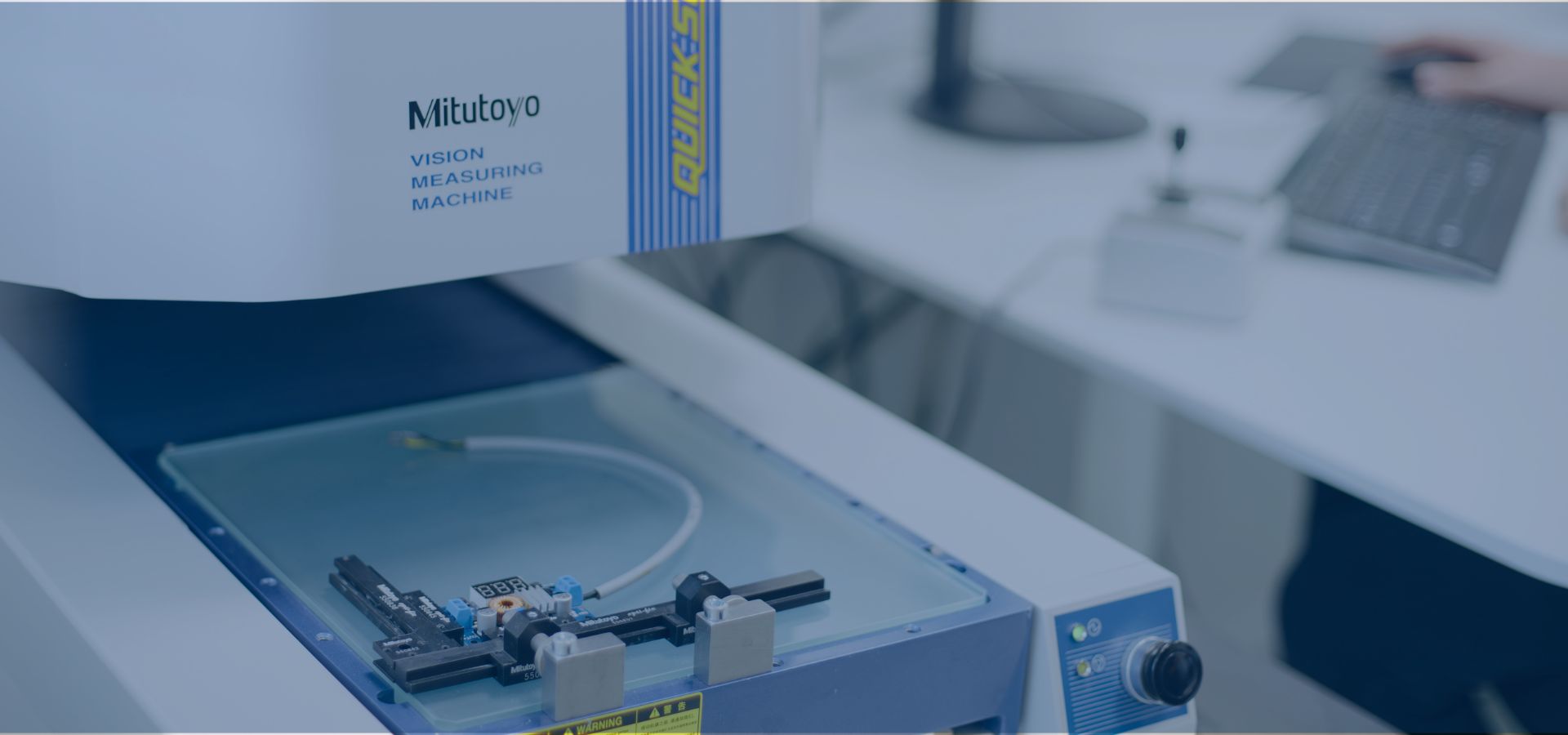
In industrial measurement technology, a distinction is made between integrated inspection processes and procedures for random quality control. Integrated inspection processes must work very quickly so as not to slow down production unnecessarily. One example in series production is optical 2D measurement technology.
They are limited to checking just a few parameters. However, these fast processes can guarantee 100% inspection of all products, even in large quantities.
The inspection range can be extended as required by connecting several measuring stations in series. Optical systems are mainly used for the continuous inspection of large quantities.
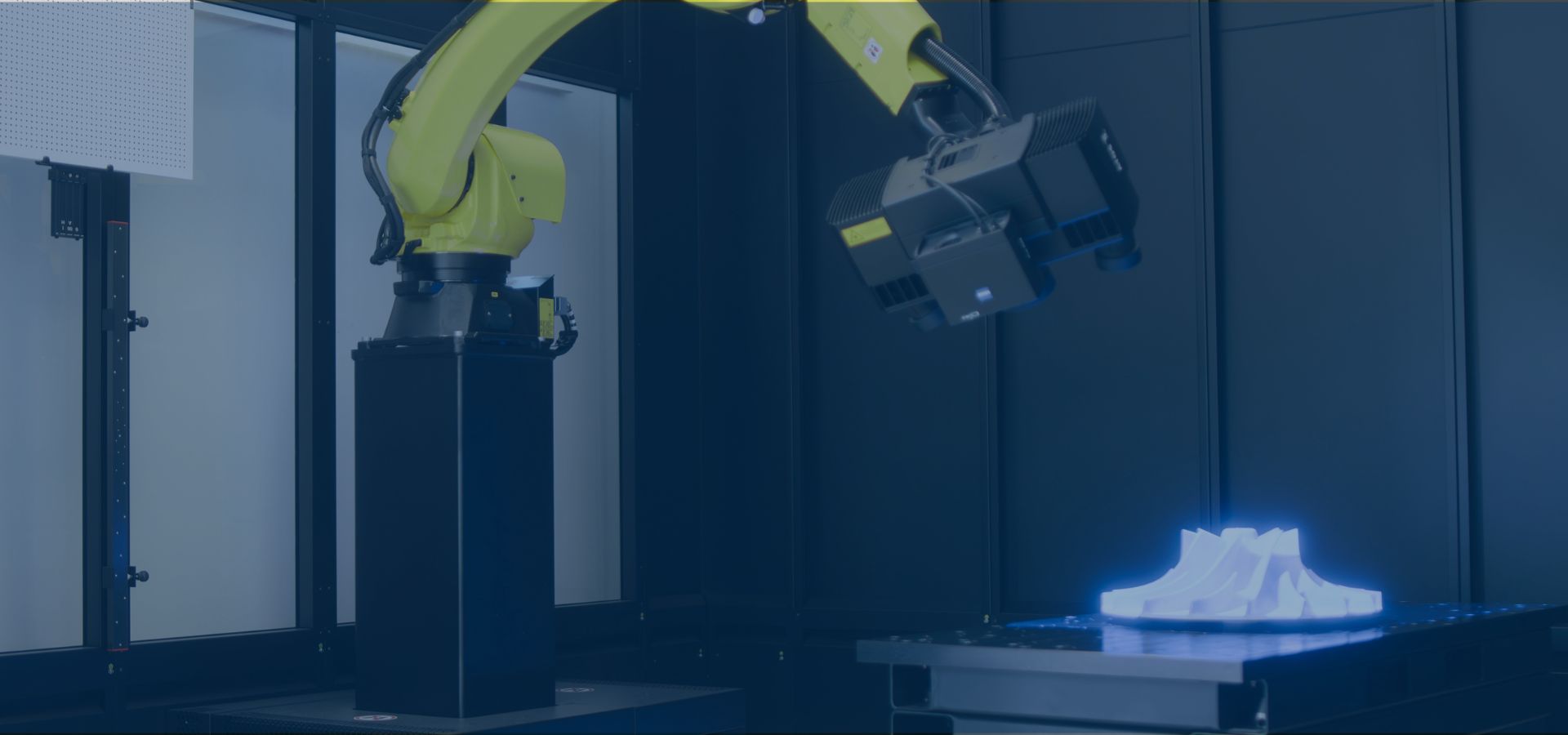
Laser scanning technology has made great progress in this area, producing astonishing results and high precision.
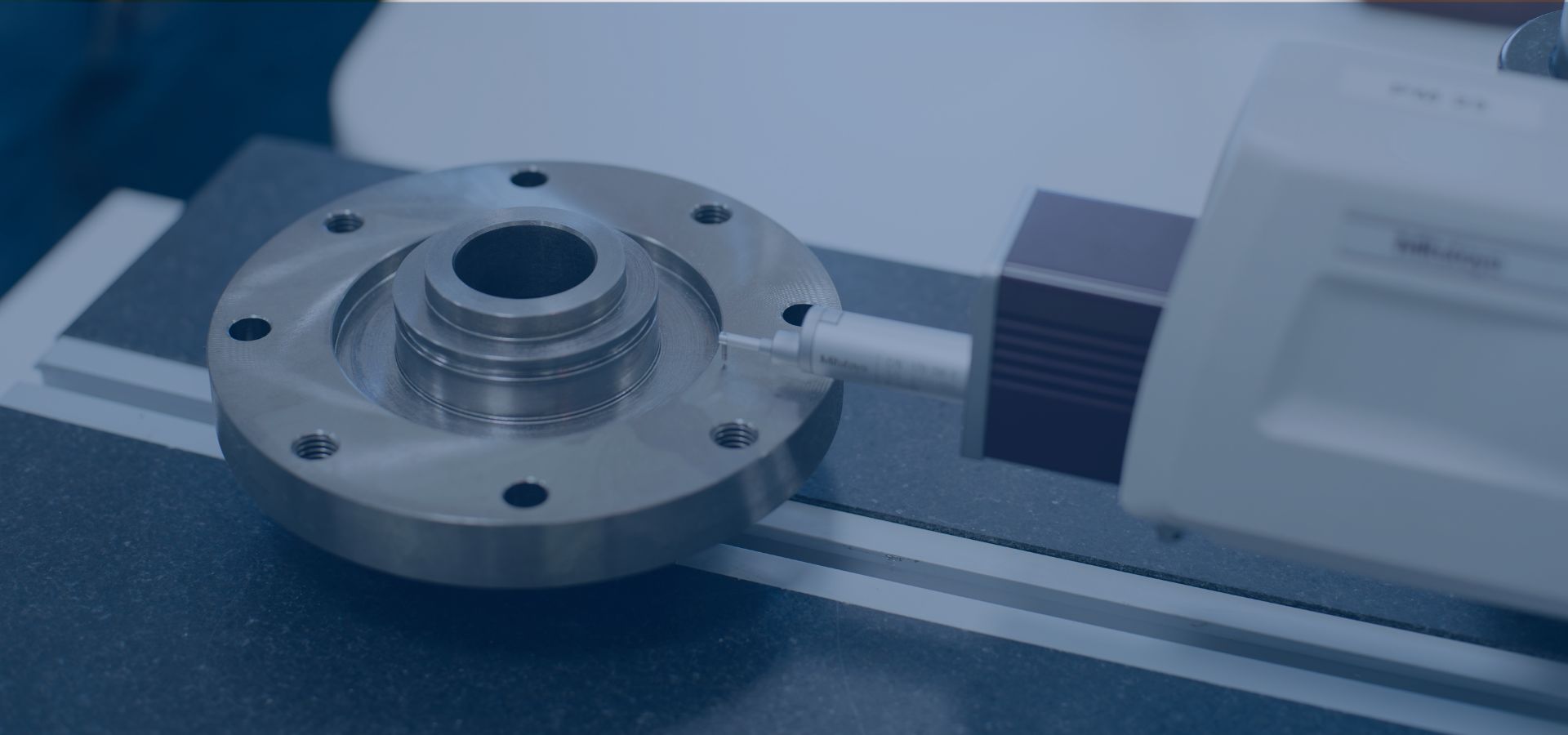
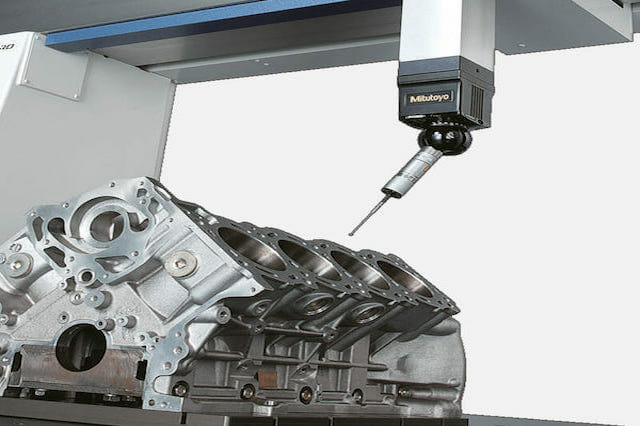
In addition to high-precision optical systems, tactile measurement technology is also available for the comprehensive inspection of prototypes or individual samples.
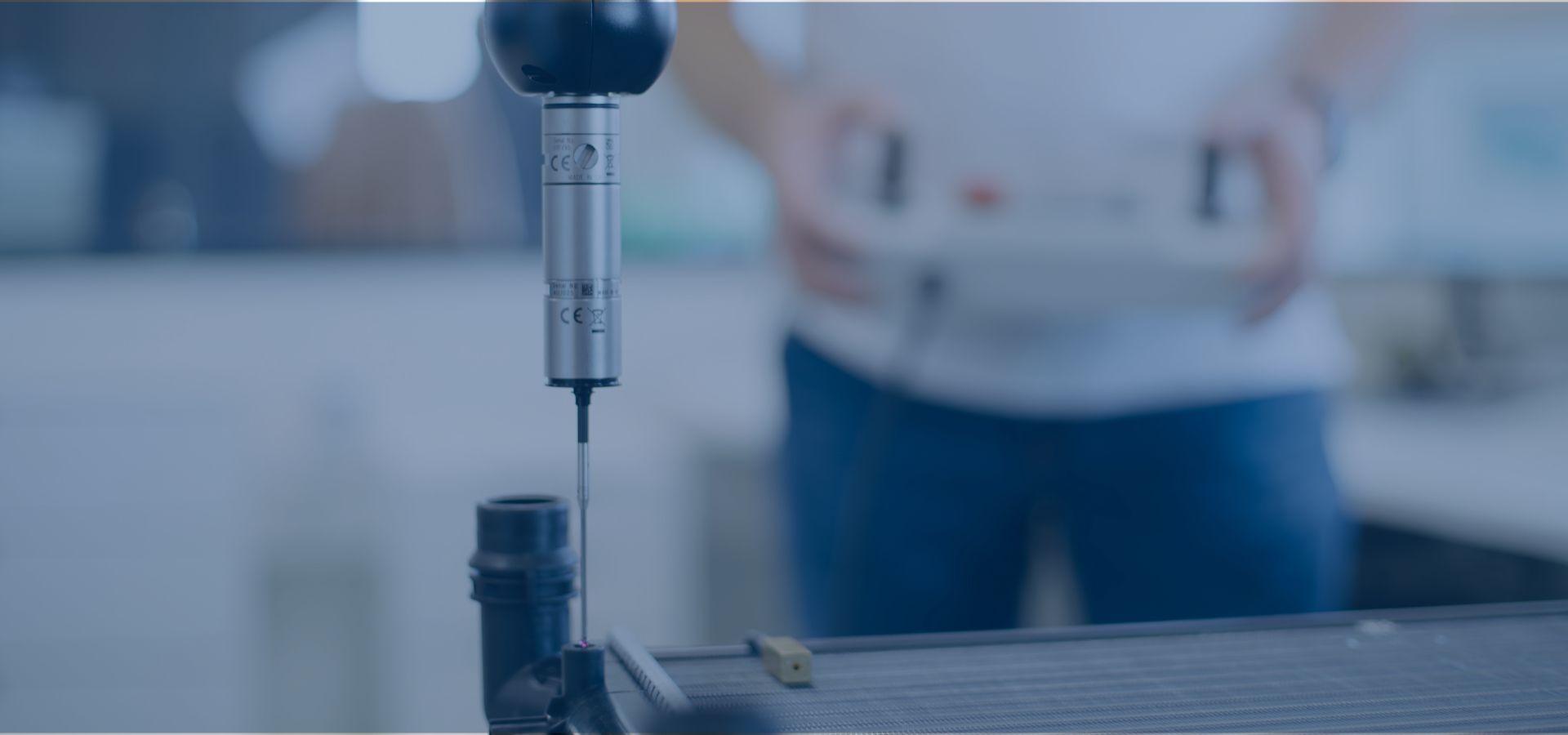
Touch-based methods are significantly slower than laser scanning or other optical analysis technologies. However, they currently still have an advantage in terms of the precision of the results.
2D and 3D measurement technology methods
The 2D analysis test method primarily checks the positional tolerances of individual components in relation to each other. It is limited to the measurement of distances in the plane.
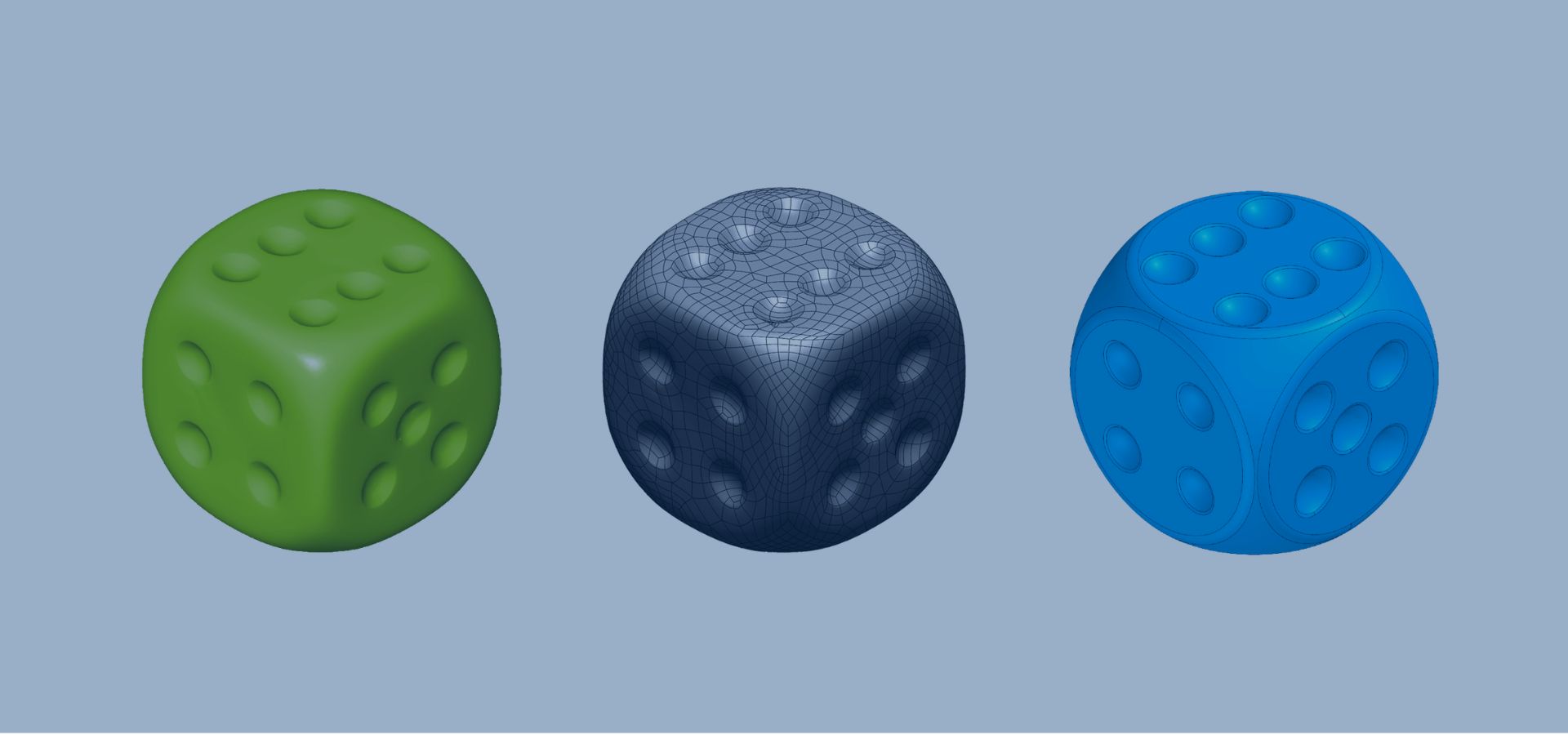
Due to the lack of a Z-axis, 2D inspection is relatively fast and presents valid results in a short time. 3D measurement technology, on the other hand, checks the entire component.
The shape and position tolerances of all components are usually included in the optical or tactile 3D inspection.
Due to the greater effort involved, high-precision testing in the 3D measuring system was previously limited to tactile methods.
With innovative stereo camera inspection methods or the latest generation of laser scanning methods, tactile analyses have faced strong competition. However, tactile measurement technology still plays a major role.
Industrial measurement technology for in-depth analysis
Industrial metrology is not limited to checking form and position tolerances.
Their task also includes the in-depth inspection of surface structures and material properties. These checks examine the following parameters:
These faults can lead to a loss of quality in the component despite adherence to shape and position tolerances. Microcracks in stress areas can develop into a fracture.
Roughness on surfaces can cause undesirable frictional forces. These promote abrasion, change the flow behavior of overflowing media or reduce a desired reflection.
Highly sensitive methods are available for industrial measurement technology in order to record these parameters precisely. For tactile measurement technology, the tactile step method is primarily used for this purpose.
Here, the 3D measurement technician moves a test head over a defined distance. The line determined in this way is the so-called“primary profile“. The waviness and roughness parameters relevant for measurement technology can be further extracted from this.
Measurement technicians for material quality
Industrial measurement technology offers the following non-destructive methods for detecting deep cracks, blowholes, inclusions and other defects in the base material:
- X-ray inspection
- Ultrasonic testing
- Dye penetration test
- Magnetographies
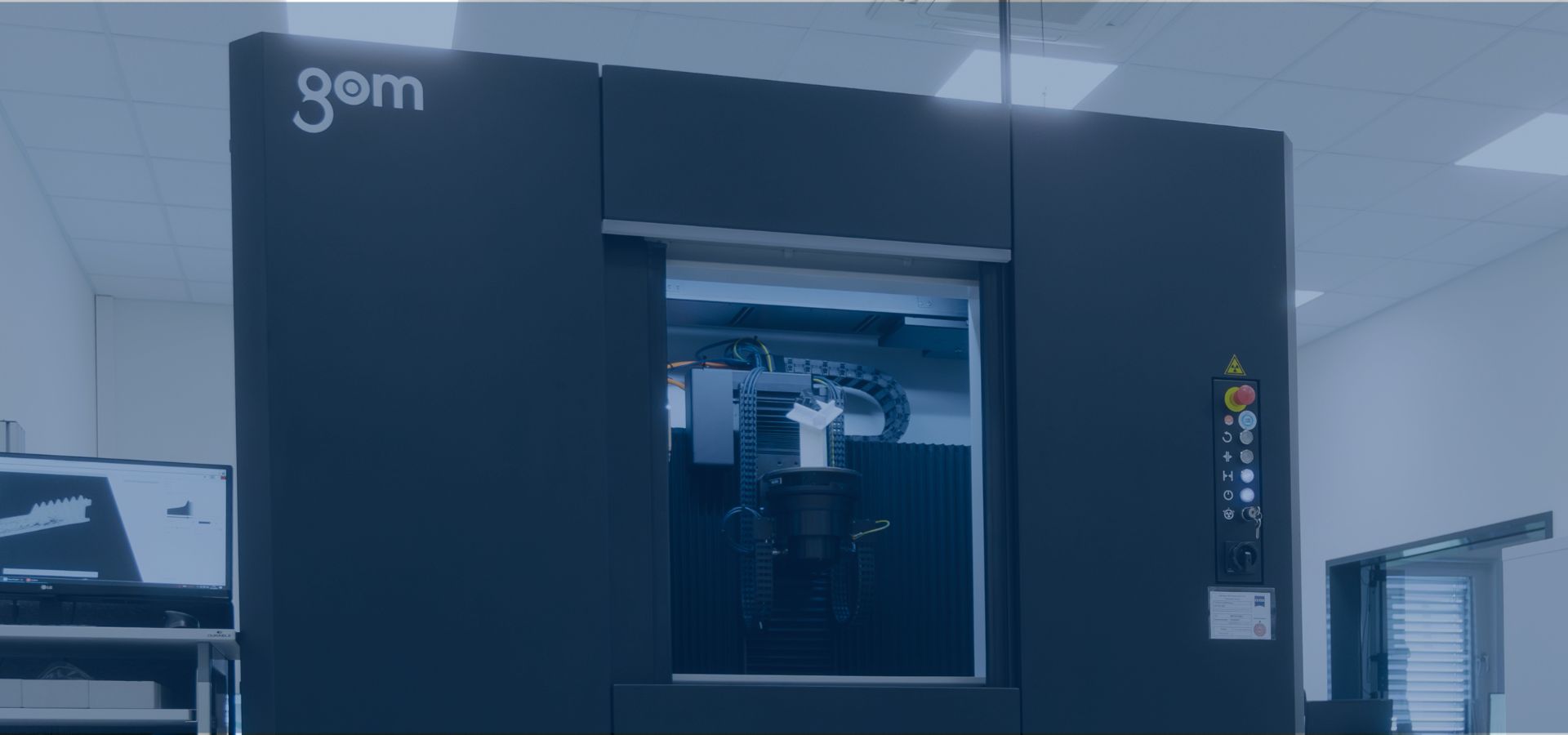
X-ray inspection measurement technology works with a radiation source that is detected by a film. X-ray inspection can be extended to a 3D measurement technique by scanning the recorded films.
The inner structure of a component thus becomes vividly visible to the 3D measurement technician. Today, modern ultrasonic testing using a computer tomograph is capable of similarly high-quality measurement techniques.
The dye penetration test is used to quickly and easily detect cracks and fissures. Magnetography, for example with Gauss meters, tests very specific parameters on metallic components.
They are irrelevant for the 3D measuring system, but can provide important information for industrial metrology.