

Ripple
Unwanted waveforms in workpieces
According to the definition in DIN 4760, waviness is the second-order shape deviation. It is therefore a parameter that can negatively influence the tolerance of a workpiece.
Standardized methods are required to measure waviness. DIN EN ISO 4728 defines the waviness of a surface as periodically recurring deviations from the ideal line with greater distances than the roughness.
The waviness provides information about the following additional properties of the workpiece:
- Reflective behavior
- Fit
- Frictional resistance
- Overcurrent behavior of media
These properties make it necessary to check the roughness and wave structure.
Determination of corrugated structures
The primary profile is the basic measure for determining shape deviations of a surface. This line, determined using tactile or optical measuring methods, is the actual state of a plane.
As the structuring of a surface can be a mixture of all shape changes, the primary profile must be broken down into its individual elements. For the waviness calculation, the primary profile is therefore separated from the rough structures.
Since, by definition, roughening occurs in smaller periods than undulations, this separation is made by measuring the wave peaks and troughs. The waviness of a surface is therefore practically the imaginary center line of a rough structure. Its course is significantly more elongated than that of the roughness.
Method for calculating the ripple
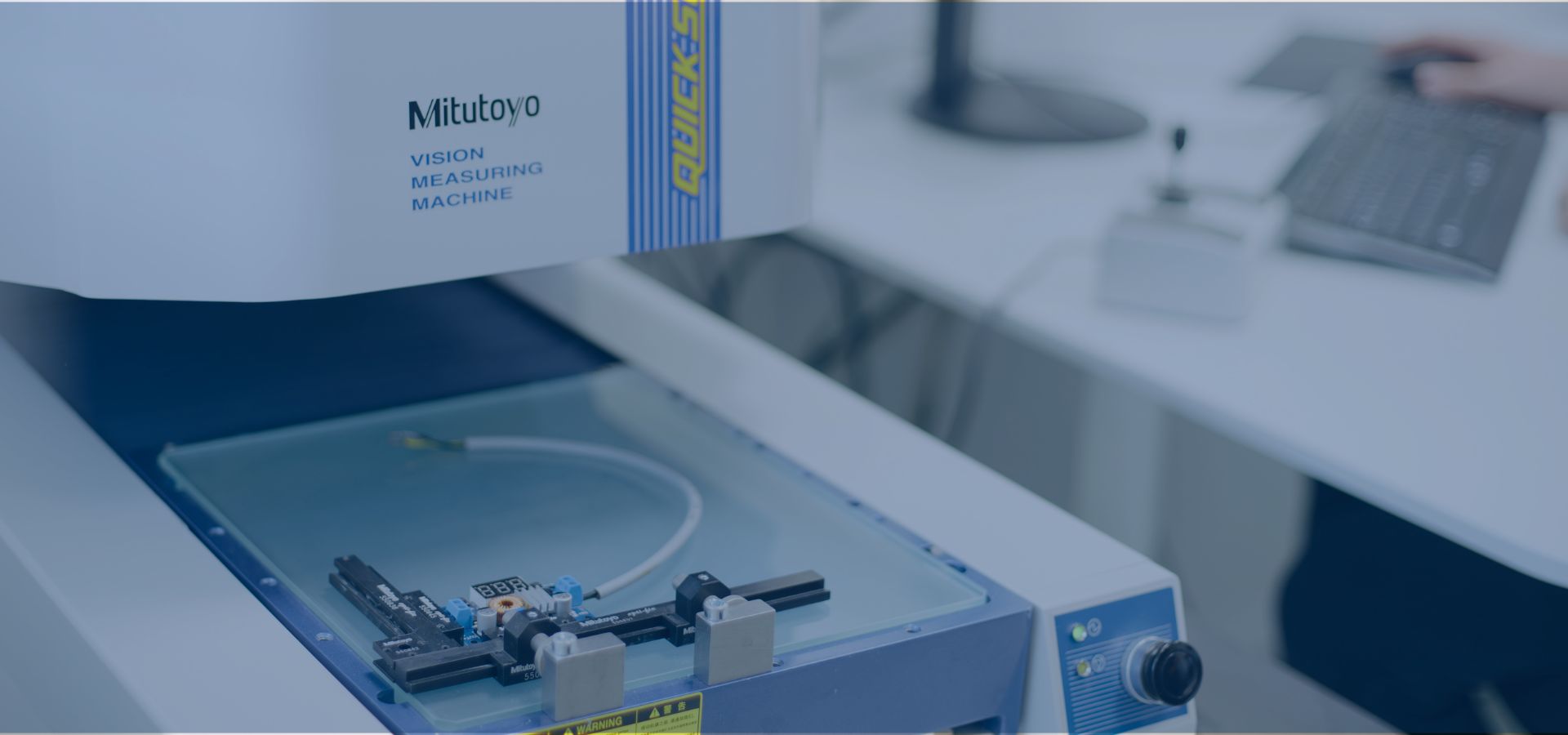
Optical and tactile methods are used to determine surface waviness. The following applications have been established for optical methods:
- Laser scanning process
- Confocal microscopy
- White light interferometry
These methods are suitable for the continuous inspection of large surfaces and for the analysis of very small surfaces for which tactile methods are not suitable.
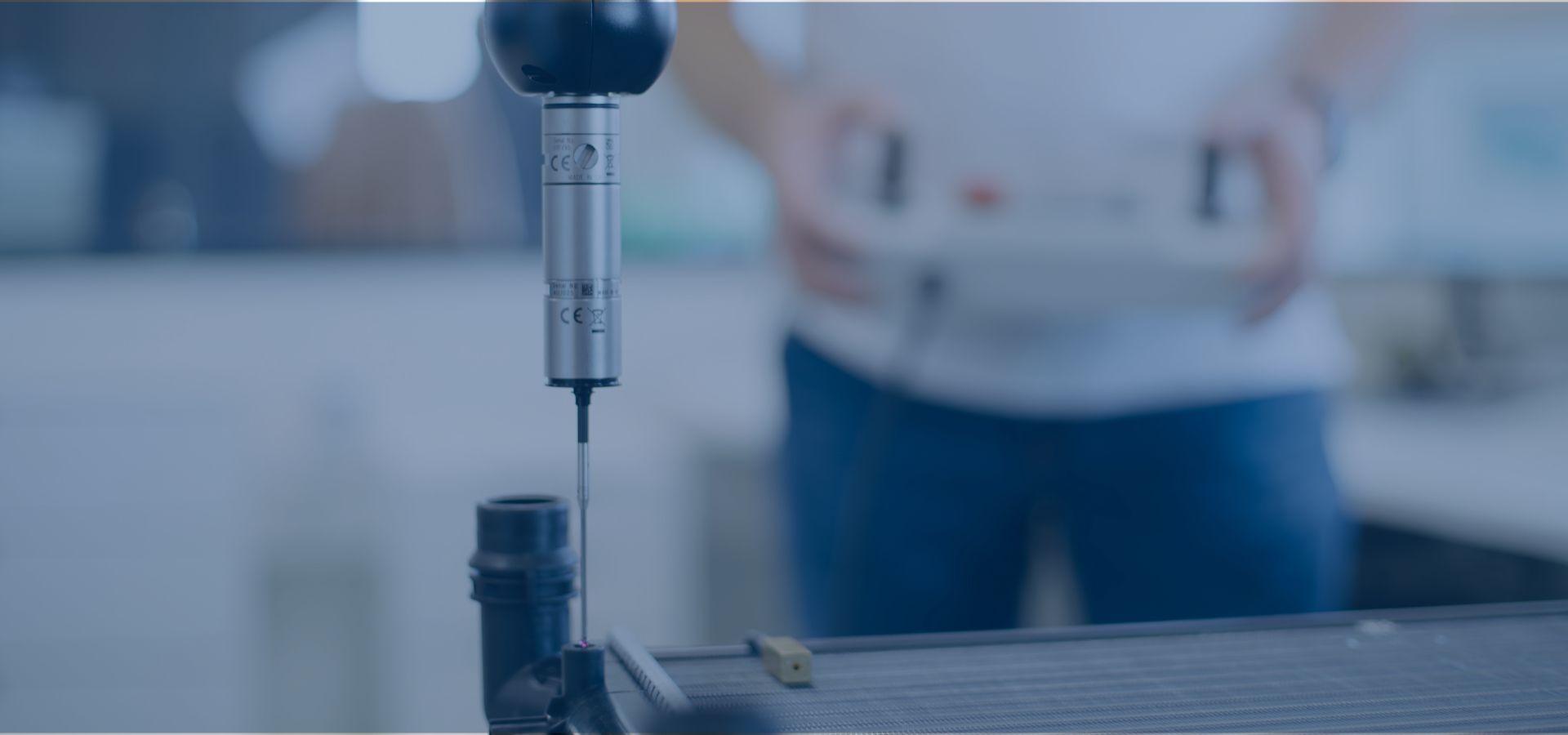
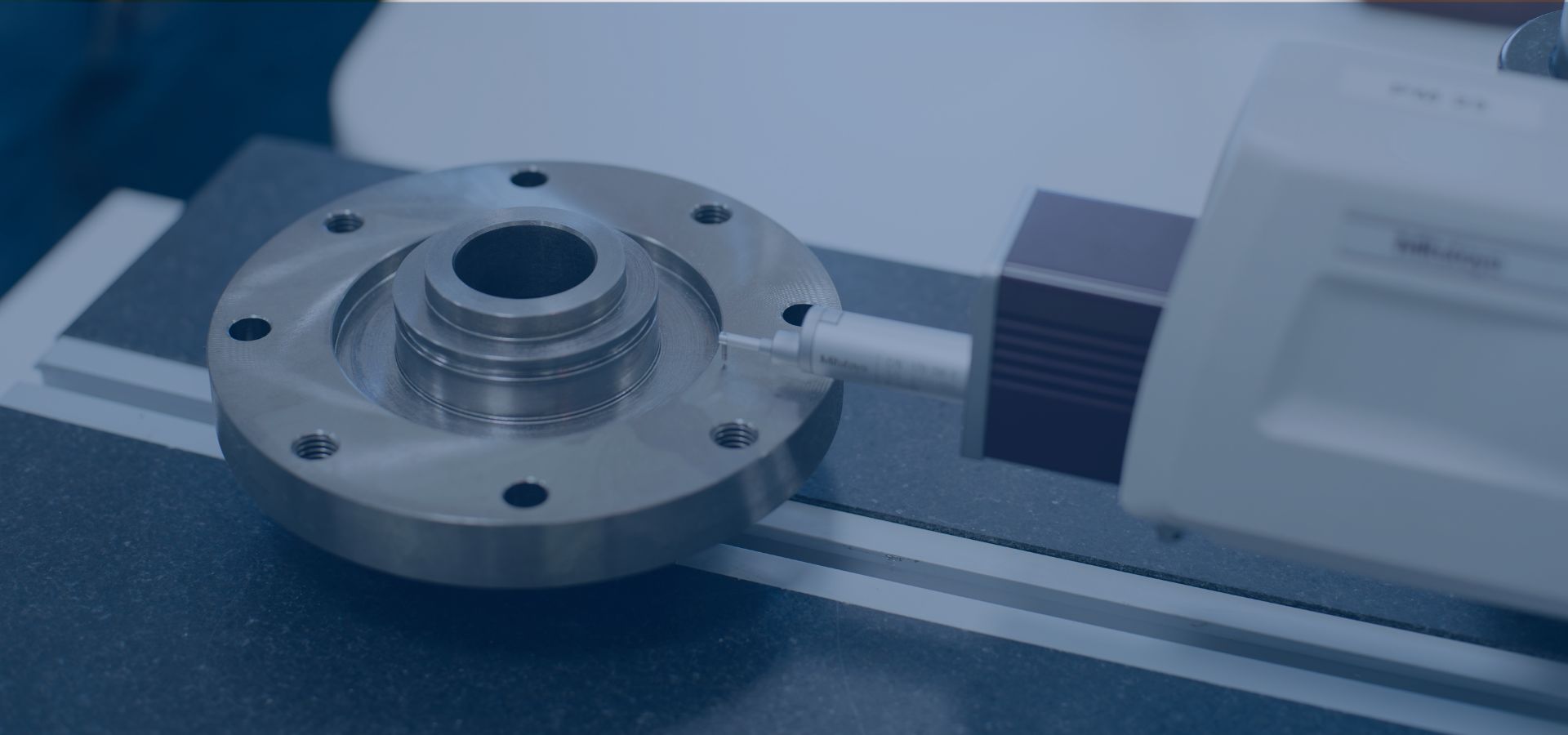
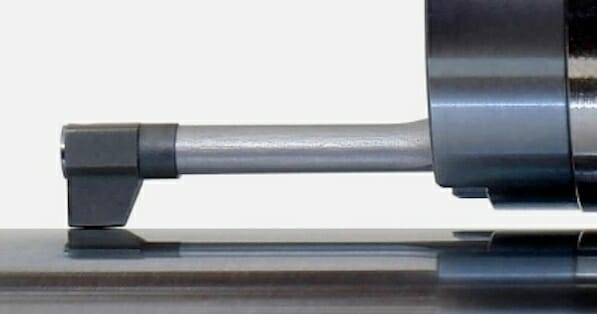
In tactile applications, the tactile step method is available for measuring waviness. A highly sensitive measuring head moves over a defined distance and transmits the values via a sensor.
Tactile methods are considered to be particularly precise. However, they have limiting factors such as wear, frequent calibration and the size of the measuring range. However, where they can be used, they deliver the best possible results.