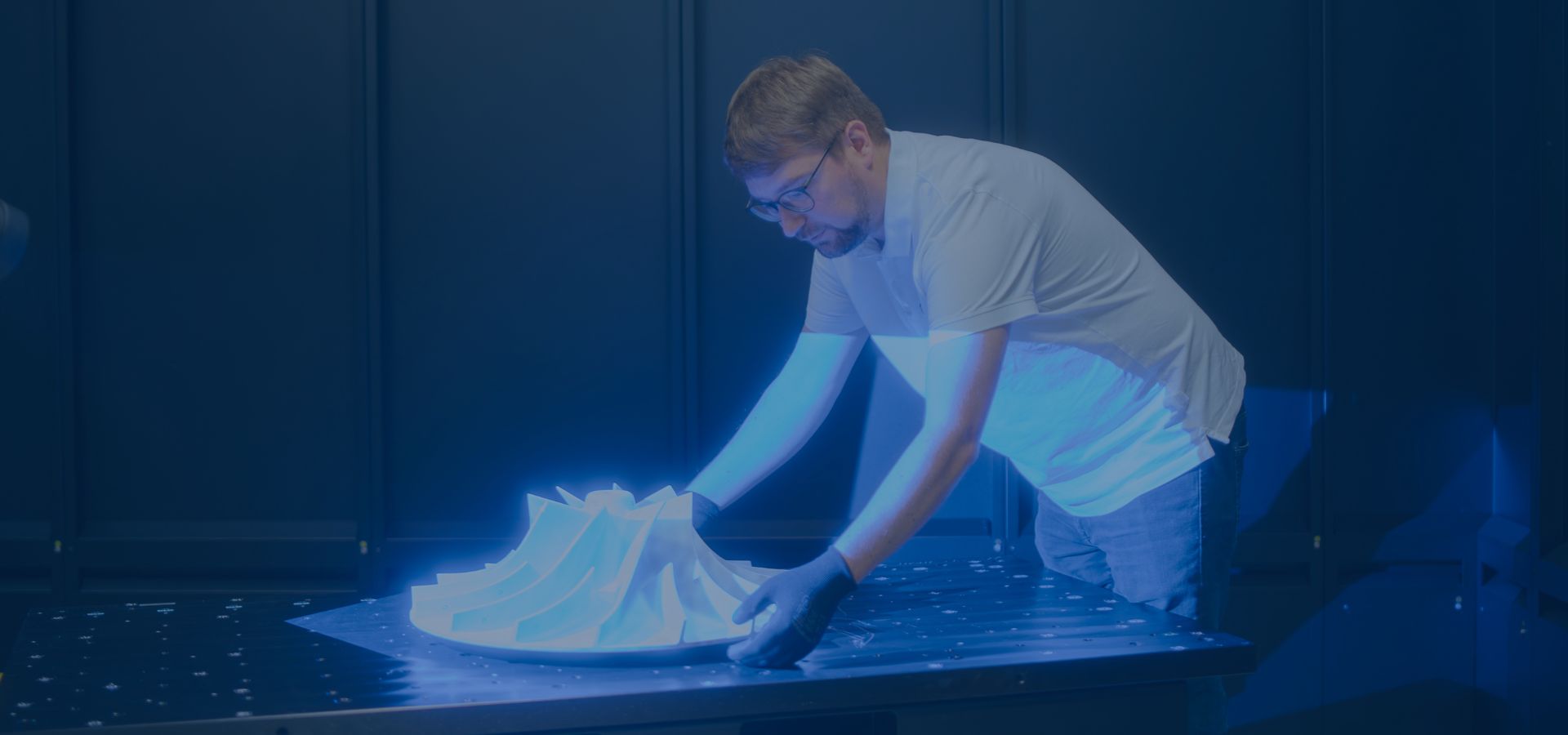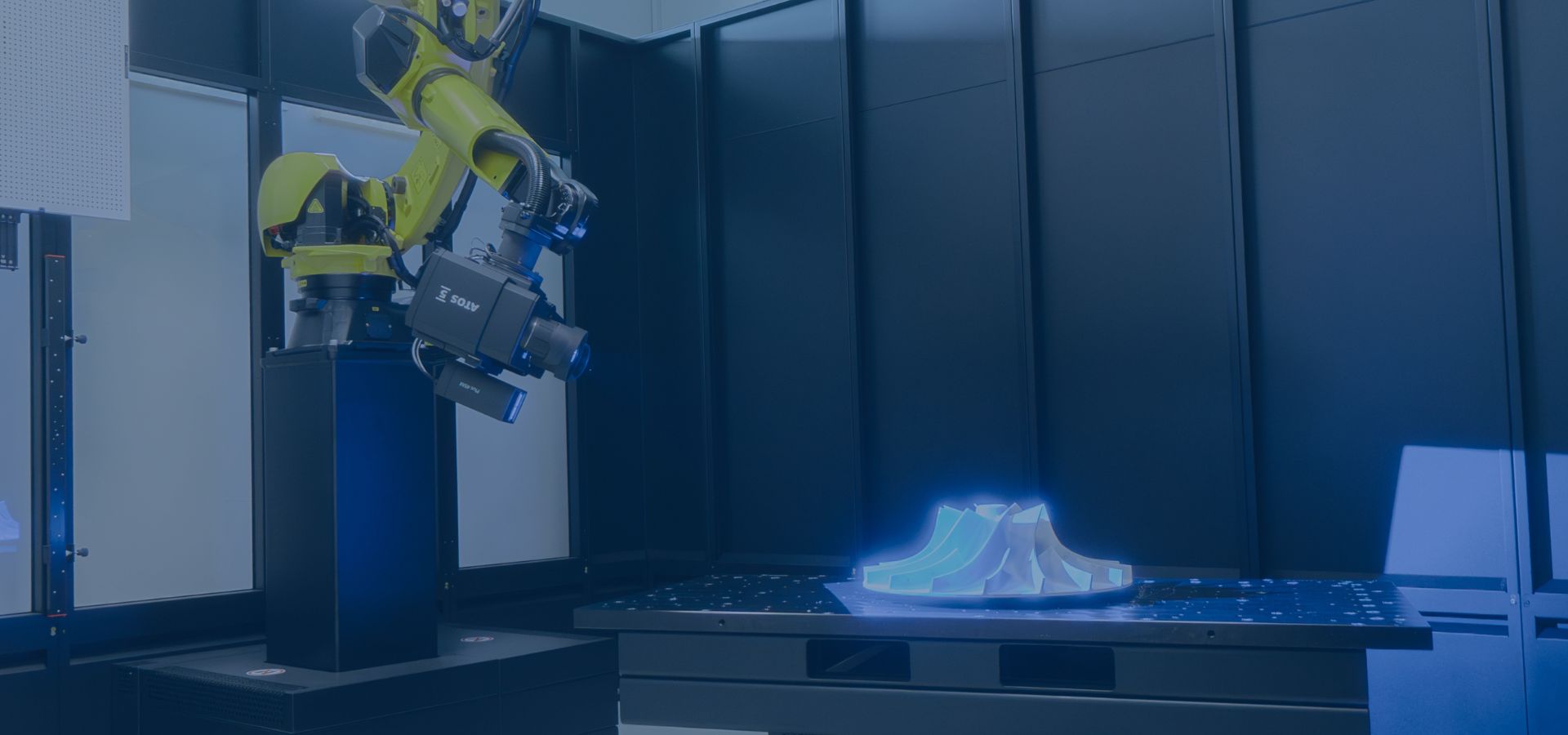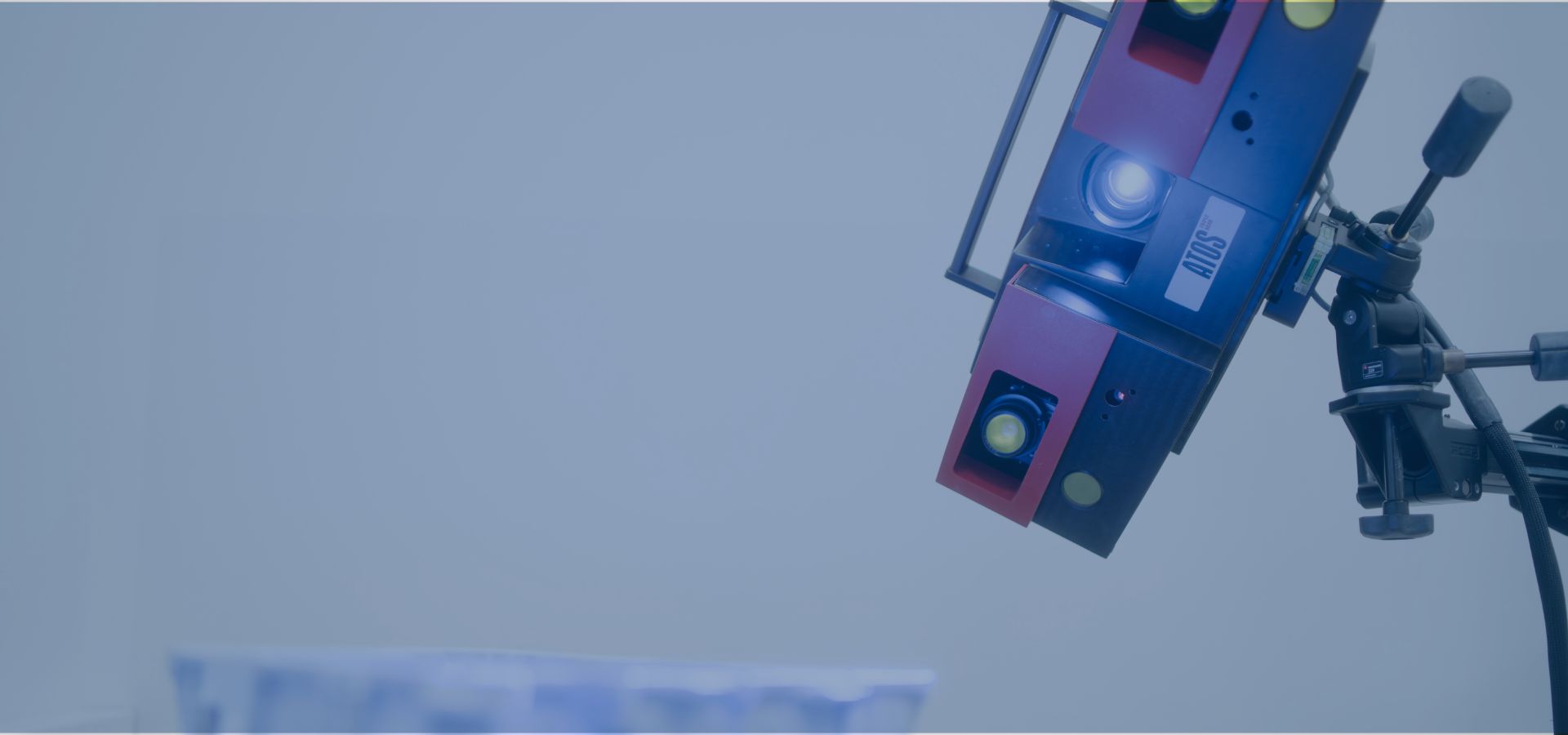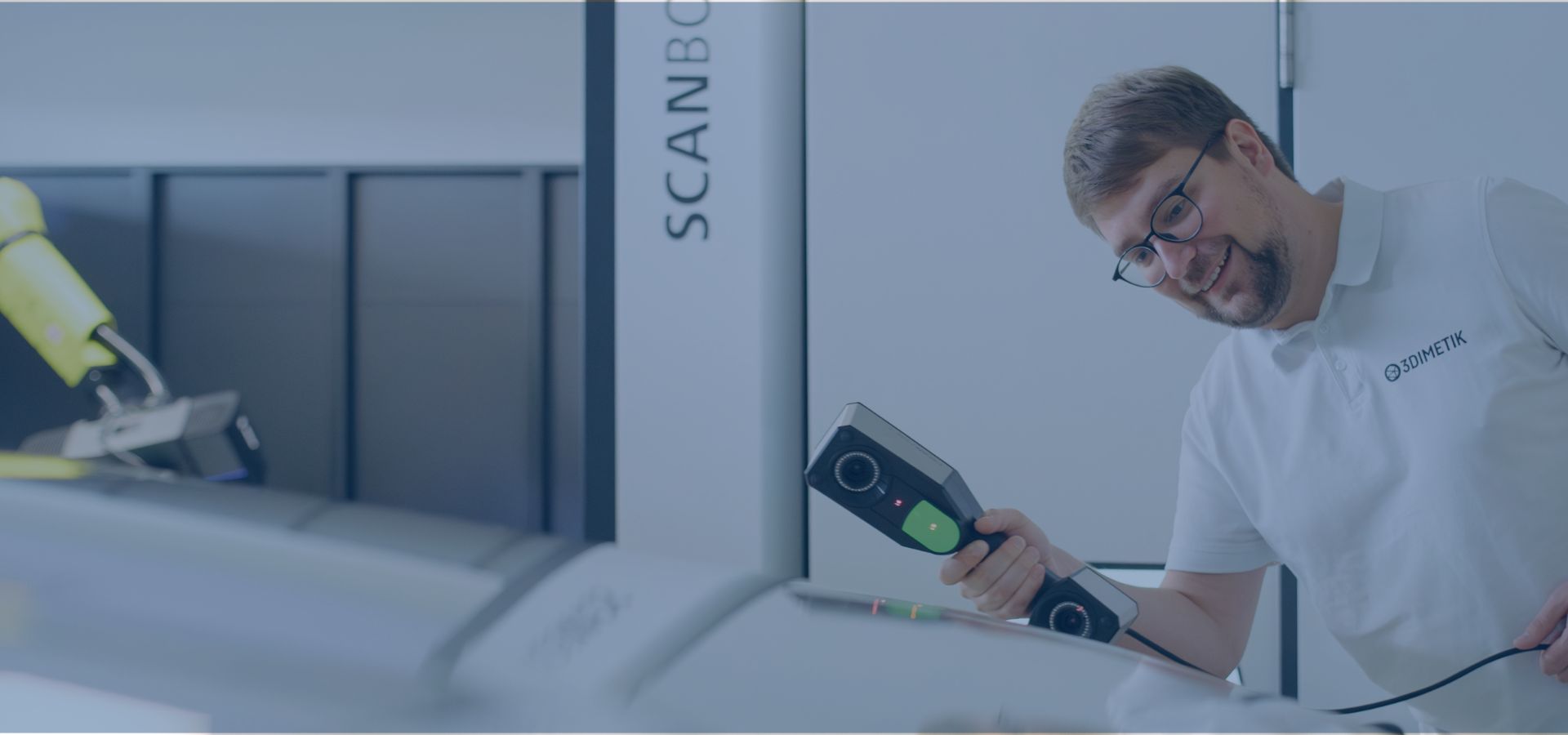


Measurement technology for surfaces and dimensions
Optical metrology is the umbrella term for a variety of different methods for recording dimensions, tolerances and their deviations.
It is required for practically every area of quality assurance in a manufacturing company. Popular processes for optical measurement methods are
What is optical measurement?
Optical measurement includes all test methods that use light. The use of natural or artificial light provides many possibilities for assessing the quality of a component.
From the quality of the semi-finished products on receipt of the goods to the inspection of the individual production steps and the assembly of the components, optical measurement technology can provide valuable insights.
A variety of processes are available for this purpose. Different applications are used depending on the production step.
The selection of optical measurement methods is enormous. Wikipedia alone lists over 100 different devices for optical measurement. However, the methods can be roughly divided into individual sub-areas:
- Visual methods with minimal use of aids
- Microscopic laboratory procedures
- Photometric methods
- Laser scanning
With visual methods, the only instrument is the eye of the materials tester and, at best, a magnifying glass and a light source. Here, the training and experience of the quality assurance officer is particularly important in terms of how precisely the measurement is carried out.
The purely visual measurement method is used for incoming and outgoing goods. Here, the inspector checks the raw material and the quality of the products before dispatch for obvious damage, which can be visualized in measurement reports.
Visual processes are frequently used to check weld seams, rolled sheet metal and the assembly of components.
Microscopy is an optical measurement that penetrates deep into the structure of a material. Prepared samples are required for this. This is why microscopic measurement technology is primarily used for destructive material testing.
Microscopic laboratory procedures are used, for example, to cut weld seams. With their help, manual and automatic welding processes can be evaluated in detail.
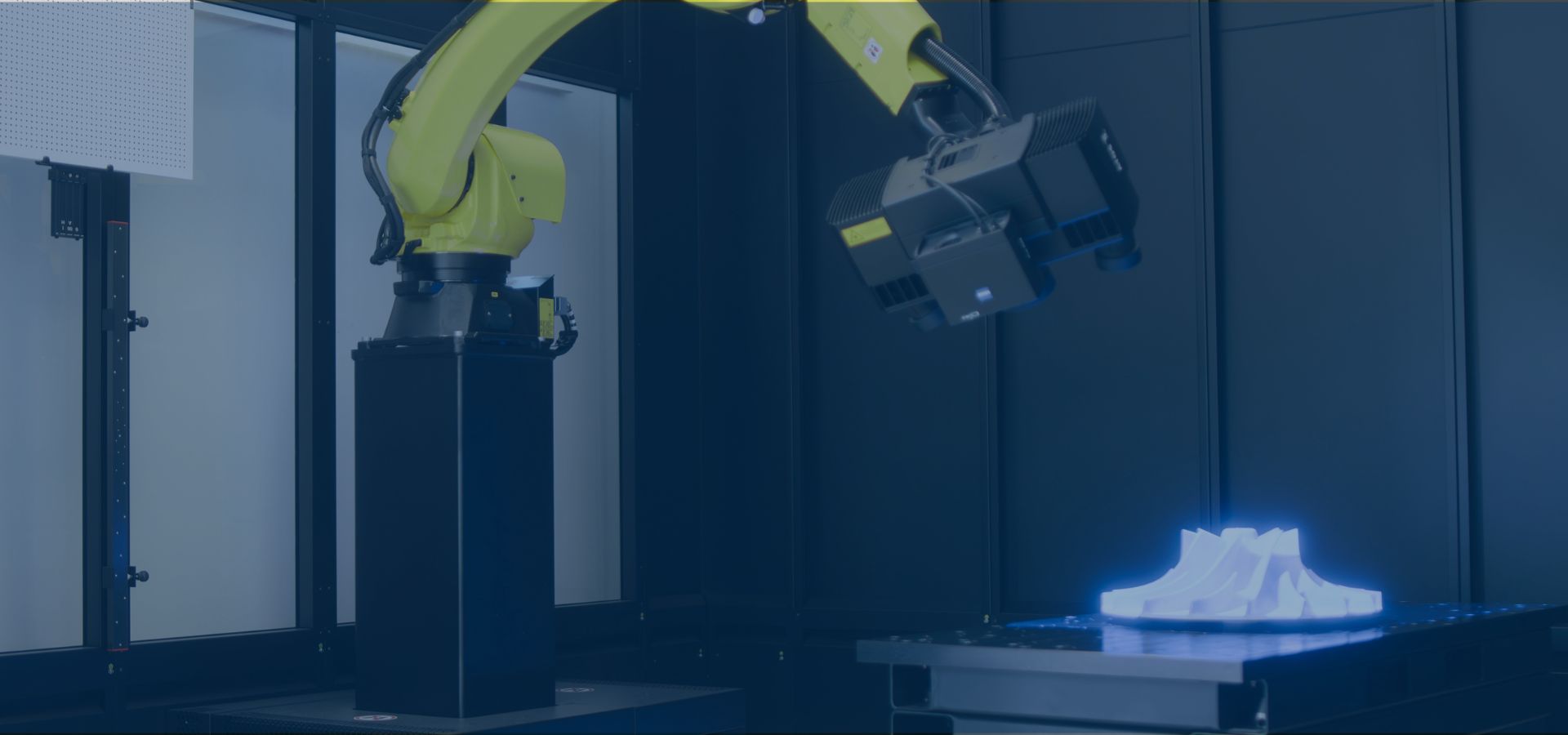
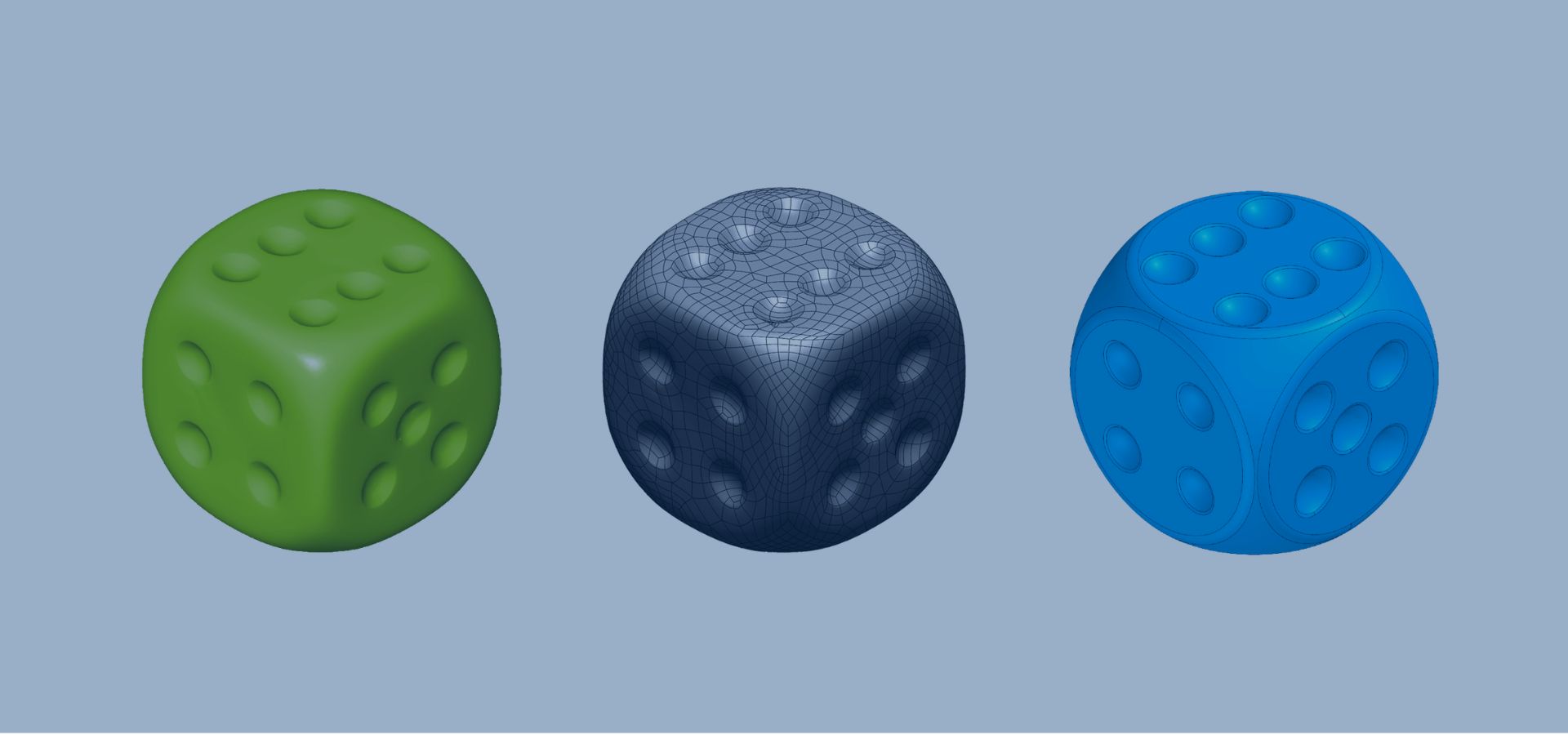
Photometric methods are very efficient means of measuring components in both 2D and 3D measurement technology. Their particular advantage is their speed. Modern and fast computers allow the photographs to be converted into 3D models immediately.
These then provide precise information about their dimensions, shape tolerances and position tolerances. Depending on the quality of the optics used, it is also possible to assess the surface structure.
Laser scanning is ultimately the method for optical measurement that achieves the highest precision. You can assess a product not only according to the shape and position of the individual components.
Laser measurement technology can also be set so sensitively that the finest surface structures become visible. Optical measurement using focused laser light is only surpassed in precision by tactile methods.
Laser scanning is slower than photometric methods. However, it is significantly faster than tactile measurement technology.
Advantages of optical measurement techniques
Optical measurement has several advantages, especially compared to manual and tactile methods:
- Very fast working method
- Non-contact measurement technology
- High precision
- Low wear and tear
Optical measurement, especially photometric methods, works practically at the speed of light. Their advantage is that they capture the entire measuring range at once. By using two or three cameras simultaneously, the product is captured in all dimensions within a single measurement process.
The computing power of modern computers is sufficient to create a 3D image of the product from these digital photographs. The resolution of the photographs subsequently determines what can be captured by this optical measurement technology.
The high speed makes the photometric methods particularly suitable for automatic testing and inspection processes within a production line.
They detect faulty parts, tolerance deviations or faults in the base material practically on the conveyor belts and can separate them out using equally automatic removal systems.
The optical measurement technology has no influence on the product itself thanks to the non-contact design. It is not displaced, nor are pressure marks, scratches or other damage caused. This is a significant advantage of this measurement technology compared to manual inspection methods, such as manual remeasurement using a millimeter screw.
The photometric methods available today offer a resolution that reaches into the nanometer range. This allows you to check surfaces for even the smallest defects. Waves, grooves or microscopic scratches are reliably detected and evaluated accordingly.
The methods for optical measurement have very low wear. This is caused by external influences, against which the measuring devices must be shielded. Only the optics and their protective devices can lose their transparency over time. However, these can always be easily replaced.
Use for optical measurement technology
Optical measurement technology is used in the following areas of a construction or production company:
- Quality inspection
- Development
- Reverse engineering
Quality inspection is an essential part of measurement technology using optical systems. The machines available on the market today are available in every size and design.
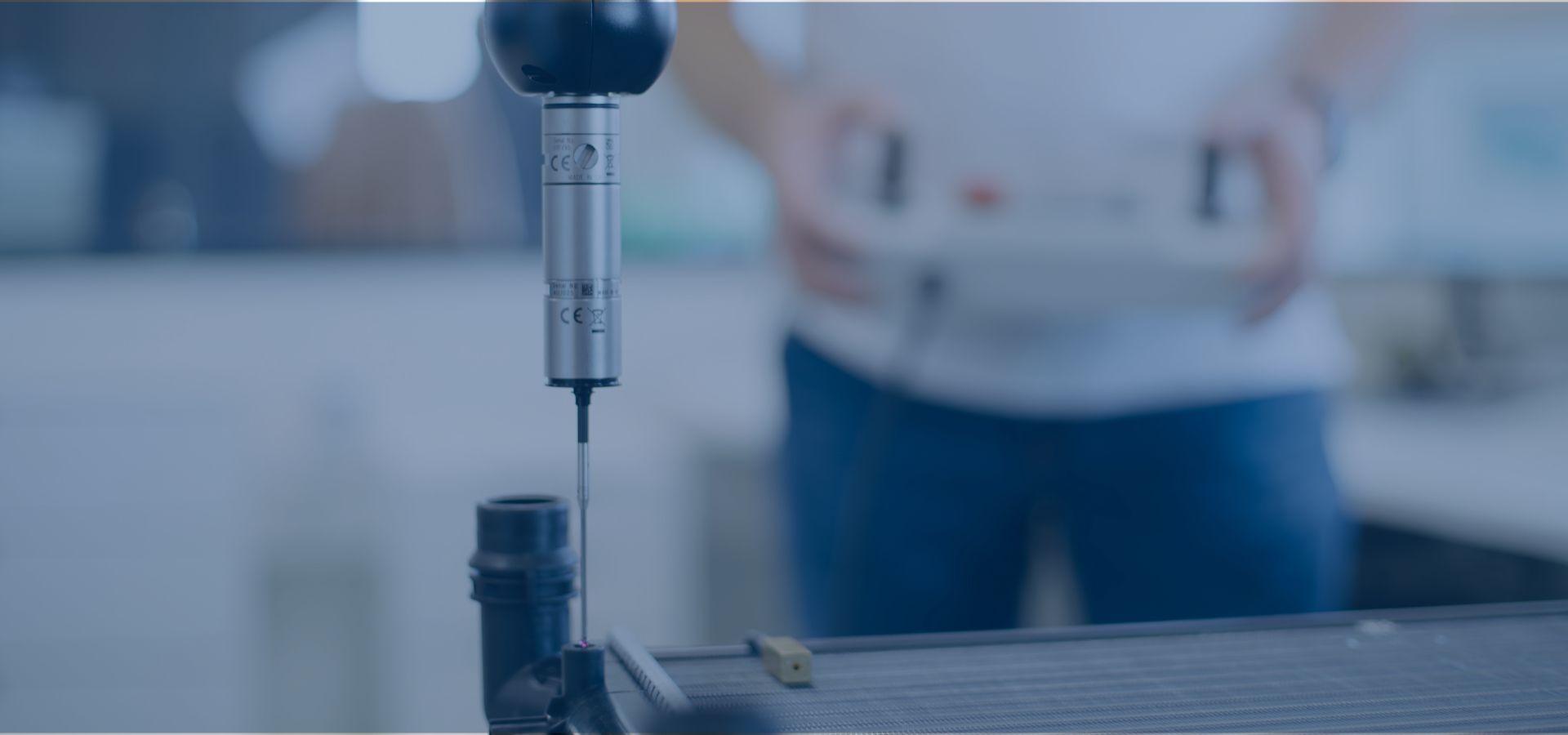
Portable devices are used for random checks on the product or workpiece. Stationary laboratory devices also test a product comprehensively on a random basis according to all parameters.
Stationary testing devices integrated into the production process check the products according to specific parameters. This selection is sufficient to come very close to the goal of defect-free production.
In development, optical measurement is used to check the dimensional accuracy of manufactured components. It ensures that the individual parts can subsequently be assembled into a module.
Reverse engineering describes the reproduction of a manufacturing process. It is primarily used in benchmarking to compare one’s own production expertise with that of the competition. Industrial computer tomography is advantageous for reconstructing internal structures.
3D measurement technology is particularly important here. It is used to measure the individual components as well as the assembled end product down to the smallest detail. With the help of modern processes, such as a 3D printer, the third-party product can be reproduced particularly quickly.
This means that 3D measurement technology can provide important insights for making adjustments to your own manufacturing expertise.
Supplements for optical measurement technology
Despite all the precision that optical measurement is capable of today, it will never remain the only measurement technology in a development or production plant.
For comprehensive quality control, further procedures will also be required in the future in order to be able to assess a material or product in its entirety. These include the following measured variables:
- Chemical composition
- Inner structure
- Load capacity
The spectrometer is still the established method for analyzing the chemical composition of a material.
A sample is burned in a controlled manner. The light from the flame is broken down into its individual components in a prism. Depending on which spectral colors are produced, the components of the sample can be precisely determined.
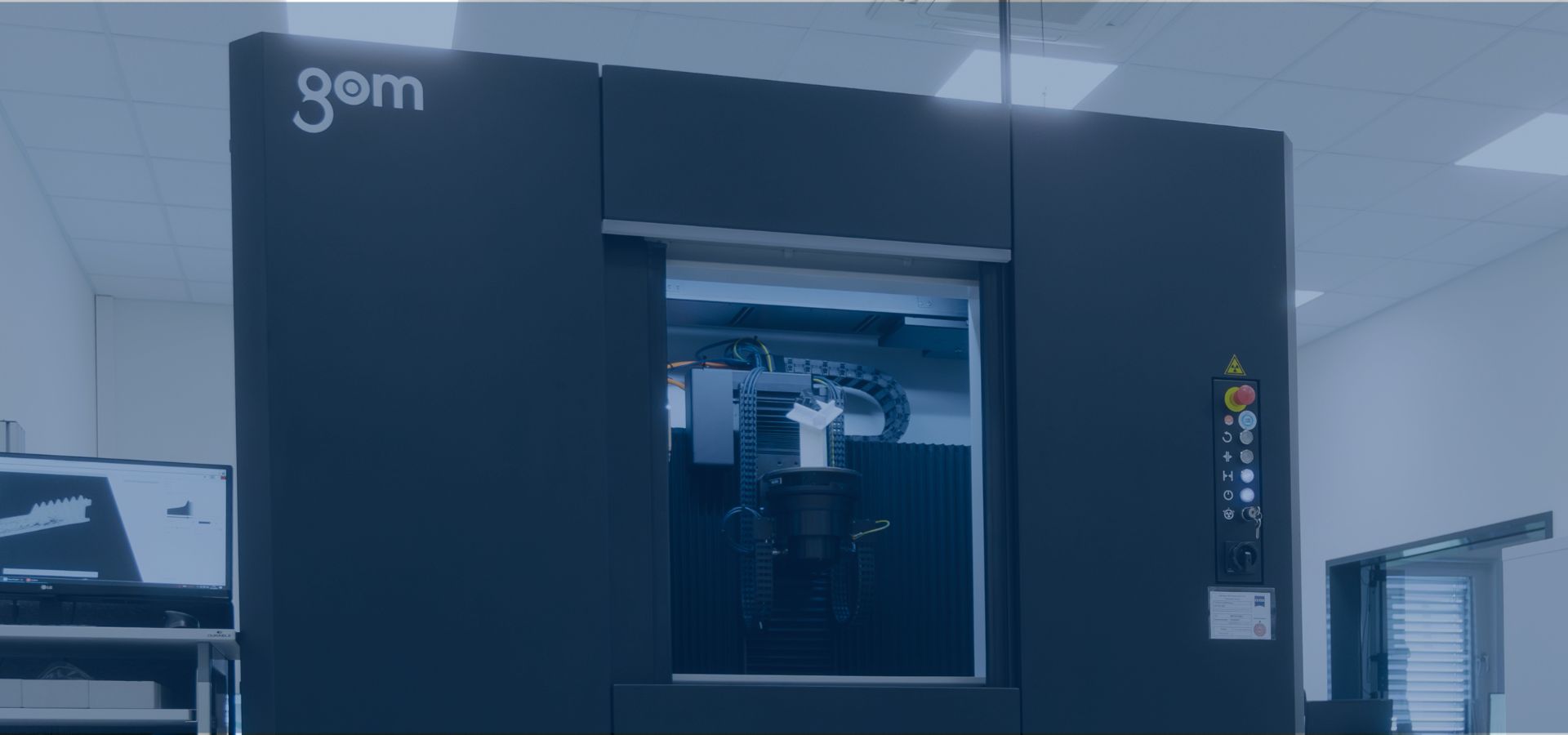
Ultrasonic and X-ray testing are the standard methods used to see inside a material. In ultrasonic measurement technology, a workpiece is exposed to a high-frequency vibration shock at specific points.
These vibrations are reflected at a boundary layer and picked up by a detector. The result of this measurement technology is output as a value or as an image. Simple ultrasonic handheld devices are therefore used to measure the thickness of a material or the thickness of a coating.
Portable or stationary ultrasonic devices provide information about the internal structure of the workpiece via a visual display. Cracks, blowholes, inclusions or holes can be easily detected. Although the results are output in image form, ultrasonic testing is not an optical measurement in the true sense of the word.
The ultrasonic inspection images output are interpretations and calculated representations. Sound waves and not light are used to generate them. For this reason, ultrasonic testing is not an optical measurement, despite the visual output.
Although ultrasonic testing is completely harmless to health, its performance is limited. This measuring technique can only be used to test the internal structure of materials up to a certain thickness.
In addition, this method only allows a relatively small measuring range. For a larger and more in-depth assessment of the internal structure of a workpiece, X-ray testing is therefore the most thorough method of non-destructive material testing.
However, it is also the most complex and most dangerous measurement technique. Although it also provides images, X-ray testing cannot be described as an optical measurement. High-energy X-rays differ considerably from the rays of the visible spectrum. This is why X-rays are not an optical measurement technique.
Mechanical testing equipment is required to assess the load-bearing capacity of a workpiece. These belong to the destructive material testing methods. The most important devices for this are the universal tensile tester, the notched impact hammer and the hardness tester.
Optical measurement for future technologies
Measurement using light will continue to be one of the most important methods for continuous quality inspection in the future. This is particularly true for 3D measurement technology. With the help of ever finer and higher resolution methods, it is possible to detect defective parts within ever tighter tolerances.
As a result, production quality continues to improve thanks to more sophisticated 3D measurement technology, which secures market advantages and reduces costs. With innovative products, measurement technology with light will therefore continue to be a mainstay of quality assurance in the future.