

Specification for component production: The production drawing
The production drawing is a technical drawing for the individual component. It is therefore the basis for every design. Unlike the previous sketch, every detail is important in the component drawing. Only with the complete specification of all factors is the worker able to manufacture the component in the desired manner. For this reason, a large number of particularly strict standards apply to this type of design drawing.
Contents of the component drawing
The component drawing must contain the following information:
- Scale drawing of the component including all edges, chamfers and curves
- Specification of all dimensions
- Roughness
- Tolerances.
A component drawing includes a standard sheet with a margin and title block. This title block should contain the following information:
- Name of the designer
- Date of creation
- Material
- Name of the component or the function
- Scale of the drawing.
The drawing of the component and its dimensions must comply with the standards for technical drawings. This includes the correct use of the following elements:
- Line types
- Standard font
- Hatching
- Additional information.
Function of the production drawing
With its detailed information, the component drawing serves to provide the worker with exact information for the production of a component. If possible, the component should be depicted on a scale of 1:1. Smaller products in particular can be held directly to the plan and thus checked for approximate dimensional accuracy. In addition to the basic dimensions of a component, it is also very important to specify the tolerance.
This is the only way for the worker to know how precisely he has to manufacture the components with all elements. Components usually have different tolerances at different points. These are noted accordingly on the drawing. It may be that one side of the component can remain rough and unprocessed, while precision in the thousandth of a millimeter range is required at another point.
Production of the production drawing
Until about 20 years ago, manual production with ink and paper at the drawing table was the usual method for technical drawings. Thanks to modern computer technology, this is now much easier to implement. 2D programs such as AUTOCAD are available for simple drawings. They enable precise drawings to be produced quickly thanks to convenient functions such as “snapping”.
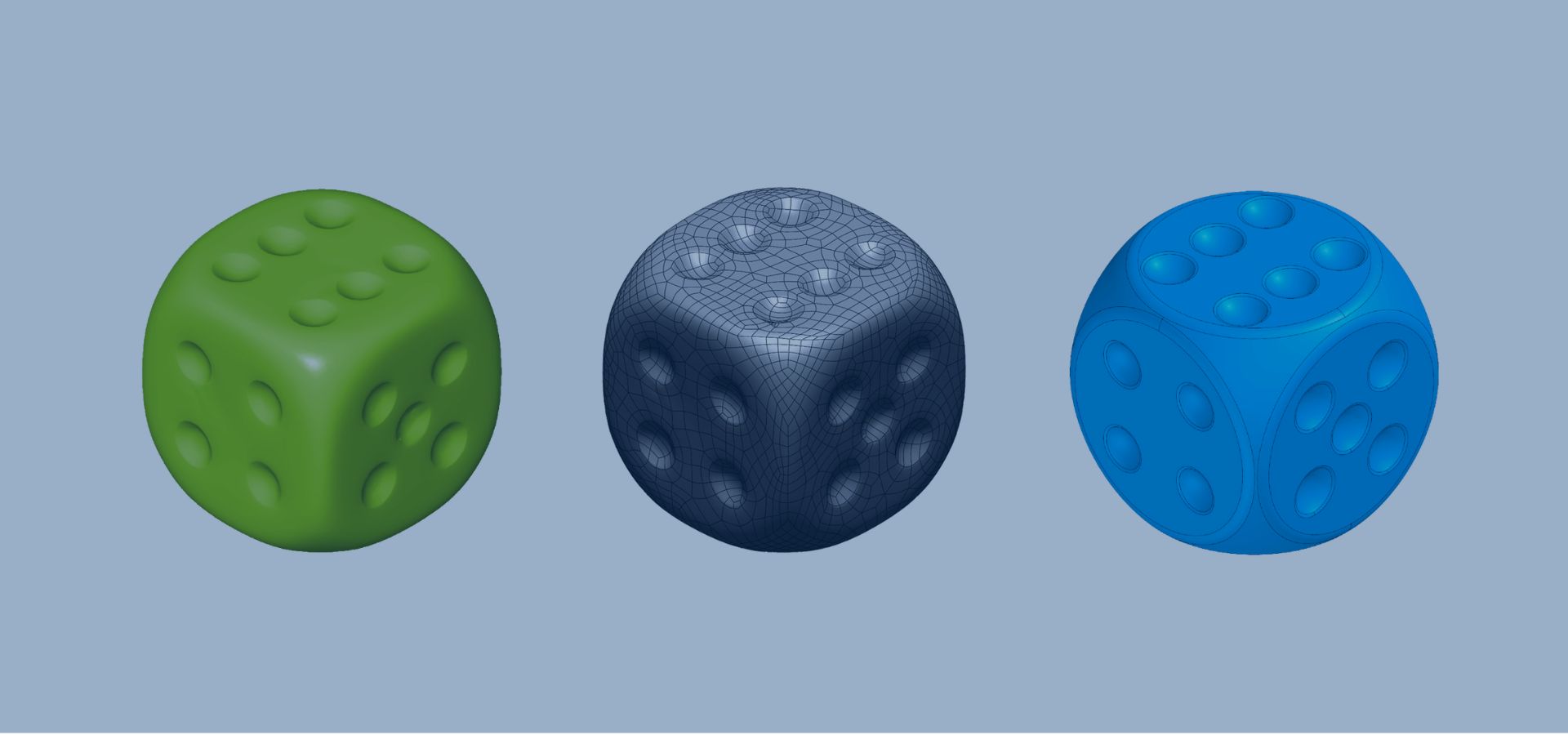
3D design programs have become the standard for complex components or assemblies. They provide a particularly vivid and realistic impression of the finished product. The individual component drawings can be derived from the 3D model in just a few simple steps. Nevertheless, creating technical drawings is a fine art that requires a great deal of knowledge, experience and qualification.