


Tool correction by inversion – virtual and fast
Highest precision and maximum quality for your components!
Tool correction offers an innovative solution for optimizing correction loops through a targeted target/actual comparison and precise digital adjustments.
Contact us without obligation and receive a solution proposal including an offer in max. 24 hours
Tool correction by inversion – virtual and fast
Highest precision and maximum quality for your components!
Tool correction offers an innovative solution for optimizing correction loops through a targeted target/actual comparison and precise digital adjustments.
Contact us without obligation and receive a solution proposal including an offer in max. 24 hours
What is tool correction?
Tool correction refers to the process of specifically adapting tool geometries in order to compensate for dimensional deviations between the manufactured component and the desired target geometry.
The actual geometry of the component is recorded using tactile or optical 3D measurement technology, for example, and compared with the CAD model. Deviations are analysed and translated into correction data that leads to the optimization of the tool.
A modern approach is virtual tool correction, in which the deviations are digitally inverted and incorporated directly into the CAD model of the tool. This means that future components can be manufactured with a precise fit and without unnecessary correction grinding.
Tool correction is a key quality assurance step in series production and helps to save time, material and costs.
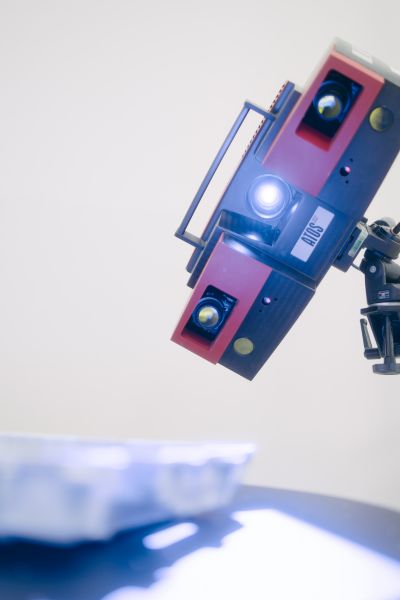
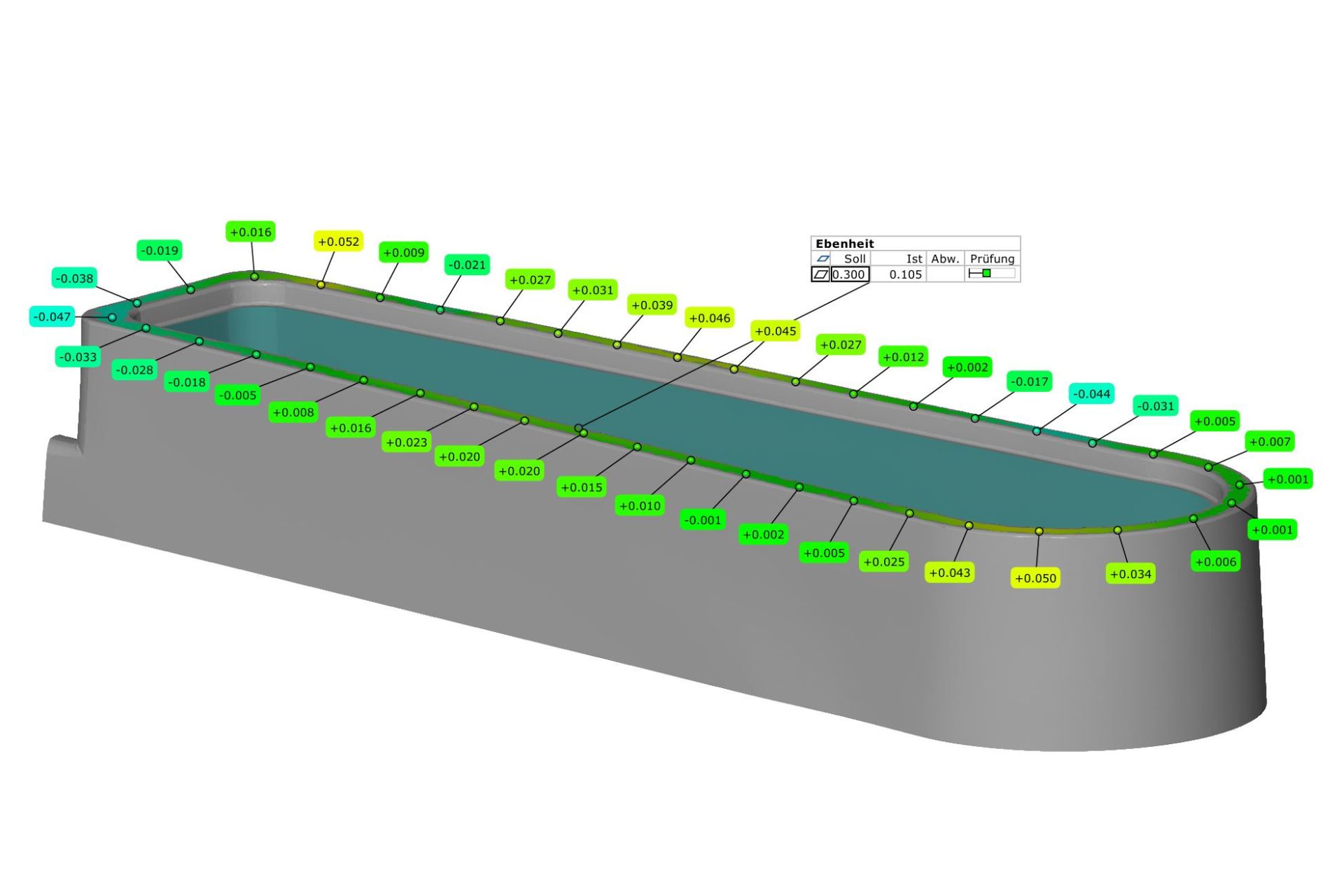
3D scan to record the actual geometry
The advantages of tool correction

Precise actual geometry detection
Using state-of-the-art 3D scanning and computer tomography, we capture the exact geometry of your components and create a reliable STL file.

Targeted correction and optimization
Our tool correction adapts CAD models precisely through local adjustments so that all requirements and specifications are met. The process takes place virtually.

Reliable validation and quality assurance
A final target/actual comparison guarantees that all components meet the required standards and ensure long-term functionality.
When you contact us, you will always speak directly to your contact person for tool correction. No call center waiting loops, just competent measurement technicians.


























References
The tool correction process in detail
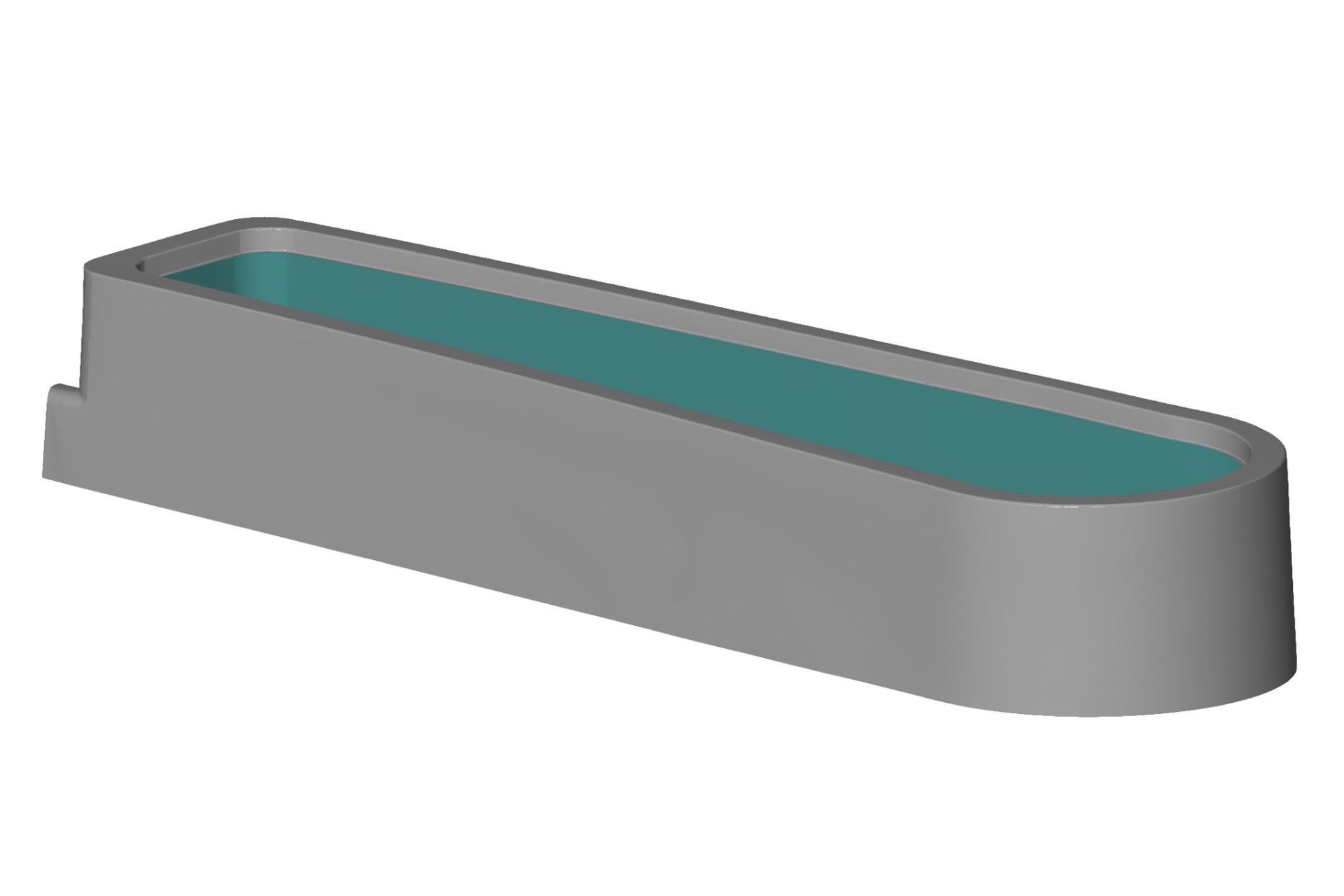
1. recording the actual geometry (STL)
Recording the actual geometry of the manufactured components using 3D scanning or a comparable process in the form of STL data. The recording is carried out on components that were manufactured with the current tool in order to create a realistic data basis for the analysis.
2. geometry analysis (target/actual comparison)
Detailed analysis of the manufactured components using a target/actual comparison, e.g. by comparing surfaces or other geometry measurement methods. The aim is to identify deviations between the target and actual geometry and to localize critical areas that lie outside the required tolerances.
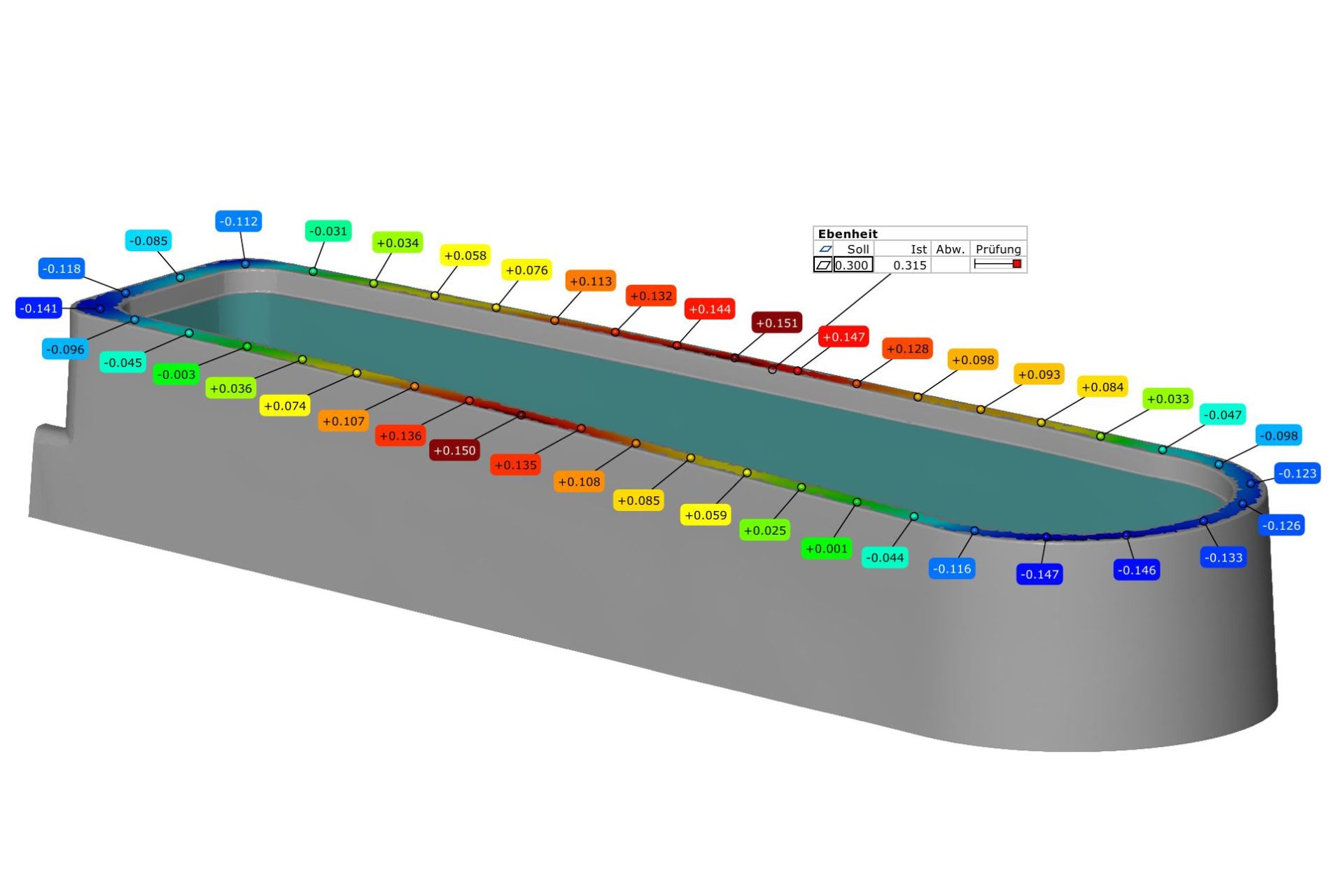
3. definition of the local correction areas
Determining and defining the specific areas that need to be corrected to ensure the shape and position tolerance requirements are met and the functionality of the end product is guaranteed. This phase is essential to ensure that all critical component areas are within specification.
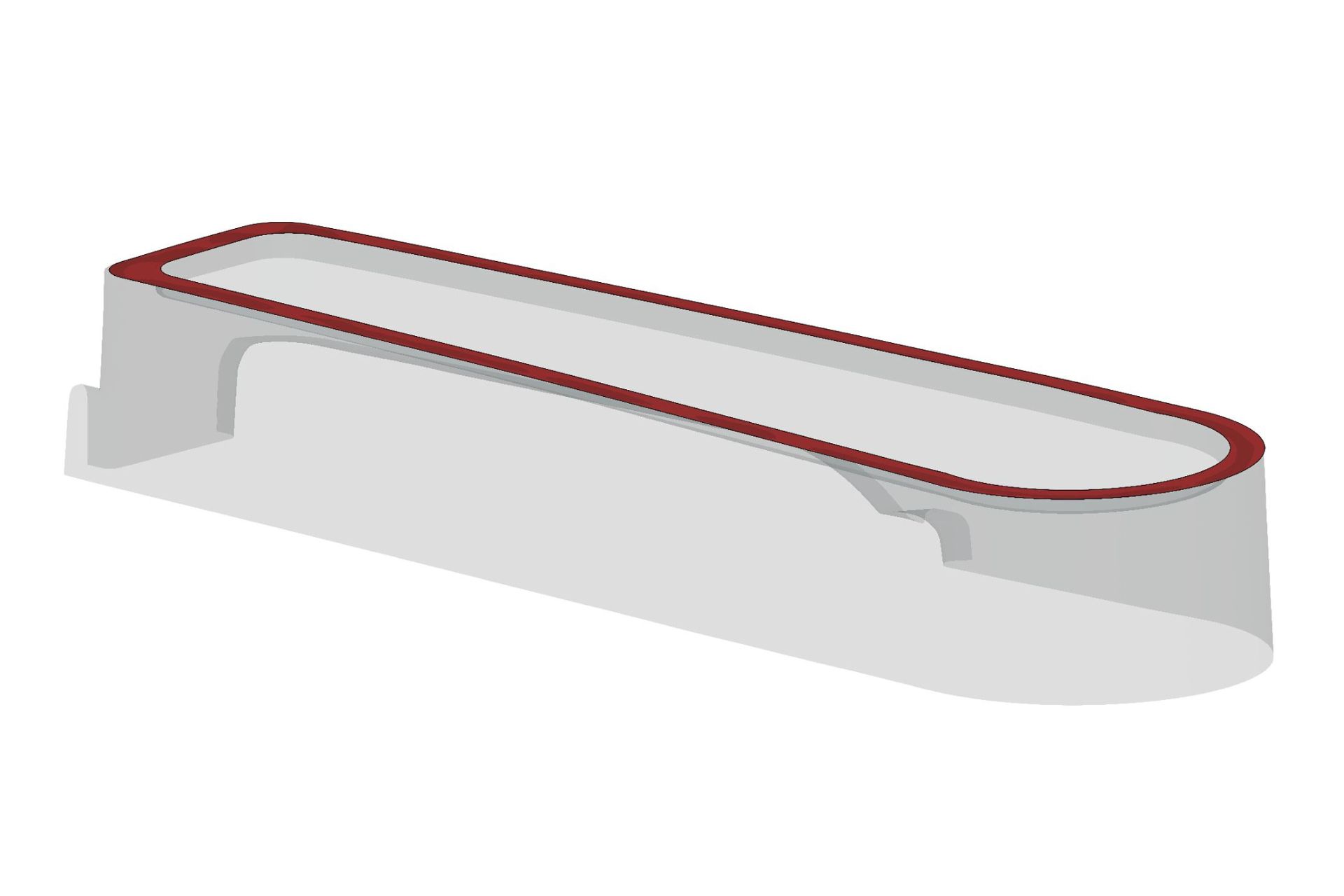
4. correction of the component CAD model by inversion
Adaptation of the CAD model of the component in the identified correction areas through targeted inversion (mirroring). This method is based on the results of the target/actual comparison and enables precise adjustment of the tool geometry in order to compensate for deviations and achieve the desired final geometry.
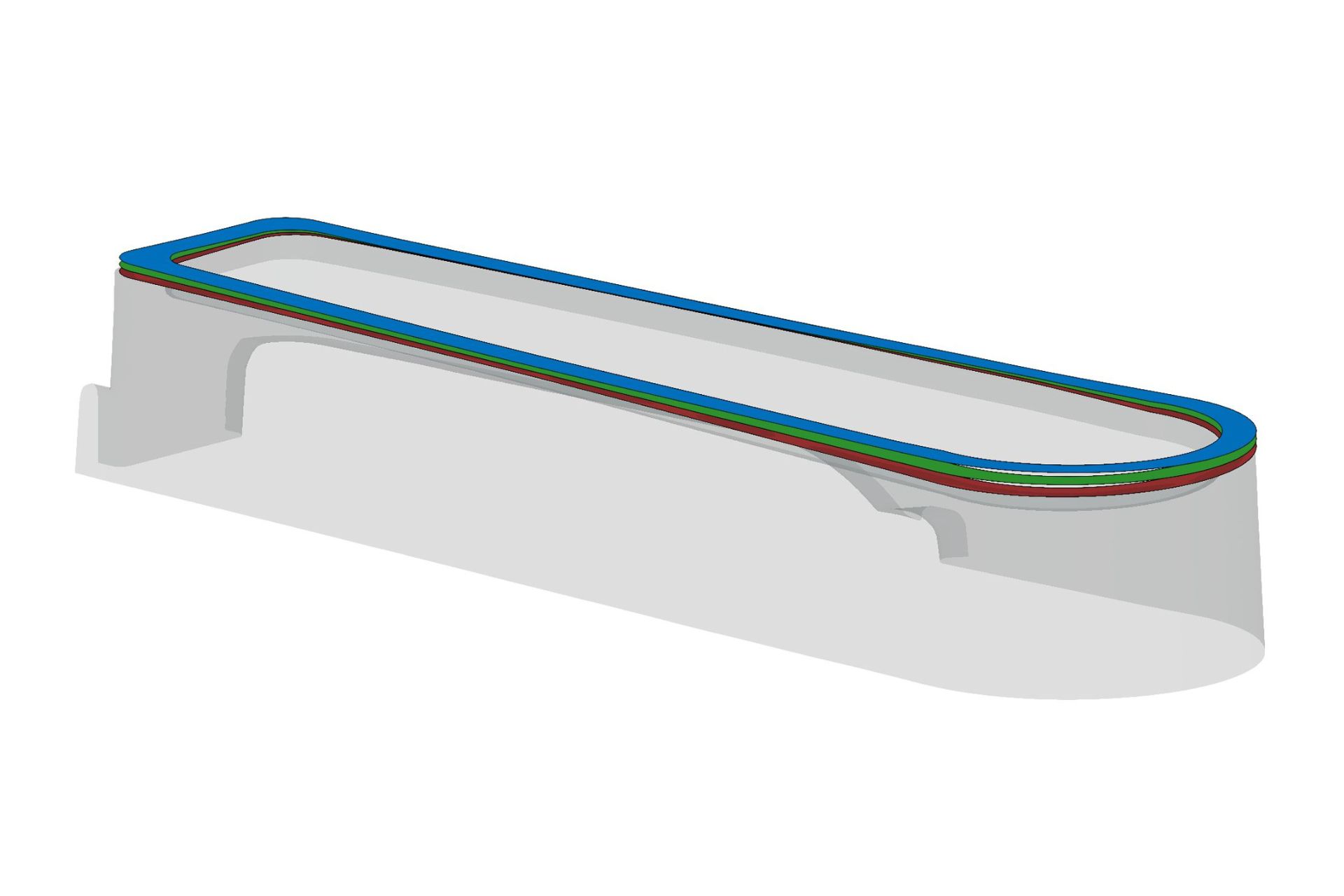
5. recording the actual geometry of the corrected tool
Recording the actual geometry of the components manufactured with the corrected tool, again using 3D scanning or comparable methods. This step serves to document the changes and the adapted geometry and forms the basis for the final validation of the corrections made.
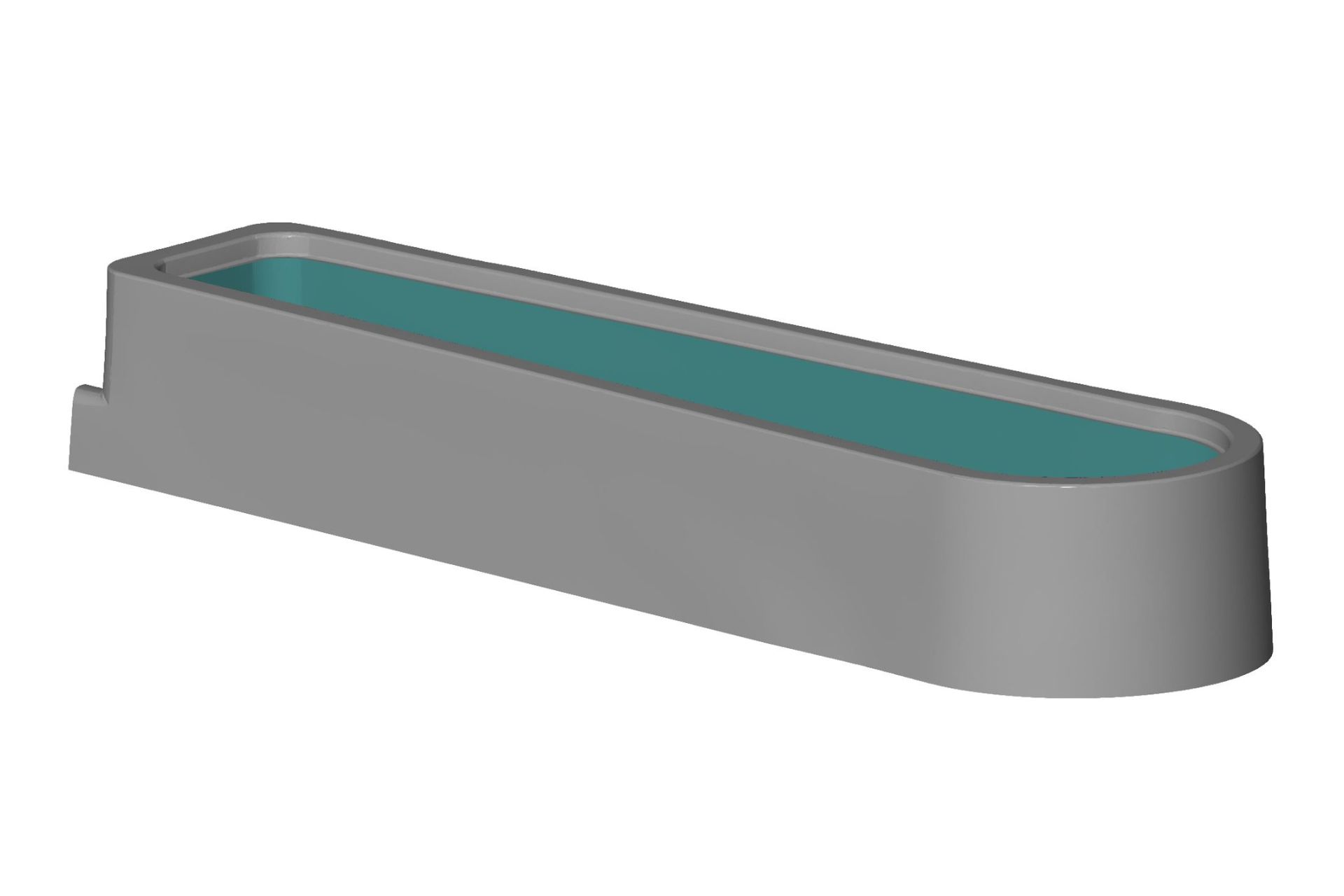
6. geometry analysis and validation of the corrective measures
Re-analysis of the actual geometry of the newly manufactured components using a target/actual comparison to check the effectiveness of the corrections. This validation step ensures that the corrected tool meets the component quality as specified and complies with the necessary geometry requirements.
Are you unsure which option is right for you? Feel free to contact us without obligation and have your questions answered by a measurement technician.
Years of 3D measurement technology
Experience
Successfully completed
projects
24 hours max. until you receive an offer
What is the difference between tool correction and virtual tool correction?
Tool correction is the overarching term for all measures with which a tool is adapted in order to compensate for deviations between the actual and the desired component geometry. Traditionally, these corrections are often made iteratively, i.e. through test runs, manual reworking and step-by-step optimization directly on the tool or on test pieces.
Virtual tool correction (VWK), on the other hand, goes a decisive step further: it is based on a digital, precise process in which the actual geometry of a manufactured component is captured using a 3D scan and compared with the target geometry. Deviations are specifically localized, digitally inverted and incorporated directly into the CAD model of the tool. As a result, the tool is automatically corrected in the next production step so that the resulting component is dimensionally accurate – without any time-consuming test runs.
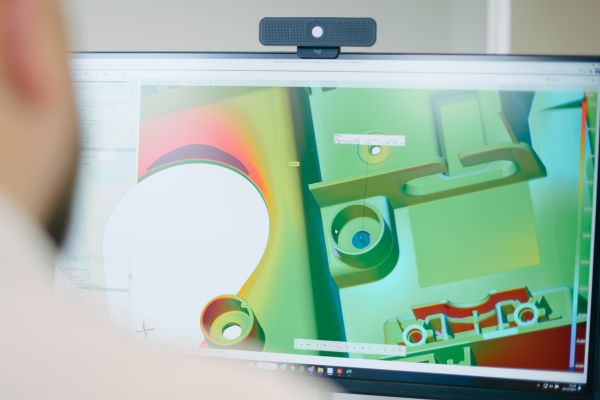
Adaptation of a CAD model
Frequently asked questions about tool correction
What is virtual tool correction?
Virtual tool correction is a computer-aided process for adapting CAD models that compensates for precise deviations between target and actual geometries. By inverting critical areas, tools are optimized to precisely meet component tolerances.
How does the target/actual comparison work with tool correction?
During the target/actual comparison in tool correction, the actual geometry of the component is digitally recorded and compared with the original CAD specification. Deviations are localized and corrections are defined to ensure compliance with the tolerances.
What advantages does virtual tool correction offer companies?
Virtual tool correction offers companies a precise and cost-effective method of reducing rejects and production times. Targeted CAD adjustments can significantly increase component quality and shorten development time, ensuring long-term production stability.
In which industries is tool correction useful?
Tool correction is particularly advantageous for technically complex plastic components. The digital process optimizes production processes, ensures dimensional accuracy and increases product quality.
Contact us now without obligation