

Quality determination of irregularly shaped surfaces
In technology, many surfaces are easy to capture metrically. They are either linear or run within a defined arc.
However, there are numerous applications in which a surface is very irregularly shaped. Here, the general surface shape tolerance, also known as “asymmetrical surface shape tolerance”, must be used.
Use cases for the surface shape tolerance
Typical examples of the irregular surfaces mentioned are the cavities of injection molds. These products, which are often small in size, are particularly individually shaped, making them difficult to measure using traditional measuring methods.
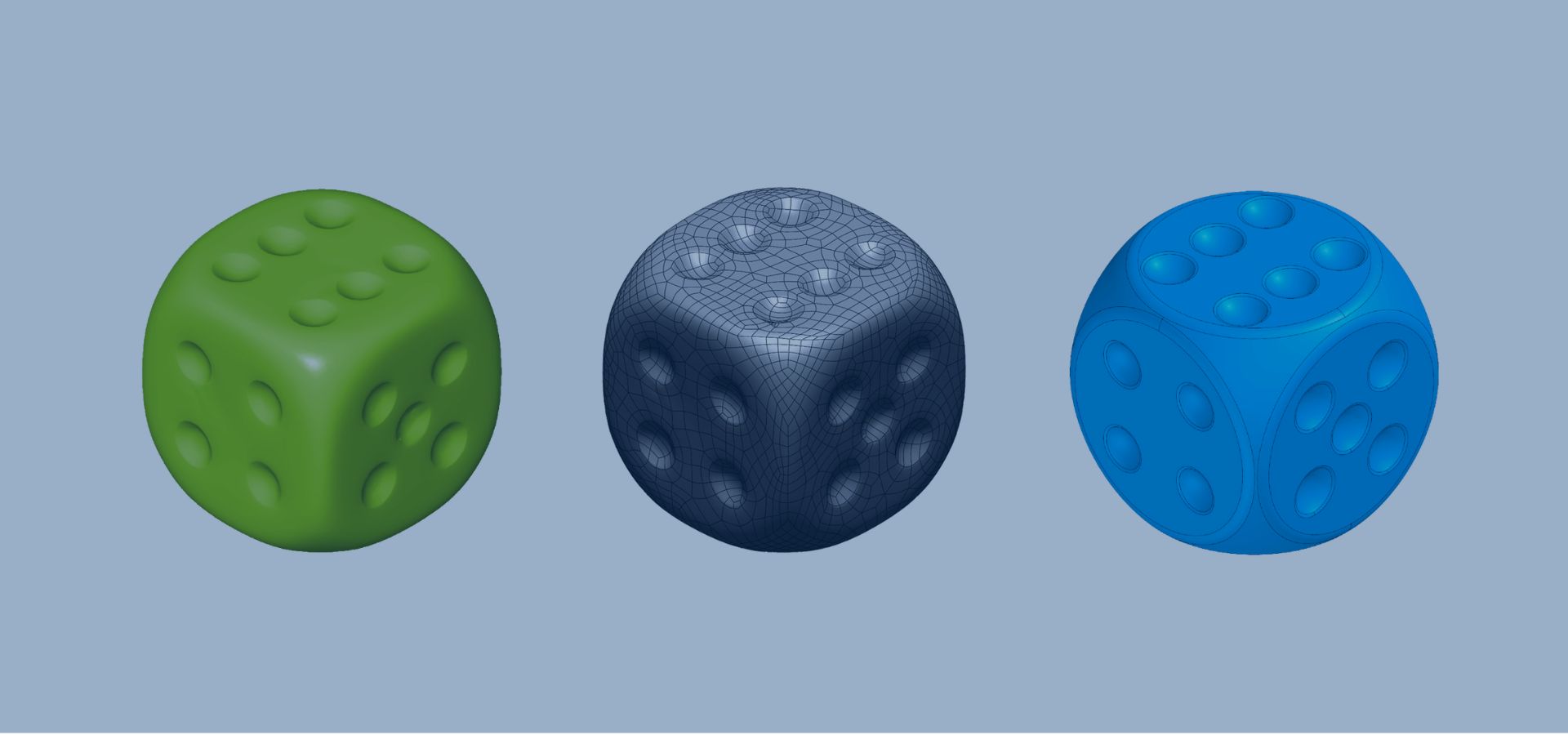
The CAD model provides a reference dimension from which the surface shape tolerance can be viewed.
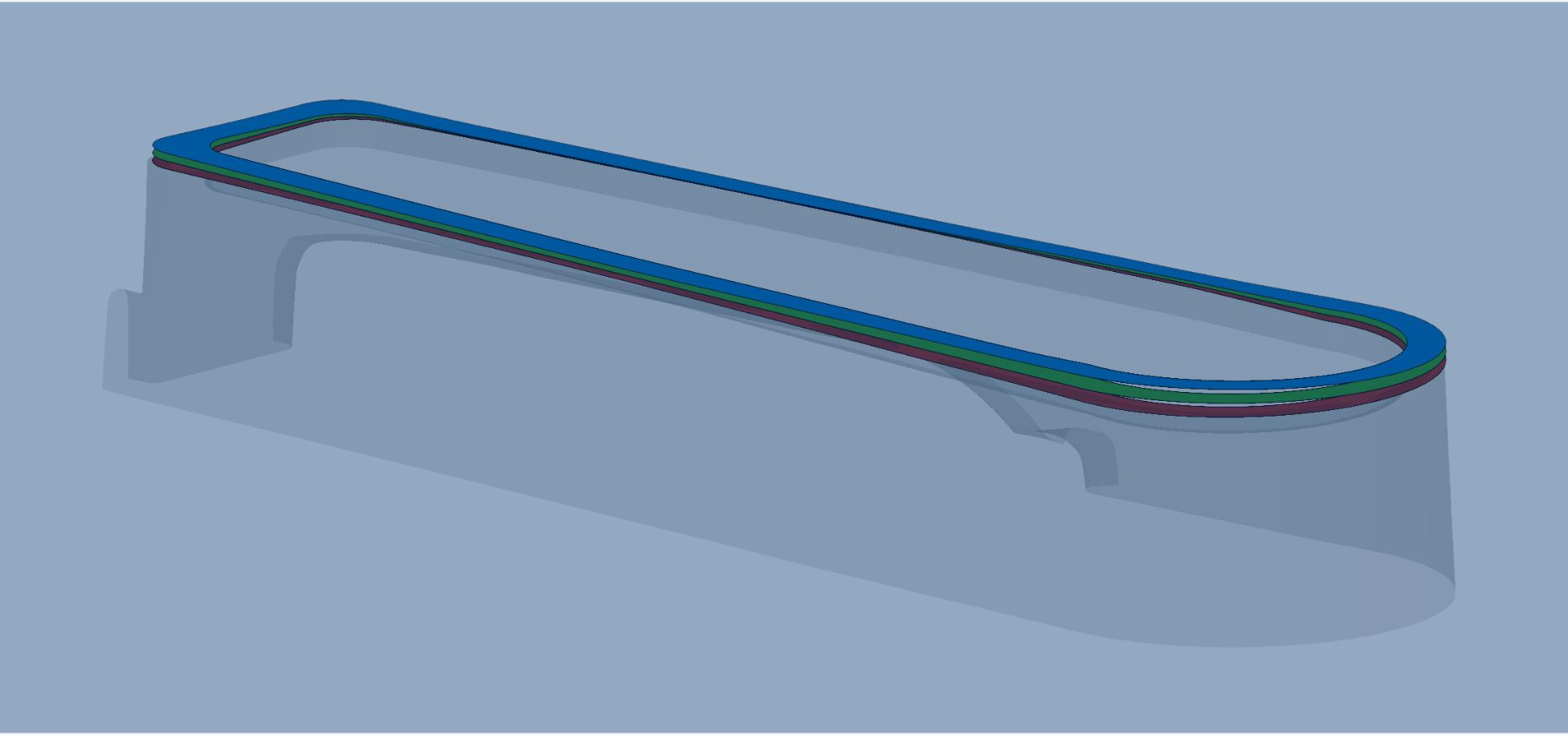
These models stored in the computer can be scaled as required. Each tolerance is defined by a tolerance zone. The tolerance zone consists of two envelopes within which each point of the manufactured surface must be located.
The CAD model can therefore be used as a reference system for irregularly shaped surfaces. Based on its ideal dimensions, the tolerance of an irregularly shaped surface can be examined more closely.
Measuring method for the surface shape tolerance
As irregular as the surfaces may be, they usually only have very narrow tolerances.
The primary molded components are generally not processed any further. As soon as they have left the injection and die-casting tools, they must have the desired dimensions within the defined tolerance.
When a 3D model was not yet available as a reference system, a zero object from the first series had to be used. Based on its dimensions, all further products were checked continuously and randomly at defined points. However, this process had considerable weaknesses:
The assumption that a zero object of the first series is particularly dimensionally stable is not always correct.
A tool first has to get used to a machine before it can really produce the desired quality. Injection forces, cohesion forces and the composition of the material can influence the end product. Even if the cavities are still almost new, tolerance deviations can occur.
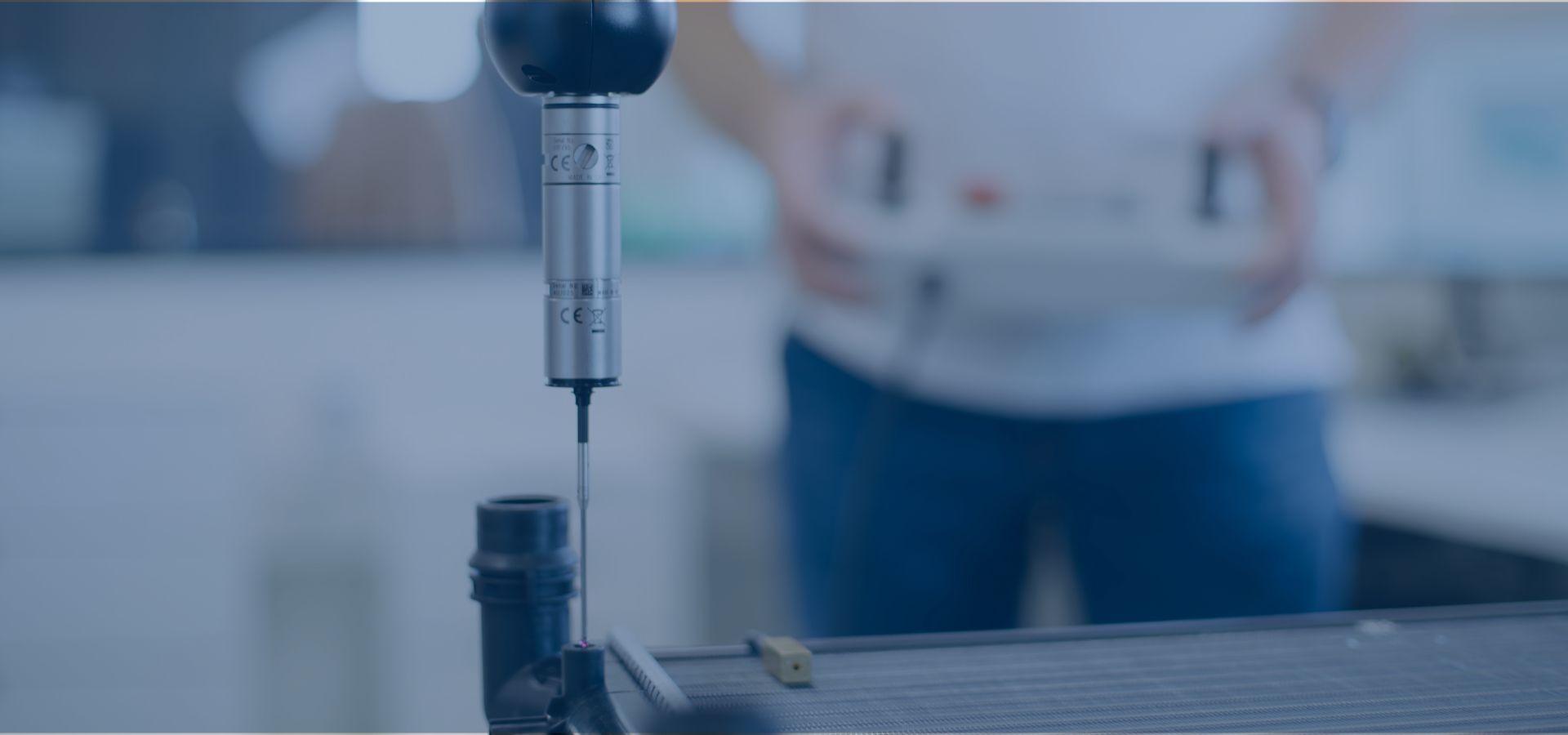
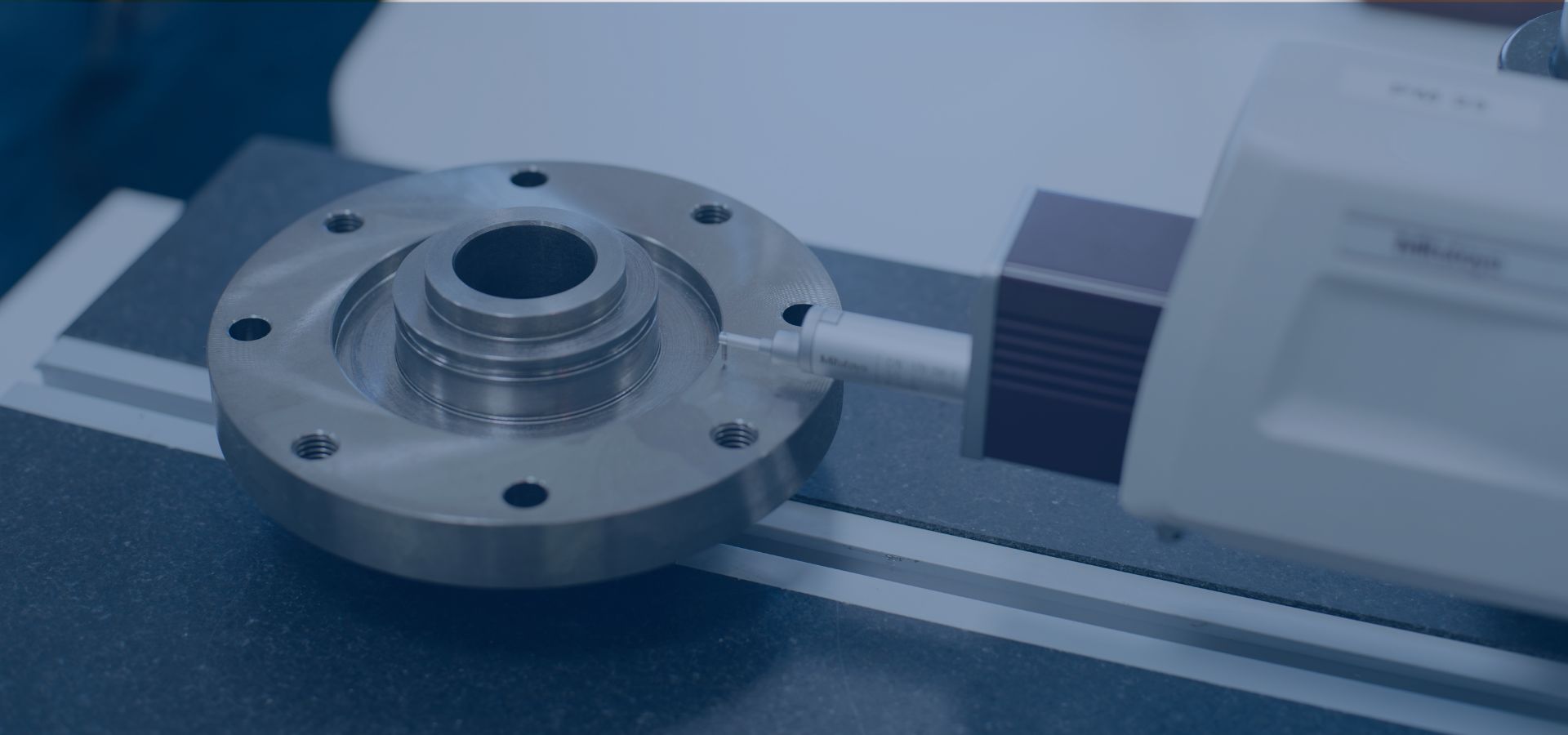
With the CAD model as a reference system, however, other methods can be used to determine the surface shape tolerance. Tactile measurements using a 3D coordinate system are well suited for large components.
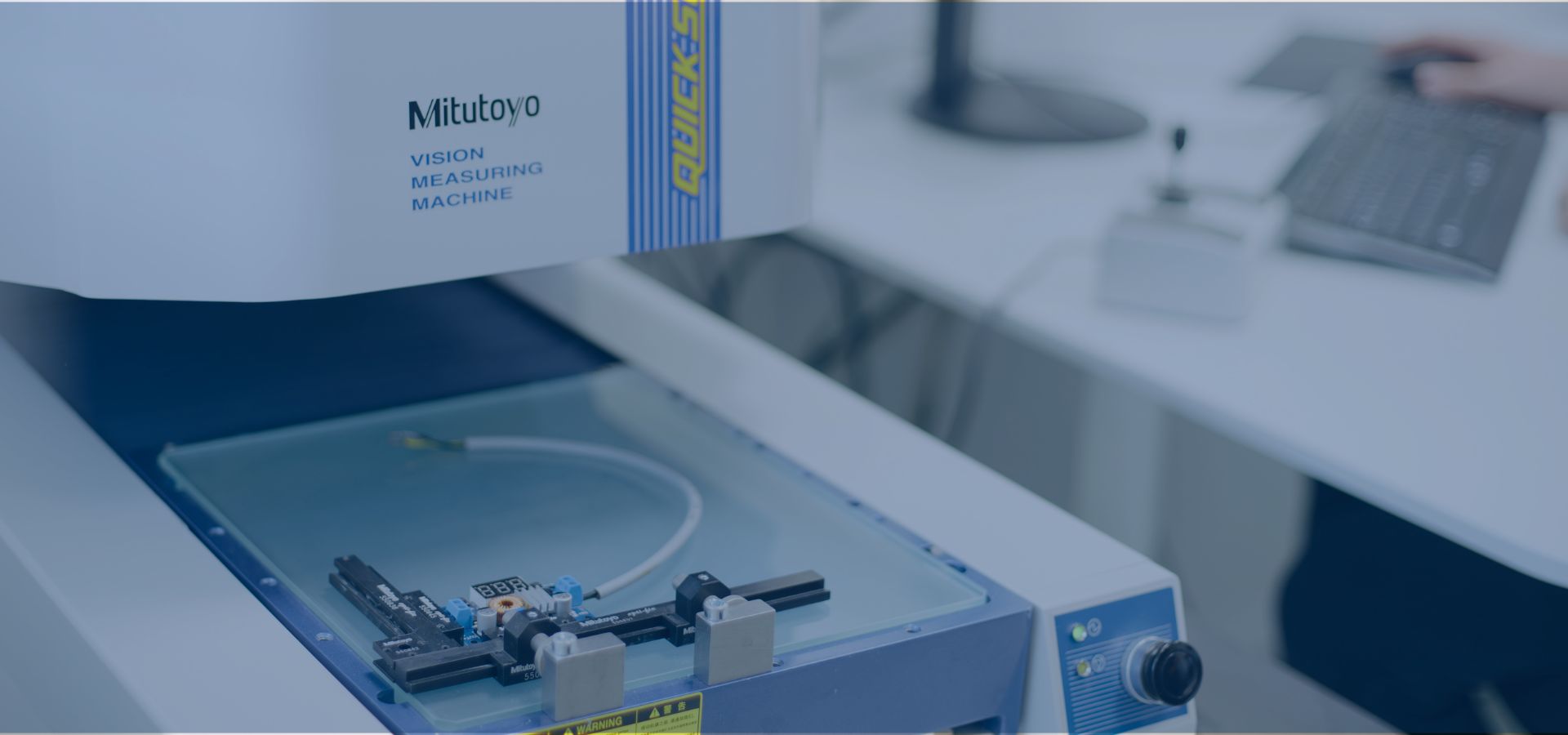
However, they are usually not flexible enough for the small-part products that come out of injection molding and die casting machines. This is where optical processes have defined themselves. They offer the following advantages:
- Non-contact measurements
- Comprehensive view of the component
Optical methods for determining the surface shape tolerance
Based on the CAD model as a reference system, two methods can be used for the optical, comprehensive and non-contact determination of the surface form tolerance. These methods are
- Laser scan
- Photometry
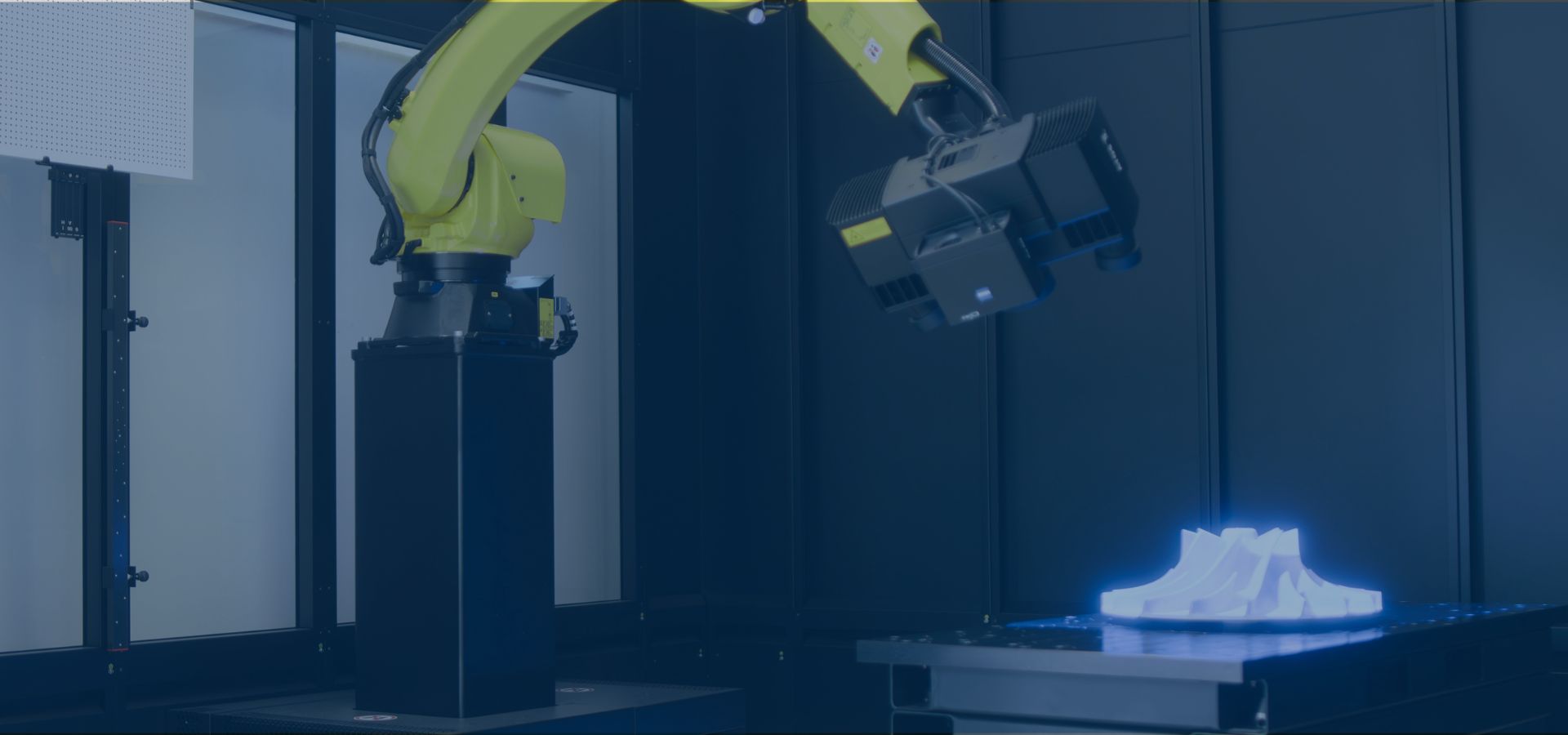
In laser scanning, a laser emitter is moved around the component. Depending on how the laser is deflected on the surface of the component, the contour can be precisely determined. This method is very accurate, but somewhat slow.
Today, photometry is much faster. Here, a component is photographed from all sides and a 3D model is calculated from this.
This model is compared with the CAD model as a reference system. The particular advantage of the holistic approach is that no wear point can be overlooked. As soon as a component leaves the specified surface shape tolerance at any point, this can be registered.
In combination with the high speed of photometry, 100% measurement is also possible with this process for a large series.