

Photogrammetry: non-contact 2D and 3D measurement technology
The metrological evaluation of photographs, which generates 2D or 3D models, is the classic application of photogrammetry.
Non-contact optical measurement technology is primarily used for objects that cannot be measured directly, whether due to their size, an insurmountable distance or movement of the object to be measured.
Modern 3D measurement technology uses methods that have little to do with photography, but follow the same measuring principles as classic photogrammetry.
How 2D photogrammetry works
You can precisely determine the dimensions of two-dimensional structures from a photograph taken perpendicular to a surface if you know the distance from the object plane and the focal length of the lens used to take the photograph and the lens is distortion-free within the limits of the measurement accuracy or the distortion is known as a function of the image angle.
This description is not entirely correct if the object distance is small, i.e. at large image scales, and you are not using a single, thin lens as the objective. In this case, you must distinguish between the object-side and image-side focal lengths and take into account that these dimensions are generally measured from two different principal planes.
However, you can usually ignore these details because the image is taken at a sufficiently high reduction.
How to determine 2D coordinates with photogrammetry
The real dimensions of the two-dimensional structures result with the above parameters from the imaging laws of Gaussian dioptrics: The ratio of a distance in the image to the original size corresponds to the quotient of image width and object width and is equal to the image scale.
You get the same value if you divide the focal length of the lens by the distance of the object from the front focal point, which is usually easier to determine.
Other methods of photogrammetry
However, the possibilities of photogrammetry are far from exhausted. First of all, the calculations can also be easily extended for images that you have taken at an angle rather than vertically.
You can also use stereophotogrammetry to determine three-dimensional coordinates from photos taken from slightly different angles.
Photogrammetry thus becomes a tool for 3D measurement technology. Another variant is the light section method.
Photogrammetry in 3D measurement technology
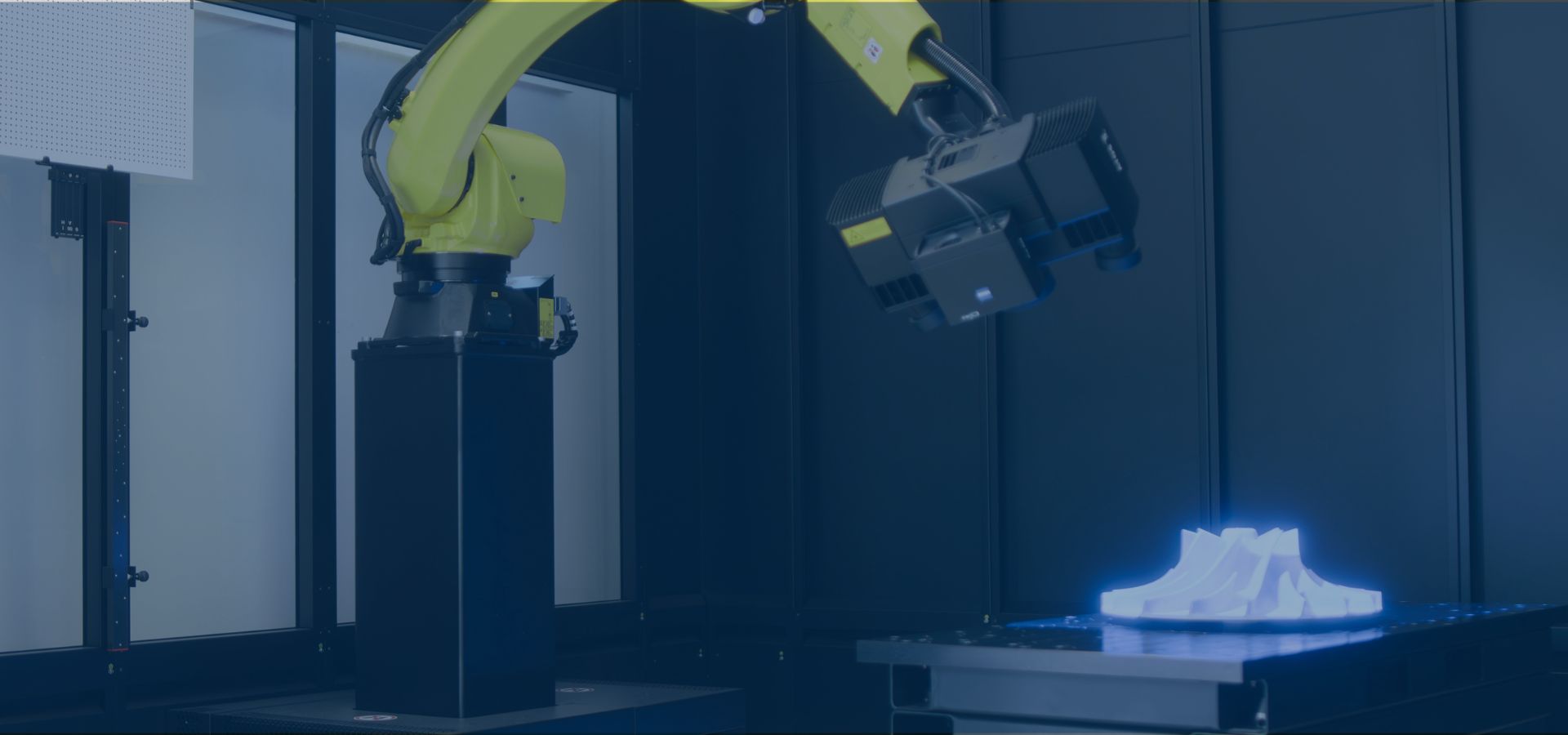
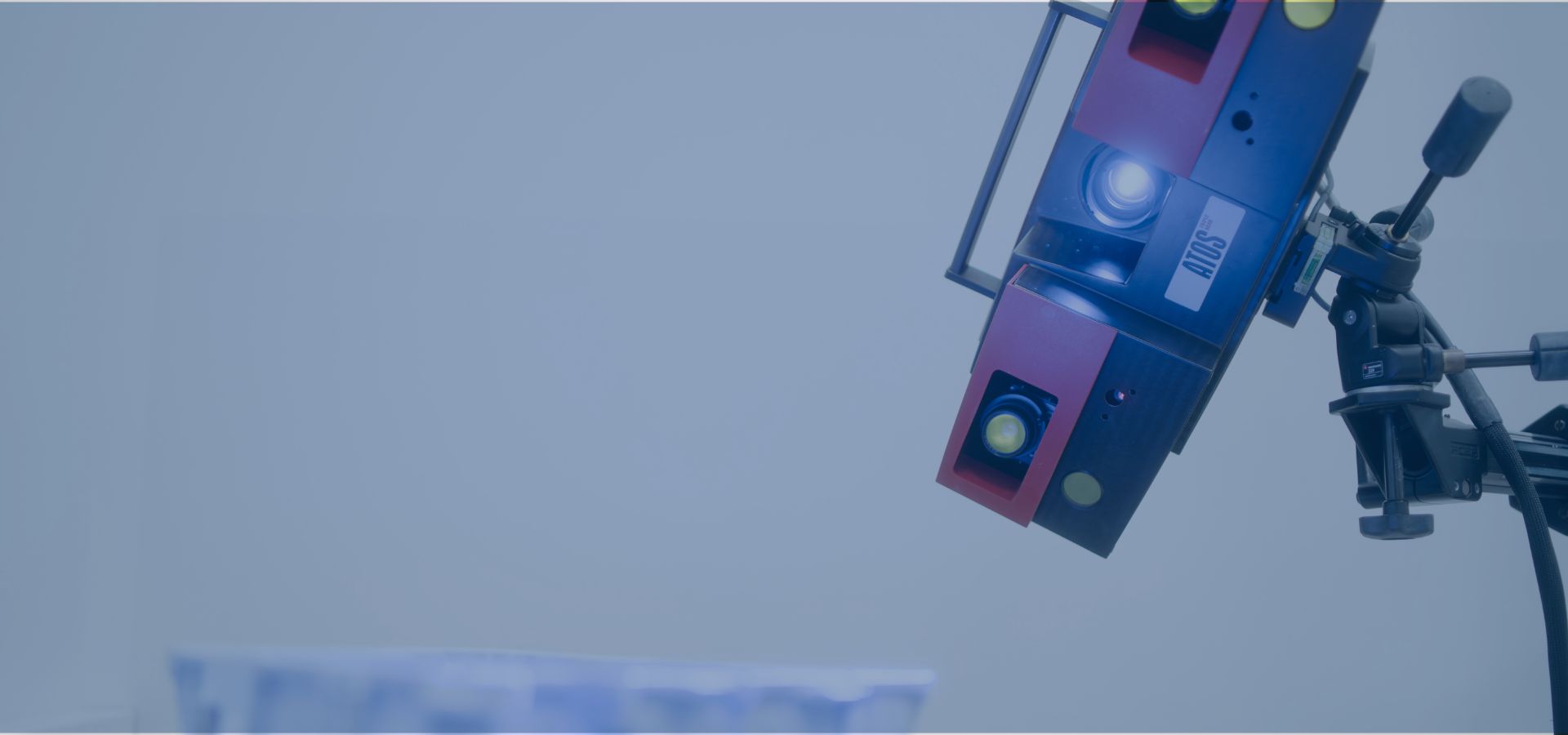
In photogrammetry, which is usually applied as a laser light section method, you use special lighting that projects a striped pattern onto the object to be measured in conjunction with a camera or a camera-like combination of lens and optical sensor.
The light source and camera are mounted in such a way that the sensor captures the vertically illuminated object from a known angle. As a result, differences in height on the object appear in the camera as a lateral shift in the light strips.
From this, three-dimensional coordinates can be calculated by triangulation while the measurement object passes under the scanner.
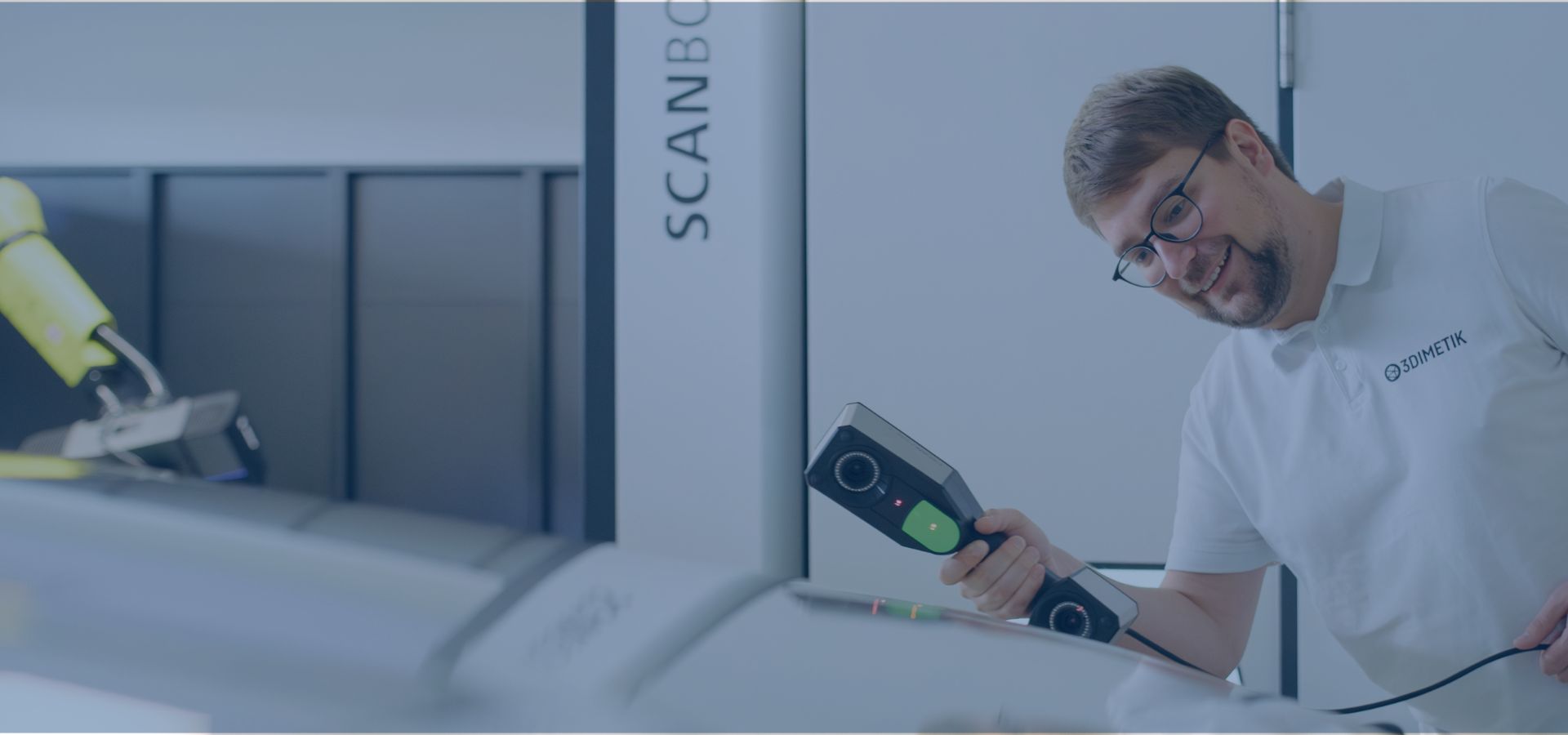
In addition to the non-contact mode of operation of photogrammetry, the recording of measurement data in real time is particularly advantageous, as this allows 3D measurement technology to be integrated directly into production processes.
3D measurement technology from surface roughness to black holes
Photogrammetry is suitable for measuring objects of very different sizes.
Microscopic structures such as surface roughness in manufacturing technology are just as much a typical application of 3D measurement technology as the measurement of buildings or the earth’s surface.
The newer methods of this type of photogrammetry include terrestrial laser scanning (TLS) and UAS photogrammetry, a 3D measurement technique that makes use of unmanned aerial systems.
Providing the data basis for cartography from aerial images is a classic area of application for photogrammetry.
The 3D measurement technique is also used to investigate the properties of black holes, albeit not directly, but on physical models whose mathematical description corresponds to that of black holes.
Photogrammetry of water surfaces
The surfaces of hydrodynamic systems, such as those used for modeling black holes, pose special problems for photogrammetry and are therefore worthy of more detailed consideration.
A water surface shows a clear directional reflection of incident light. Due to their angular dependence, such reflections cause strong disturbances in the recorded images, especially when there are wave movements on the water surface.
They can be suppressed to a large extent by particles on the water surface that diffusely reflect the light.
Coloring the water also has a similar effect. Fluorescent dyes such as eosin have proven to be particularly effective, as they reflect the incident light at a characteristic wavelength.
With a suitable choice of light color and dye, you can filter out the directionally reflected light in front of the sensor and thus obtain completely undisturbed images for photogrammetry.
Another approach gets by without any coloring at all by first catching the reflected light on a vertical projection surface and only recording these indirect reflections with the camera.
Another attractive application example for photogrammetry
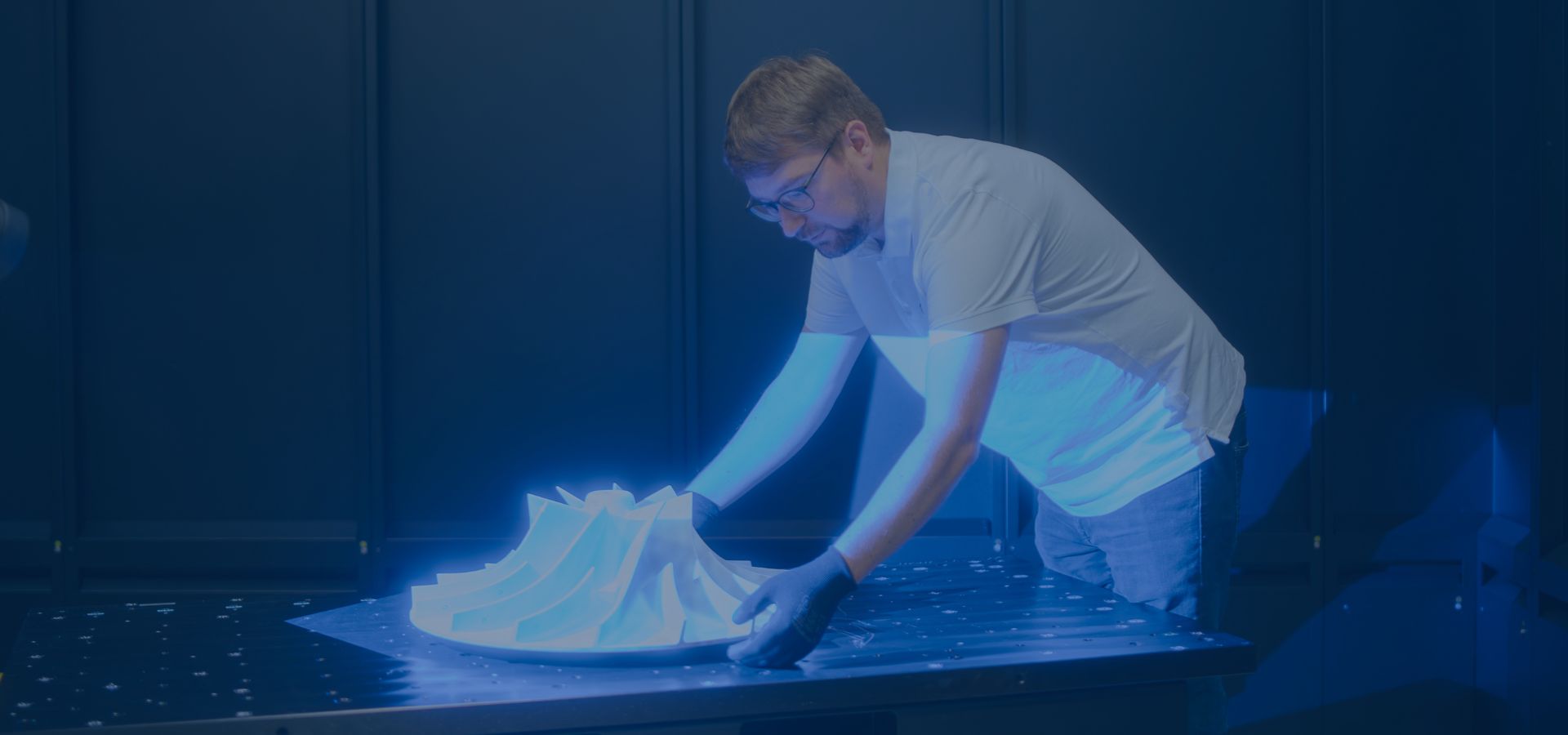
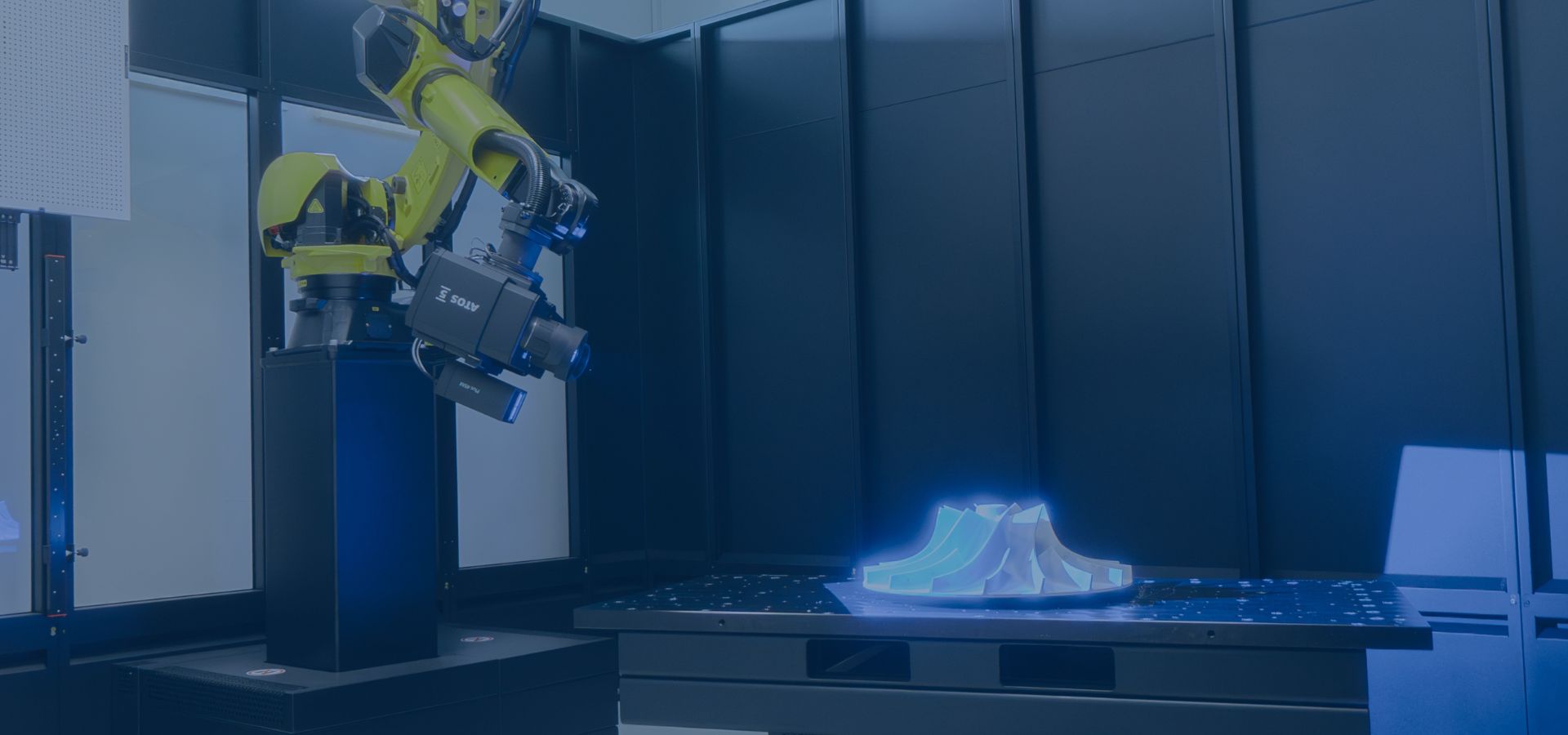
A particularly interesting area of application for photogrammetry is in the field of production technology and quality assurance.
Here you can take advantage of several effects at once with 3D measurement technology. On the one hand, the non-contact, optical measurement technology immediately saves time if it is integrated directly into the production process.
Inspection during or immediately after machining also enables reworking without additional set-up times. Furthermore, the early detection and sorting out of rejects can reduce their share of production costs. Industrial CT measurement technology is suitable for internal views of components.