


Deviating course of a straight line
An inclination describes the course of a straight line to the horizontal axis or to the perpendicular axis. It is up to the draughtsman to decide which specification makes more sense in each case.
However, the sum of the angles between the inclination to the perpendicular axis and the inclination to the horizontal axis must always be 90°.
The differences can be used to quickly calculate control angles if the specified target angles cannot be checked directly.
Problems in the linguistic definition
An “inclination” is only one way of describing the course of a straight line inclined to a perpendicular or plane.
The term “gradient” is mathematically established for this purpose. Terms such as “slope”, “gradient”, “inclined straight line” or similar are much more commonly used.
In the broadest sense, a distinction can be made between “slope” as a “falling straight line” and “slope” as a “rising straight line”. However, there is not yet a complete consensus on the correct linguistic definitions.
Production of slopes
Creating a slope is always a particular challenge, as it requires simultaneous operation of the horizontal and vertical axes.
A tool is therefore always required to produce inclined planes or edges. In the primary forming and forming processes, the selected tools must already have the desired inclinations in their cavities.
This means that the primary and forming processes can only be used to a limited extent for the genuine production of inclined contours.
Before a cast or pressed part is given inclined contours, the tool used must be shaped accordingly.
As pressing and casting tools are produced by milling, grinding or eroding, the production of inclined contours is shifted to the cutting and joining processes. Eroding is related to welding, which is why it can be counted as a joining process.
The cutting processes are all suitable for producing contours with an inclination in the surface or edge. The cutting processes require specific tools that can produce the inclined cuts in the desired quality.
Band saws, cross-cut and mitre saws are suitable applications for this, at least for the production of semi-finished products. Tool-free processes such as water jet, laser cut or plasma cut can only produce contours with inclinations where the inclination lies in the surface.
It does not make sense to cut diagonally through solid material with these methods, as they lose precision in depth and increase roughness.
The ideal processes for producing surfaces and edges with a slope are therefore classic machining techniques and joining processes. Today, modern turning and milling processes are able to produce inclines and slopes to the tightest tolerances.
Joining processes such as welding and bonding are also suitable for manufacturing complex designs. The tightest tolerances are achieved by grinding, polishing and lapping processes downstream of machining.
Important mini slope: The chamfer
One of the best-known inclinations, which is mainly used in drilling and milling processes, is the so-called “chamfer”. This is a small bevel that is introduced as standard along right-angled offsets.
It is only approx. 1-5 mm wide, but has an important technical function: the chamfer effectively prevents the formation of burrs and cracks, depending on whether it is located in an edge or corner angle. However, a chamfer used as a bevel is generally not subject to any particular tolerance.
3D measurement technology for inclination
Since the production of a slope is technically quite complex, the control of the tolerance is of particular importance.
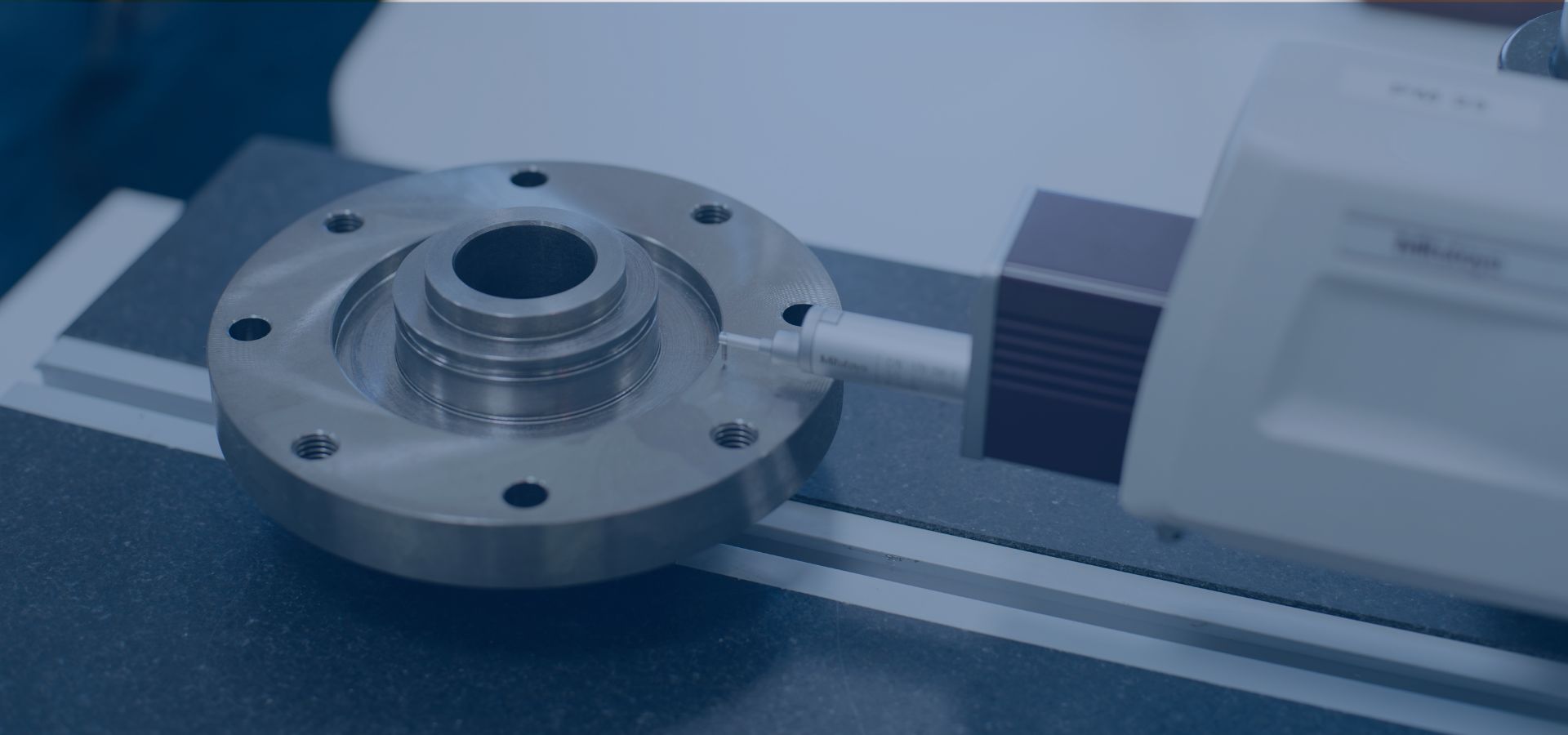
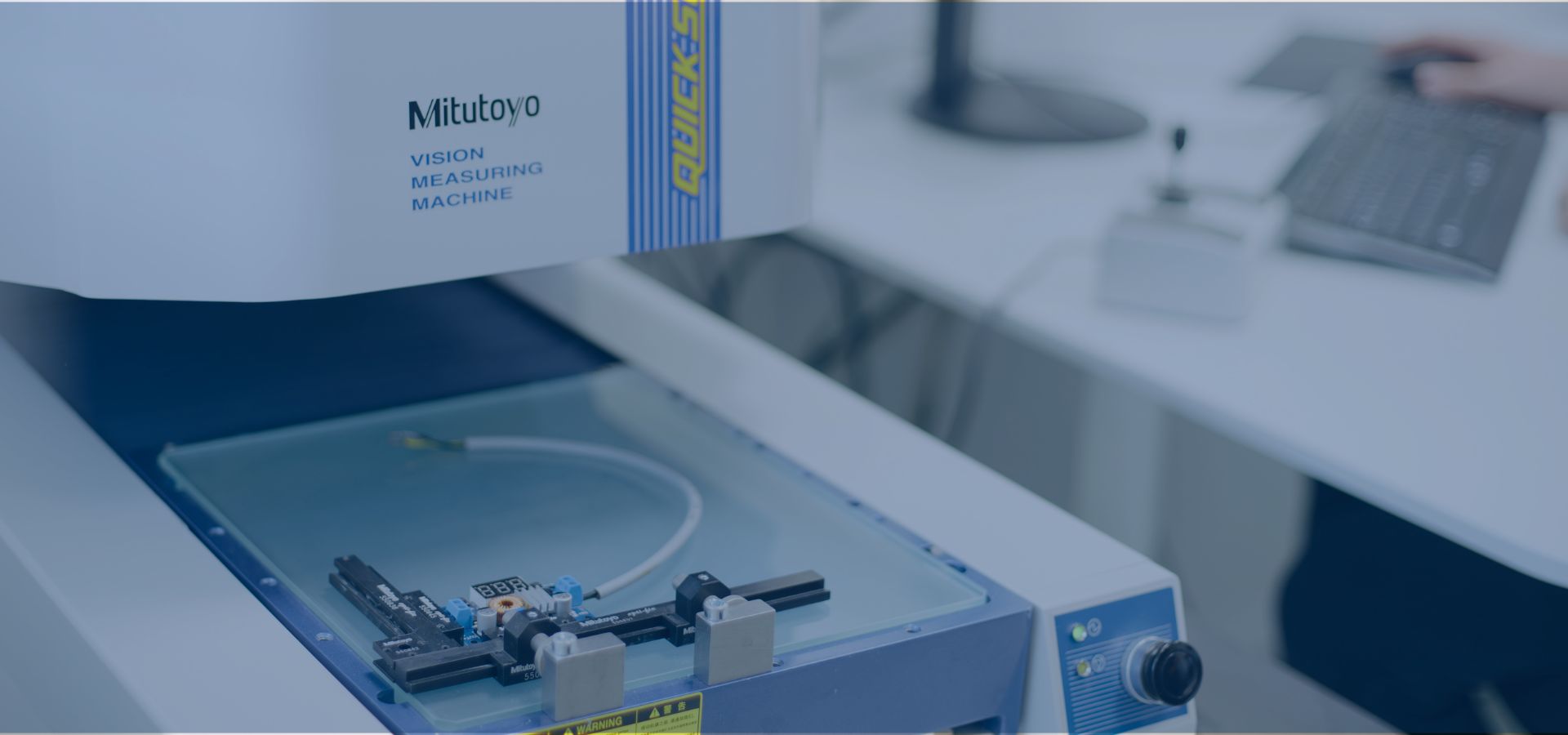
To ensure that an inclination is actually within the desired tolerance, the various approaches of 3D measurement technology are suitable methods. Optical and tactile applications are particularly suitable for this purpose.
Optical 3D measurement technology
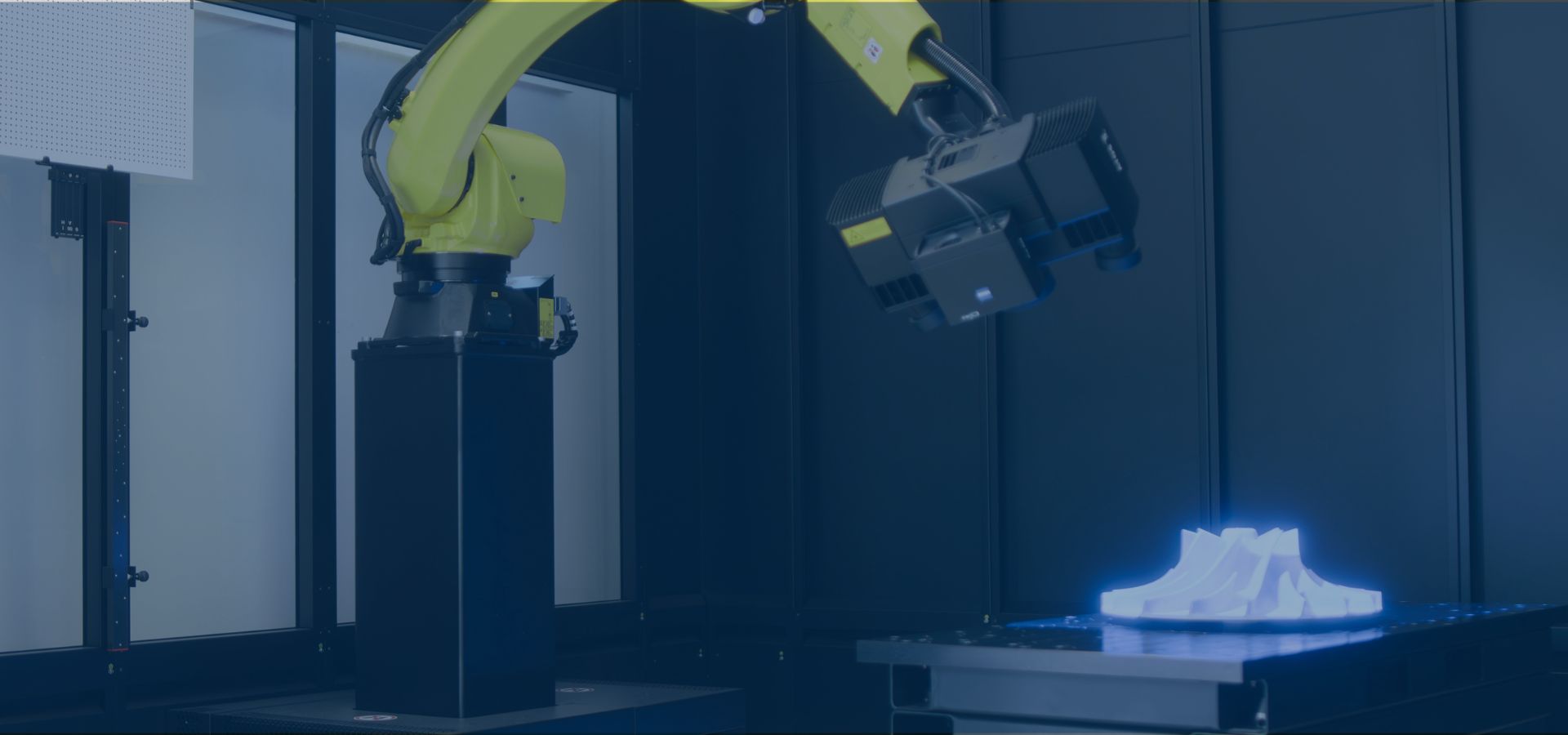
Laser and photographic methods have proven to be reliable and resilient.
Laser measurement technology is the pioneer in high-precision 3D measurement technology, although it has also been used for measurement since the very beginning of photography. Recently, photographic processes have also become established in 3D measurement technology.
An object is photographed from the outside and a 3D model is created from the digital photos. All desired actual dimensions can then be read off the model.
Tactile 3D measurement technology
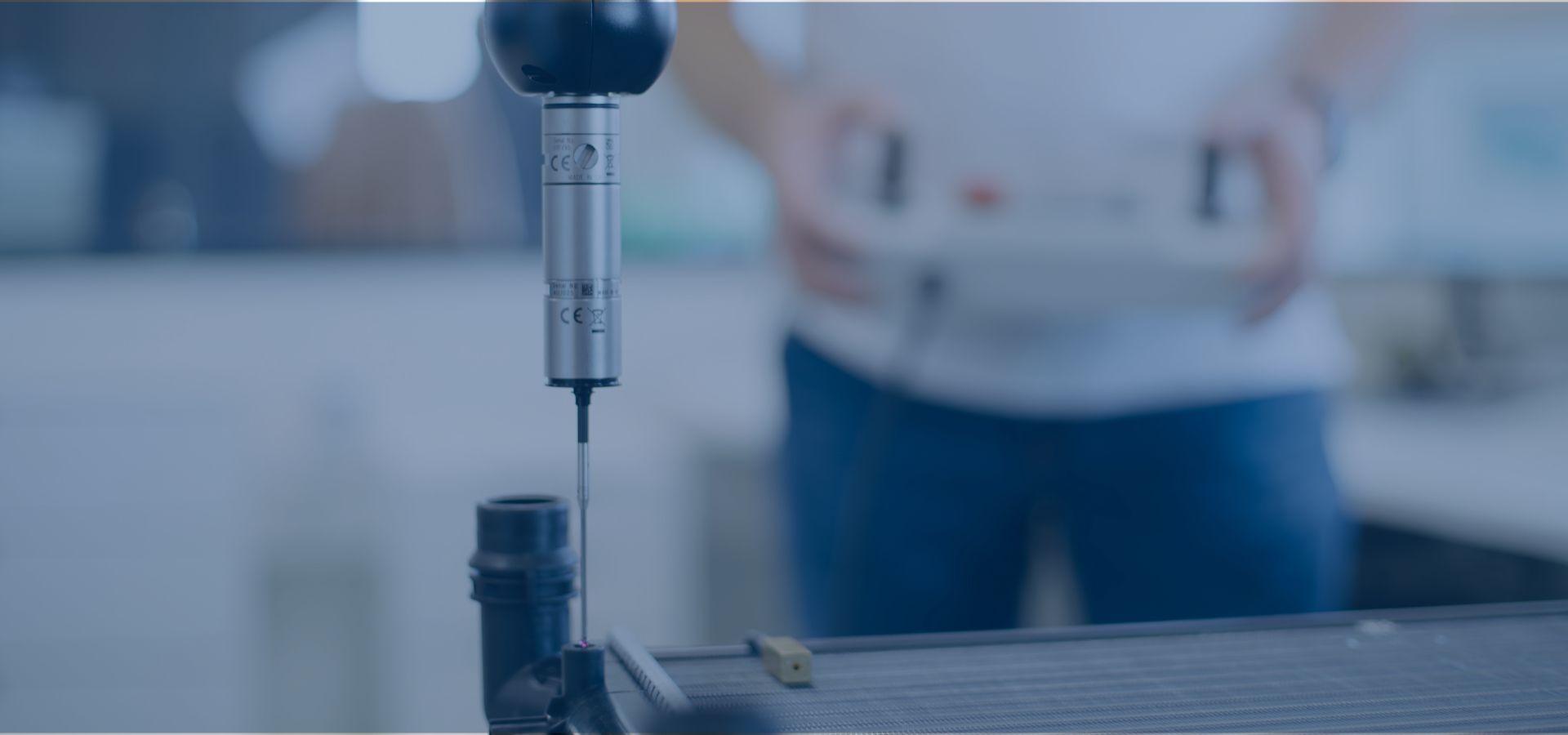
Tactile measurement technology is still used today, especially for large welding and assembly constructions. It is quite expensive, but is still indispensable in some cases.
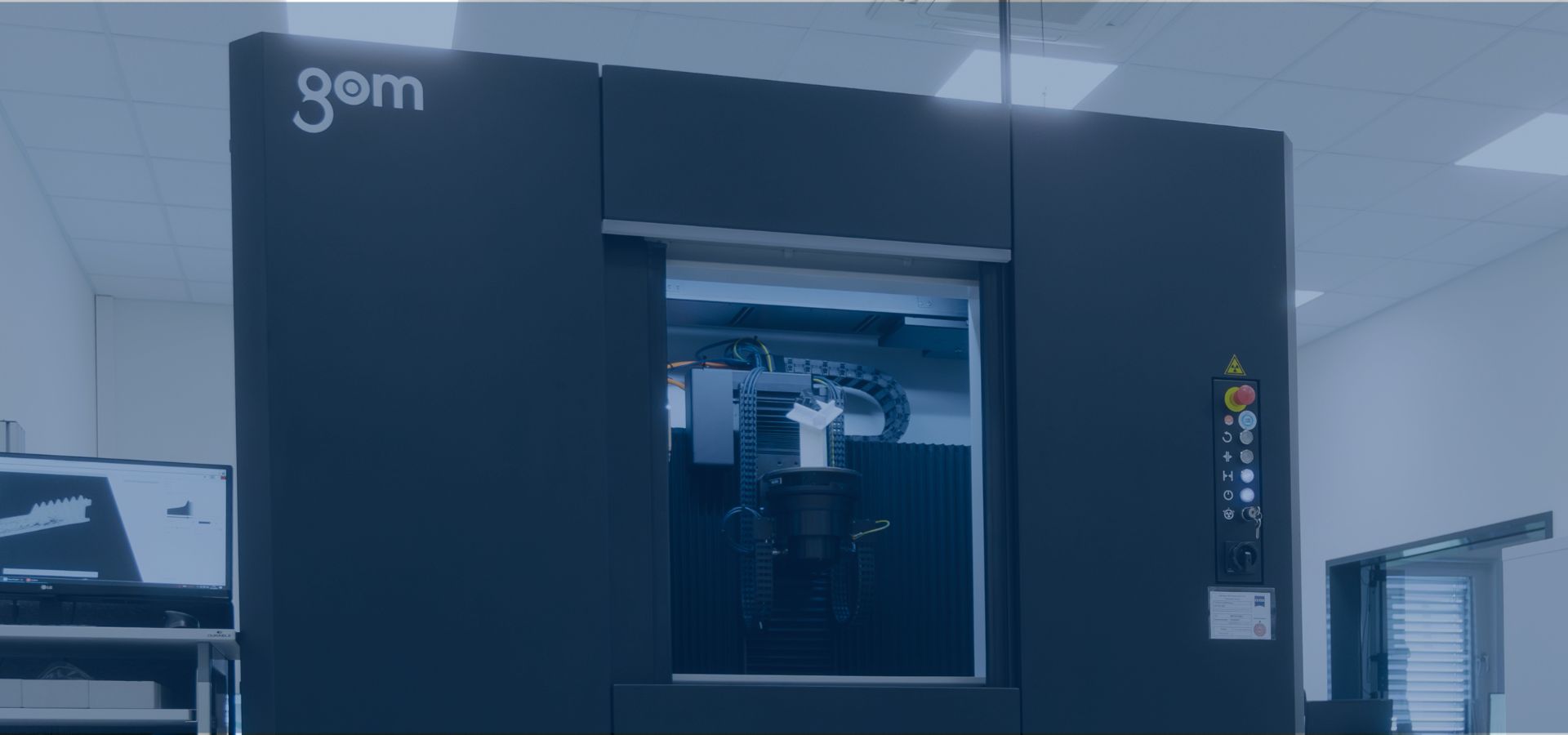
Measurement technology with industrial computed tomography
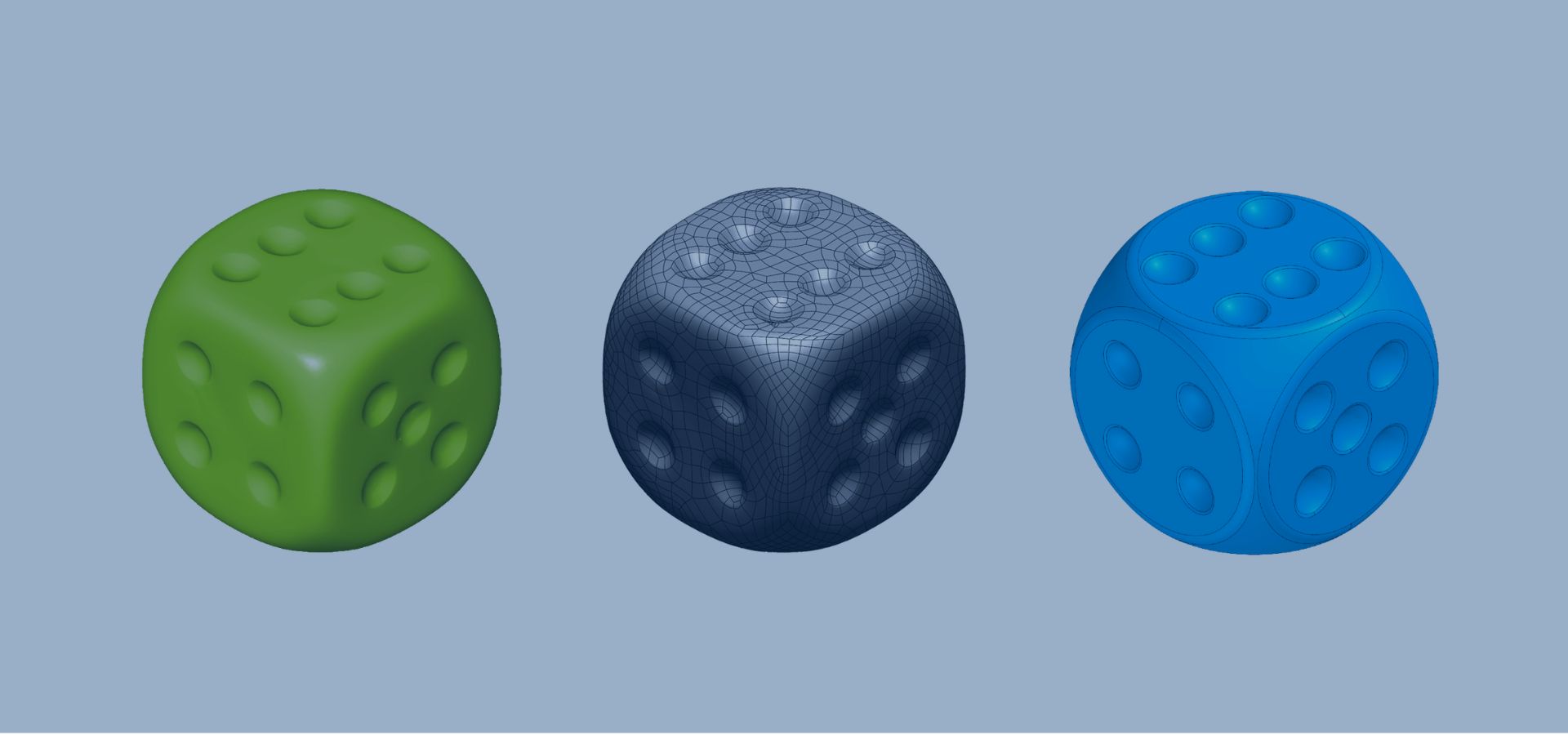
Innovative X-ray processes enable a complete internal view of components in industrial computed tomography. This means that internal structures can also be analyzed and optimized, while at the same time enabling reverse engineering or surface reconstruction.