

Defined competence through DIN ISO/IEC 17025
A testing laboratory is well advised not to issue official certificates on the quality of workpieces or materials until it has been certified in accordance with DIN ISO/IEC 17025.
This standard specifies the following parameters, among others, according to which a test laboratory must work:
- Necessary test equipment
- Intervals for self-calibration and official calibration /DAkkS calibration of the test devices
- Procedures for self-calibration
- Performance of the tests
- Competence of the operating personnel
- Conditions for the installation location of the test devices
- Obligation to document all sample results
The use of certified test devices with factory calibration on delivery is a basic prerequisite for the reliable determination of valid measurement results using various measurement methods, such as:
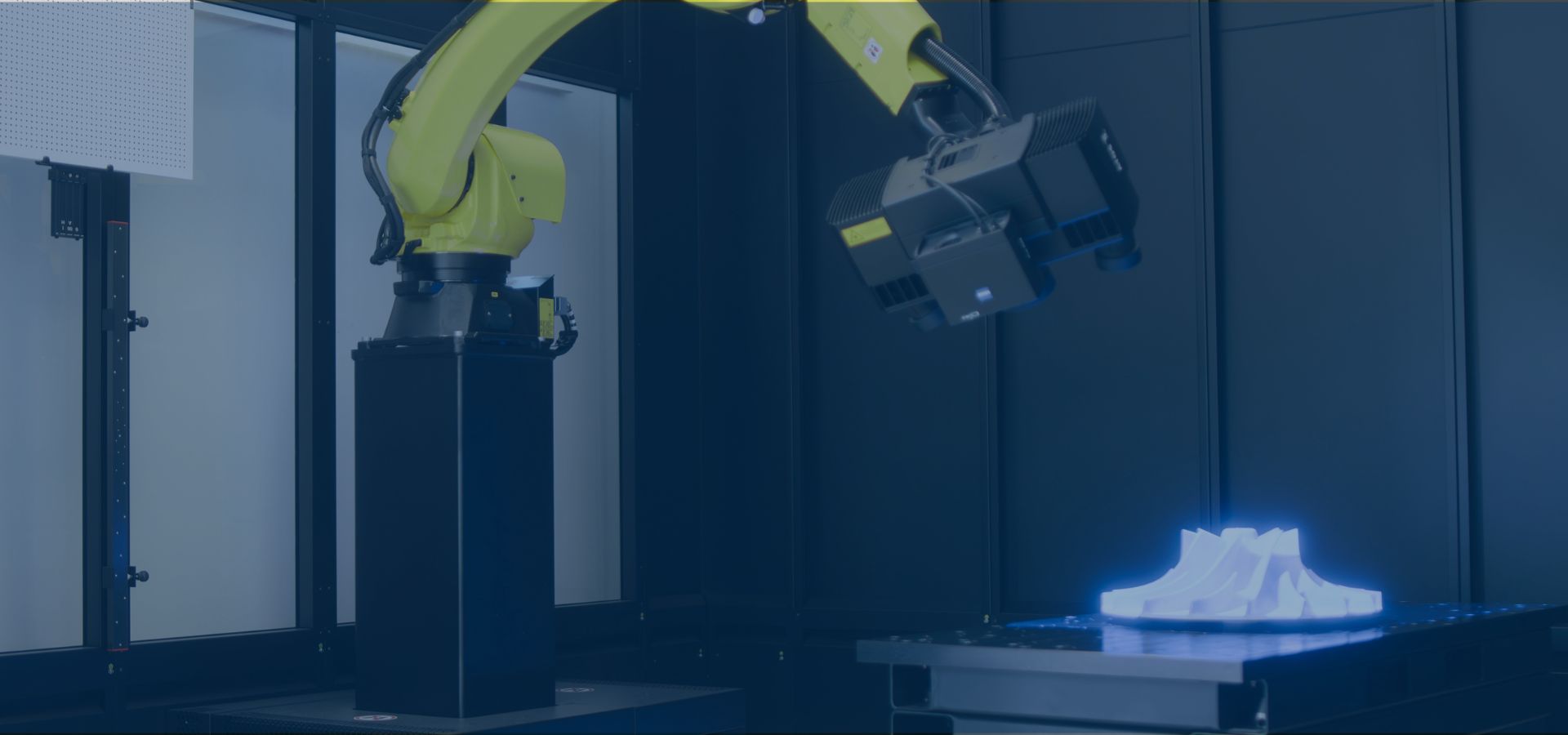
- 3D measurement technology
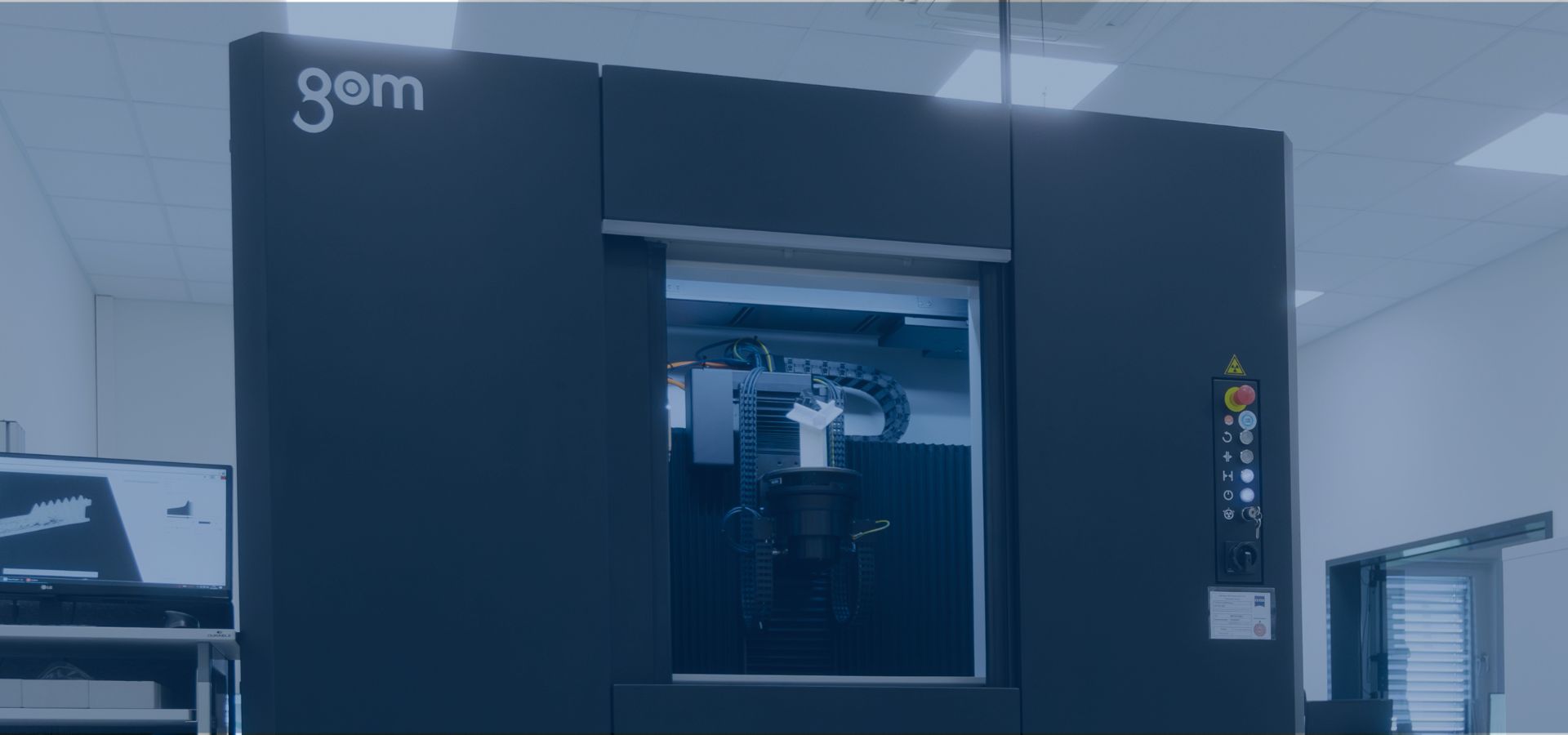
- Industrial CT measurement technology
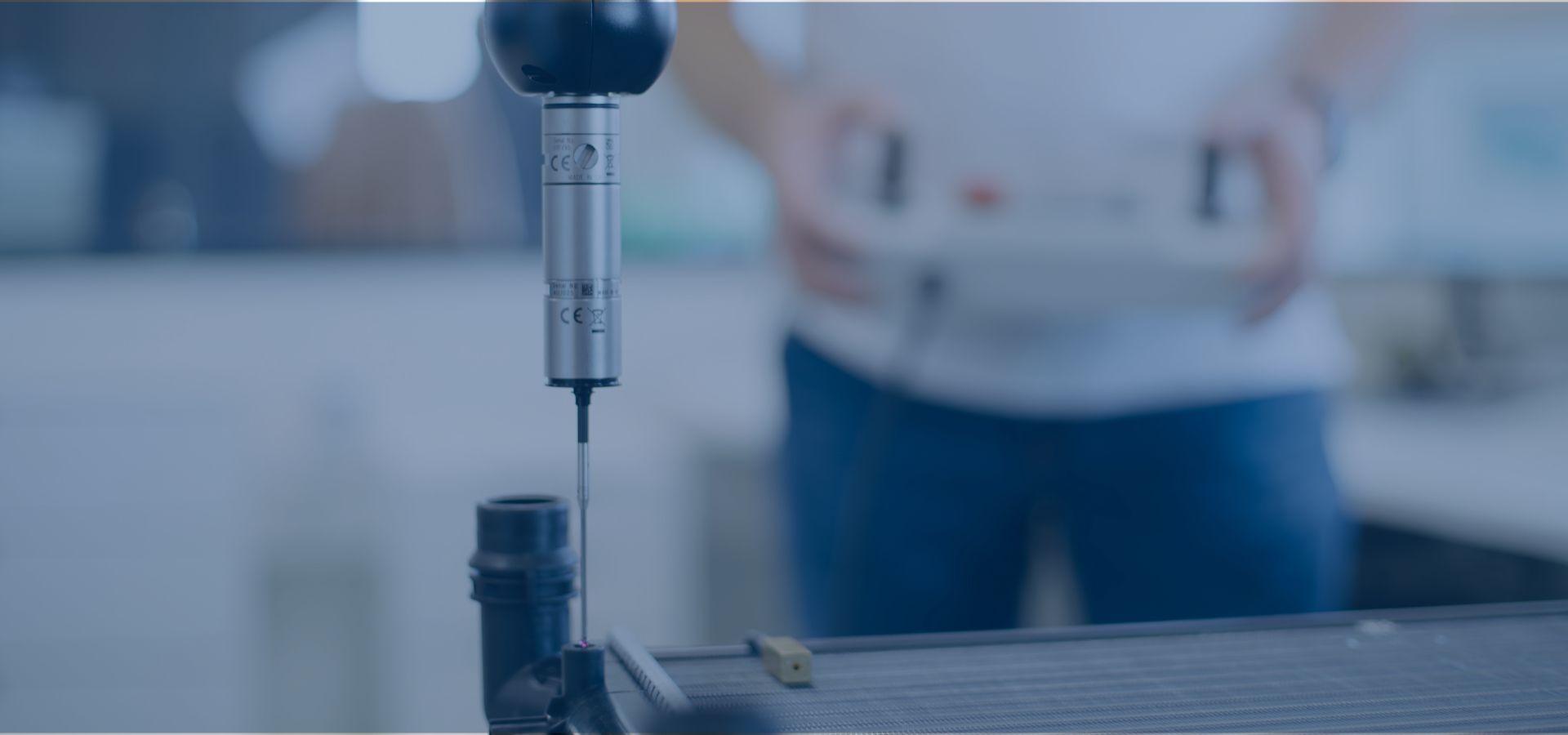
- Tactile measurements
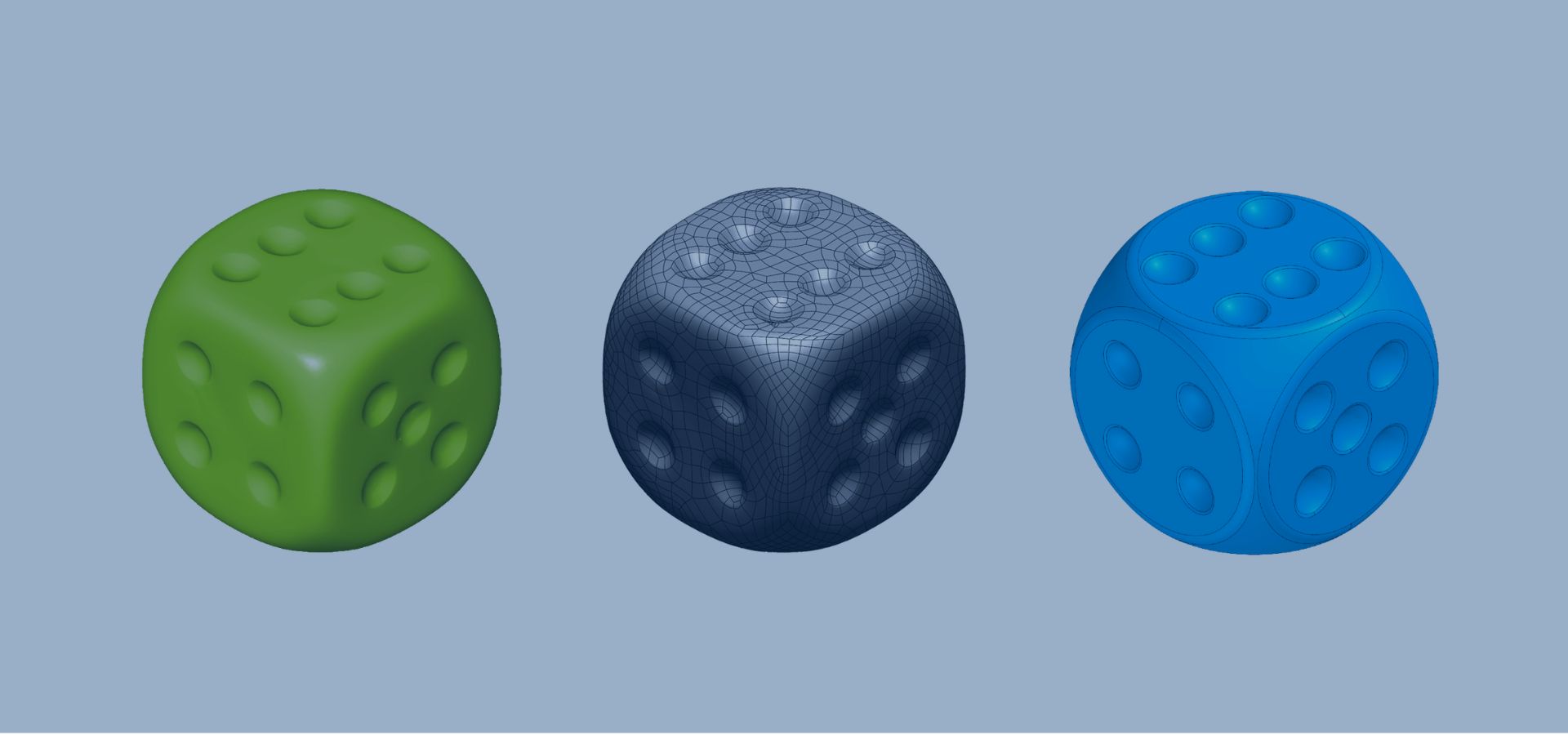
- Surface measurement
In order to keep these devices operational, they must be checked for measurement accuracy using test procedures.
Annual calibration intervals / DAkkS calibrations by an accredited test center are common.
In the meantime, the laboratory can also repeatedly calibrate its testing equipment itself and maintain the measurement quality. As a rule, only trained materials testers/measurement technicians are permitted to operate the test equipment.
They must operate the devices in accordance with standards in order to prevent incorrect measurements and damage to the measuring machines in our measuring device fleet. Depending on the test procedure, this may require not only basic training but also continuous further training for the test personnel.
The ambient conditions for test devices have a considerable influence on their measurement quality. Dust exposure, temperature fluctuations, vibrations or high humidity can affect the quality of the measurement results.
The standard therefore also provides clear instructions for the installation location of the test devices. The standard places a particular focus on the documentation of the test results.
Sustainable documentation, including incorrect measurements or deviating test results, contributes significantly to building trust in the materials laboratory.
Relevance of DIN ISO/IEC 17025
The standard is based on ISO 9001, the general standard for quality management. There are many parallels between the two standards, particularly in the area of documentation.
Like any standard, DIN ISO/IEC 17025 is only a recommendation for action and not a legal obligation. However, certification in accordance with this standard creates a good basis of trust for carrying out measurement series on behalf of customers.
The acceptance of a DIN ISO/IEC 17025 certified laboratory is significantly higher than that of a testing laboratory that does not have this qualification.
Accreditation according to DIN ISO/IEC 17025
If a testing laboratory wishes to be accredited in accordance with DIN ISO/IEC 17025, an audit is first carried out with the accreditation body (DAkkS). This audit determines which conditions the testing laboratory must fulfill in order to receive accreditation.
This information can only be partially researched in advance using publicly accessible information sources. A large part of the requirements for accreditation only emerge during the on-site visit by the accreditation body.
In addition to testing the existing devices for suitability, the environmental conditions in particular are crucial for successful certification.
Depending on the test and measurement procedure, this may require extensive investments, such as reliable air conditioning or securing the test laboratory with airlocks.
Once the previously defined catalog of requirements has been fulfilled, accreditation in accordance with 17025 can be carried out quickly.