


Blowhole testing, porosity analysis and defect analysis
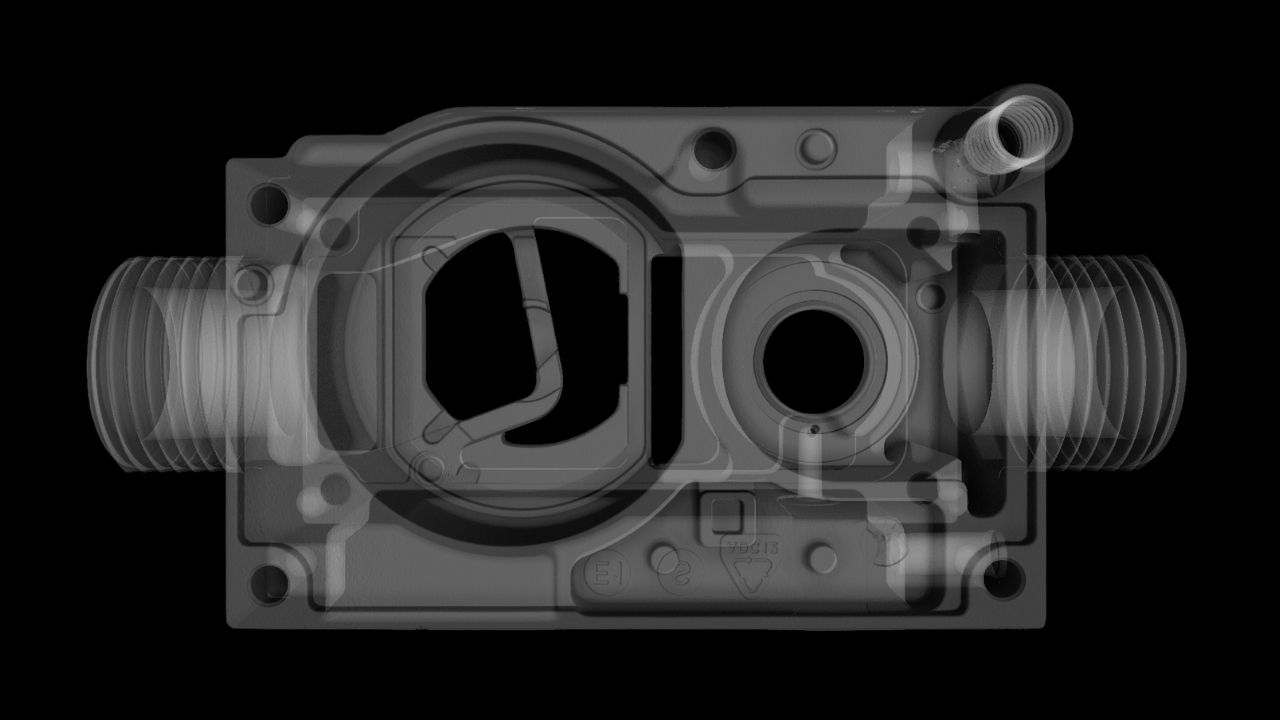
Visualizing blowholes, porosities & defects – with CT measurement
With our high-resolution CT measurement technology, we detect even the finest material defects such as blowholes, pores or cracks in cast parts and assemblies. Fast, precise and legally compliant.
Contact us without obligation and receive a solution proposal including an offer in max. 24 hours
Blowhole testing, porosity analysis & defect analysis
Visualizing blowholes, porosities & defects – with CT measurement
With our high-resolution CT measurement technology, we detect even the finest material defects such as blowholes, pores or cracks in cast parts and assemblies. Fast, precise and legally compliant.
Contact us without obligation and receive a solution proposal including an offer in max. 24 hours
Blowhole tests and porosity analyses allow a look inside the component!
What is a blowhole test?
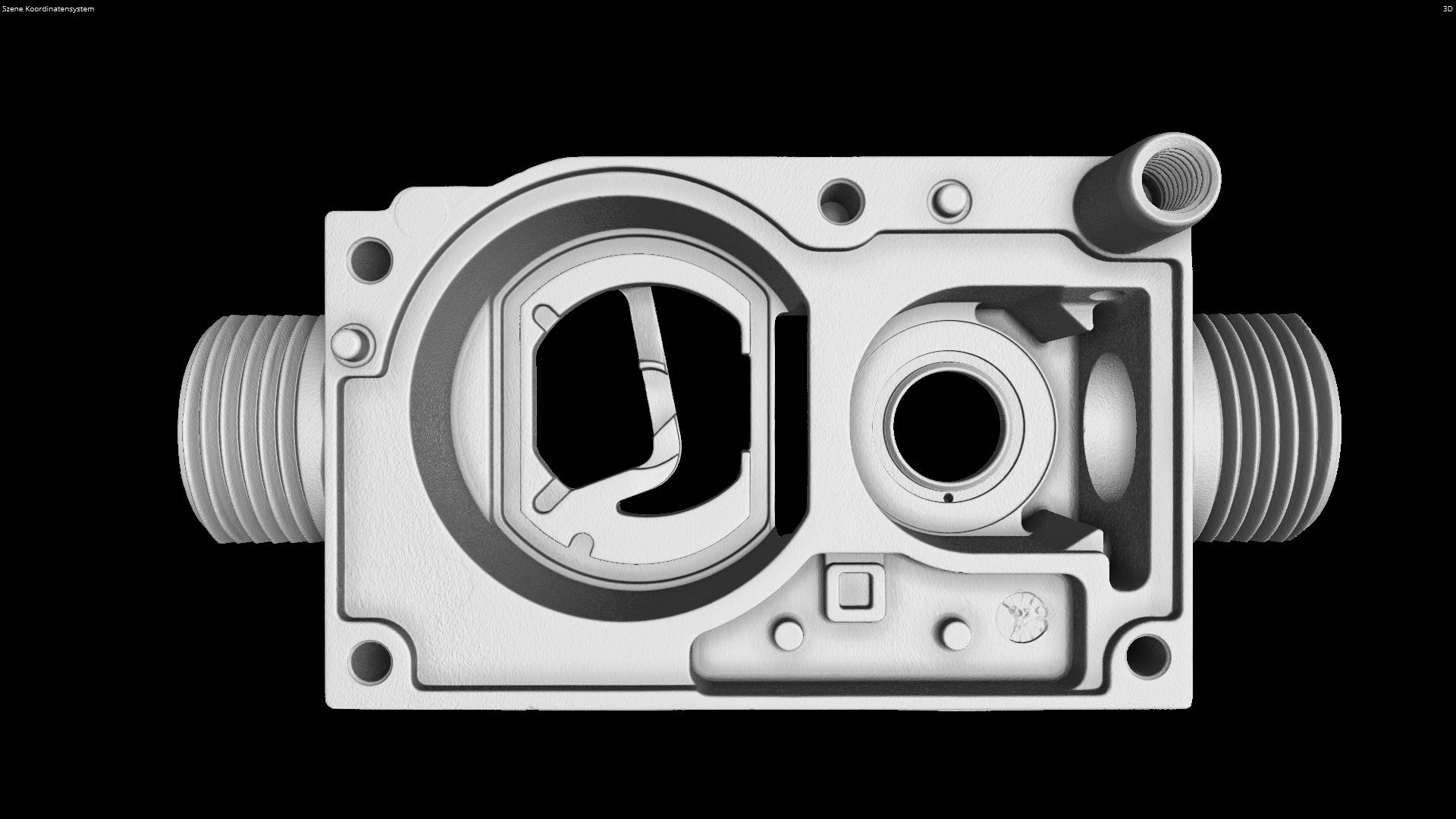
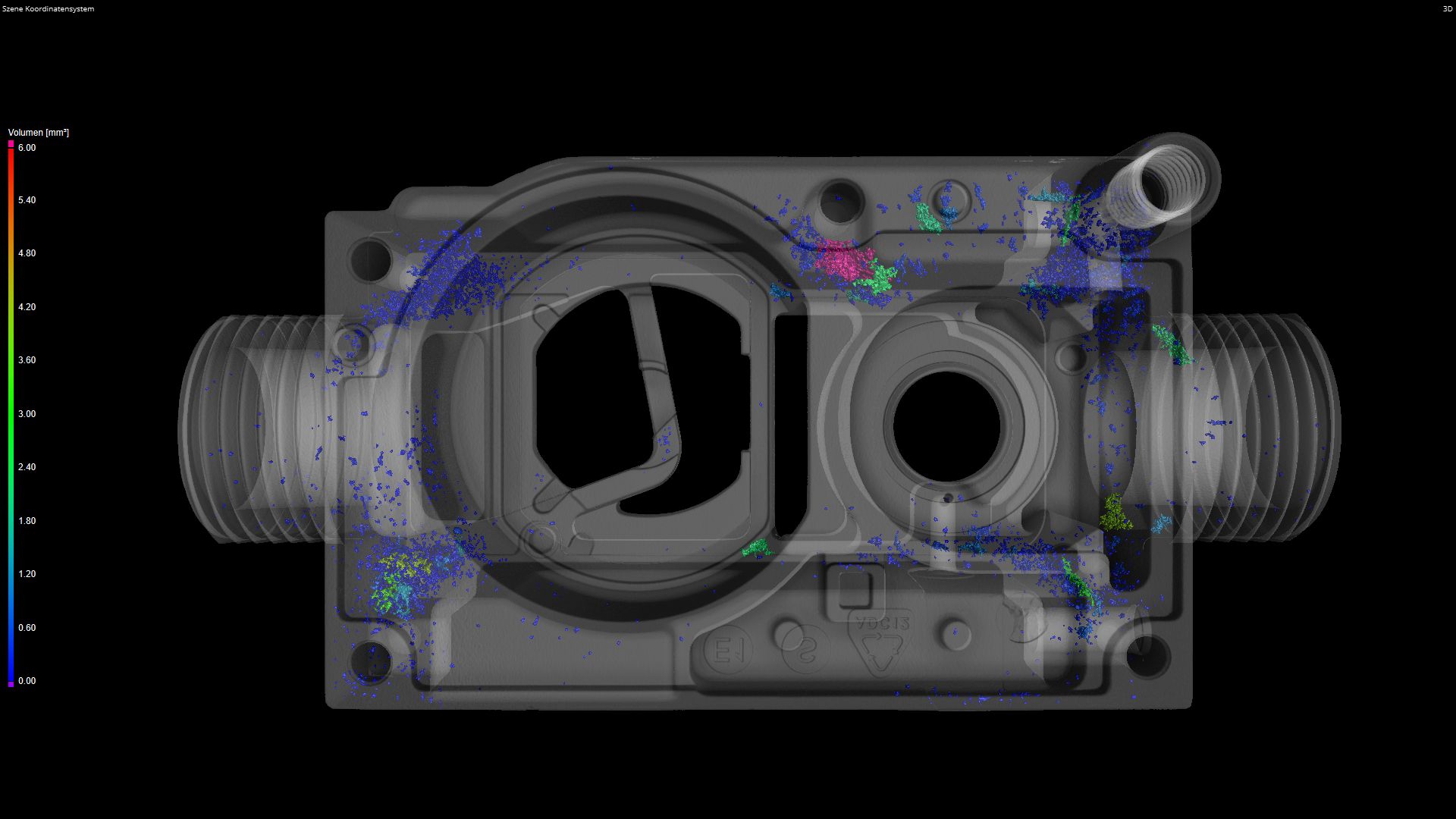
A blowhole test (also known as a blowhole analysis) is a non-destructive testing method that uses industrial computed tomography (CT) internal cavities, blowholes and material defects in components are made visible and analyzed in three dimensions.
It is primarily used in casting, plastics and series production to reliably evaluate component quality, load capacity and process reliability.
What is a porosity analysis?
A porosity analysis is used for the non-destructive examination of finely distributed pores within a component using industrial computed tomography (CT).
Porosity tests provide quantitative information on the number of pores, pore size, volume fraction and distribution throughout the component. The porosity analysis is crucial for the evaluation of strength, tightness and service life, especially for safety-relevant components.
What is a defect analysis?
- A defect analysis identifies and evaluates internal material and structural defects such as blowholes, cracks, inclusions or bonding defects non-destructively in the 3D volume.
- It enables early fault detection and supports the root cause analysis of production or process deviations.
- Defect analysis is used to reduce rejects, meet quality requirements and optimize production processes in a targeted manner.
Typical inspection tasks and
CT measurement services from 3DIMETIK
3DIMETIK is your contact throughout Germany for cavity tests, porosity analyses and defect analyses as well as for all other areas of application in industrial computed tomography.
Typical test methods include:
-
Non-destructive CT inspection of products, componentsindividual parts & series of all kinds
-
Blowhole & pore classification by size, volume & location
- Defect analyses
- Shoring and installation space control
- Measuring wall thickness and wall thickness (wall analysis)
-
Hotspot analyses in function-critical areas
-
Detection of:
-
Cracks & inclusions
-
Assembly & joining errors (joining check)
-
Leaks & cause of damage
-
All services include the visualized provision of test reports and raw data. 3DIMETIK evaluates porosity, blowholes and defects on the basis of the P202 and P203 standards.
When you contact us, you will always speak directly to your contact person for industrial computed tomography. No call center waiting loops, just competent measurement technicians.















References
Advantages of void, pore and defect analysis using
industrial computed tomography
- Non-destructive analysis without damaging the component
- Complete 3D view of the inside of the component
- Detection of the smallest blowholes and pores
- Standard-compliant assessment according to P202 and P203
- Reduction of rejects and serial errors
- Results directly usable for quality assurance
Years of 3D measurement technology
Experience
Successfully completed
projects
24 hours max. until you receive an offer
3DIMETIK – Your service provider for measurement technology
As an accredited testing laboratory according to DIN EN ISO/IEC 17025 3DIMETIK is your contact for metrology services of all kinds. We support you in the non-destructive analysis of blowholes, porescracks and defects.
More about industrial computed tomography with 3DIMETIK via the linked page.
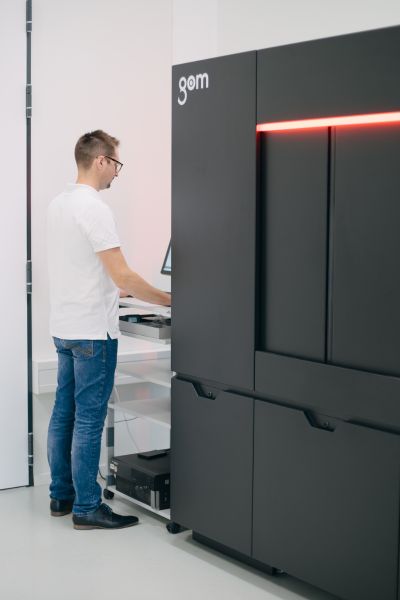
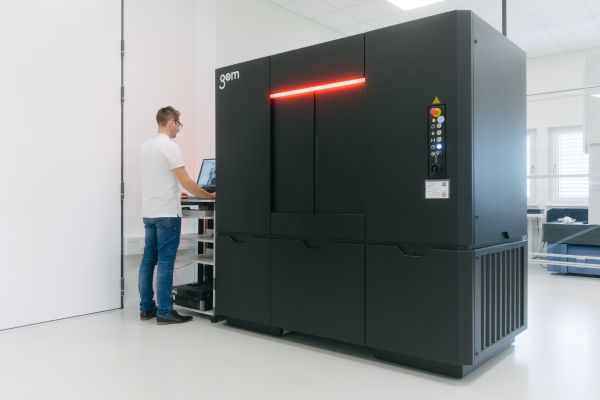
Blowhole inspection and pore analysis with the ZEISS METROTOM 6 scout
Our ZEISS METROTOM 6 scout (GOM CT) enables non-destructive testing and captures both internal and external structures of your components with maximum precision. Perfect for material analysis, defect detection and dimensional inspections.
All measurements with this computer tomography allow an exact view of the inside of components without having to dismantle them. Optimal conditions for the quality assurance of your products.
Frequently asked questions about blowhole testing and porosity analysis
Which components are suitable for porosity analysis?
Porosity analyses are generally suitable for metal, plastic and composite components. Cast and injection-molded parts, where internal pores can influence the tightness, strength or service life, are examined particularly frequently. Even complex assemblies can be reliably tested.
What standards are used for defect analysis?
Defect analysis is usually carried out in accordance with established guidelines such as VDG data sheet P202 or P203 as well as customer-specific requirements. In addition, drawing requirements and OEM specifications can be taken into account to ensure a standard-compliant and traceable assessment.
How does a CT-based blowhole test work?
The inspection process for a CT-based blowhole inspection includes component acceptance, CT scan, volumetric reconstruction and evaluation of the defects. This is followed by documentation in the form of an inspection report, optionally supplemented by viewer data or raw data for further analysis.
What results do I get from a CT measurement service?
Once a CT measurement service has been completed, clients receive a structured inspection report with clear statements on the location, size and assessment of the defects. In addition, visualizations, CT viewers or complete project data can be provided for further internal use.
How do the number of scans and the number of items affect the costs?
The costs of a CT-based cavity and pore analysis usually depend on the component size, scanning effort and evaluation depth. More economical conditions can be agreed for several scans or series inspections, as set-up times, scan parameters and evaluation processes can be efficiently bundled.
Please contact us for an individual offer.
Contact us now without obligation