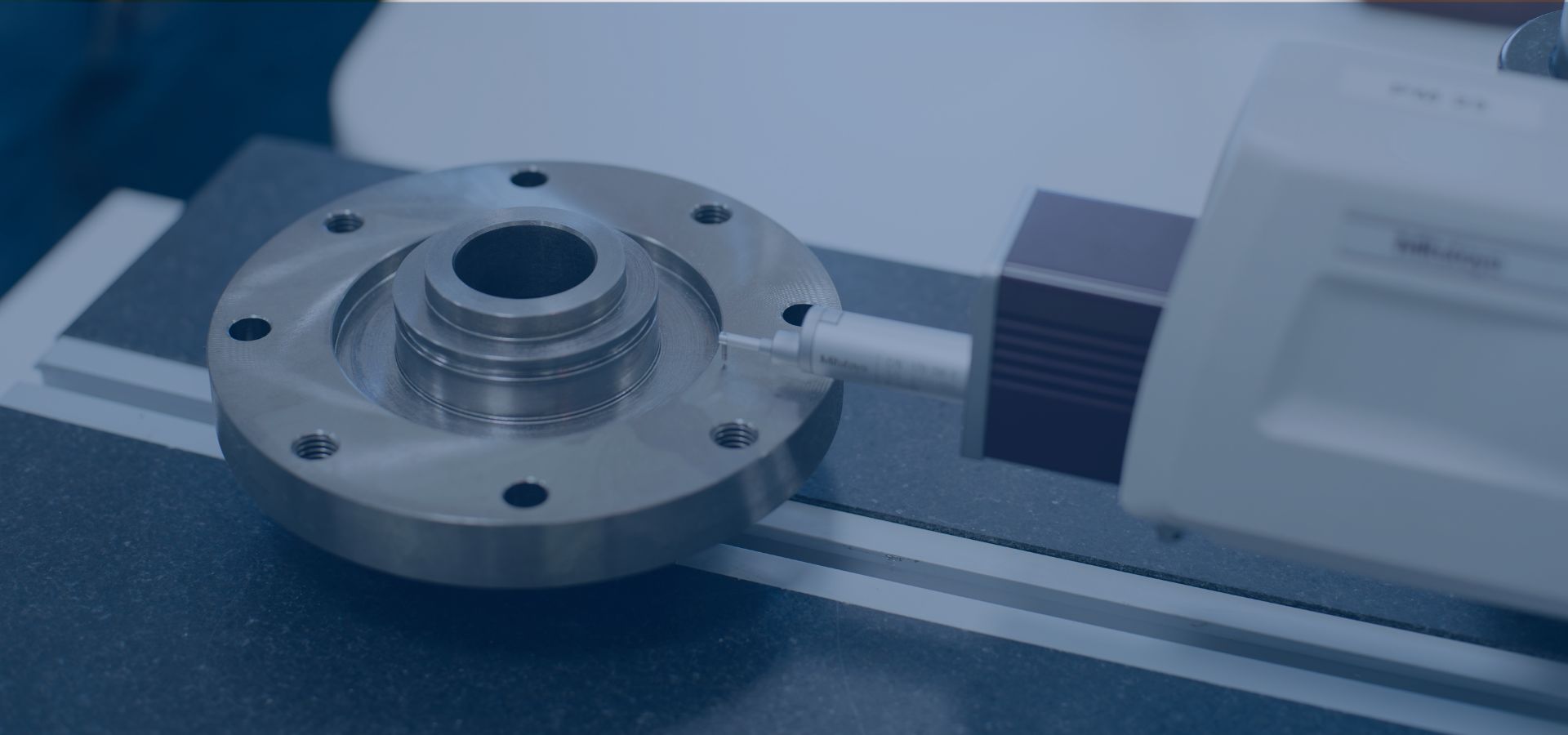



The DIN for shape and position tolerances
DIN EN ISO 1101 is the authoritative standard for form and position tolerances. It specifies how these permissible deviations from the basic dimension are to be entered in the drawing.
The aim of DIN EN ISO 1101 is to provide designers with precise information on the testing of manufactured parts.
This standard uses clear symbols to describe the type and dimensions of the tolerances.
Reasons for deviations in tolerance
Deviating tolerances usually result in wear on the machining tools.
These are always subject to wear, even if the workpiece and tool differ greatly in terms of hardness and toughness.
Relevance of shape and position tolerances
In addition to the pure dimensional tolerance, the tolerances in shape and position are the most important specifications for the production quality of a component, particularly with regard to 3D measurement technology.
Strict compliance with the specified tolerances, which can be checked using various measuring methods, is particularly important for components of a more complex, separable system:
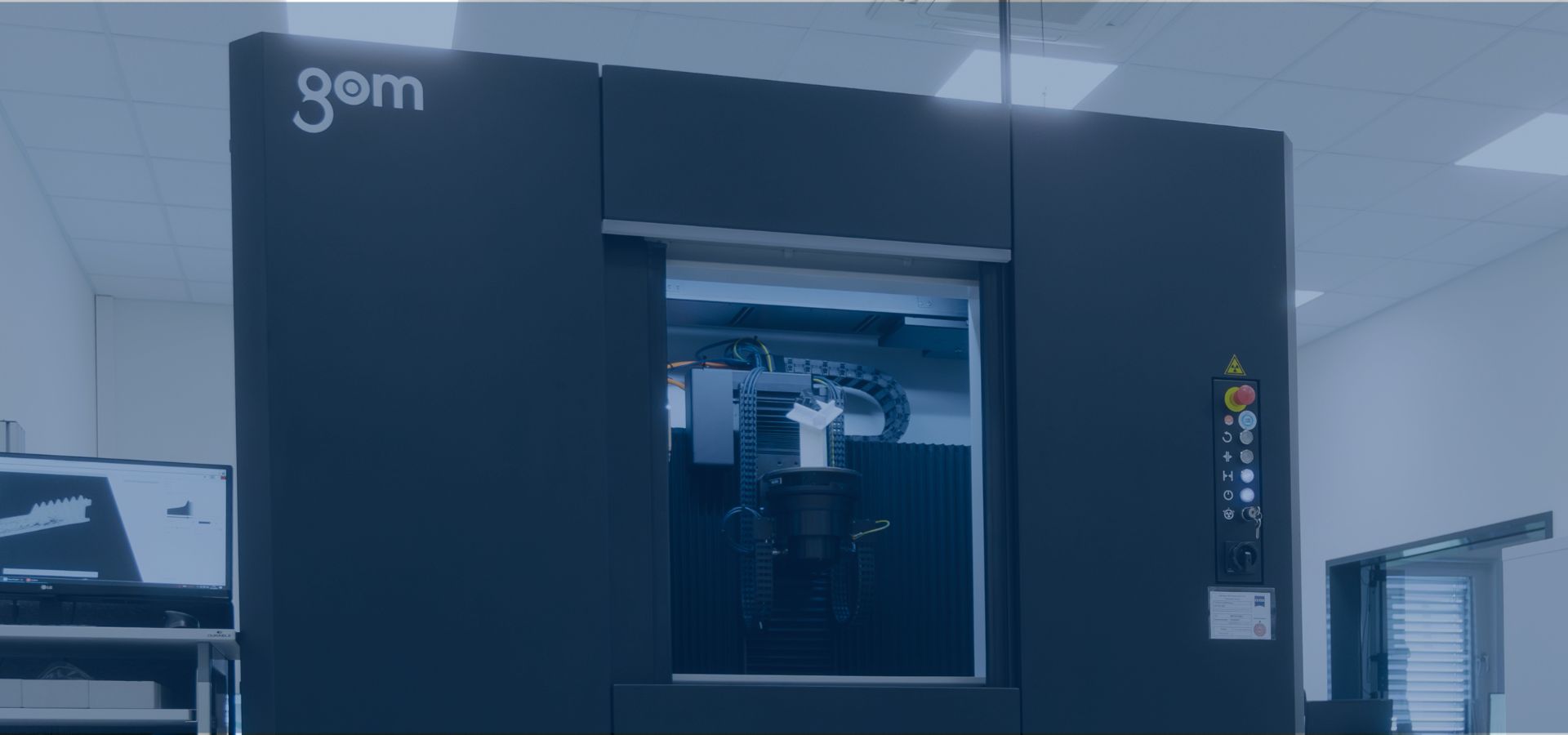
- Industrial computed tomography
- Tactile measurement technology
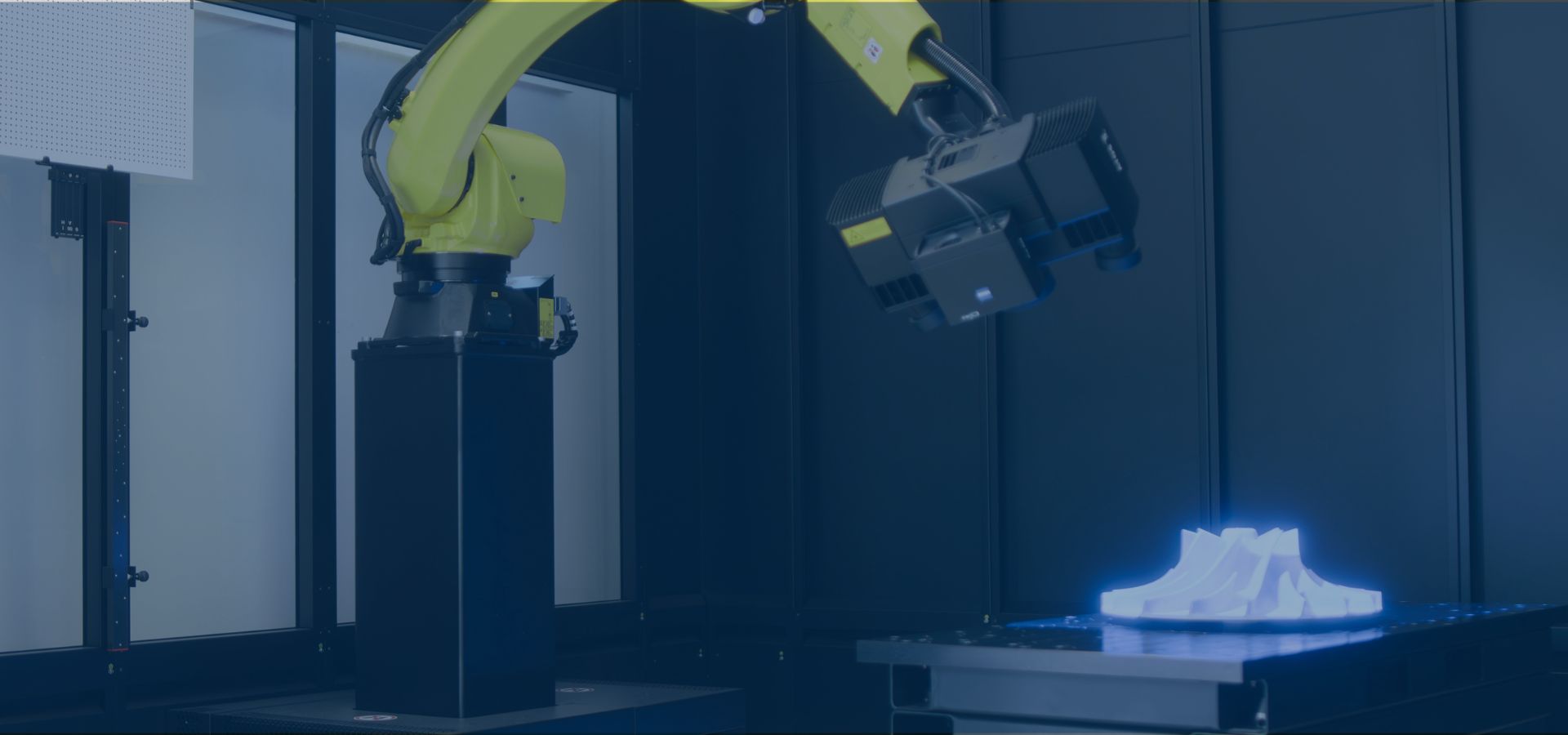
- Optical 3D measurements
- Optical 2D measurements
- Surface measurement
Deviations from the tolerance always reduce the functionality, service life and manageability of the finished product. The damage caused by exceeding the tolerances can also affect other components.
Symbols for tolerances in shape and position
An indication of the tolerance in shape and position describes how the individual dimensions of a component relate to each other.
The difference to dimensional tolerance is that it only refers to itself.
The shape tolerances according to DIN EN ISO 1101 are as follows
The straightness
Two parallel straight lines at a distance of t delimit the tolerance zone, creating an imaginary cylinder. The actual line must be located within this cylinder.
The roundness
Two concentric circles at a distance T delimit the tolerance zone. The resulting imaginary circular ring indicates the area in which the circumferential line of the workpiece must be located.
The flatness
Two parallel planes at a distance T create an imaginary effective range. Everything within these two planes is considered sufficiently tolerable according to DIN EN ISO 1101.
The cylindricity
Two coaxial cylinders together form an imaginary sleeve with the wall thickness T. The outer wall of the real, cylindrical workpiece must lie within the inner and outer wall of this imaginary sleeve at every point.
The position tolerances according to DIN EN ISO 1101 are as follows
The parallelism
The toleranced axis must lie in an imaginary cylinder with a thickness of T. This shell is parallel to the reference axis A.
The inclination
Two parallel planes with the distance T and the angle Y° form the tolerance zone around an inclined surface. The actual surface or edge produced must lie within this tolerance zone.
An imaginary cylinder with the diameter T standing vertically on the reference surface forms the tolerance range for perpendicularity. The real dimension must be within this cylinder.
The coaxiality
Coaxiality occurs when two symmetrical rotational bodies lie on the same axis. The tolerance range is formed by an imaginary cylinder with the diameter T, which also lies on the reference axis.
The existing actual axis of the manufactured element must be within the tolerance zone of the imaginary cylinder.
The main elements of the form and position tolerances described here are further specified in DIN EN ISO 1101. Further tolerance ranges are “profile”,“concentricity” and “location”. The measuring procedures for checking the tolerances are essentially very similar to the procedures described.