

Difference to the target: the dimensions
It is not technically possible to manufacture a component exactly to the desired dimensions. Dimensional accuracy can only ever be achieved within a certain tolerance. The tolerance should therefore be specified in every technical drawing.
However, what was theoretically put down on paper needs to be checked on the finished workpiece. The difference between the target dimension (= nominal dimension) and the actually measured dimension (= actual dimension) is called the deviation. A distinction is made between three different dimensions.
Types of dimensions
Technical mechanics distinguishes between the following three dimensions:
- Dimension or actual dimension
- upper dimension
- lower dimension
The simple dimension or actual dimension is the measured difference between the measured dimension on the workpiece and the required dimension on the drawing. The actual dimension should always be within the tolerance, but at least not fall below it. In this case, the required dimension can still be produced by reworking. If the dimension is too small, the component becomes a reject or can only be saved by considerable additional work.
The upper dimension is the highest tolerance. It is the maximum deviation from the nominal dimension.
The lower dimension is the reverse case. The lower dimension minus the nominal dimension is the minimum dimension. The component must not be shorter, narrower or thinner at this point.
Presentation of the dimensions
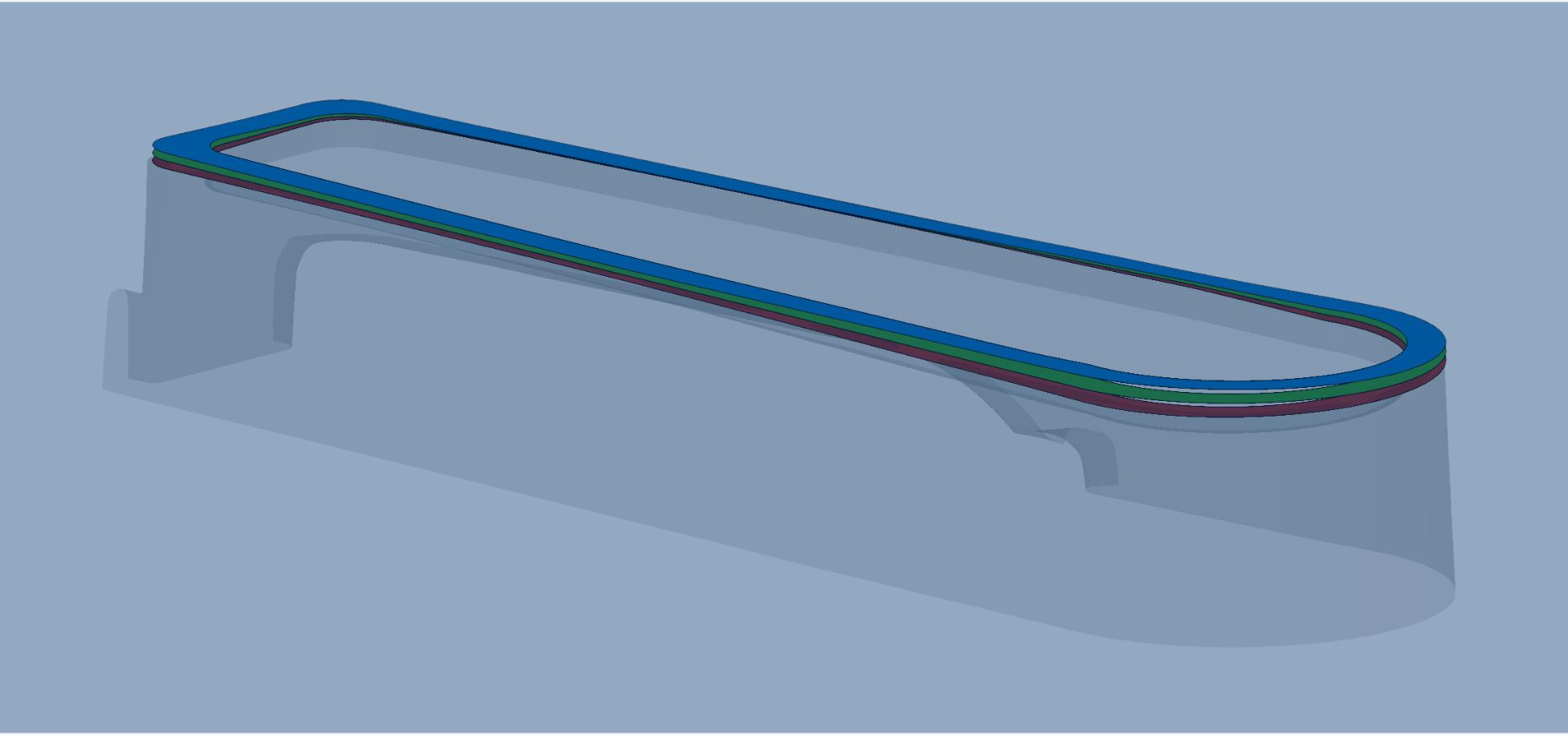
The dimensions of the tolerance can be easily imagined as an enveloping line. The ideal is the desired nominal dimensions that the workpiece should comply with. The upper dimensions lie as a line above the nominal dimensions, the minimum dimension on each measurable side lies below. All workpieces that are produced within these enveloping lines can be used. Components that are above or below the required dimensions at any point either require reworking or are rejects.
Calculation of the dimension
A dimension can be calculated very easily. It is the difference between the actual dimension and the target dimension or between the actual dimension and the tolerance.
Example:
A turned shaft has a diameter of 100 mm. The required diameter was 99.8 mm. The oversize here is 0.2 mm or 2/10 mm, as it is called in machining technology.
What to do if the dimensions are incorrect?
Oversizes can be corrected relatively easily. As not enough material has been removed in this case, this must be done later. If the turning or milling tools are too coarse for this purpose, grinding can be the solution. Grinding, polishing and lapping are tool-free machining processes with which the tightest tolerances can be achieved.
It becomes more difficult if the nominal dimensions are less than the minimum dimension. If possible, material can be welded on again in this case and the machining step repeated. This is carried out on precisely manufactured long tubes, for example. Scrapping an entire pipe because of a small dimensional error would be wasteful. Therefore, in most cases it is possible to correct an undercut dimension by welding and repeated grinding.
This is not possible with non-weldable materials. In rare cases, you can try to restore the missing dimension by gluing. In most cases, however, the only option is to scrap or dispose of the faulty component.
Critical dimensions
Compliance with tolerances is particularly important for kinetic components within a mechanical system. Exceeding the tolerances already leads to difficulties during assembly. The parts jam and make the mechanical functions more difficult. In addition, components that are too tight increase wear and cause undesirable chip formation. Although falling below the minimum dimension makes assembly easier, it leads to increased noise. In this case, the components no longer sit in the desired sliding fit to each other, but have play. This means that they hit against each other with every movement instead of gently transferring the applied forces.
However, thermally stressed machines such as combustion engines are assembled undersized. When cold, they can be assembled without any problems. As soon as the machine has reached operating temperature, the previously too small dimensions close due to thermal expansion.
Check dimensions, increase quality
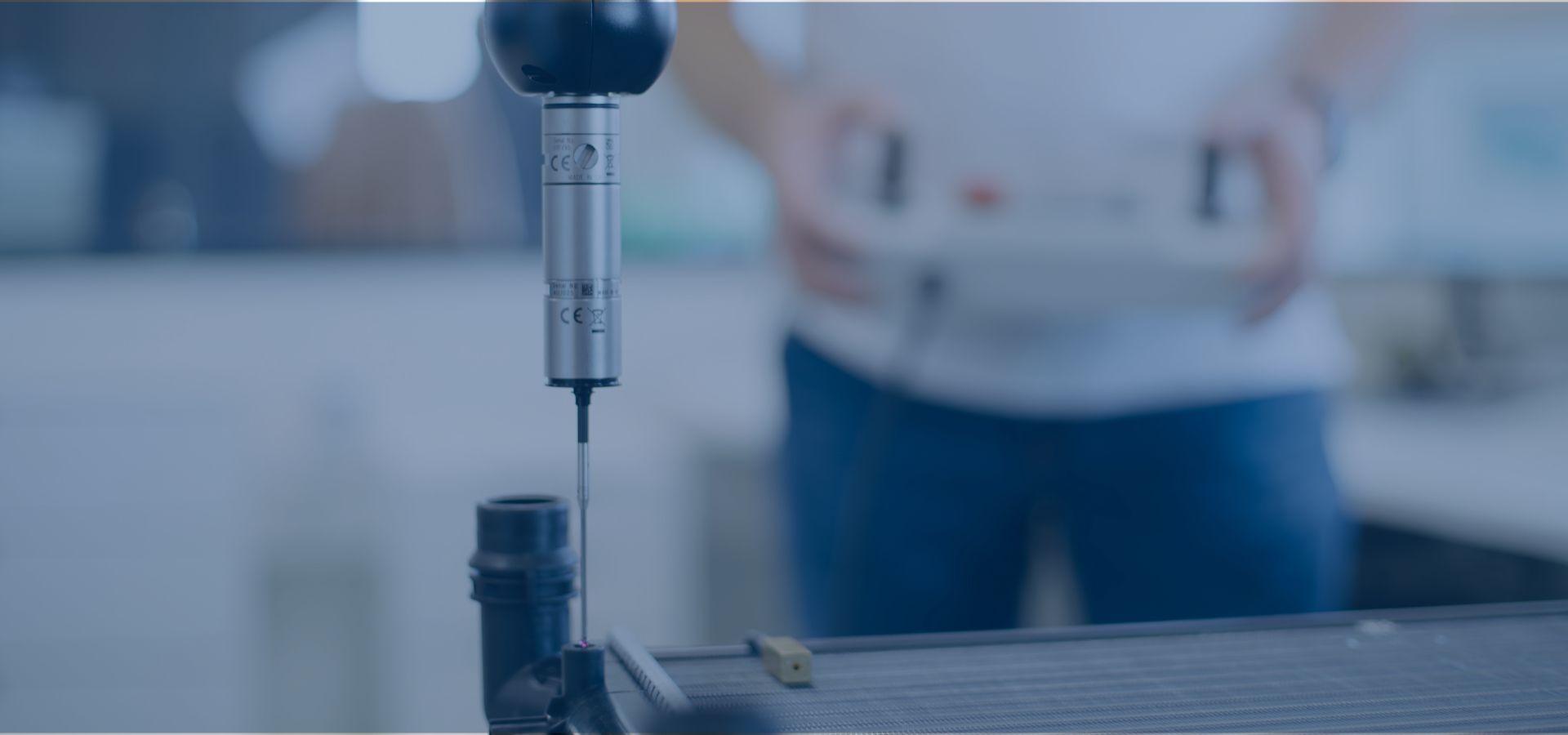
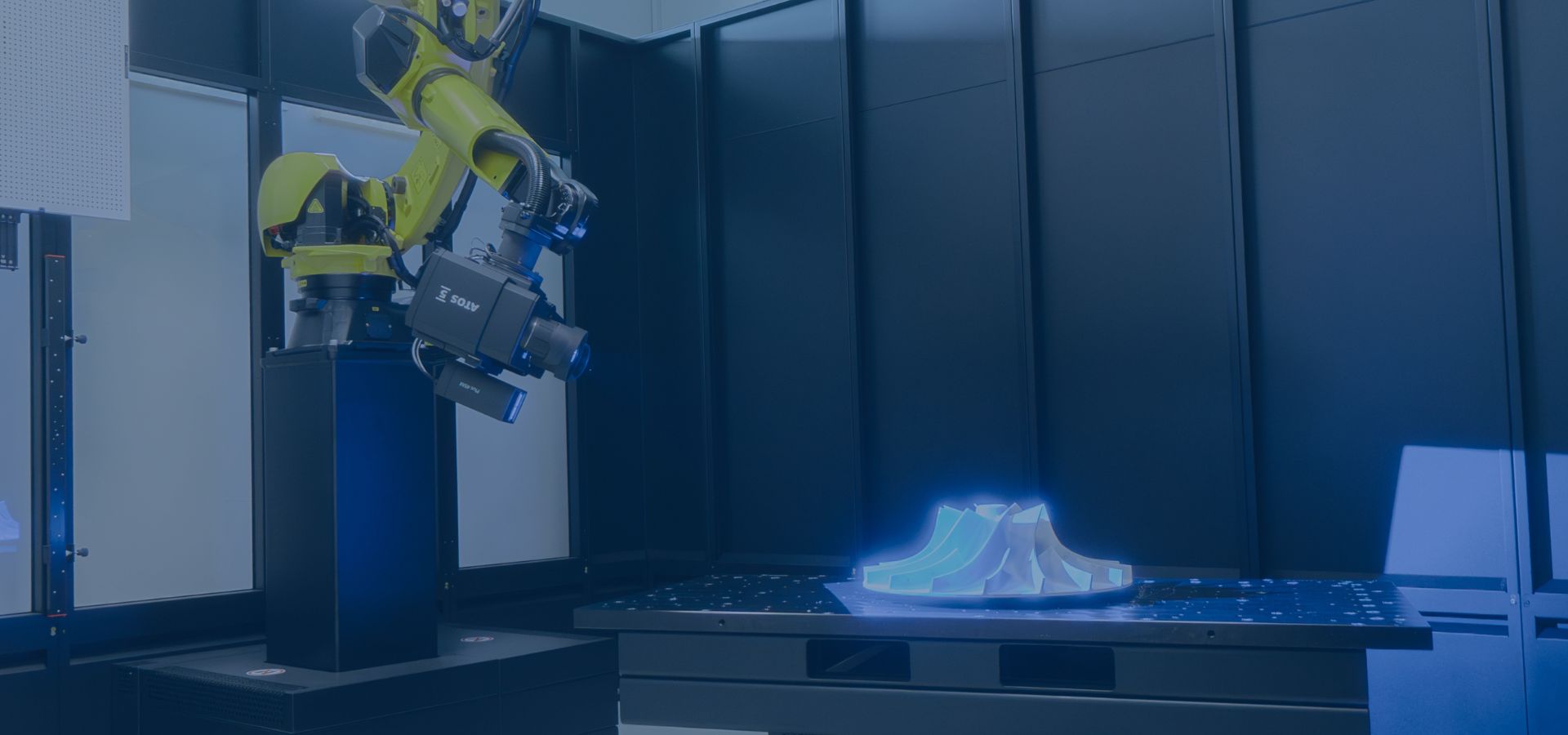
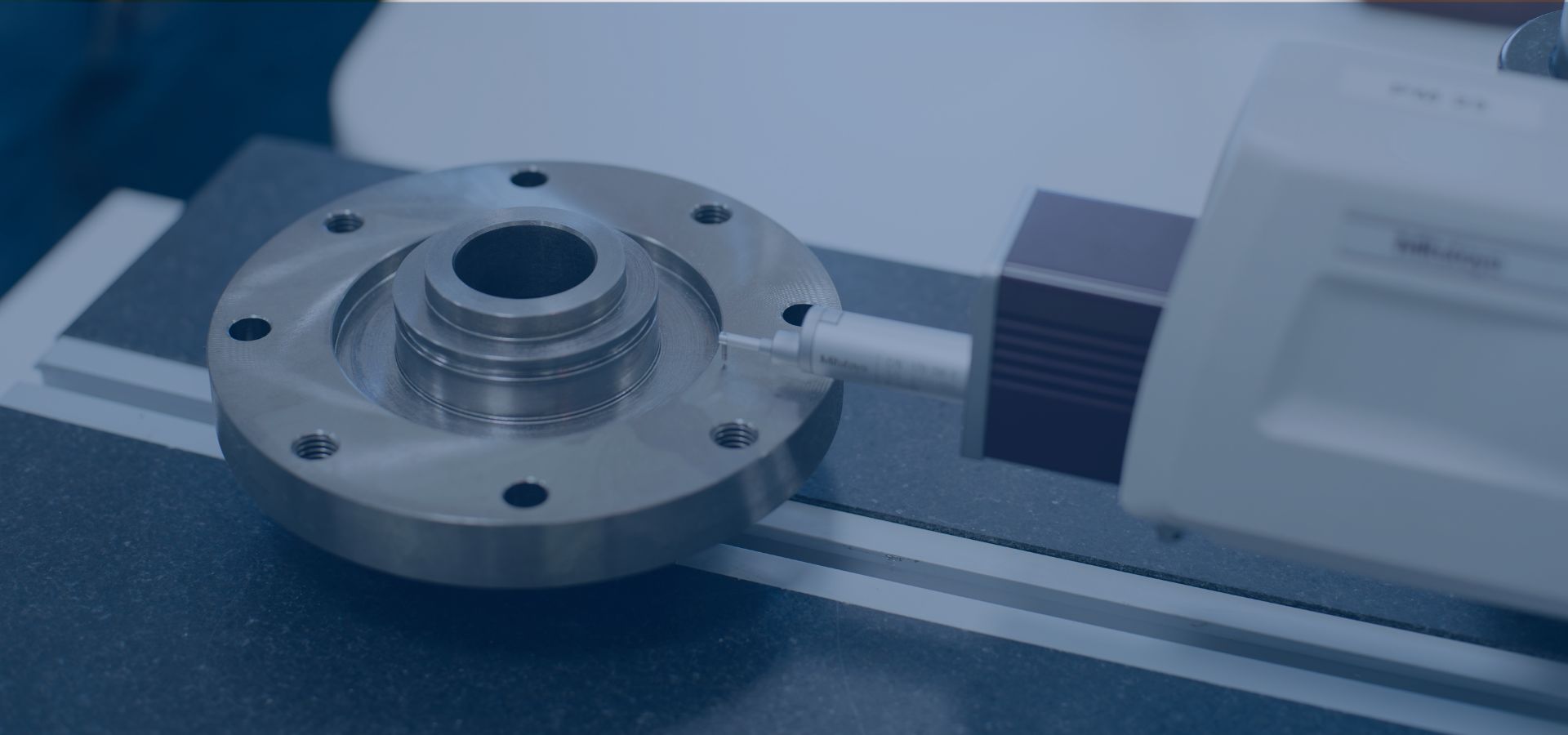
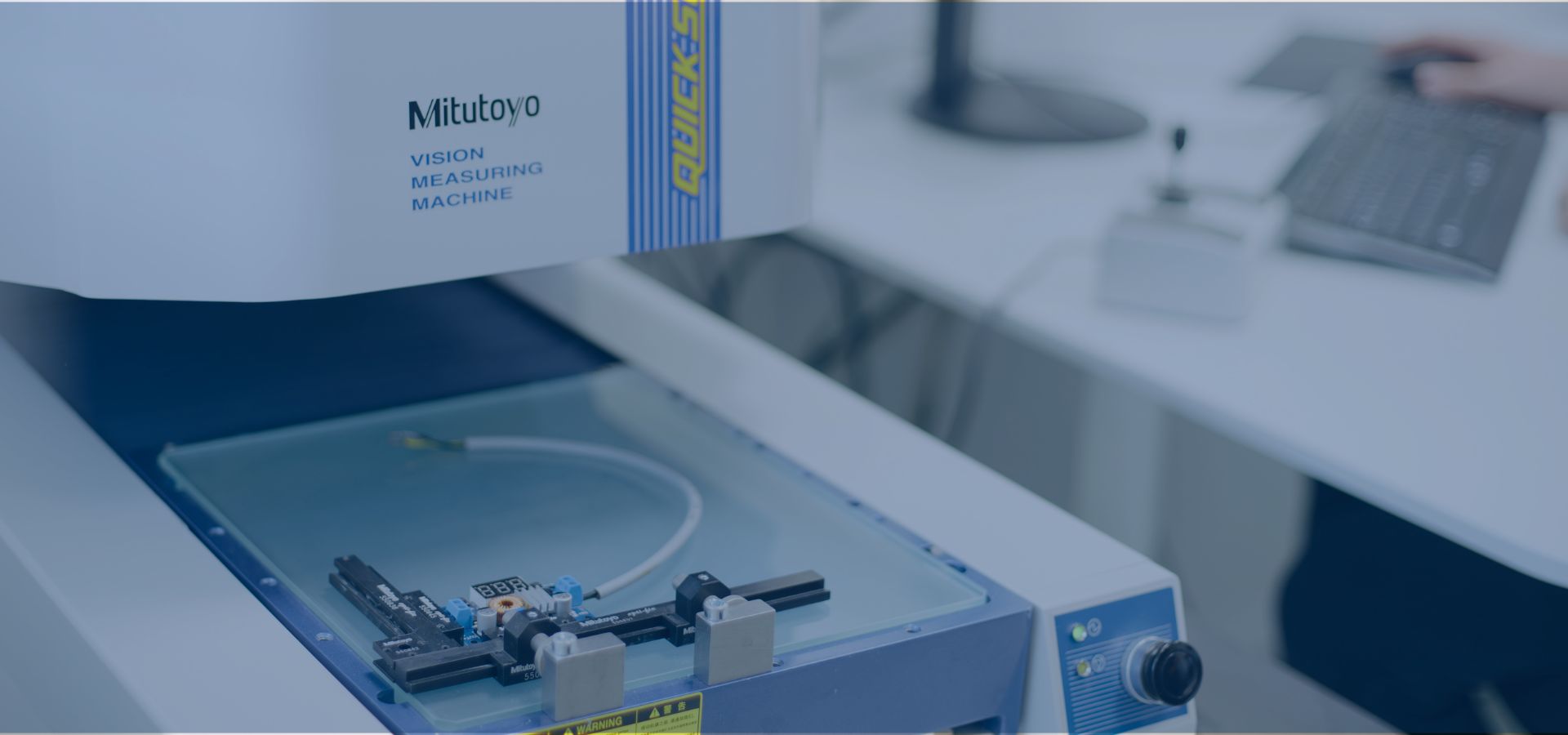
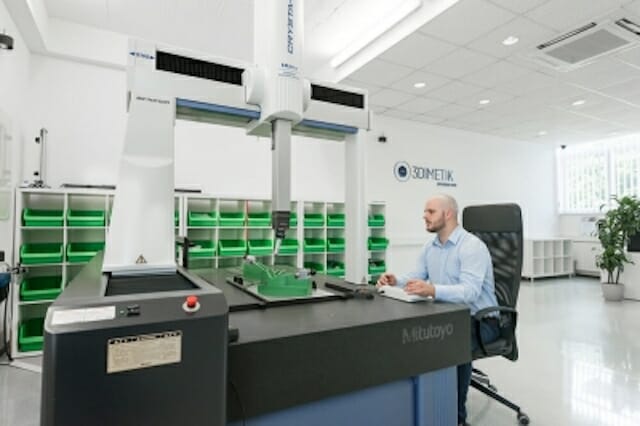
Continuous measurement of the dimension is particularly important in series production. The unavoidable wear of the production tools is thus reliably recorded. Early replacement ensures consistent quality and reduces rejects. The required tolerance is specified by the required measuring tool. For occasional, random checks, standard measuring tools such as test screws or callipers are sufficient. For the efficient measurement of large series, scanning methods or specially manufactured test tools are more advantageous. They guarantee consistent test quality without measurement errors. Deviating dimensions are thus detected reliably and at an early stage.