


Definition of roundness tolerance
The circle is the perfect shape. No other geometry can enclose more area with less circumference. Roundness therefore always means maximum economic efficiency. But the circle is also the ideal shape in technical terms.
It promises the best sliding fit with maximum lateral stability, vibration-free running smoothness during rotation and the simplest installation.
There is no other way to achieve rollability except by using round wheels. Roundness is also very important for joining techniques: blind holes and through holes for threaded holes, pins or riveted joints are only economically viable in series production with a consistent roundness tolerance.
For these reasons, designers try to implement a radial cross-section as often as possible when designing components. This applies across all industries and manufacturing processes.
Produce round components
The round cross-section can be produced using all manufacturing processes. The roundness tolerance can be maximized in combination with several processes.
Prototypes
In casting technology, continuous casting and extrusion processes are the main methods used to produce round profiles. In contrast to die casting or free-form casting, they are less complex and have greater continuity in production.
In addition, the continuous casting matrices are easier to produce than the two- or three-plate casting molds. There are no seams, which are unavoidable in free-casting and die-casting processes. Continuously cast or extruded round profiles can therefore often be used with minimal or no post-processing.
The best-known forming process for producing radial profiles with consistent roundness tolerance is the Mannesmann centering mandrel swaging process. This is still used today for the production of tubes that have a comparatively small cross-section but are highly resilient.
The process with a stationary or flying mandrel already ensures an easily adjustable and consistent roundness tolerance in terms of the technical principle. In addition, deep drawing is particularly efficient for round cross-sections.
The uniform circumferential radius is particularly advantageous when removing or ejecting from a thermoforming press. Tilting and jamming is much less likely with cylindrical products than with folded outer contours. The roundness tolerance of the tools is particularly important in this process.
Targeted tool correction can help to achieve permanently precise results and avoid rejects.
Machining
Turning is the key manufacturing process when it comes to precise components with a round cross-section and maximum roundness tolerance. The technologies, which are mature in every respect, are indispensable for the production of a defined roundness tolerance.
Today, turning is possible with all solid materials. What began with wood turning can now also be achieved with minerals, plastics and hard metals using the appropriate machines.
Milling is the free-form machining of solids. Roundness tolerance is mainly used in milling for partial applications. In turning, the entire cross-section is usually shaped in a defined circular geometry.
Milling enables the production of only partially round geometries. When free-forming milled products, it is primarily the radii on corners, edges and slotted holes that need to be produced with a defined roundness tolerance. Today, modern CNC processes enable precision ranges that were unthinkable just a few years ago.
Multi-axis CNC milling machines always include the insertion of blind and through holes for joints. Tapped holes are also produced with these modern production tools in consistent quality and in any quantity. The roundness tolerance is always the focus of QA.
Fügen
When it comes to joining processes, spiral welding in particular is the most reliable for a
consistent cross-section with precisely defined roundness tolerance. In pipe production, it has considerable advantages over longitudinal seam welding processes for both thin and thick sheet metal up to a wall thickness of approx. 4 cm.
These do not only concern consistent roundness. In terms of efficiency and productivity in particular, spiral-welded pipes are far superior to longitudinally welded pipes. However, this manufacturing process can only be implemented up to a certain wall thickness.
In addition, it can only process single-layer sheet metal. Tubes made from multi-layered semi-finished products can only be produced using the longitudinal seam welding process. In order to be able to produce a defined roundness tolerance for these products, this must either be particularly wide or complex post-processing steps (e.g. round turning) are necessary.
What applies to welding also applies to the other joining processes: when bonding or riveting round profiles, maximum roundness tolerance is ideally achieved using the spiral process.
3D printing is the most recent of all manufacturing processes. Its breakthrough as a manufacturing process suitable for mass production is still pending. Round profiles are theoretically also possible in the various printing processes (powder metal, plastic, laser, resin…).
However, traditional manufacturing processes are still clearly superior for these simple geometries. Printing as a production method is still primarily useful for prototyping.
For the production of haptic dummies as a template for a series product, these products generally do not have the same high tolerances as the series parts. This also applies to the roundness tolerance. If particularly tight dimensions are required here, the printed products must be reworked using a traditional machining tool (e.g. CNC milling machine).
Check roundness tolerance
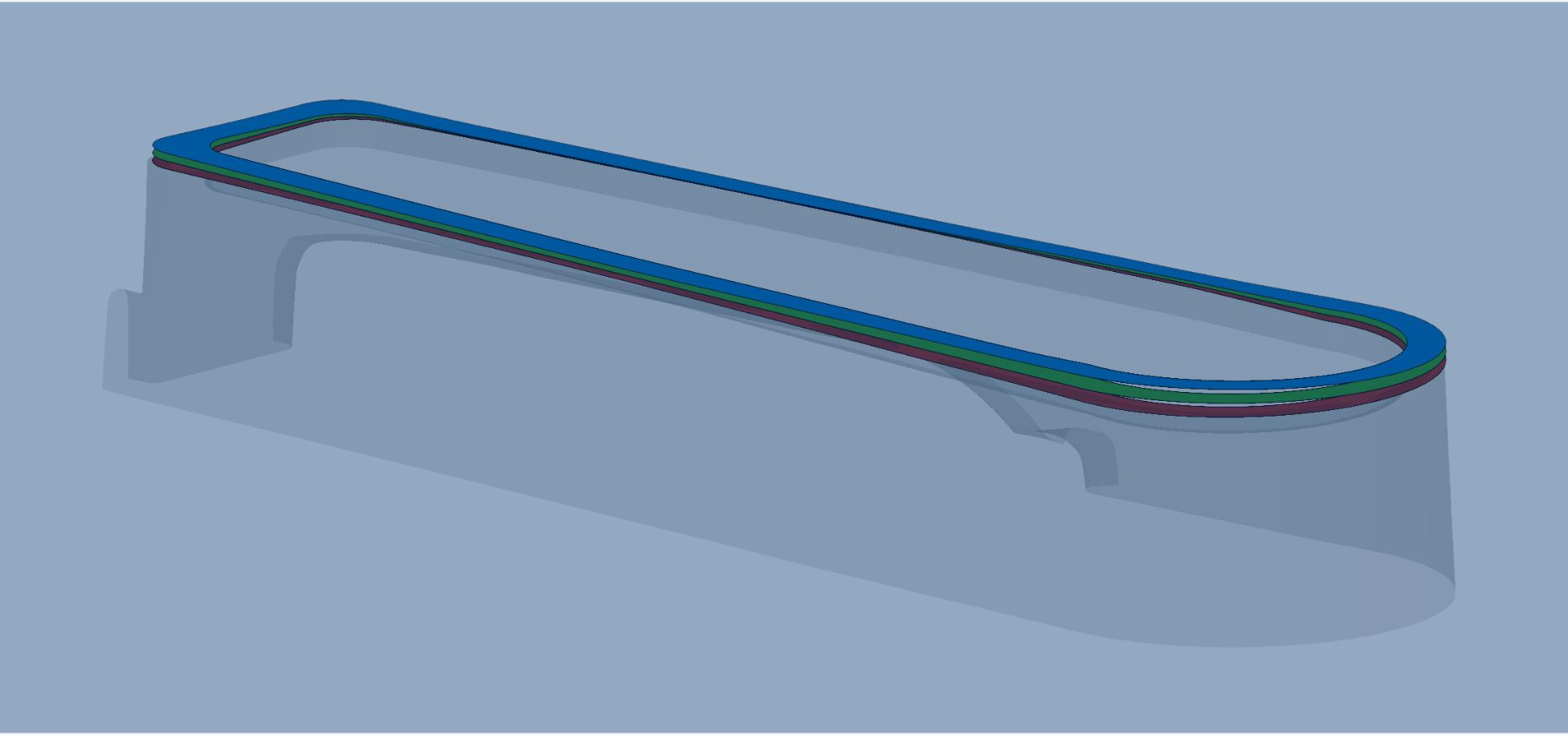
What looks round is unfortunately not in most cases. “Roundness tolerance” is defined in metrology as the line between two imaginary circles. One circle is the outer diameter of the product, another is the maximum distance defined by the roundness tolerance.
If the actual measured path around a round profile is within these two circles, the roundness tolerance is met. If it is above or below this, the roundness tolerance is exceeded.
But even if a perfectly round cross-section has been achieved, maintaining the desired diameter is still a particular challenge. How round something is depends primarily on the required roundness tolerance.
This is why geometric quality control to ensure that the required roundness tolerance has been met is particularly important in modern manufacturing processes. Roundness guarantees a sliding fit, rolling ability, shear strength during rotation and volume efficiency with all the associated parameters: density, mass, compressive forces.
Measuring technology provides various test equipment for checking a round body for the required roundness tolerance. In principle, the roundness tolerance can be checked directly on the product or indirectly on the tool. In most quality procedures, a combination of both test areas is implemented. This guarantees a minimum of rejects.
Cross-section measurement
The easiest way to measure a roundness tolerance is to measure the cross-section. If the circumference defines a certain diameter, measuring the existing diameter is a simple target/actual comparison.
This process is used, for example, in the production of large-format pipes. First, the circumference is checked with a tape measure.
From this, after deducting the wall thickness, the theoretical diameter can be calculated by simply converting the circular formula D×pi=U. To be on the safe side, the diameter is measured twice in practice, with the measuring sections offset by 90° from each other. If the values match and come close to the calculated value, the roundness tolerance has been established.
Tactile methods
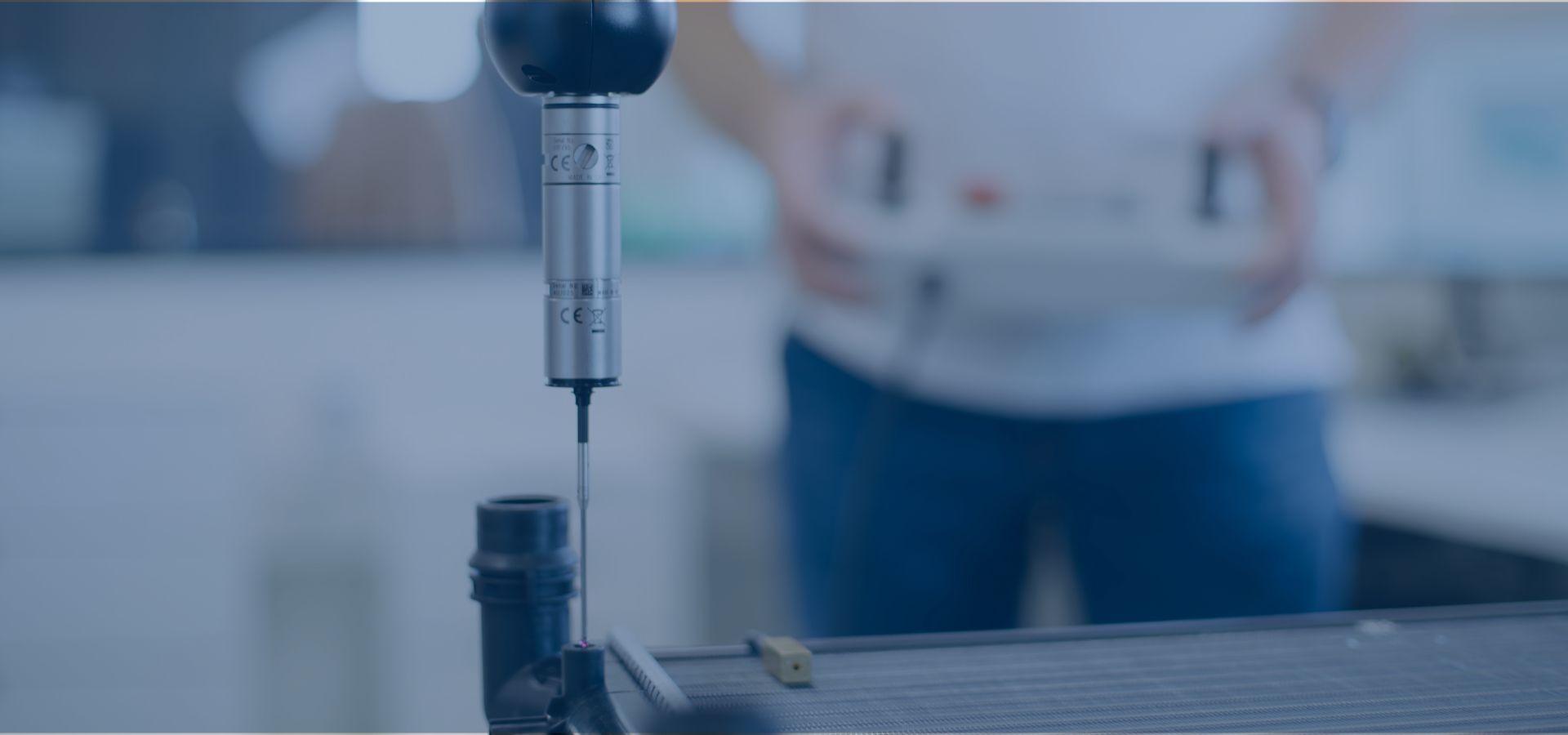
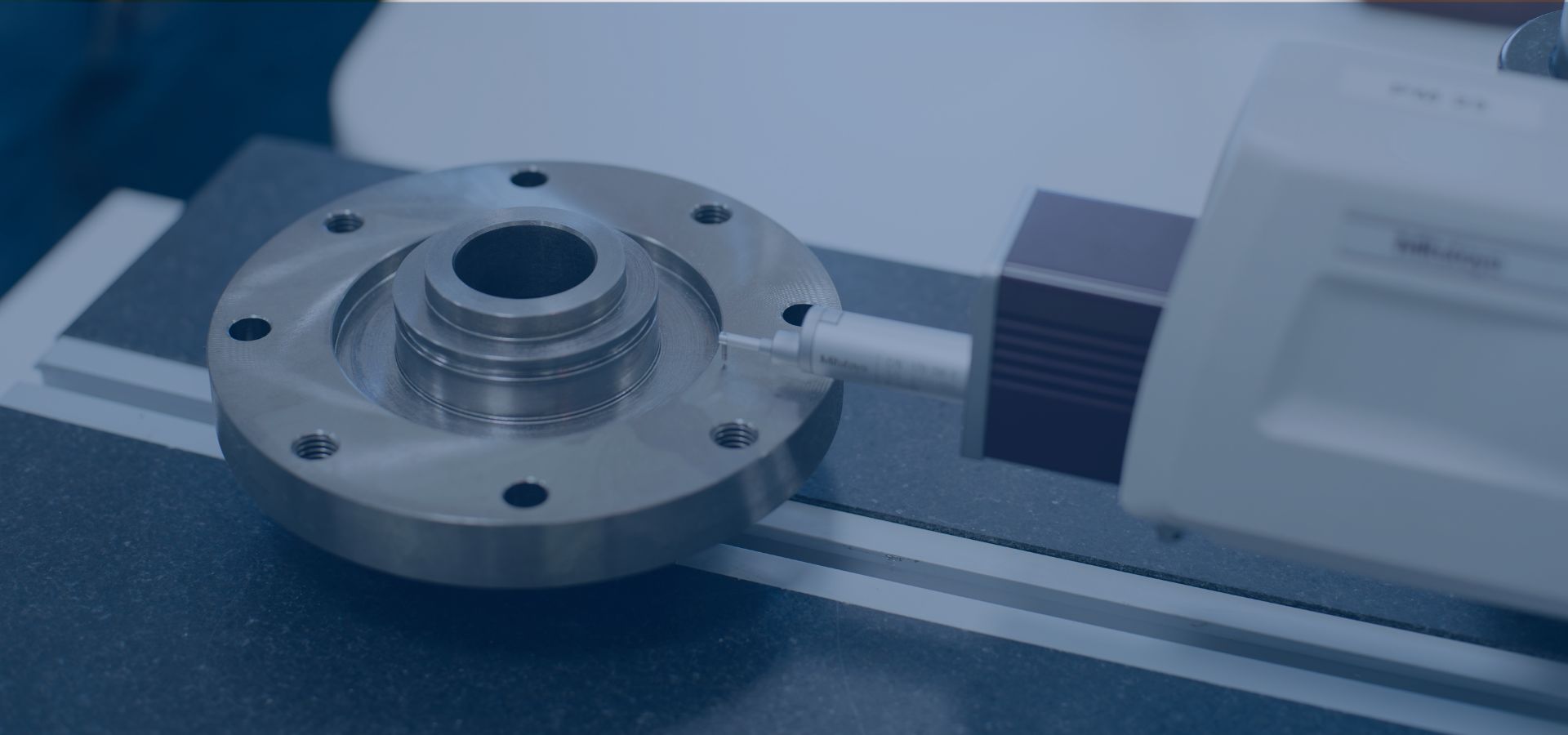
If the cross-section of the round profile is sufficient, the dial gauge is the method traditionally used for the longest time to check a roundness tolerance. Whereas purely mechanical measuring equipment was used for a long time, high-precision QA devices are now in use.
They are not only very precise, they are also very convenient: recording the measured values, visual conversion, archiving and evaluation are possible in a single work step with the machines available today. A proven product for tactile measurement of roundness tolerance is the RONDCOM TOUCH from ZEISS.
Visual methods
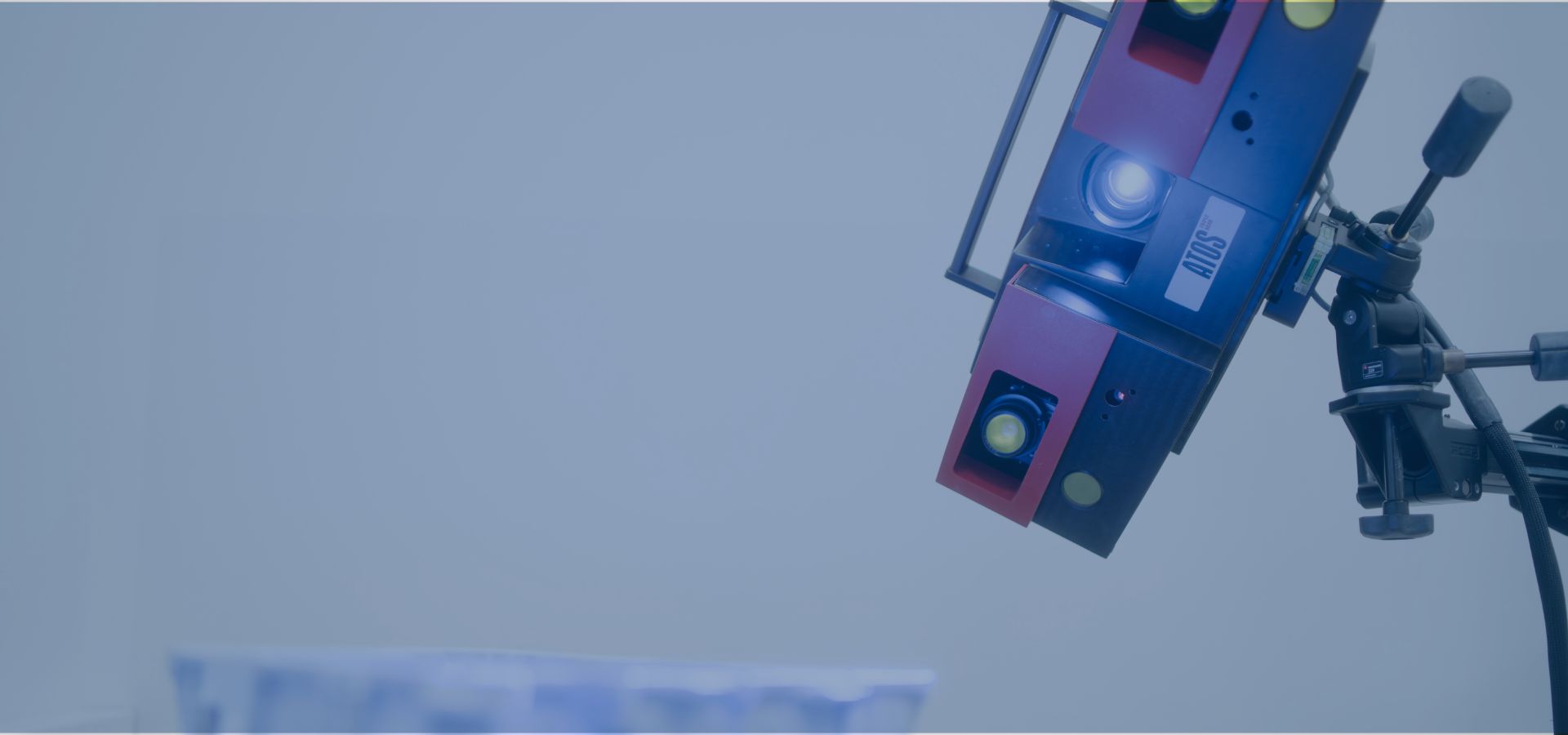
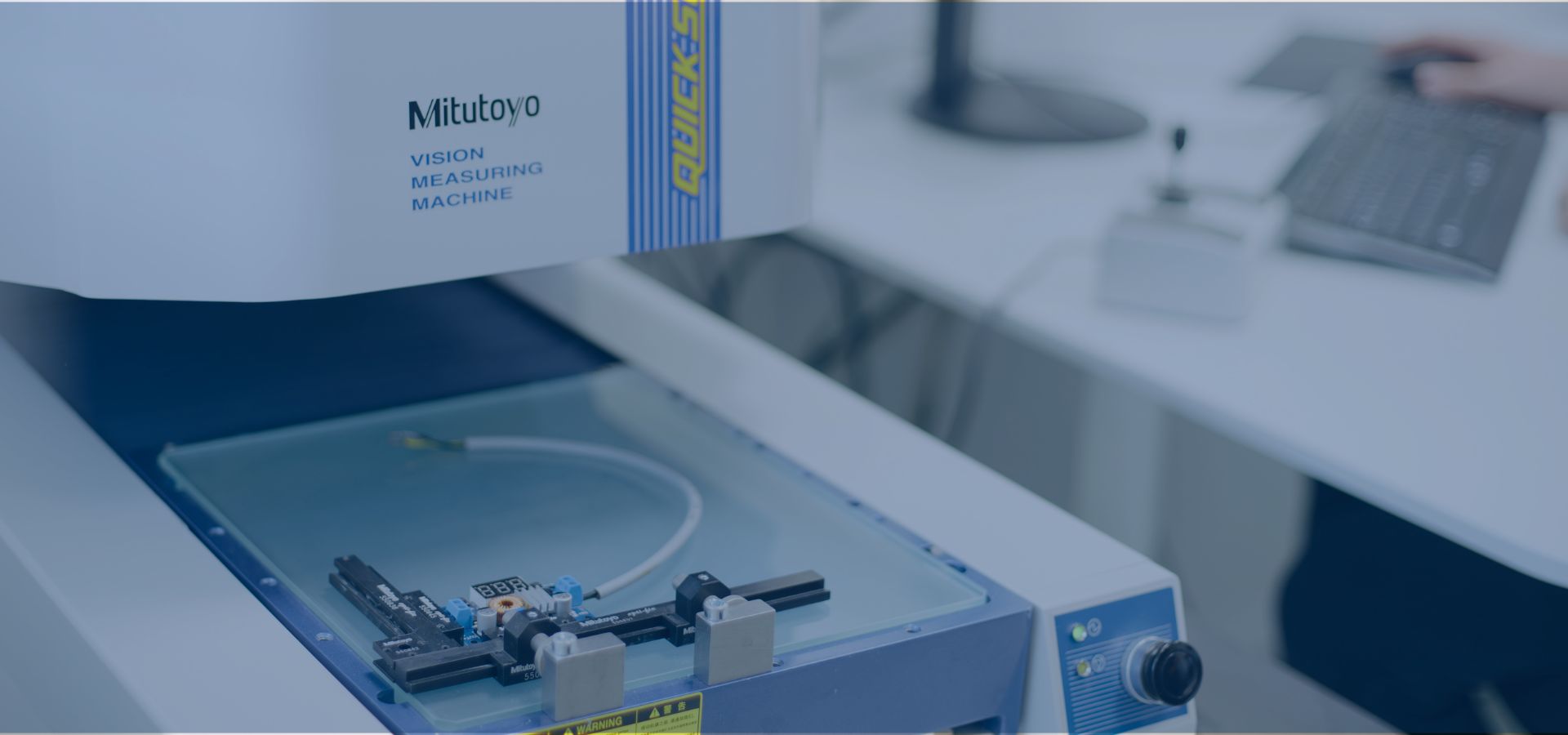
If the tactile methods are not sufficient for measuring the roundness tolerance, sensory or visual methods can provide the desired control performance. Here, laser measurement methods and optical 3D fringe projection are the two approaches that have gained the most acceptance.
Laser measurement is used for extremely tight roundness tolerances and for particularly small cross-sections. Wires, cannulas or other round profiles with small diameters can hardly be checked for roundness tolerance in any other way than by laser. The DM1 from OEG is a widely used device for the visual measurement of roundness tolerance on round profiles with small cross-sections.
3D strip projection is an excellent method for continuous control of roundness tolerance. It is used for larger cross-sections. Like the laser measuring method, 3D strip projection is non-contact.
Its principle is to project a stripe pattern onto the round profile and continuously check the projection. If the stripes warp in an undesirable way, the roundness tolerance has been exceeded.
This process is inexpensive and reliable. It can be easily attached directly to a production machine, such as an automatic lathe or a spiral welding machine. Well-known manufacturers of these testing machines are WENGLOR, GFMESSTECHNIK and STEMMER IMAGING.