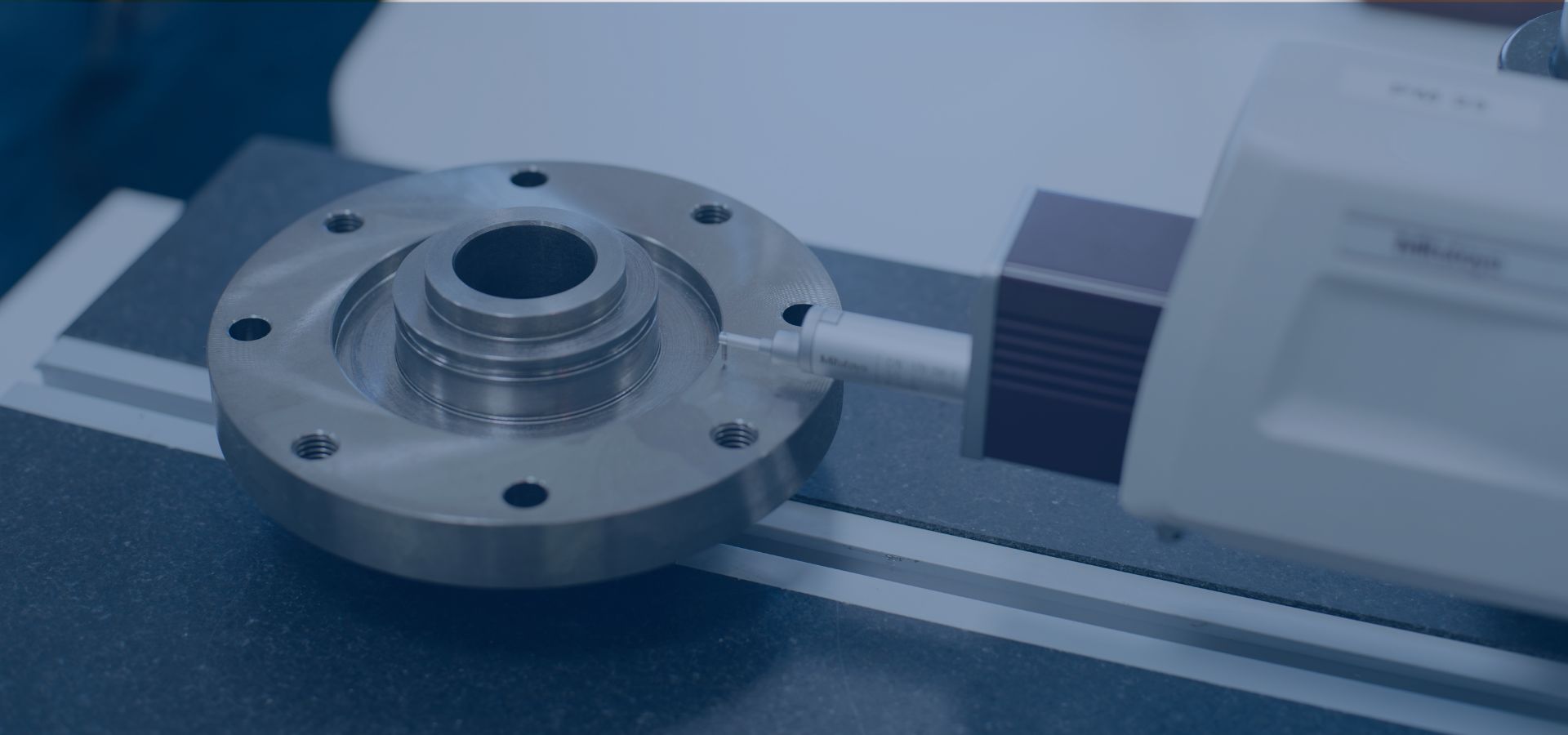


Maintaining tolerances with the fitting system
The external dimensions of an external housing differ considerably in their tolerance specifications from the tolerances that apply to kinetic components in mechanical-dynamic systems. It is irrelevant for a housing whether its external dimensions are manufactured 5-50/100 mm above or below the nominal dimension.
You don’t notice the differences in the end product. However, such a roughly manufactured mechanical component would inevitably rattle, jam or cause damage at the first movement. This is why the fitting system was developed. It gives the worker or 3D measurement technician precise information about the tolerance within which he has to manufacture a component.
What are fits used for?
If a drawing specifies a certain nominal dimension, then the fit or the ISO tolerances are part of it. Exact production to nominal dimensions is never possible, especially not when it comes to series parts. It only requires a correspondingly fine testing technology to always detect a deviation from the nominal dimension. It is therefore important to know the purpose of the component and its working conditions. A high-speed, highly loaded shaft with multiple bearings has to comply with completely different ISO tolerances than the base of a machine frame.
The fit is always aimed at the normal operating state. This is why, for example, the valve clearance of a combustion engine must be set when it is cold. When the engine reaches its operating temperature, the valve clearance closes due to thermal expansion and the desired sliding fit is guaranteed.
Determining the tolerances
In order to determine a tolerance, all relevant factors of the component must be taken into account. These include the following parameters:
- Temperature in operating mode
- Rotational speed
- Material-specific properties
- intended service life of the component
- Specifications for series production.
The rotational speed affects the temperature of the component and therefore its thermal expansion. Excessive heating can lead to jamming. The faster the component rotates, the more fatal the effect of jamming. Conversely, a bond that is too loose leads to noise and high wear.
Hardness, strength and toughness must be taken into account during production.
They influence the technical feasibility of the tolerance specifications.
A certain amount of friction loss can never be completely avoided in highly loaded systems. The service life must therefore also be reflected in the selected fitting system.
The tolerances must be producible in series. The fit specifications serve as the basis for quality control.
Envelope dimension as orientation
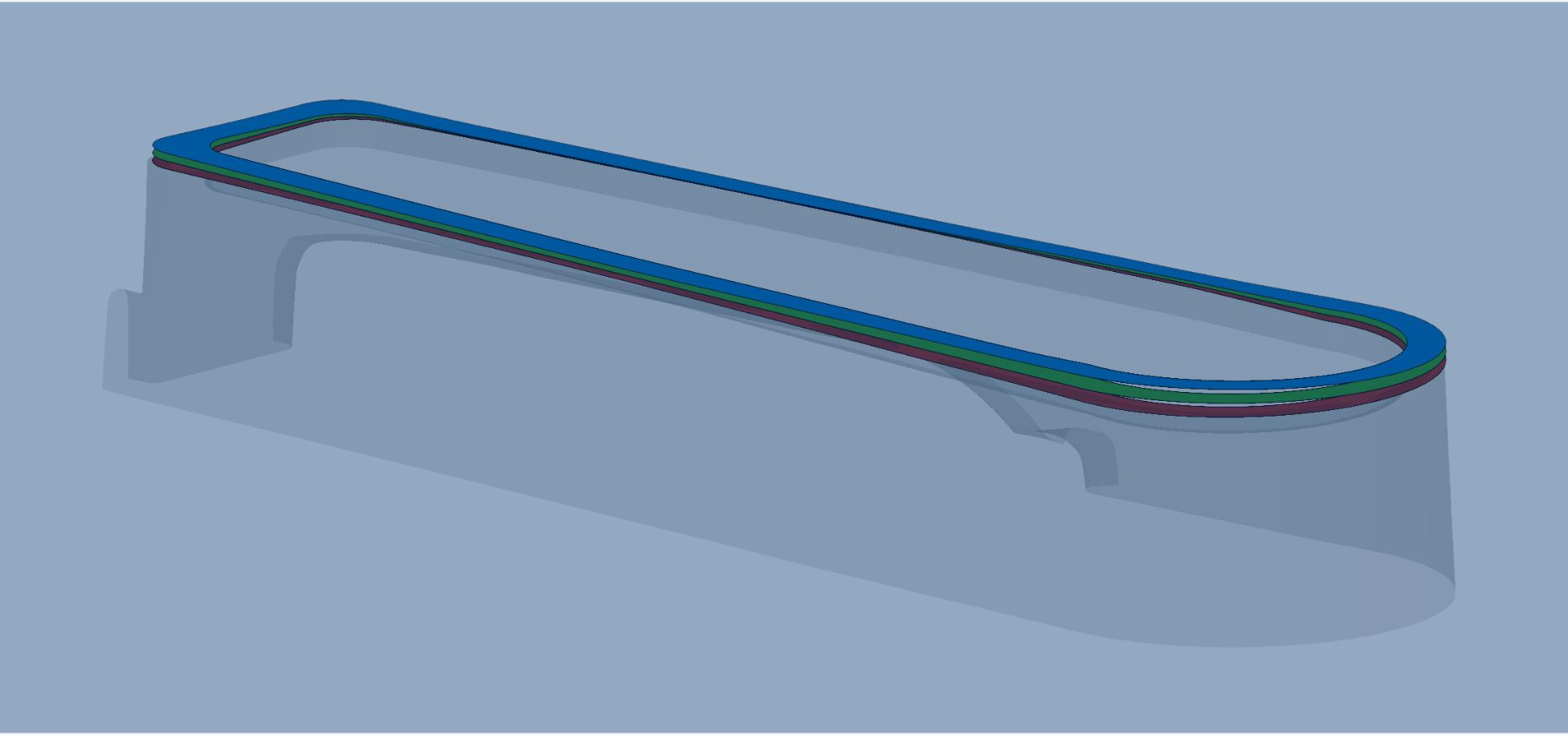
The fitting system specifies the ISO tolerances. These can be thought of as the envelope dimension of the nominal dimension. The final dimensions of the workpiece must be within the envelope dimension. Then the tolerance is fulfilled and the component can be used.
Representation of tolerance
The tolerance is specified using upper and lower case letters. It is most frequently used when specifying the tolerance for the combination “bore and shaft”. The upper case letters specify the tolerance for the bore, the lower case letters are intended for the shaft. Depending on the combination of these specifications, the clearance between the two components is larger or smaller.
Example:
H8/d9: = clearance fit with easy installation
H7/s6: = assembly only possible with thermal treatment.