

Reverse engineering – how is it built?
Reverse engineering is a process in which a technical object is examined so closely that it can be reproduced. This makes reverse engineering the standard procedure for pirates.
However, there are plenty of good reasons for serious companies to get involved with reverse engineering and the measurement technology used for this purpose.
Reverse engineering – more than just copying
Reverse engineering is particularly important in the area of product safety. The hardware used in your own company and the components from suppliers must not pose any risks to your own end products. A company can only ever guarantee full safety for the products it manufactures itself.
In the case of supplied components, he is dependent on the supplier’s promises. In most cases, this works quite well. Often enough, however, the principle of good faith is not sufficient. This does not even have to be caused by malicious intent. The only thing that helps here is to use precise measurement technology to find out exactly how a component is shaped.
Dynamic product development
A supplied module is always defined and ordered at a specific point in time. However, by the time it has finally been manufactured and delivered, the conditions for its installation may have changed again.
With production becoming ever more complex, even small changes can have a major impact on the supplied module or the entire assembly.
Here is an example:
A mechanical engineering company orders a housing part for a specific appliance. Between ordering and installation, a number of changes have occurred which have resulted in an unnoticed change to a heat path.
The direction in which unwanted waste heat was dissipated by a cooler has suddenly changed. This was not taken into account when considering the control board.
A heat flow now changes across the circuit board, accelerating the drying out of the electrolytic capacitors. A few years later, the systems supplied to the customer fail in rows.
Reverse engineering creates security
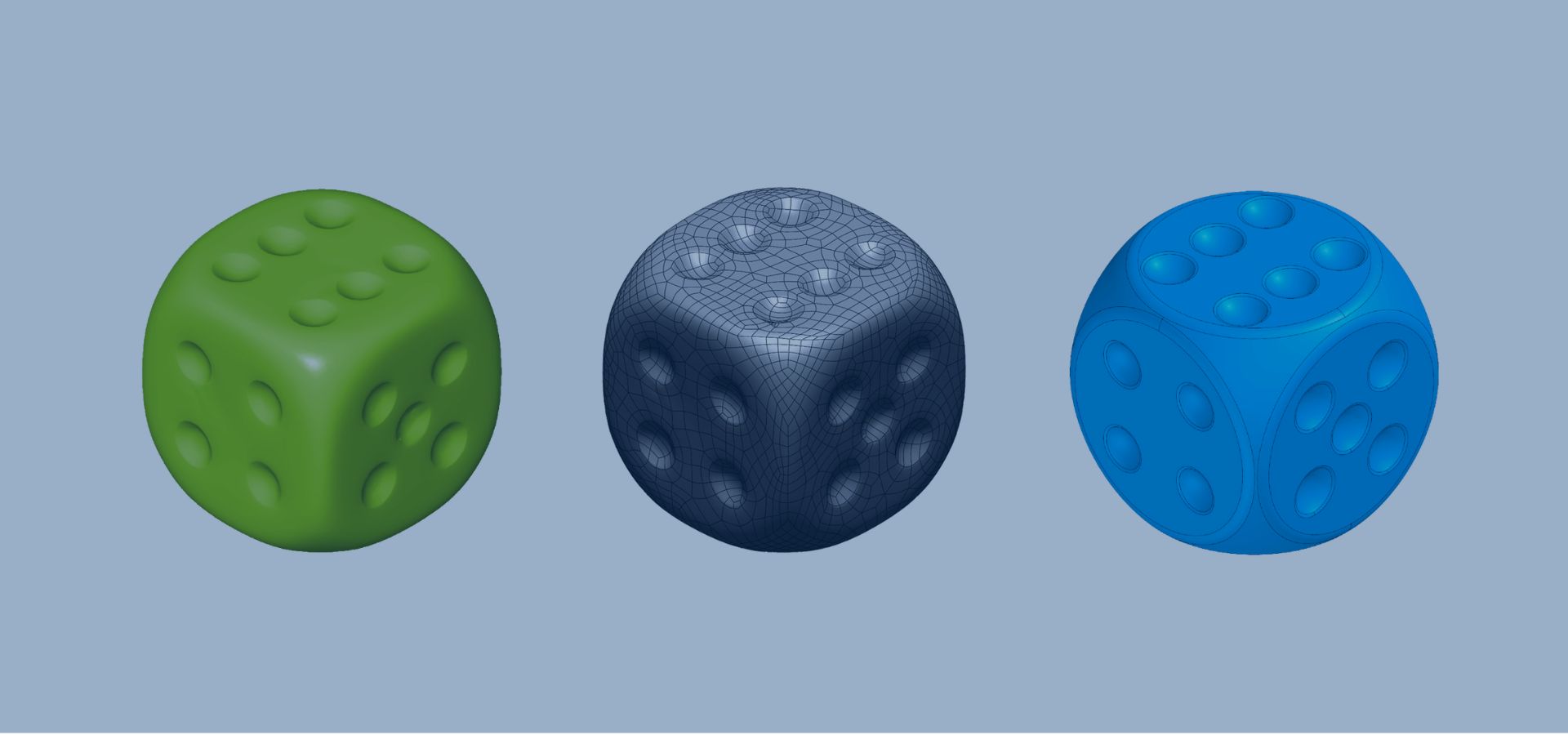
Reverse engineering is the planning of an existing product with the help of suitable measurement technology. Once it is available as a drawing or 3D model, it is always possible to check how the product behaves under which conditions.
Manufacturers can use reverse engineering to check their market position for finished products. It is ideal for identifying your own strengths and weaknesses.
However, this process is also important for individual components: reverse engineering is an enormously important tool for manufacturing companies and design offices in particular to ensure maximum product safety.
3D modeling with high-precision measurement technology allows simulation, testing and variation long before the first product is manufactured. Ultimately, reverse engineering is also an important approach for the supplier to avoid recourse.
Modern measurement technology for reliable reverse engineering
Depending on the product, reverse engineering can be a very time-consuming process. This is particularly true for complex components with a geometry whose tolerances are not fully known.
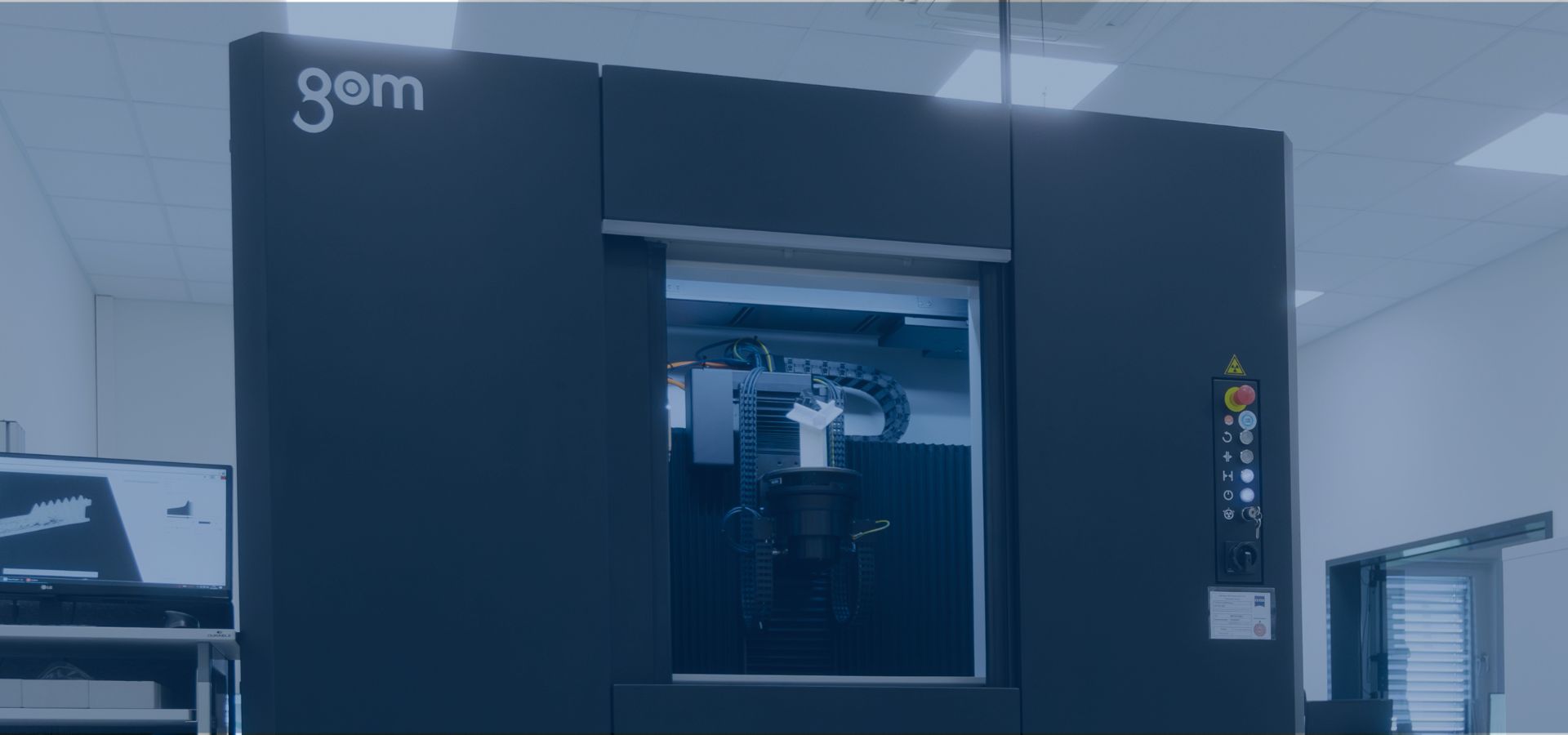
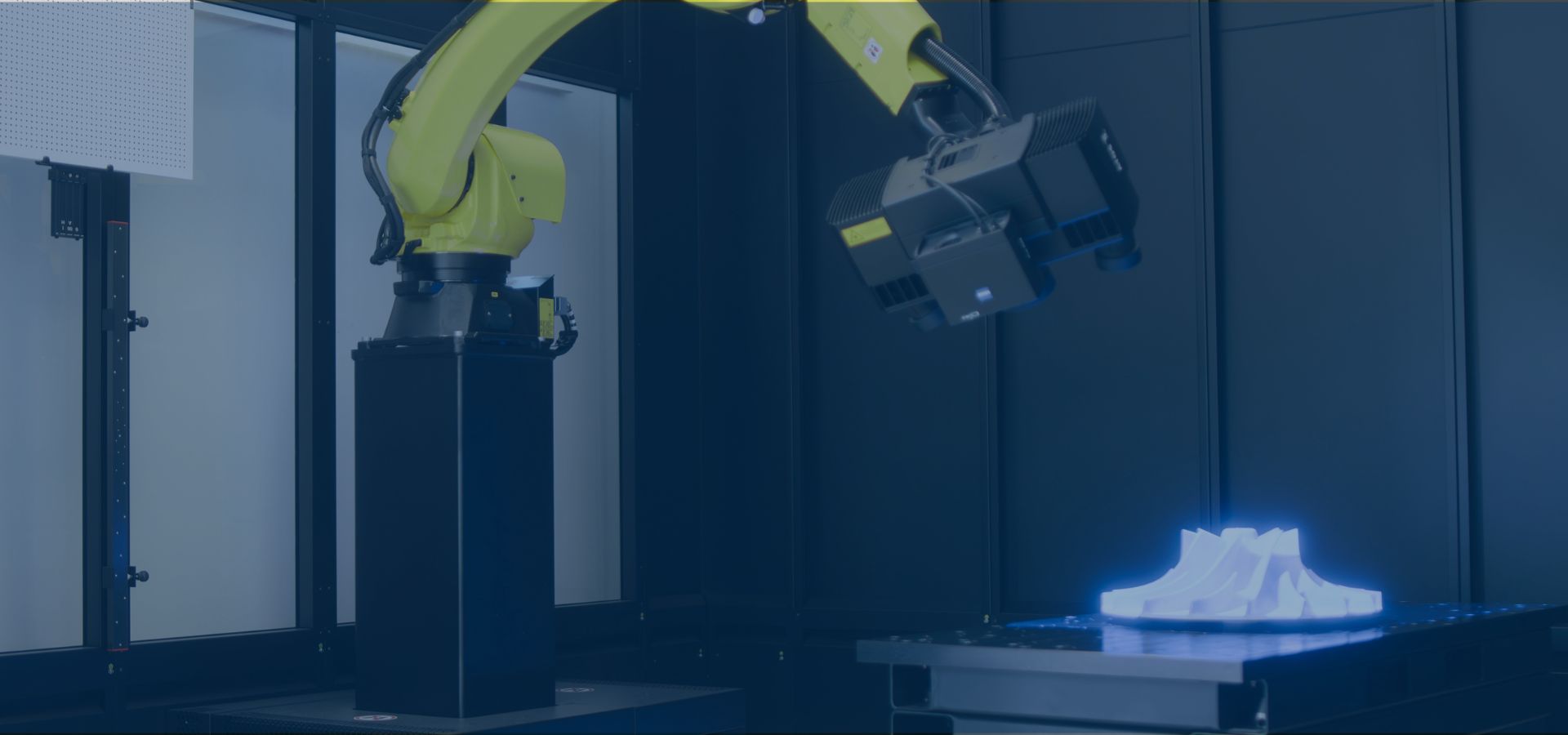
This is why 3D scanning measurement technology is often used in reverse engineering. This involves a laser moving around a product and determining all contours. However, this measurement technology has certain limitations.
Not all objects are small enough to be captured in a laser scanner. Reverse engineering via photogrammetry is an ideal method for precisely determining fits and their tolerances.
Once available as a 3D object in the computer, the designer is able to simulate various fits. This makes reverse engineering particularly important for series production.
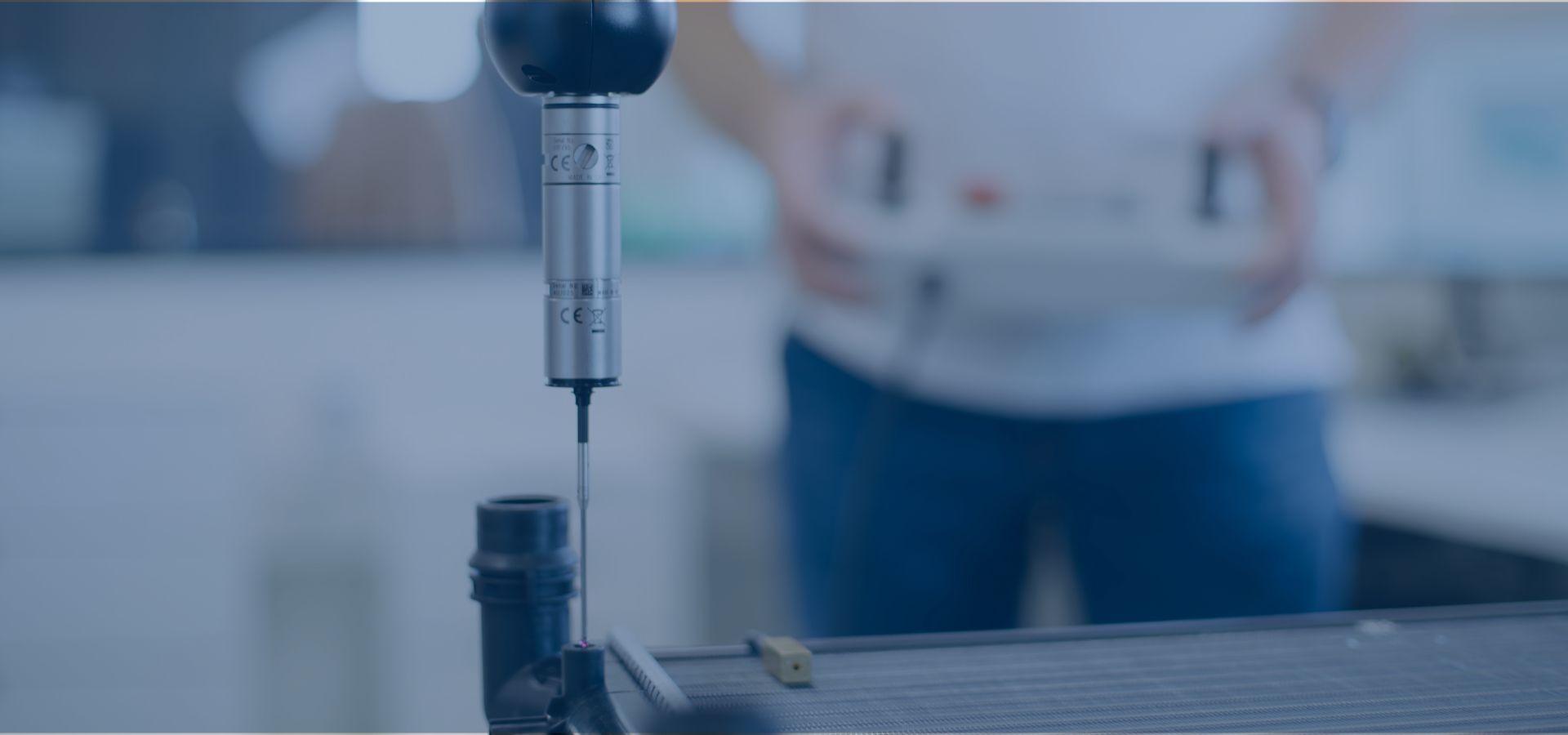
Reverse engineering is increasingly being used for monolithic or low-complexity products. Instead of laboriously marking out a product by hand with calipers or using a slow 3D scanner with limited capacity, photogrammetry measurement technology allows all dimensions to be captured in a matter of seconds.
Photogrammetry – measurement technology for reverse engineering
Photogrammetry was developed shortly after the spread of photography. It was recognized that the highly accurate images of existing objects were ideal for measuring.
Photogrammetry is therefore not only very convenient, but often enough the only way to capture the dimensions of an object. Originally, photogrammetry was used to measure large buildings and landscapes.
Today, high resolutions, powerful programs and fast computers make it possible to capture and convert even small, highly complex products.
How the“photogrammetry” measurement technology works
In photogrammetry, an object is digitally photographed from as many angles and perspectives as possible. The software calculates a 3D model from the captured images, which can be immediately displayed on the screen.
With this method, the measurement technology takes place directly on the rendered model. The dimensions are calculated at the same time as the 3D creation and output on request. This makes this measuring technique a fast and practical tool.
Limits of photogrammetry
This measurement technology naturally reaches its limits as soon as the product has more than just mechanical properties. Photogrammetry can no longer be used as a measurement technique for reverse engineering for all types of electronic or IT complexity.
However, it is also an important aid in these cases. After all, every module has to be installed somewhere. This also applies to circuit boards and control modules. Here, this measurement technology can provide important impulses for reverse engineering that simply reproducing an electronic circuit cannot.
Specific fields of application for reverse engineering
Photometric measurement technology for reverse engineering is used in the following areas in particular:
- Plastics industry
- Mechanical engineering
- Automotive industry
- Shipbuilding
- Aircraft construction
- Special vehicle construction
- Mold making
In the plastics industry, reverse engineering allows conclusions to be drawn about the injection molds used. It can be very important for everyone involved to know the exact tolerances.
The technical properties can change depending on the type of plastic used. Knowing exactly how the mold will behave under load is essential for the safety of the production process.
In mechanical engineering, reverse engineering is particularly important for the design and improvement of frame and housing components. Even production machines no longer only have straight and flat shapes.
Optimized enclosures can be used more efficiently, with less noise and energy consumption. Sustainable reverse engineering helps to uncover weak points and potential for improvement.
The automotive industry is known for its many highly complex shaped components. However, these only come together to form a harmonious whole in the finished car body or interior when all components have consistent dimensional accuracy.
Reverse engineering measurement technology helps everyone involved to find the optimum production processes for all parts made of sheet steel, plastic or composite materials.
In shipbuilding and aircraft construction, photogrammetry is particularly suitable for determining all dimensions. It is difficult to place a ship weighing thousands of tons under a laser scanner.
Reverse engineering using photogrammetry measurement technology is the best and fastest way to obtain the desired data.
After all, special vehicle construction in all its diversity is almost impossible to implement without reverse engineering. Special vehicles consist of numerous components, all of which come from different suppliers.
In this industry, however, confidentiality is extremely high. In order to obtain all the data, the individual parties involved often have no other option than to carry out their own reverse engineering using photogrammetry measurement technology.
Mold making is even more dependent on reverse engineering measurement technology. GRP lowering molds can take on huge dimensions, for example for the rotor blades of wind turbines. With photogrammetry measurement technology, the shapes of large, complex molds can also be captured from a greater distance.
Fast measurement technology, reliable reverse engineering
Overall, photogrammetry is an effective and reliable tool for obtaining valid information about a third-party product through reverse engineering.
Improving product safety, analyzing market positions and identifying design weaknesses are particularly easy to achieve using photogrammetry measurement technology.