

Precise component measurement using optical 3D measuring systems
In many places, the dimensions of components are still measured purely manually. Calipers and micrometers are used to check all relevant dimensions on a component.
However, this process is so slow that only a statistical testing system working with random samples is feasible for ongoing quality control.
However, the increased customer requirements in terms of tolerances and measurement accuracy mean that these stochastic processes are becoming less and less feasible.
Optical 3D measurement and optical 3D component measurement is a well-functioning approach to ensure continuous quality control, even for large series.
Parameters of optical component measurement
The following parameters are checked during component measurement:
- Dimensional accuracy of the outer contours
- Shape and position tolerances of incorporated inner contours
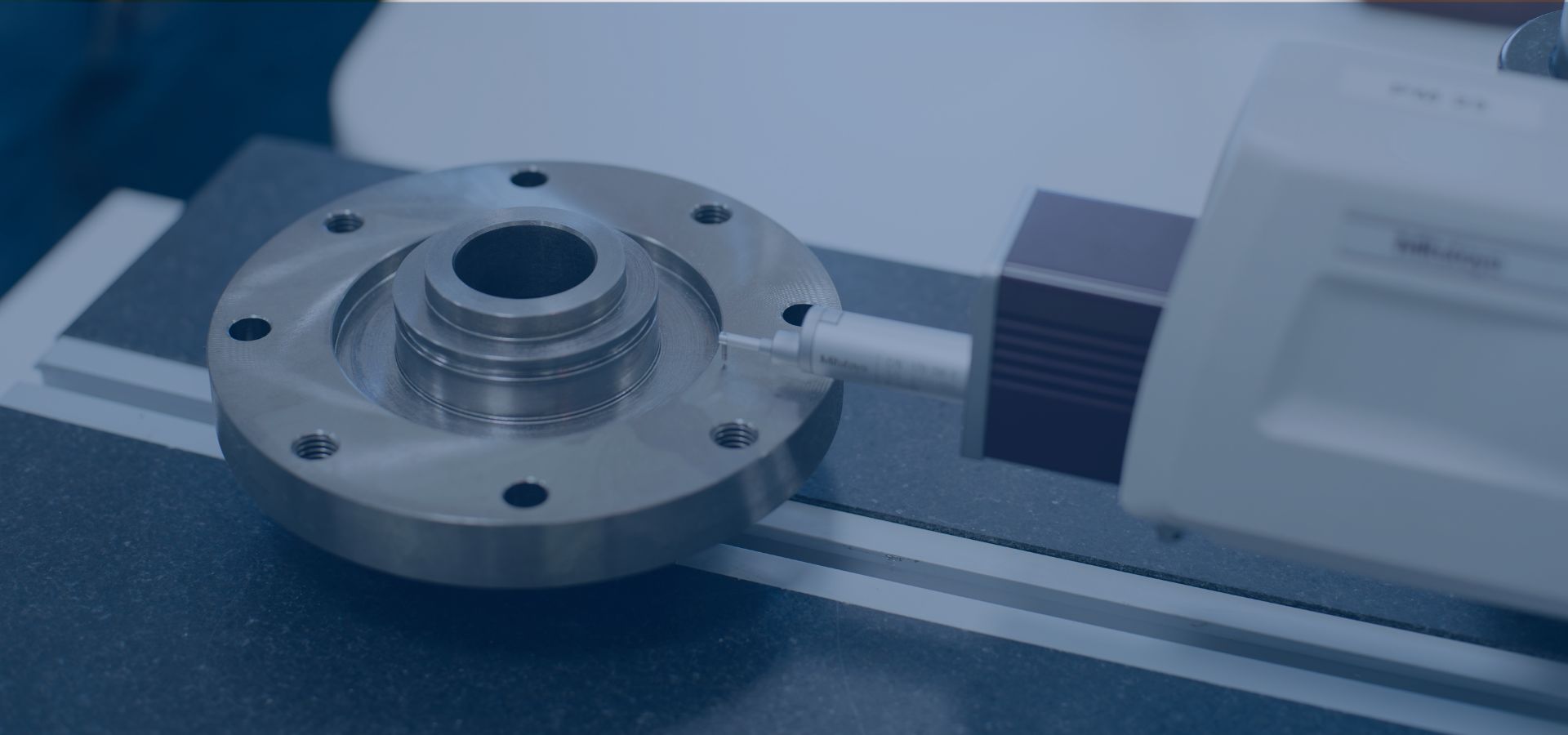
- Roundness of holes and pins
- Checking all fits
- Deviations, need for optimization in measurement reports
Compliance with all tolerance specifications is extremely important, especially for components that are integrated into assemblies. Many factors depend on the dimensional accuracy of a product.
Clamp-free installation, optimum sliding properties, efficient weight savings and much more are directly dependent on compliance with the specified dimensions. The outer contours are only the first step, which are recorded and evaluated using 3D measurement technology.
Precise adherence to the shape and position tolerances of all blind holes, recesses, threaded holes, oil channels or lubrication grooves is usually more important than adherence to the outer contours.
The roundness of holes or pins is relevant for assembly with other components. The same applies to all linear or radial fits on the component.
The surface structure or roughness is not a parameter of component measurement or surface measurement. However, the available methods can offer control steps in which the surface of a component can also be analyzed.
Today, this analysis takes very little time and can be easily integrated into the final inspection of a production process with the appropriate testing equipment.
3D component measurement process
The aim of measuring components is always to compare the actual condition with the target condition.
A 100 % match is practically impossible, which is why customers always specify tolerances within which the dimensional deviations on the product may lie. However, these dimensional deviations are very narrow today and are becoming increasingly narrow.
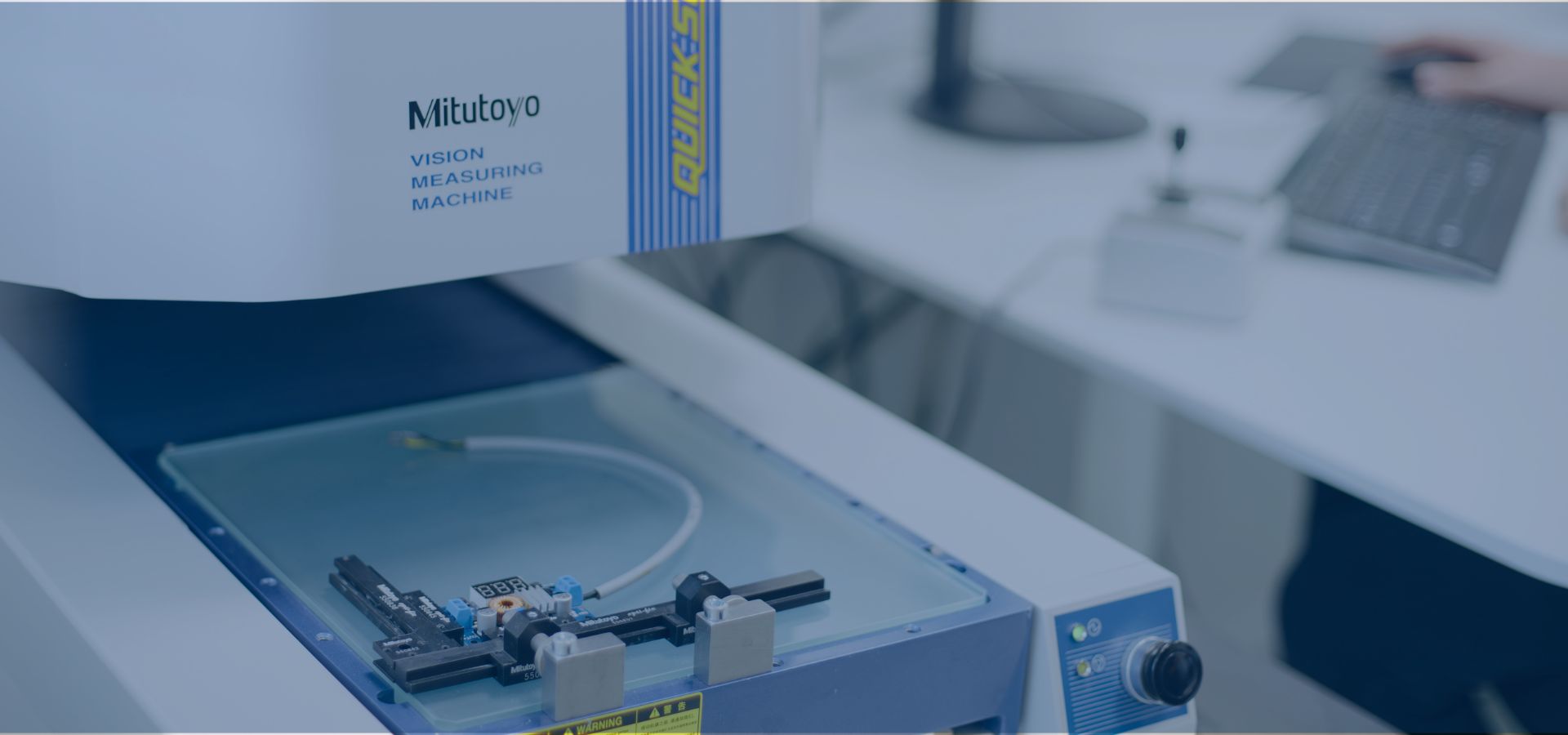
In many areas, optical component measurement can still be ensured using simple templates or photometric methods.
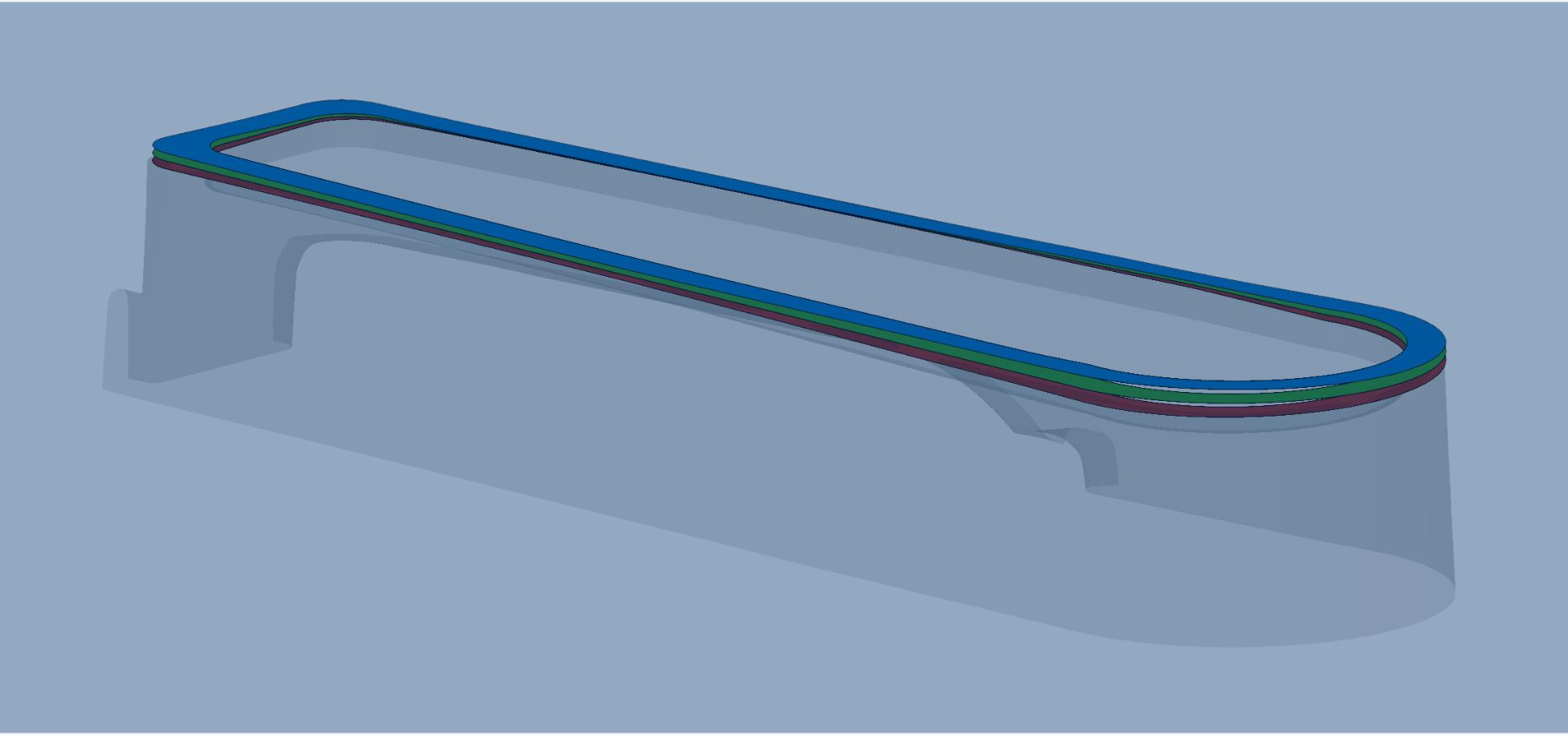
Flat components in particular, such as seals, can be checked quickly and efficiently using these procedures.
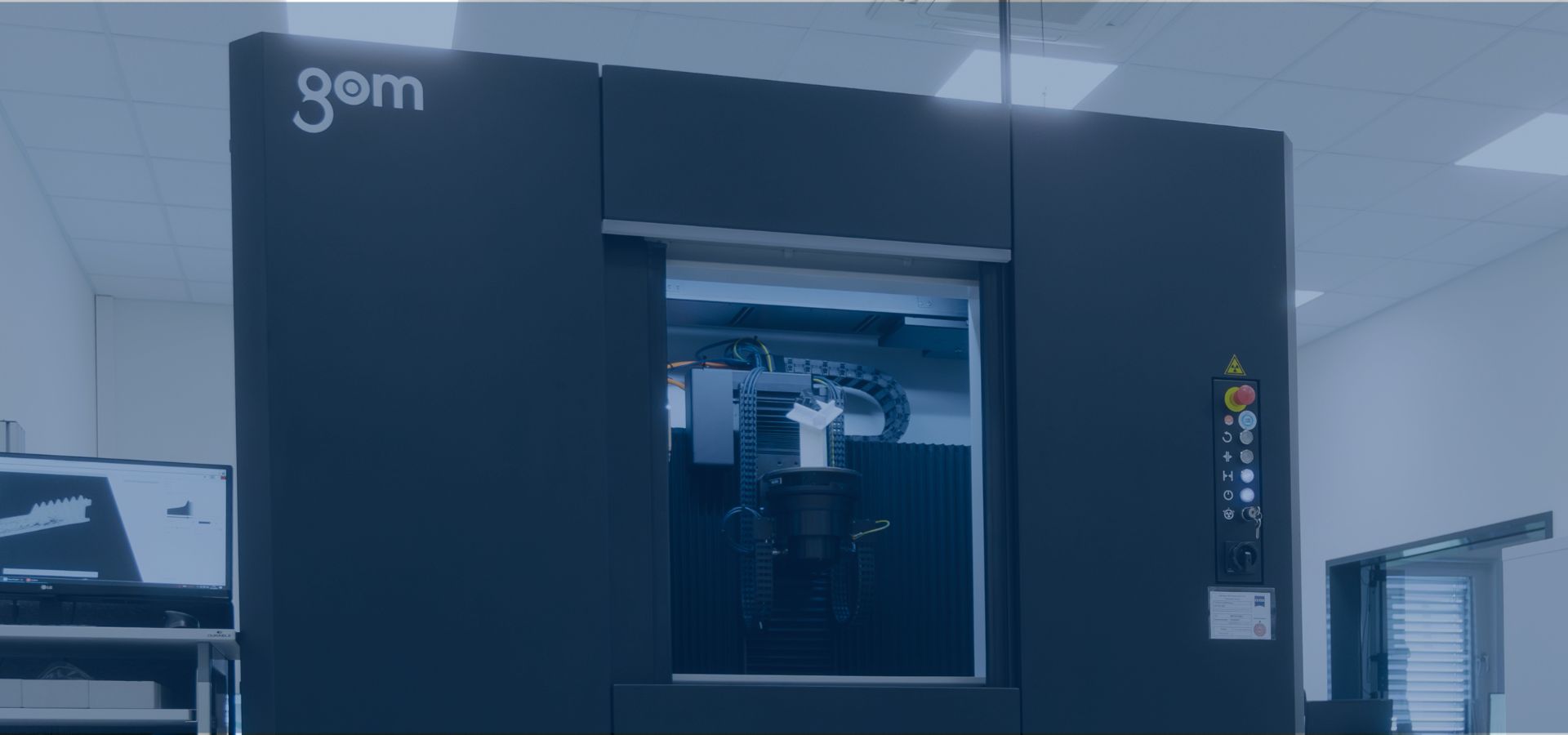
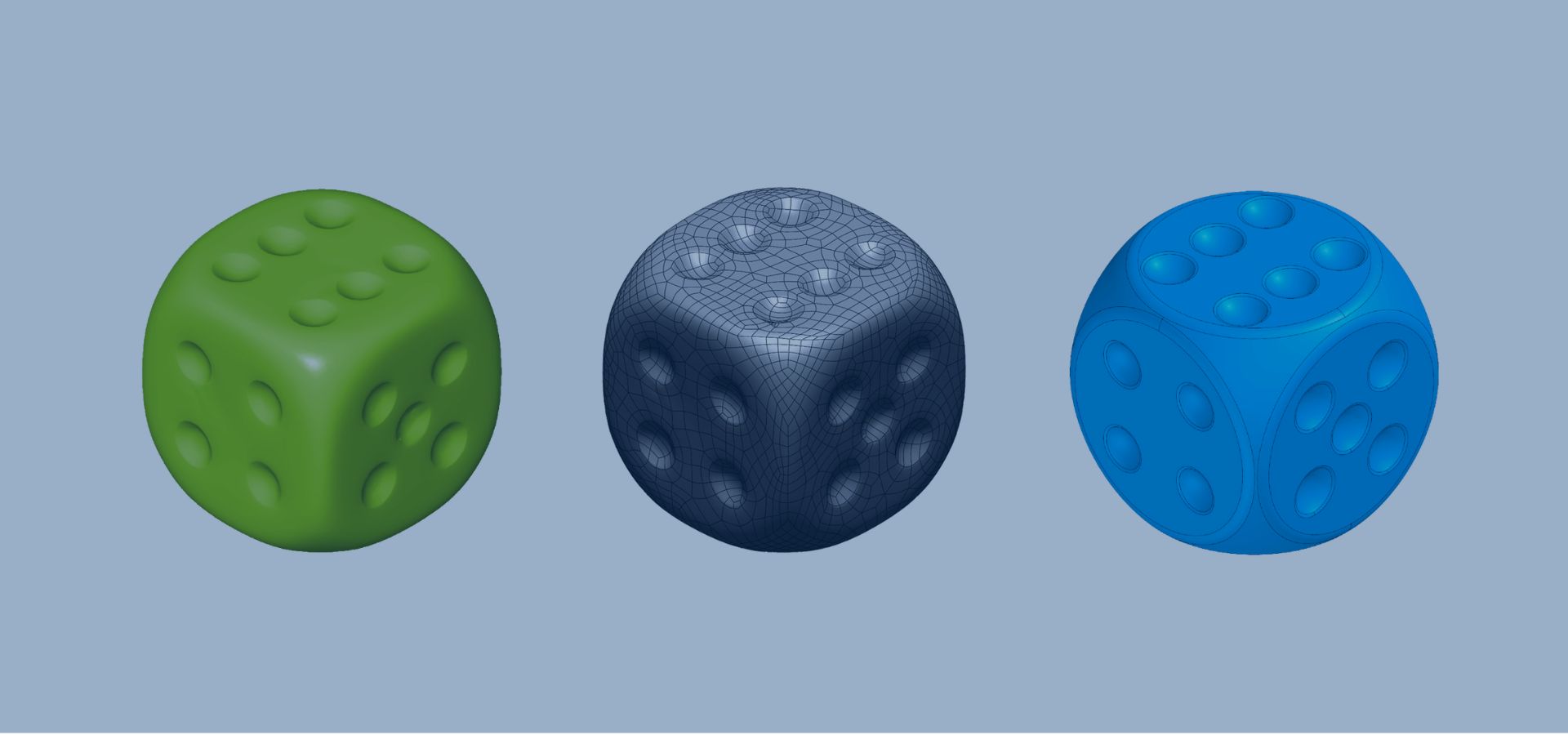
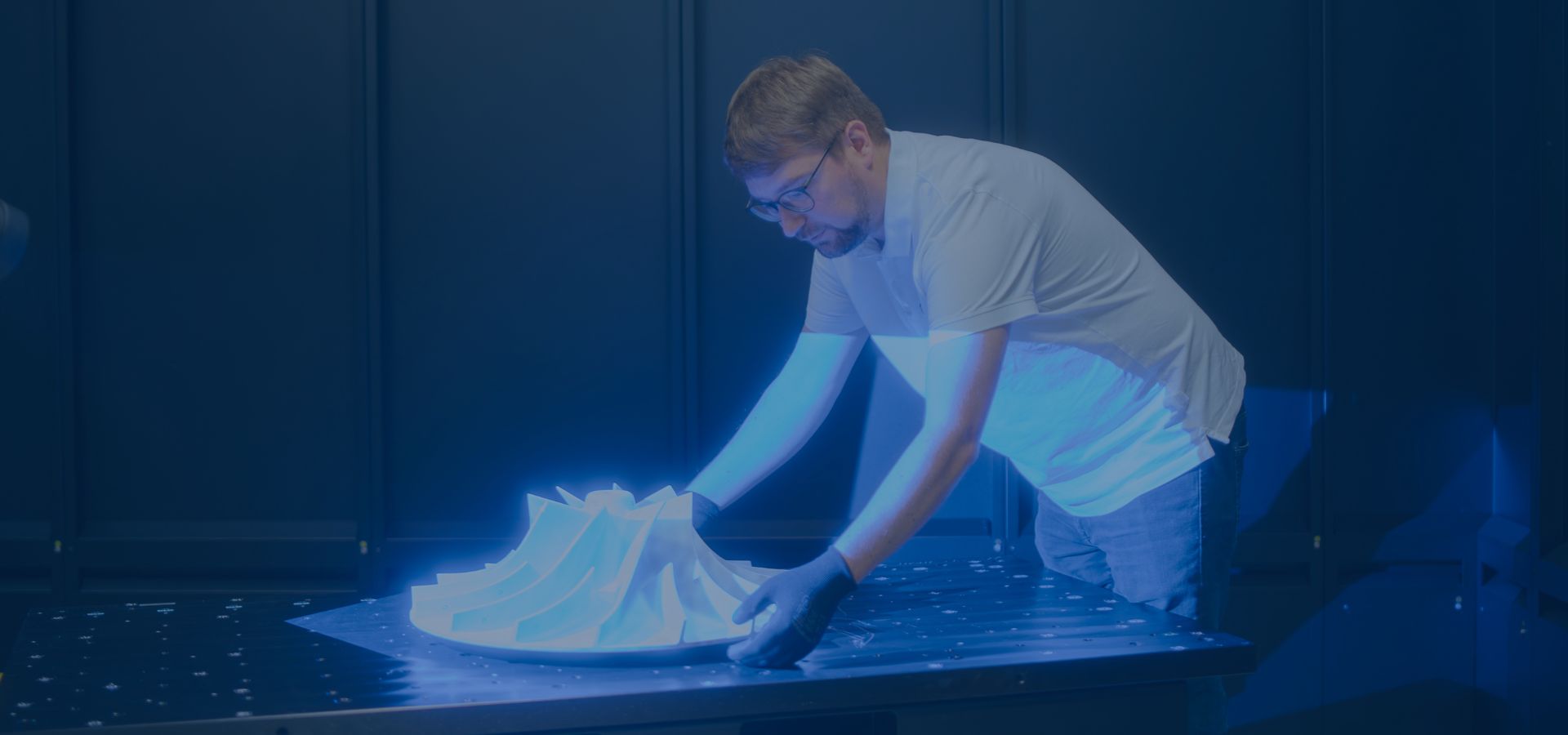
These methods quickly reach their limits with complex-shaped solids. This is why 3D component measurement is the most advantageous method for measuring components that need to be inspected in all three dimensions. Industrial computed tomography is a popular method for even more precise measurements that also enable an internal view. It also enables the surface reconstruction method, in which a CAD model of an existing component is reconstructed.
The industry offers numerous approaches that can be used to check the dimensions of components with almost any degree of precision. Linear laser measuring systems are currently very widespread. These can consist of simple measuring stations connected in series.
Each measuring station only checks one precisely defined area of a component at a time. This method is particularly suitable for complex but comparatively small components, such as cylinder heads.
Component measurement of large components
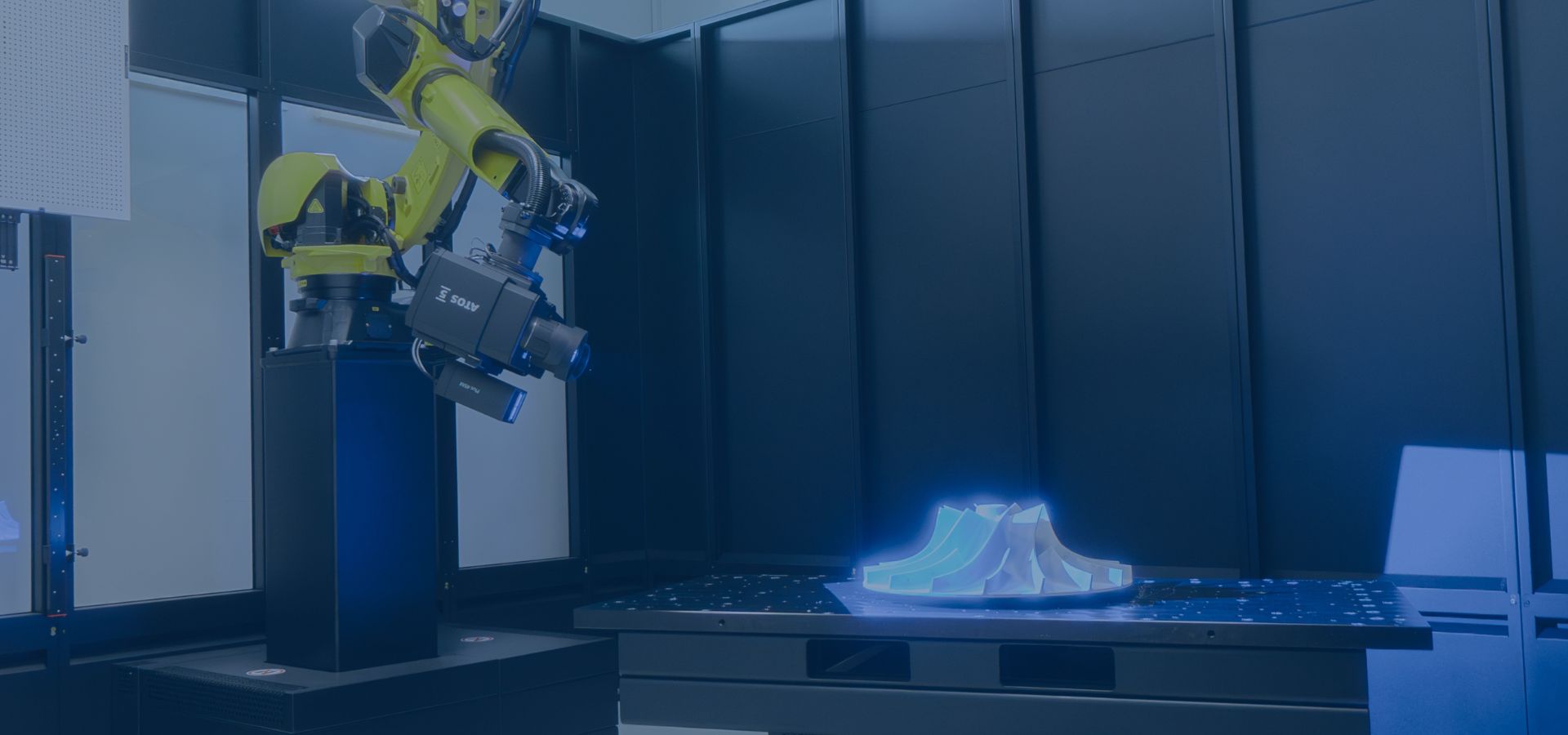
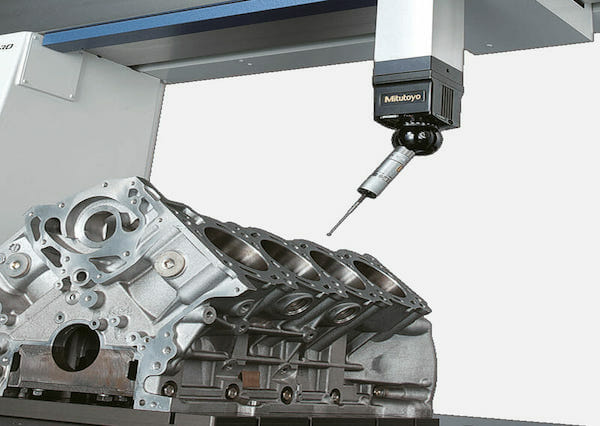
Large components, such as welded constructions, are checked in 3D measurement technology using either tactile methods or laser scanning.
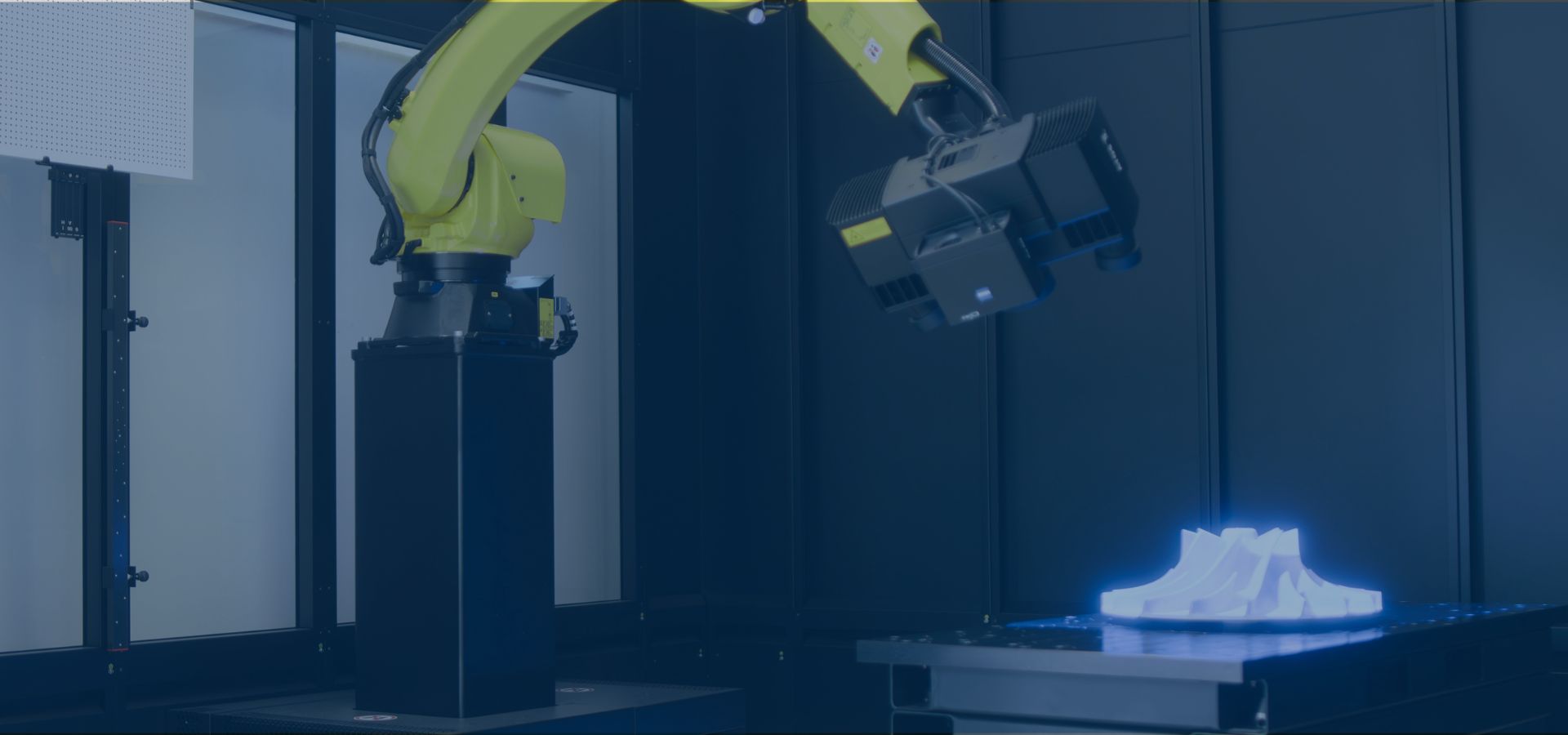
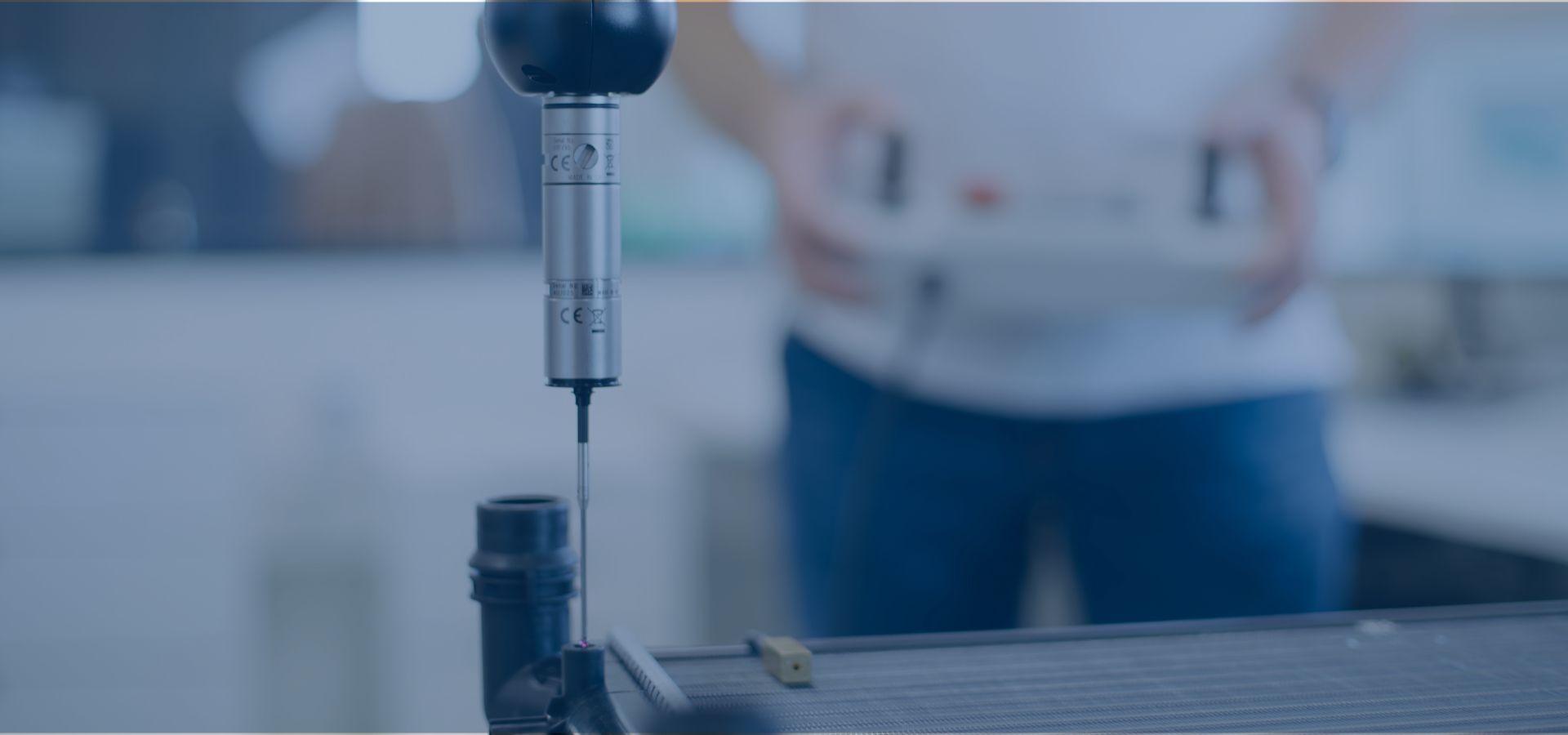
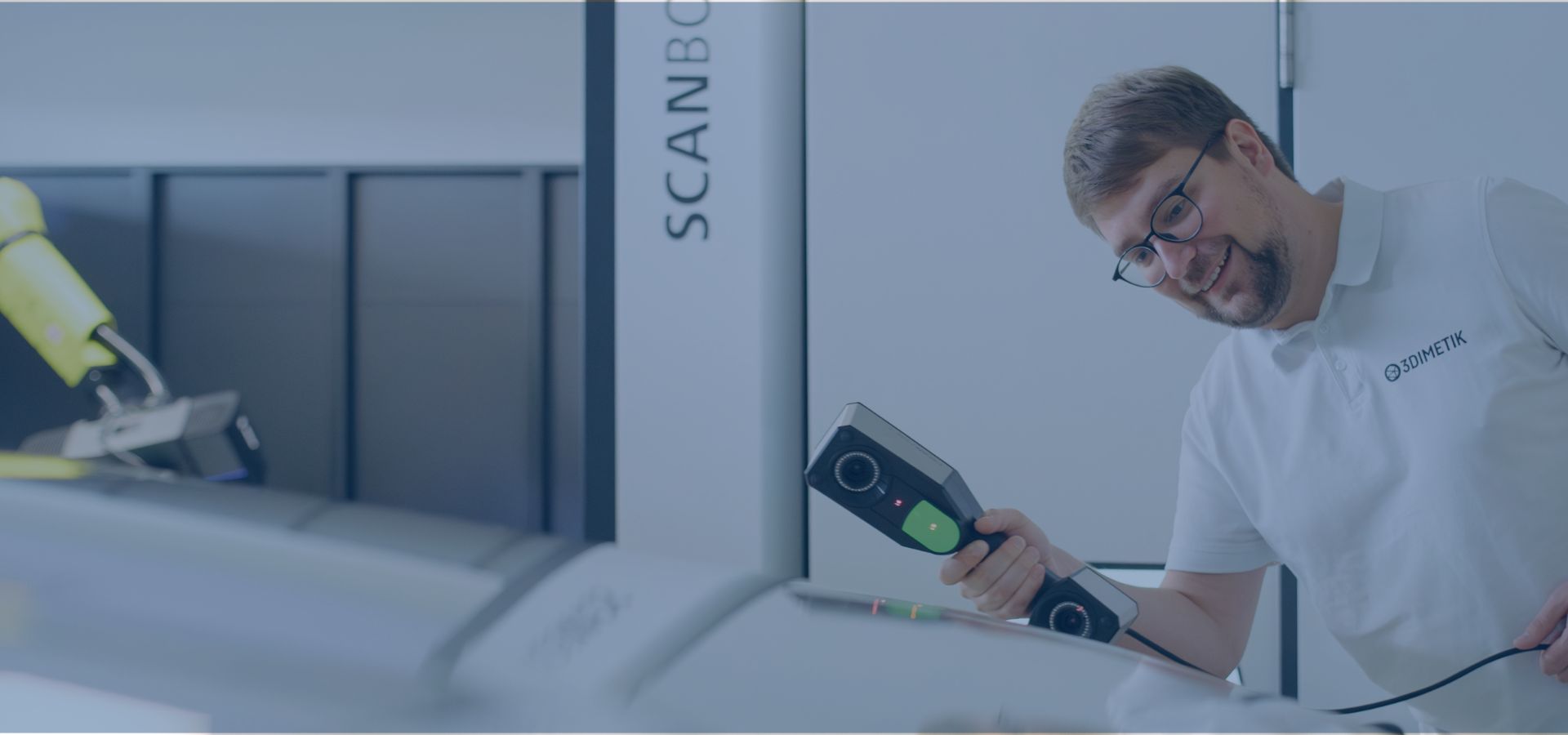
With tactile methods, a measuring probe moves to previously defined points and transmits the exact positions to a computer unit. Laser scanners, on the other hand, work without contact. They are very fast and can record a large amount of data.
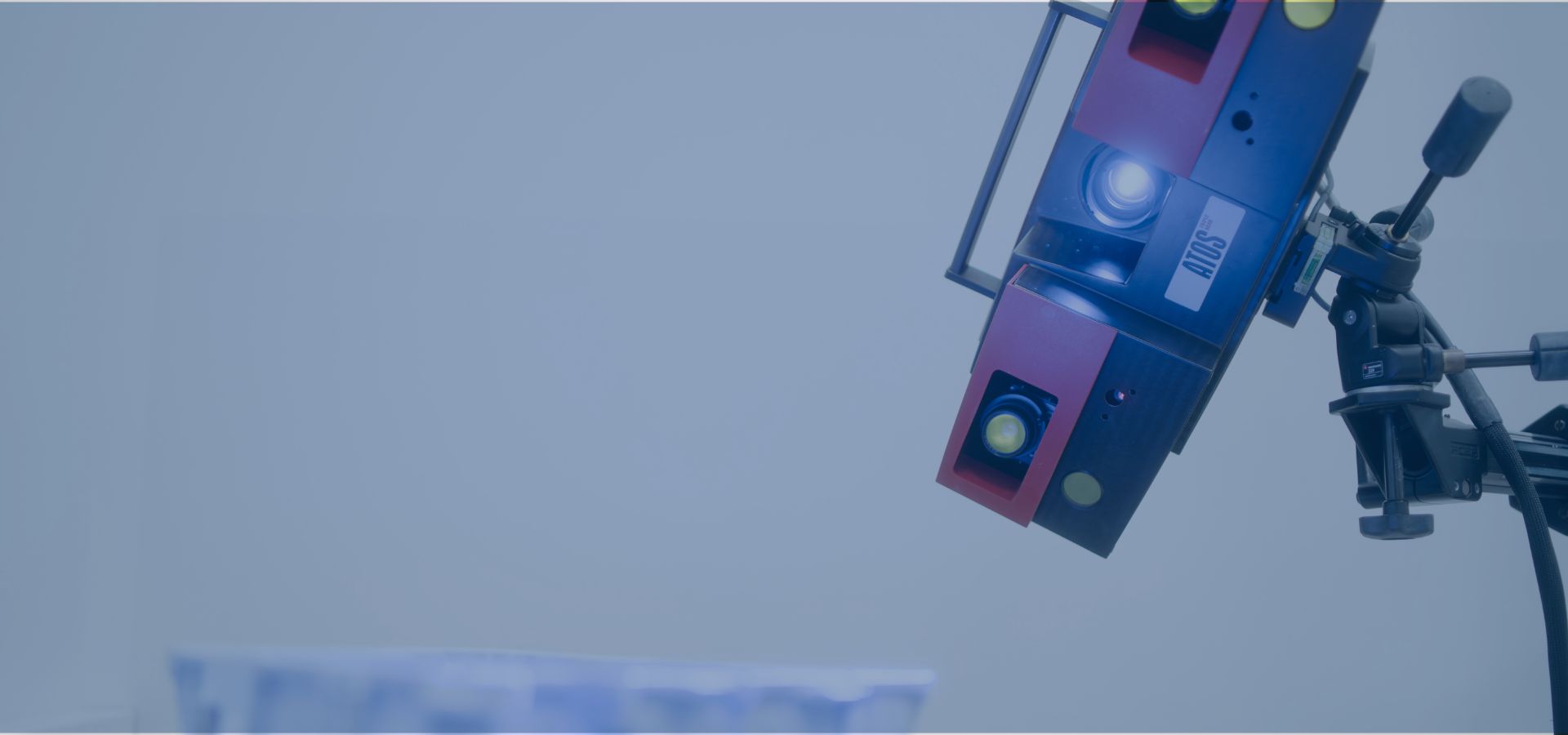
Advances in digital technology have allowed photometric methods to be developed to such an extent that they can be used for 3D measurement technology.
A product is photographed from several perspectives. A computer calculates a 3D image from the data obtained. Today, these images can achieve astonishingly high resolutions. These 3D models created on the product can then be used to carry out a target/actual comparison.
Today, 3D component measurement technology offers a suitable solution for practically every application.