

– SO THAT THE PROFILE KEEPS ITS SHAPE
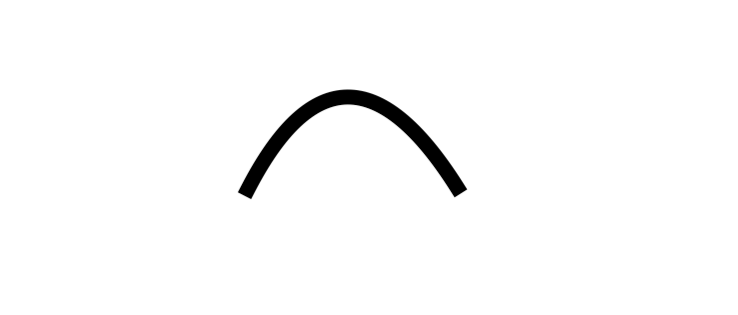
The line form tolerance is one of the smallest dimensional tolerance considerations. It concentrates only on one line and ignores the surface.
This tolerance consideration is helpful in many cases. Classic cases of line shape tolerance are the
- Validation of extrusion processes
- Validation of long cutting paths
- Validation of additive production processes
The main advantage of the line shape tolerance is that a valid conclusion can be drawn about the entire component with a simple measurement.
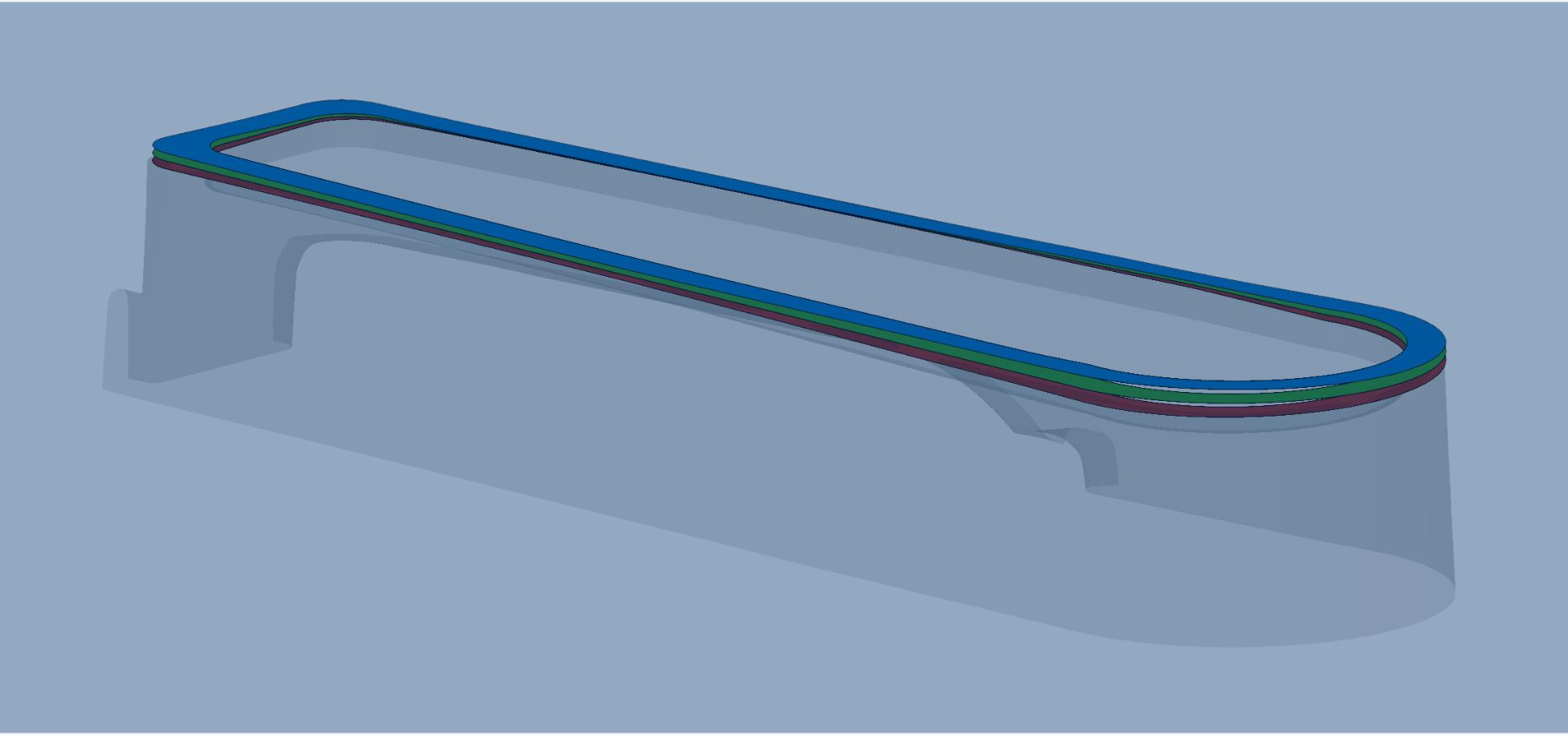
Lines occur in a component mainly as edges. It does not matter whether it is a linear or radial line. The tolerance consideration of a line applies to any shape of edge.
If the edge has a value that is outside the desired tolerance due to a measurement, this inevitably results in an undesirable deformation of the enclosed surface.
This makes the tolerance analysis of the line a simple and reliable method for evaluating the enclosed area and thus the entire shape of the component.
Classification of line shape tolerance
The tolerance consideration of the line belongs to the shape and position tolerances. They are regulated in ISO 1101 and ISO 1660.
These international standards define the line tolerance as the course of an edge within a self-defined tolerance zone. The manufacturing processes must ensure that this tolerance zone is always adhered to.
ISO 1101 and ISO 1660 also require suitable measurement methods to be able to validate the tolerance qualitatively at any time.
Reasons for tolerance deviations
Tolerances can only be meaningfully defined if there are reasons for their deviations.
In the case of line tolerances, these are usually typical wear processes during production: Worn turning tools or inserts of milling crowns, extrusion tools with edge wear or deviations in the composition of the material can jeopardize the line tolerances.
The challenge so far has been to detect these deviations early enough and take appropriate countermeasures. Tolerance deviations can be identified using various measuring methods, such as
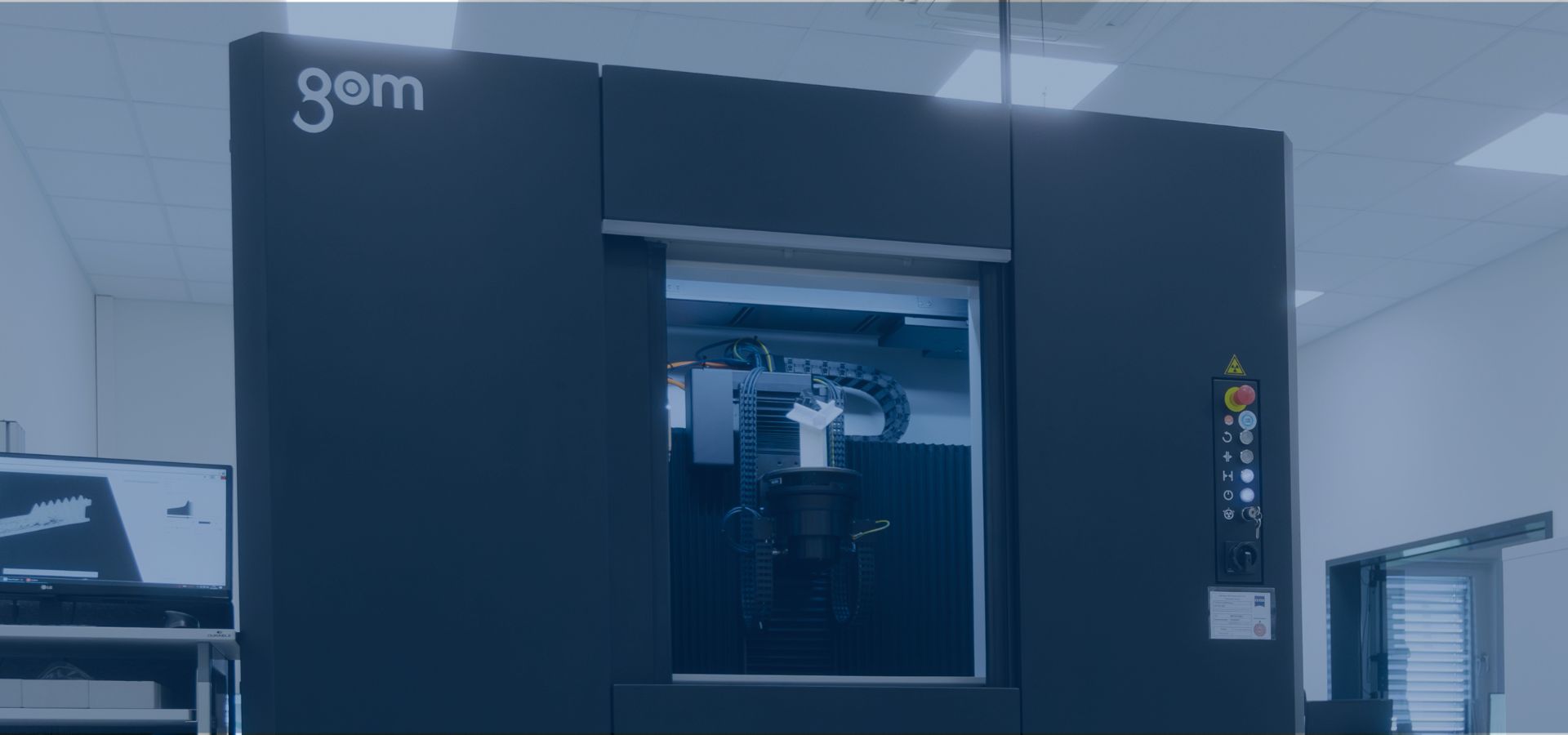
- Industrial CT measurement technology
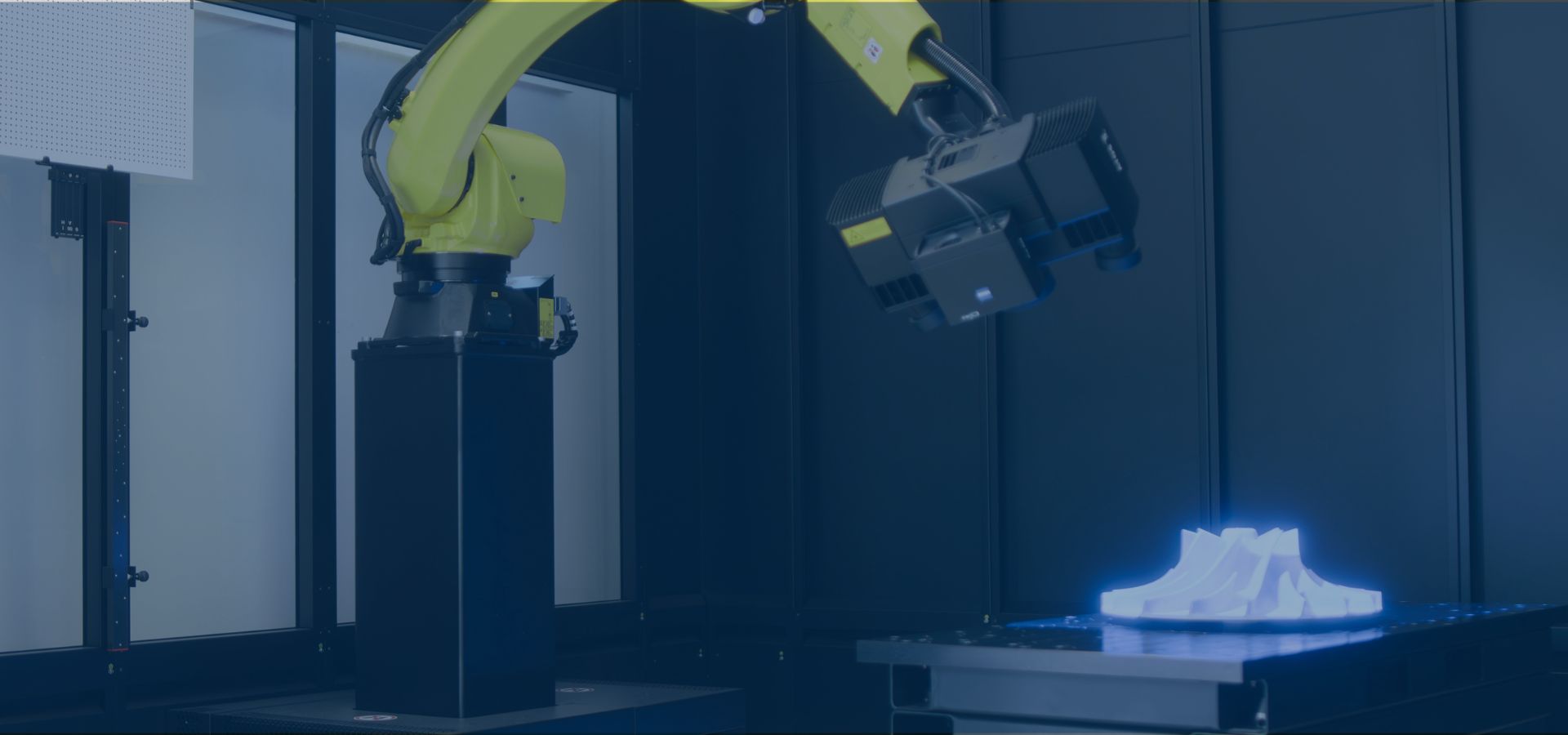
- 3D measurement technology
- Surface measurement
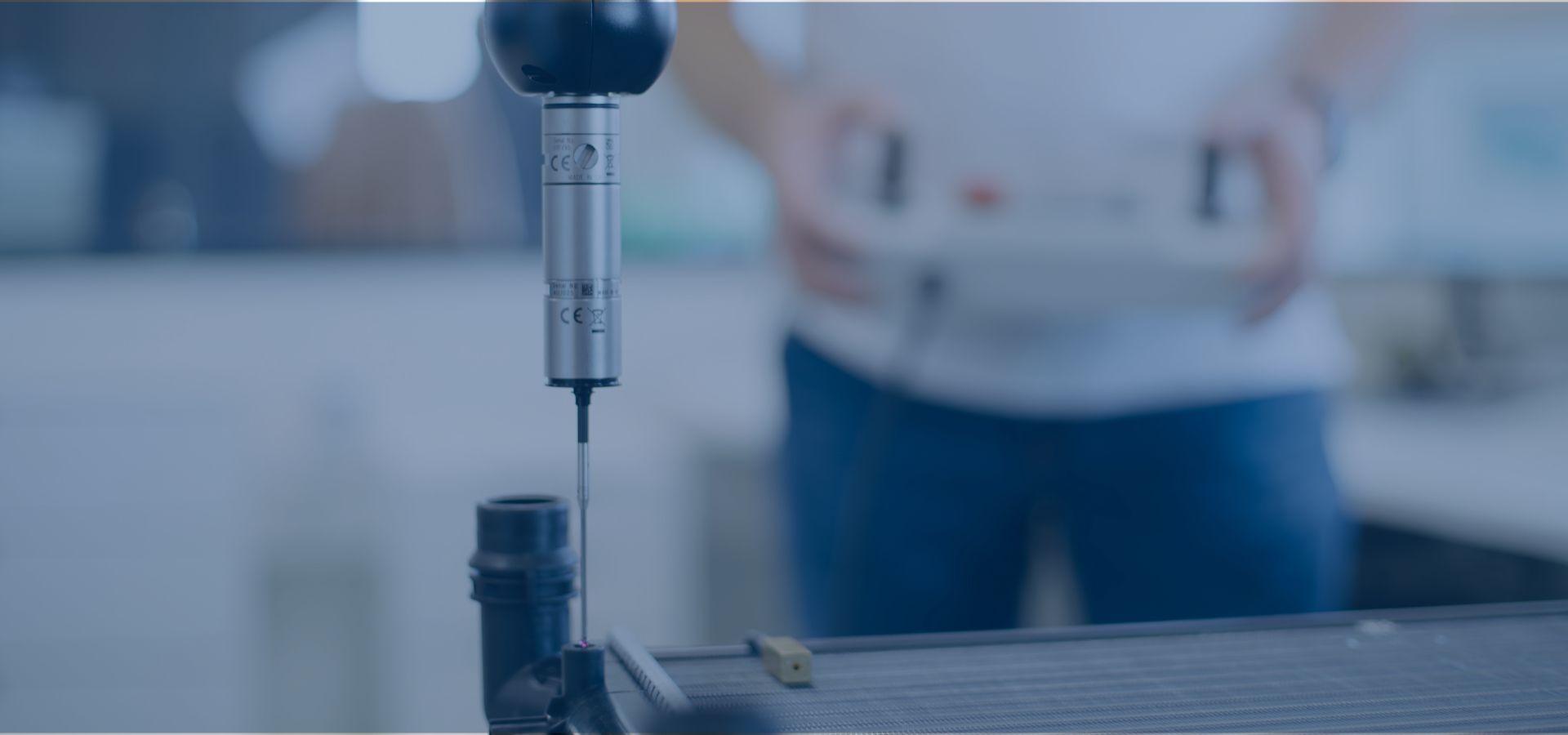
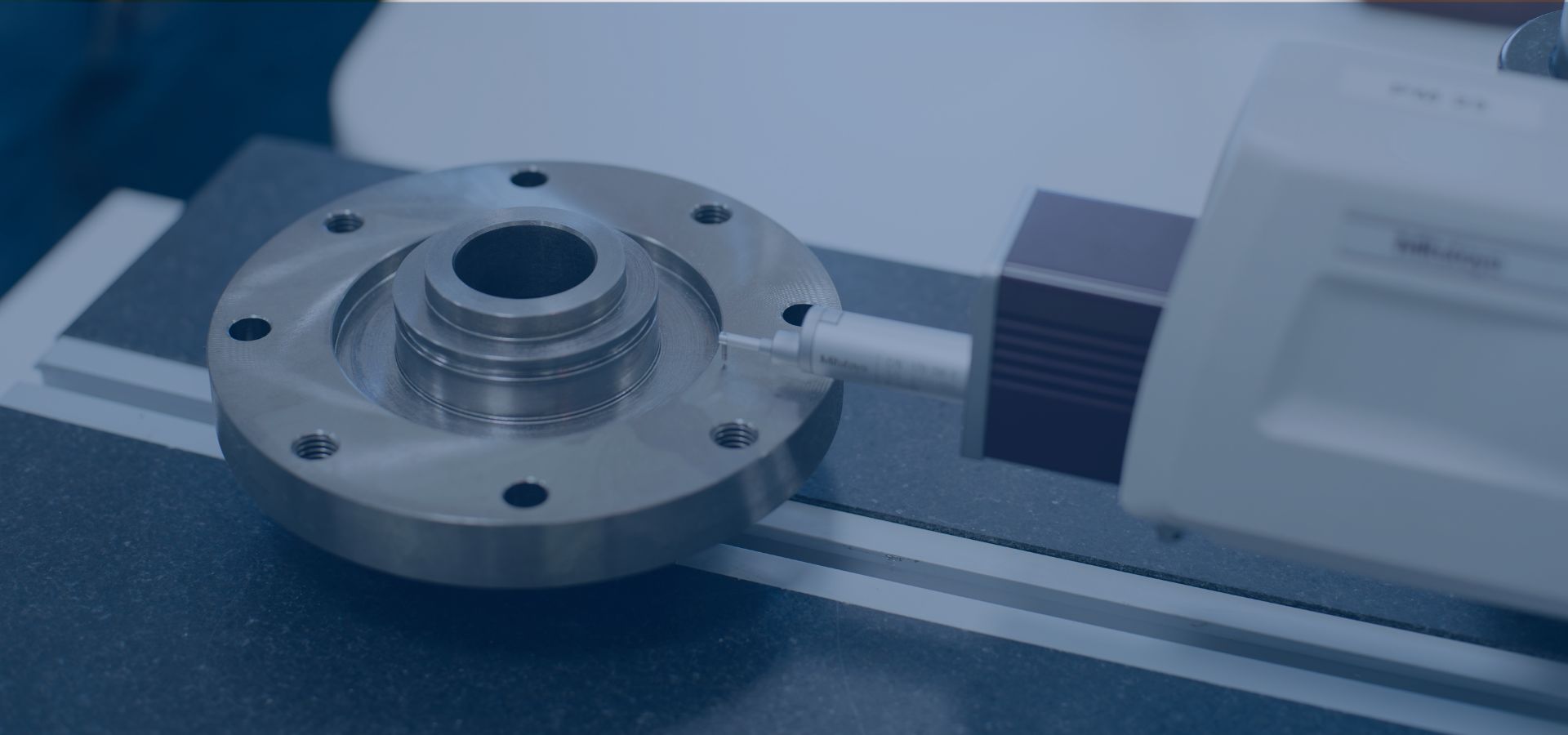
- Tactile measurements
Samples are good – 100% is better
The traditional approach to production control was random sampling. This is especially true for large series. In a random sample, a component is removed from production at precisely timed intervals and checked for dimensional accuracy.
In many cases, a simple caliper gauge is sufficient for this. However, production control has always struggled with the same problems: although recording and documenting a measured value is not a particularly great intellectual challenge, many employees were overwhelmed by the reliable execution of this quality step.
Deviating dimensional accuracy was often misinterpreted as a mistake and then covered up.
Low qualification, negligence and misinterpretation of the values have often rendered the sampling procedure useless.
However, there is now an approach available that can check series of any size 100% without having to rely on unqualified production staff: Photometry.
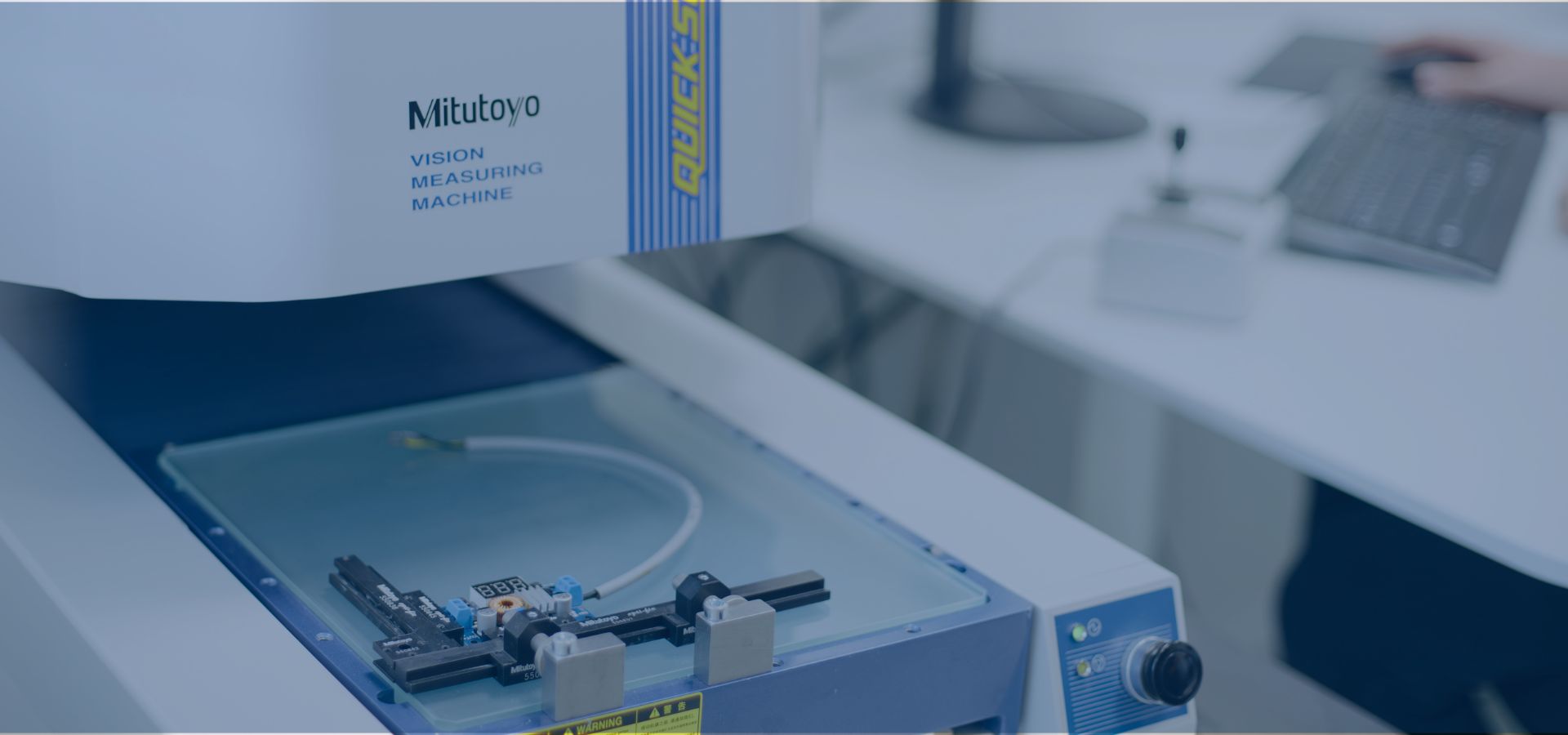
Digital camera replaces the caliper
The cheapening and mass distribution of digital cameras has made measurement methods possible that were previously unthinkable.
With the help of software, large data storage devices and high-resolution cameras, quality assurance is now able to measure every single component after each production step. These procedures are also recognized by ISO 1101 and ISO 1660.
Photometry therefore makes it possible to detect a deviation in the line tolerance immediately where it occurs. You can’t expect more from an efficient production chain.