


Measuring wall thickness - CT wall thickness measurement
Non-destructive measurement of the wall thickness of components
We measure wall thicknesses of plastic, cast and metal components over the entire surface in 3D volume. Request precise wall thickness analysis by industrial CT from 3DIMETIK now.
Contact us without obligation and receive a solution proposal including an offer in max. 24 hours
Measuring wall thickness - CT wall thickness measurement
Non-destructive measurement of the wall thickness of components
We measure wall thicknesses of plastic, cast and metal components over the entire surface in 3D volume. Request precise wall thickness analysis by industrial CT from 3DIMETIK now.
Contact us without obligation and receive a solution proposal including an offer in max. 24 hours

Have the wall thickness of components measured
As an accredited testing laboratory according to DIN EN ISO/IEC 17025 3DIMETIK is your nationwide contact for wall thickness measurement for components of all kinds.
We use industrial computer tomography to measure the wall thickness of your components. A measuring method that enables a non-destructive, full-surface and highly precise analysis of the wall thickness
Areas of application for a
wall thickness analysis
Check minimum wall thickness
Optimize component weight
Analyze wall thickness profile
Evaluate breakthrough risks
Series monitoring
of wall thicknesses
Validate design
When you contact us, you will always speak directly to your contact person for industrial CT. No call center waiting loops, just competent measurement technicians.
How a wall thickness measurement works
Create CT scan & 3D volume model
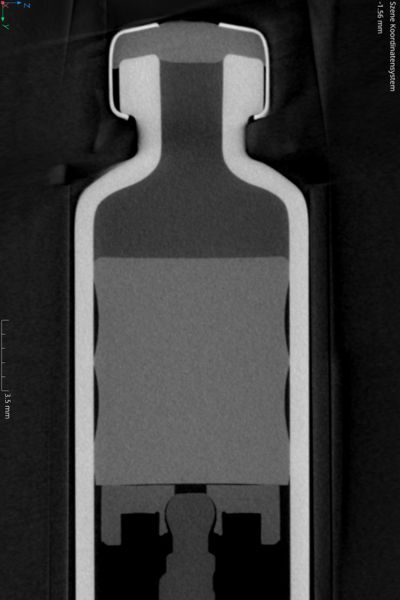
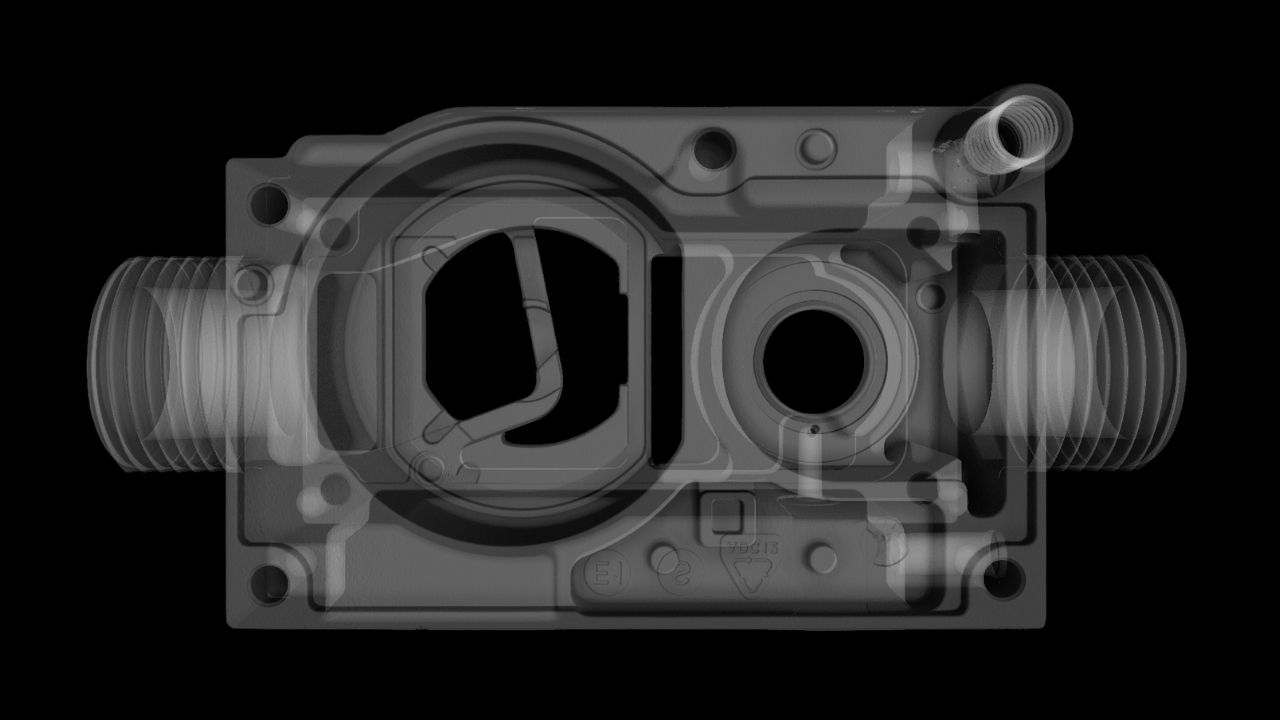
First, the component is completely scanned using industrial computed tomography. This creates a high-resolution 3D solid model that digitally depicts the entire internal and external structure.
Automatic wall thickness analysis in the 3D model
The wall thickness is calculated over the entire surface in the digital volume model. The software automatically determines minimum, maximum and average values.
Target/actual comparison and evaluation
Finally, the measured wall thickness can be compared with the CAD specifications. This makes design deviations or process-related wall thickness fluctuations visible.
10 reasons to measure wall thickness with 3DIMETIK at
When you contact us, you will always speak directly to an expert in 3D measurement technology. No call center waiting loops, just competent measurement technicians.
References
What is evaluated when measuring wall thicknesses?
Years of 3D measurement technology
Experience
Successfully completed
projects
24 hours max. until you receive an offer
Individual or series testing
with 3DIMETIK
Individual testing / project-related wall thickness analysis
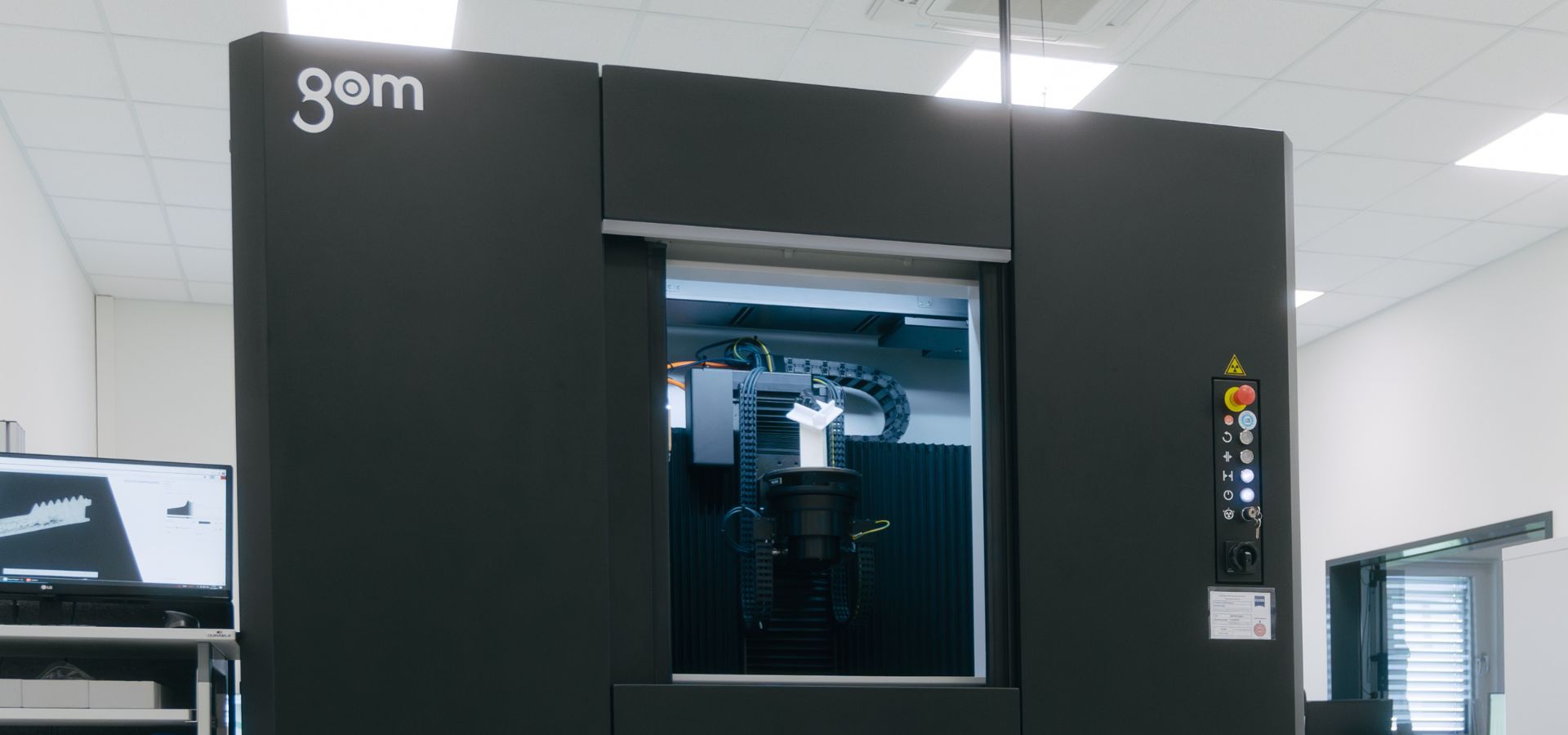
The individual test is suitable for prototypes, initial sampling or specific questions in which the wall thickness of a particular component is to be precisely analyzed and documented.
Series testing and framework agreements for larger volumes
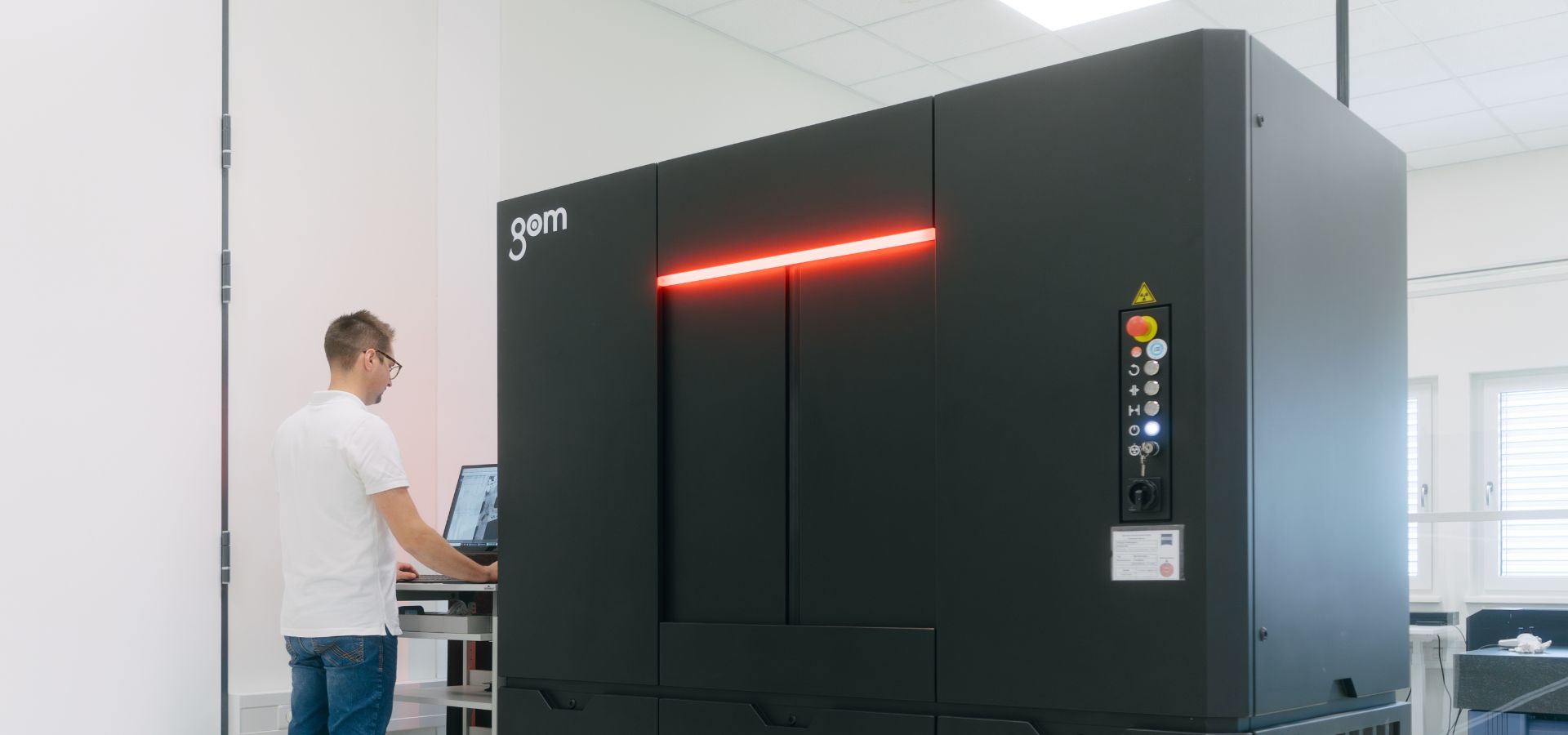
Series testing under a framework agreement is ideal for recurring or larger quantities where wall thicknesses need to be systematically monitored and reproducibly evaluated.
Frequently asked questions
for measuring wall thicknesses
The accuracy of CT wall thickness measurement depends on the component size, material and scan parameters and is typically in the micrometer range. Volumetric data acquisition creates a reproducible measurement basis for minimum wall thicknesses, tolerance analyses and series comparisons.
" dsm_open_icon_color="#373737" dsm_close_icon_color="#373737" _builder_version="4.21.0" _module_preset="default" header_item_level="h4" header_item_font_size="19px" closed_header_item_font_size="19px" closed_header_item_line_height="1.2em" background_color="#597482" background_enable_color="on" header_item_font_size_tablet="19px" header_item_font_size_phone="16px" header_item_font_size_last_edited="on|phone" closed_header_item_font_size_tablet="19px" closed_header_item_font_size_phone="16px" closed_header_item_font_size_last_edited="on|phone" border_radii="on|10px|10px|10px|10px" box_shadow_style="preset1" global_colors_info="{}" parentOrderClass="dsm_faq_0"][/dsm_faq_child][dsm_faq_child dsm_title="Can internal wall thicknesses be reliably determined?" dsm_content="
Internal wall thicknesses are fully recorded in the CT volume, as the component is digitally penetrated. This means that even concealed cavities, cooling channels or complex internal structures can be precisely analyzed without mechanically opening or destroying the component.
" dsm_open_icon_color="#373737" dsm_close_icon_color="#373737" _builder_version="4.21.0" _module_preset="default" header_item_level="h4" header_item_font_size="19px" closed_header_item_font_size="19px" closed_header_item_line_height="1.2em" background_color="#597482" background_enable_color="on" header_item_font_size_tablet="19px" header_item_font_size_phone="16px" header_item_font_size_last_edited="on|phone" closed_header_item_font_size_tablet="19px" closed_header_item_font_size_phone="16px" closed_header_item_font_size_last_edited="on|phone" border_radii="on|10px|10px|10px|10px" box_shadow_style="preset1" global_colors_info="{}" parentOrderClass="dsm_faq_0"][/dsm_faq_child][dsm_faq_child dsm_title="What is the difference between wall thickness and wall thickness?" dsm_content="
In technical terminology, wall thickness and wall thickness are used synonymously. Both terms describe the material thickness between the inner and outer surface of a component and are used to evaluate stability, load-bearing capacity and structural design.
" dsm_open_icon_color="#373737" dsm_close_icon_color="#373737" _builder_version="4.21.0" _module_preset="default" header_item_level="h4" header_item_font_size="19px" closed_header_item_font_size="19px" closed_header_item_line_height="1.2em" background_color="#597482" background_enable_color="on" header_item_font_size_tablet="19px" header_item_font_size_phone="16px" header_item_font_size_last_edited="on|phone" closed_header_item_font_size_tablet="19px" closed_header_item_font_size_phone="16px" closed_header_item_font_size_last_edited="on|phone" border_radii="on|10px|10px|10px|10px" box_shadow_style="preset1" global_colors_info="{}" parentOrderClass="dsm_faq_0"][/dsm_faq_child][dsm_faq_child dsm_title="Is a wall thickness analysis also suitable for series components?" dsm_content="
CT-based wall thickness analysis is suitable for both individual parts and series components. Using defined measurement parameters and automated evaluation, wall thicknesses can be systematically monitored and statistically evaluated to ensure process stability and quality.
" dsm_open_icon_color="#373737" dsm_close_icon_color="#373737" _builder_version="4.21.0" _module_preset="default" header_item_level="h4" header_item_font_size="19px" closed_header_item_font_size="19px" closed_header_item_line_height="1.2em" background_color="#597482" background_enable_color="on" header_item_font_size_tablet="19px" header_item_font_size_phone="16px" header_item_font_size_last_edited="on|phone" closed_header_item_font_size_tablet="19px" closed_header_item_font_size_phone="16px" closed_header_item_font_size_last_edited="on|phone" border_radii="on|10px|10px|10px|10px" box_shadow_style="preset1" global_colors_info="{}" parentOrderClass="dsm_faq_0"][/dsm_faq_child][/dsm_faq]
Contact us now without obligation